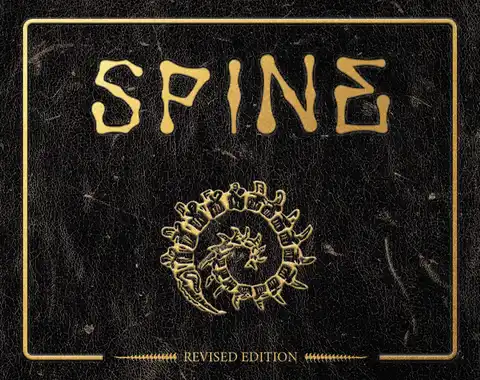
SPINE
SPINE fits Low Prep because one player can start with the book and a pencil, with no GM prep, scenario design, or character build required.
Low-prep TTRPGs are for groups that want the game to create usable pressure at the table instead of asking the GM to arrive with a finished production. Start with Easy D6, Fast Fantasy, Index Card RPG, and Slugblaster as comparison points, then move down the list based on the kind of table need your group actually wants.
When comparing low prep games, look at scenario generation, random tables, player-authored hooks, faction or clock tools, improvisation support, and how much continuity the campaign demands. Those details matter more than the tag itself, because two games can share a category while asking completely different things from the GM and players.
Use the top picks as anchors rather than treating the page like a simple popularity ranking. The goal is to answer the practical table question: which game will produce the kind of first session, campaign rhythm, and player buy-in your group is likely to enjoy?
Low prep does not mean no responsibility; the table still needs a clear premise and agreement about who contributes details.
SPINE fits Low Prep because one player can start with the book and a pencil, with no GM prep, scenario design, or character build required.
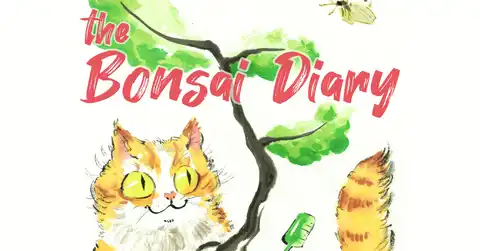
The Bonsai Diary is low prep because play starts from the booklet or PDF, a pen or brush, and a quiet half hour, with no scenario design or facilitator prep.
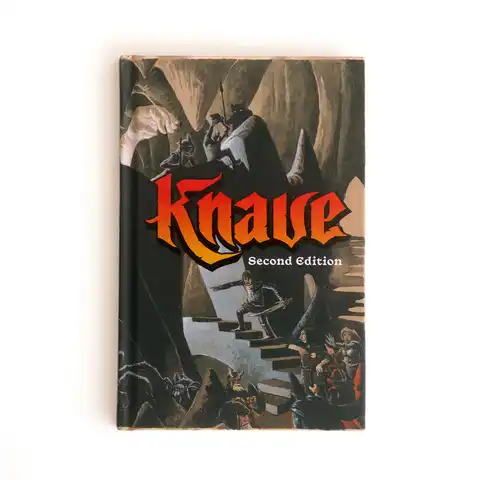
Knave is Ben Milton's classless OSR fantasy TTRPG, and its current second edition pairs fast character creation with a stronger GM toolkit for dungeons, hexcrawls, downtime, and module-driven campaigns. It is a strong fit for groups that want dangerous expeditions and meaningful gear choices without a heavy character-build game.
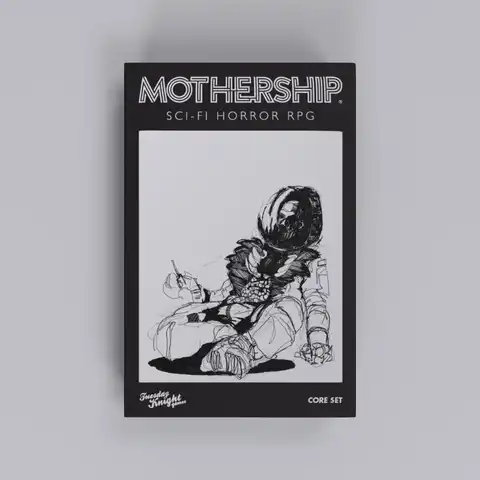
Mothership is a first-edition sci-fi horror TTRPG about fragile crews taking dangerous jobs in hostile space. Its rules-light d100 engine, stress and panic system, fast character creation, and Warden-facing horror procedures make it one of the strongest choices for derelict ships, doomed colonies, corporate negligence, and lethal short arcs.
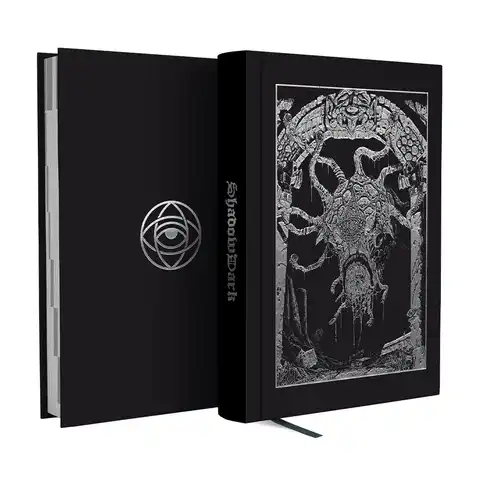
ShadowDark is a class-based dark-fantasy dungeon crawler by Kelsey Dionne and The Arcane Library. It combines old-school expedition pressure with modern usability, real-time torch timers, risky magic, and fast rulings for groups that want dangerous crawls without a huge rules burden.
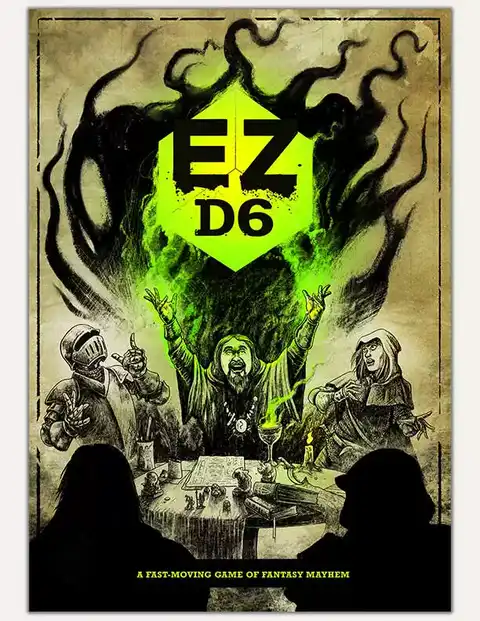
EZD6 is a fast fantasy TTRPG by DM Scotty and Runehammer Games, built around hero paths, quick d6 resolution, improvisational magic, and swingy low-friction adventure.

Pirouette is low-prep because one player can begin with the book, a tarot deck, and a block tower; the routine and prompts generate the session.
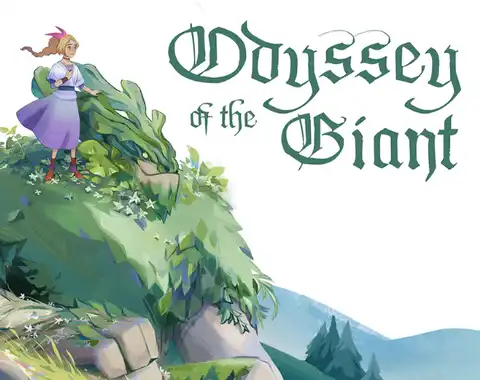
Odyssey of the Giant is low-prep because one player can start from the PDF, dice, paper, and the built-in Caretaker, giant, hex, and encounter procedures instead of preparing a scenario.
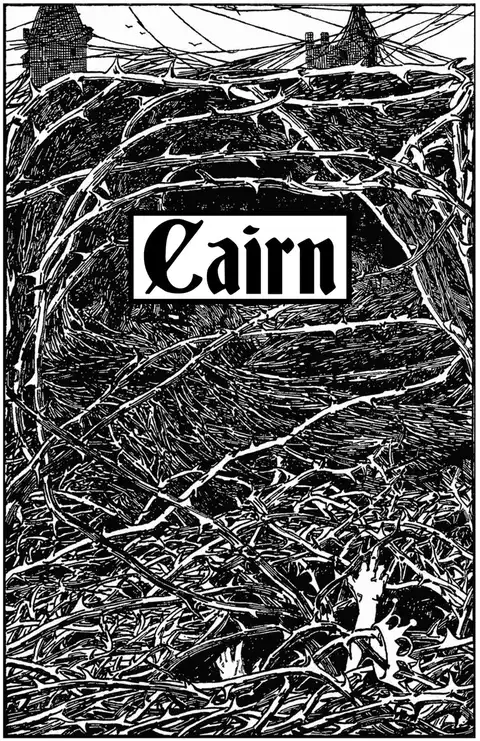
A free classless fantasy TTRPG by Yochai Gal and Cairn Press, built for dangerous woodland exploration, slot-based inventory pressure, fiction-first growth, and fast OSR/NSR play.

Ten Candles is Stephen Dewey's tragic horror TTRPG about doomed survivors making meaning in a sunless world. Its candle countdown, shared narration, and fixed fatal ending make it strongest as a focused one-shot for groups that want atmosphere and emotional escalation more than tactical survival.
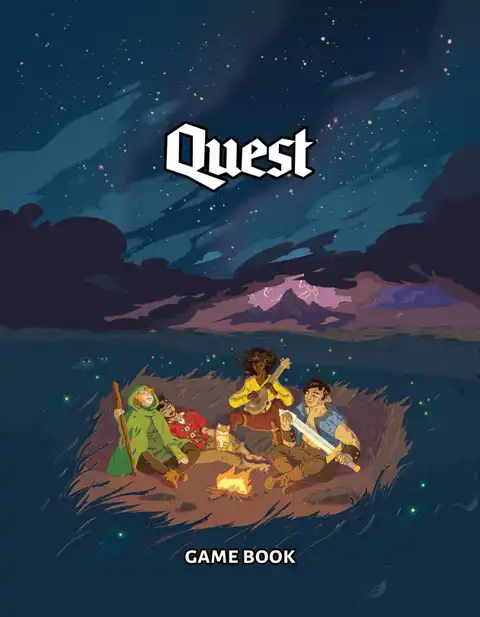
Quest is a free beginner-friendly fantasy TTRPG that trades modifier math and money tracking for fixed d20 outcomes, vivid role abilities, and one of the clearest onboarding paths in the hobby.
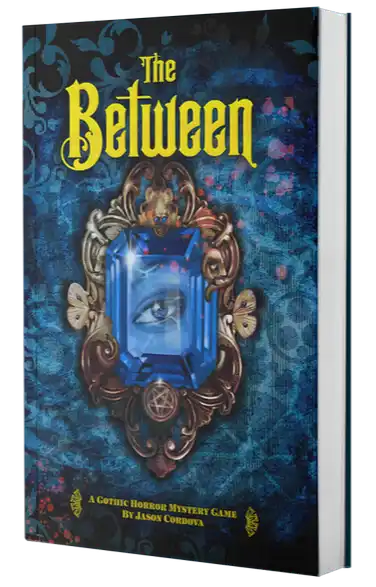
A gothic supernatural investigation TTRPG about mysterious hunters at Hargrave House confronting monstrous threats in Victorian London through Carved from Brindlewood mystery play.
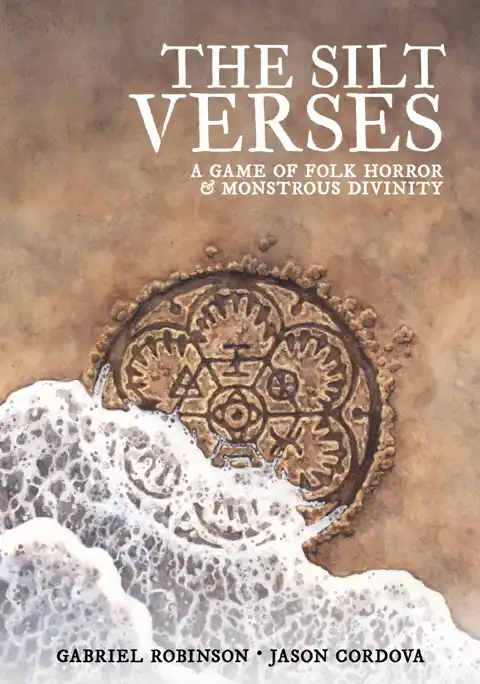
A folk-horror investigation TTRPG of stray gods, indebted Custodians, and monstrous divinity, using Carved from Brindlewood mystery play inside the world of The Silt Verses audio drama.
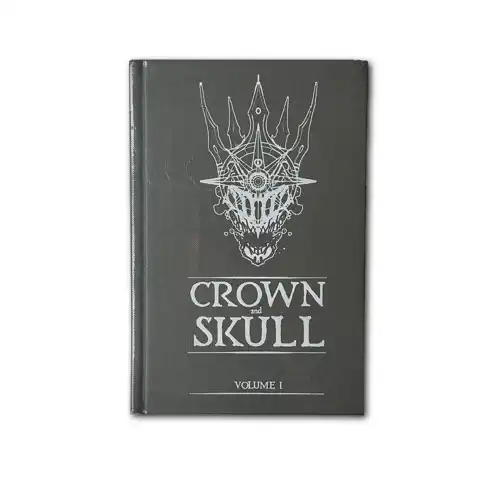
Crown & Skull is Runehammer's no-stats, no-HP fantasy TTRPG, built around point-buy characters, player-facing d20 rolls, skill-and-gear attrition, and emergent exploration in the North Holds.

Fight With Spirit keeps prep manageable through collaborative setup and guided match procedures, though the Facilitator still needs to manage pacing, tone, and the card-based scene flow.
WARDEN is Ghost Spark's cinematic, classless, genre-agnostic d20 TTRPG, built from Pathwarden DNA around six proficiencies, ability-feat branching, tech levels, setting alterations, and Campaign Map play.
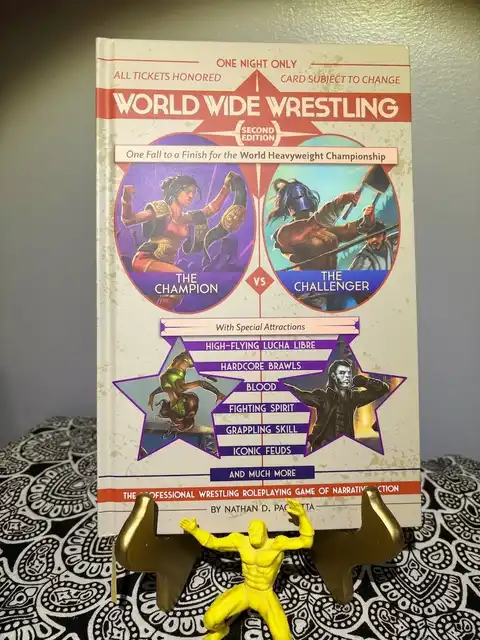
World Wide Wrestling fits Low Prep because Creative books a show and pressure points rather than building tactical encounters; the rules and sample Promotions help turn feuds and segments into play quickly.
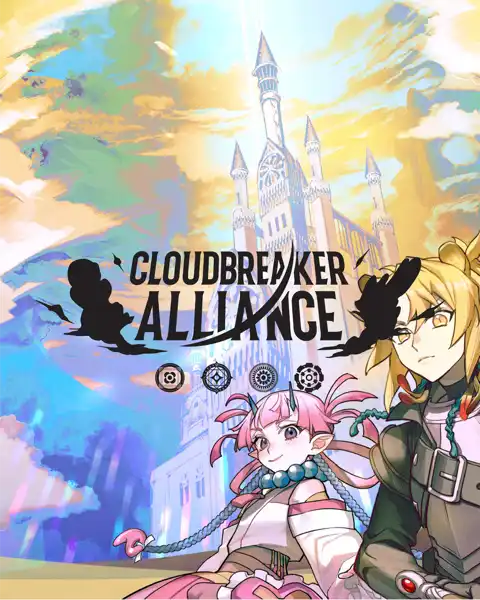
Cloudbreaker Alliance is CJ Leung's counter-apocalyptic 2d6 science-fantasy TTRPG about anime-inspired heroes exploring the Cloudbroken Lands, researching monsters, exposing Weak Points, and rebuilding connections between isolated communities.
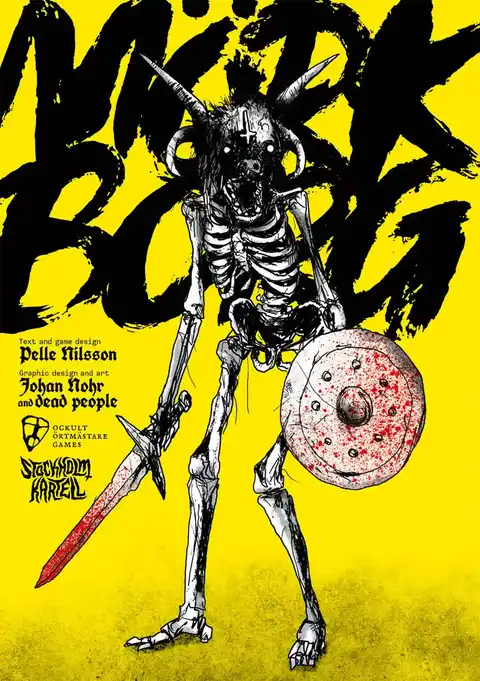
Mörk Borg is a pitch-black apocalyptic fantasy OSR TTRPG by Pelle Nilsson and Johan Nohr, built for lethal expeditions, black-humor doom, fast character loss, and tables that want tone to shape actual play instead of sitting in the background.
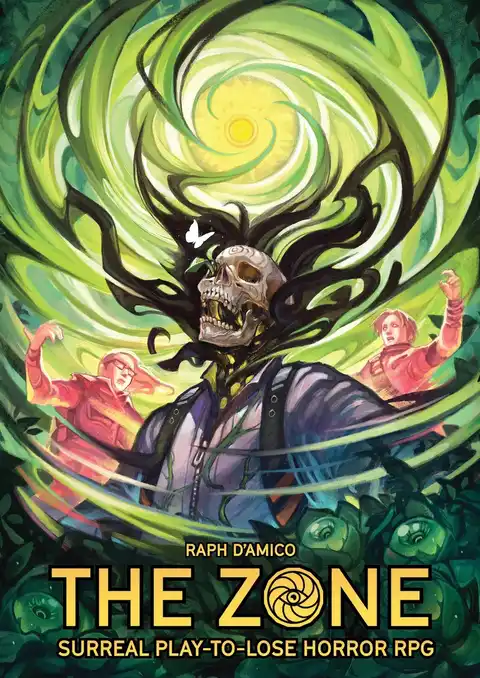
The Zone is Raph D'Amico's GMless, card-driven TTRPG of surreal play-to-lose horror, sending 1-6 doomed characters into an alien place that manifests their phobias and obsessions until mutation, death, and one final wish define the expedition.
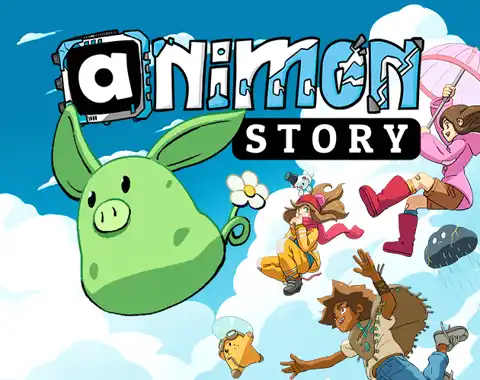
Animon Story is Zak Barouh's tabletop roleplaying game about Kids and their monster friends, using approachable d6 rules, bond-driven character growth, and custom Animon evolution to turn Pokemon and Digimon-style adventure into a campaign-ready TTRPG.
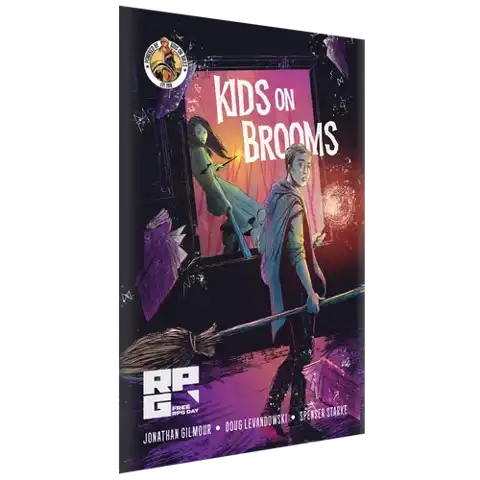
Kids on Brooms is a rules-light magical-school TTRPG about young witches and wizards building their own school, uncovering secrets, casting flexible spells, and handling mystery, danger, homework, friendships, and magical trouble through the Kids on Bikes framework.
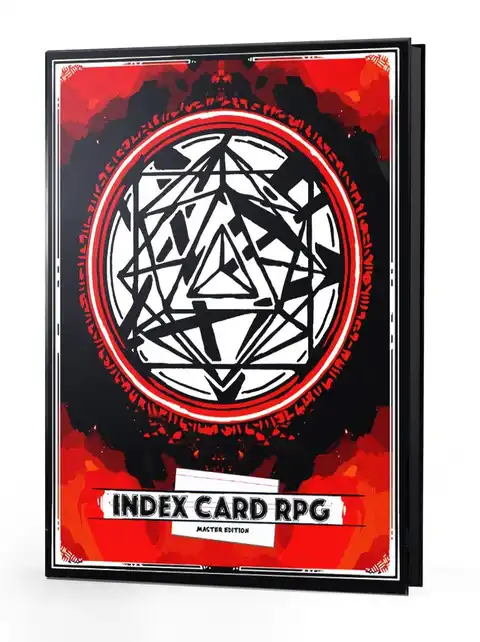
Index Card RPG: Master Edition is a fast, low-overhead d20 fantasy toolkit built around scene targets, timers, hearts, effort, and loot-driven character growth. It is strongest for GMs who want immediate table tools, quick onboarding, and a game they can bend across genres without losing momentum.
Choose by the job at the table. For low prep TTRPGs, compare scenario generation, random tables, player-authored hooks, faction or clock tools, improvisation support, and how much continuity the campaign demands. If that sounds too abstract, ask what the game makes players decide in the first hour.
Use the top picks as contrasts. Easy D6 and Fast Fantasy are useful side-by-side because they show different ways this category can work. Index Card RPG adds another angle, while Scum and Villainy helps test whether your table wants a different commitment level.
Match scope before rules. Some low prep games are best as one-shots, some need a short arc, and some only reveal their strengths through campaign play. Decide that scope first, then choose the rules weight your group will actually tolerate.