Top pick
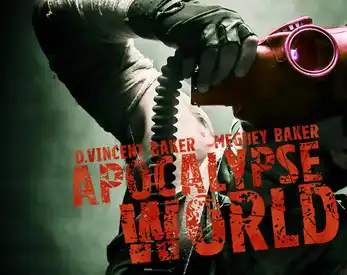
Apocalypse World
Best for volatile, relationship-driven apocalypse campaigns where scarcity, power, and obligation reshape a settlement instead of merely supplying combat scenery.
Post-apocalyptic TTRPGs start after the old world has broken, but the decision is not just which wasteland looks coolest. The best games in this category ask what survivors protect, what they are willing to trade, and whether the next society will repeat the failures of the last one.
If you are choosing a post-apocalyptic TTRPG for your table, start with the campaign pressure. Mutant: Year Zero is strong for expeditions and a home base, Apocalypse World is built around scarcity and messy relationships, Twilight: 2000 handles grounded military aftermath, and Legacy: Life Among the Ruins makes rebuilding societies the whole campaign frame.
Use this category when collapse, scarcity, dangerous travel, lost technology, broken institutions, or fragile communities shape play. Some games here are brutal survival stories; others are weird science-fantasy, faction dramas, zombie pressure cookers, or hopeful games about making a future worth living in.
Quick starting points if you want the clearest expressions of what Post-Apocalyptic games do well.
Best for volatile, relationship-driven apocalypse campaigns where scarcity, power, and obligation reshape a settlement instead of merely supplying combat scenery.
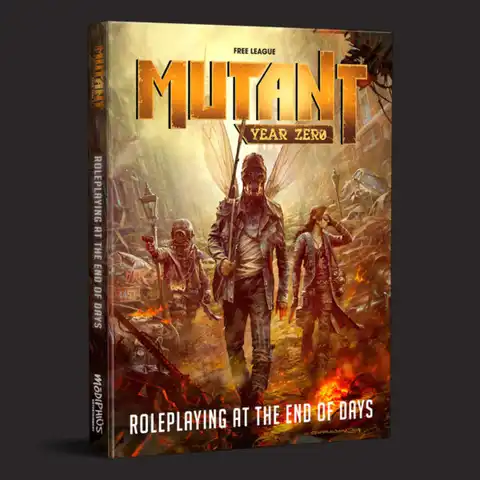
Best for groups that want a repeatable cycle of Zone expeditions and Ark development, with mutation, scarcity, and collective rebuilding pulling in the same direction.
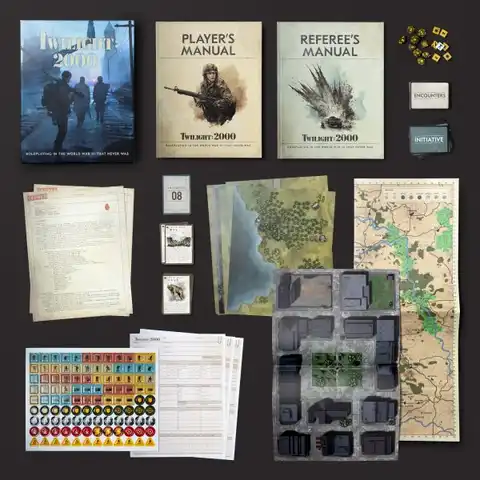
Best grounded military-survival pick for tables that want routes, fuel, ammunition, injuries, vehicles, local alliances, and base-building to make the collapse concrete.
Best for recognizable wasteland adventure with scavenging, perks, crafting, faction jobs, tactical firefights, and enough black humor to relieve the survival pressure.
Apocalypse World makes the end of civilization intimate and political. Scarcity, barter, holdings, gangs, desire, and leverage keep one fragile community changing in response to the characters' hard choices.
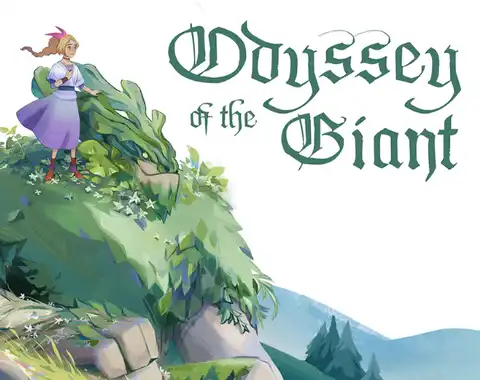
Odyssey of the Giant gives post-apocalyptic play a softer fantasy frame: the Cataclysm has broken Uvaluut, and the solo journey asks what survives, what can be protected, and whether hope can reach the haven.
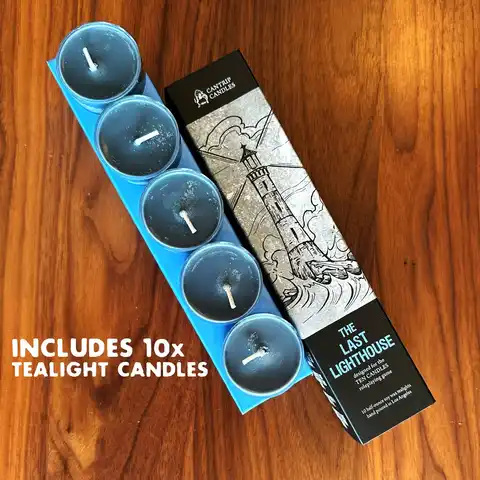
Ten Candles fits Post-Apocalyptic because the game begins after the sky goes dark and civilization has already collapsed into a last-hours scramble for light, shelter, and meaning.
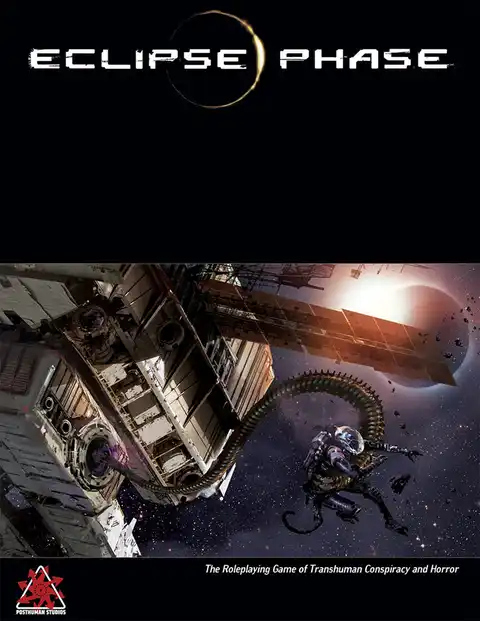
Eclipse Phase belongs in post-apocalyptic when your table wants that label to matter in play instead of only in browsing. Eclipse Phase is a transhuman science-fiction TTRPG of conspiracies, body-swapping, and existential horror, built for groups that want big ideas and sharp consequences instead of uncomplicated heroics.
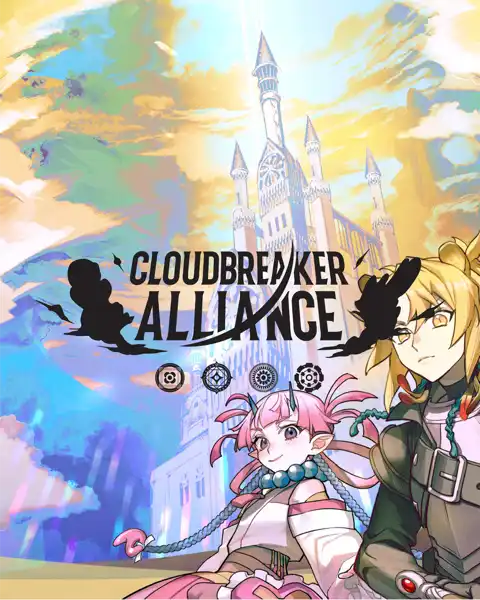
Cloudbreaker Alliance belongs here as a counter-apocalyptic TTRPG: the world has already been broken by Cloudfall, but the campaign premise is reconnection, repair, and preventing further collapse rather than scavenger nihilism.
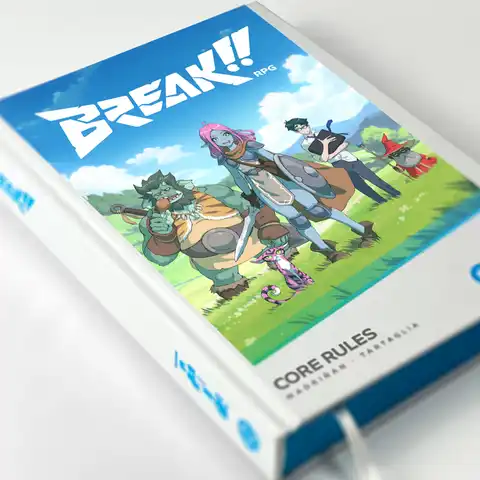
An anime- and JRPG-inspired fantasy TTRPG about party travel, structured overland exploration, and teamwork in a strange post-apocalyptic world.
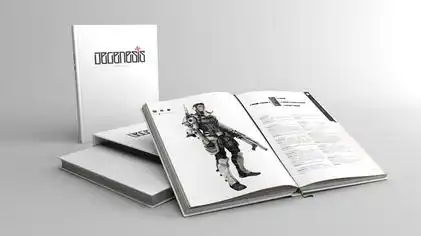
Degenesis: Rebirth belongs in post-apocalyptic when your table wants that label to shape actual play. Degenesis: Rebirth is a free-to-play post-apocalyptic “Primal Punk” game of brutal cultures, cult politics, and survival in a shattered future Europe and North Africa.
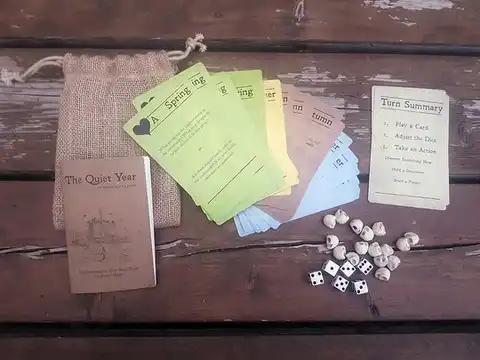
A Quiet Year is a thought-provoking tabletop RPG where players collaboratively create a post-apocalyptic community struggling to survive over the course of one quiet year. With its unique card-based mechanics and focus on community-building and decision-making, the game offers a reflective and immersive narrative experience unlike any other.
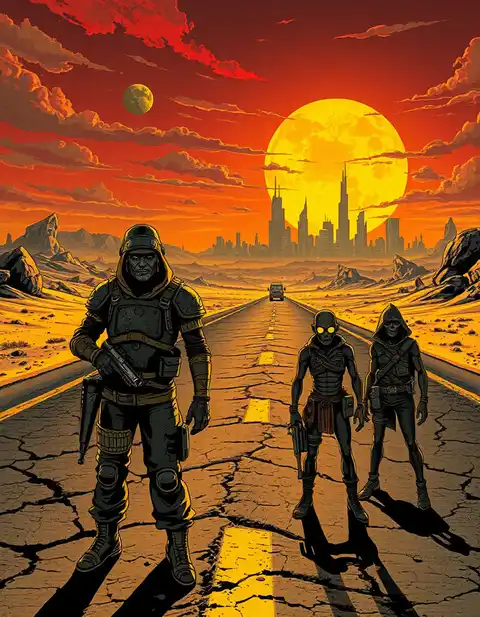
After the Blast is a rules-lite post-apocalyptic survival RPG using 2d6 + stat resolution. Classless and quick to play, it emphasizes scavenging, radiation risk, and emergent storytelling over complex mechanics. Ideal for one-shots and wasteland hex-crawls.
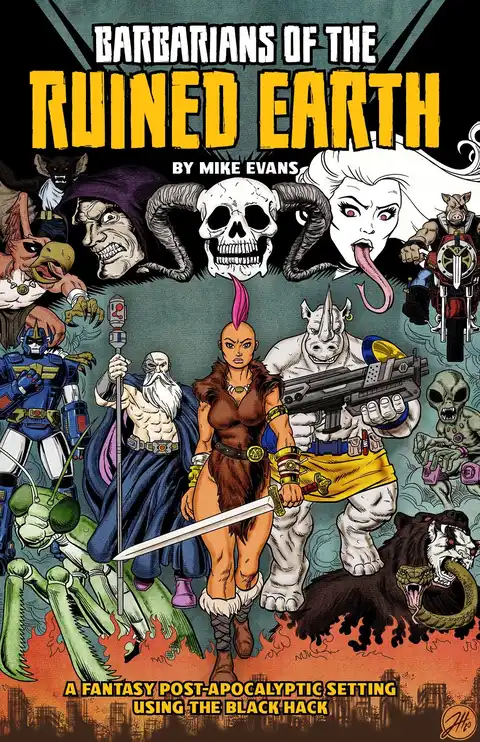
Barbarians of the Ruined Earth is a rules‑lite post‑apocalyptic sword‑and‑sorcery game built on The Black Hack. Class-based, low‑prep play emphasizes scavenging, exploration, and brutal, fast combat across a weird wasteland. Ideal for one‑shots or sandboxes where survival, resource management, and pulp action drive the night.

Broken Shores is a rules-lite dark fantasy survival RPG using d100 resolution. Classless and exploration-driven, it emphasizes scavenging, crafting, and desperate survival in a drowned world. Ideal for solo or group play, hex-crawl exploration, and fans of brutal post-apocalyptic settings.
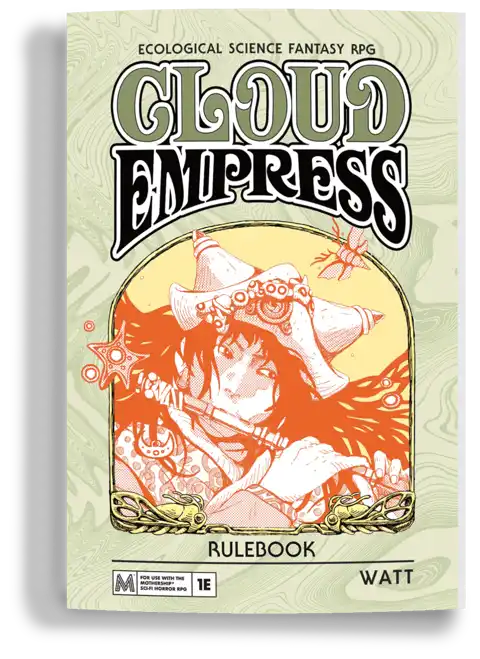
Cloud Empress fits post-apocalyptic play through a world scarred by war, disrupted ecosystems, fragile communities, and travel through damaged lands. It is less wasteland grit than melancholic ecological rebuilding, which makes it a useful contrast to harsher collapse games.

Dead Reign is a post-apocalyptic horror RPG about surviving the zombie outbreak. Using a familiar d%/d20 Palladium chassis, it delivers fast, lethal fights, tense scavenging, and hard choices. Class-based, medium-prep, it focuses on teamwork, scarcity, and moral dilemmas. Ideal for campaign play and gritty one-shots.
Dreams and Machines is a hopeful science-fantasy RPG about surviving the ruins of machine rule while rebuilding communities and futures worth living in.
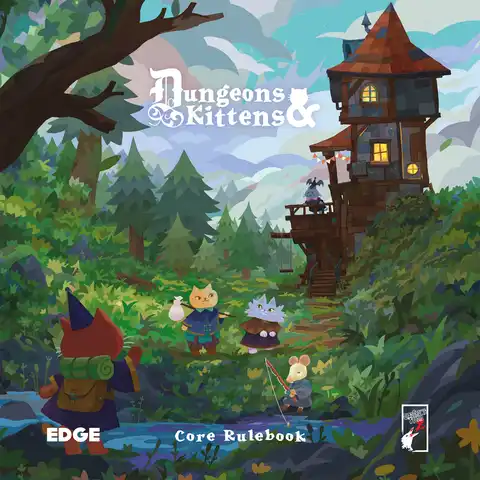
Dungeons & Kittens gives post-apocalyptic play a gentler animal-fantasy frame: humans are gone, societies have rebuilt, and the focus is hopeful exploration rather than grim wasteland attrition.
Fallout belongs here when you want post-apocalyptic play filtered through scavenging runs, faction trouble, retro-futurist satire, and concrete survival stakes instead of pure abstract doom. It keeps the wasteland dangerous, but gives the table more perks, loot, and black-comic texture than the bleakest apocalypse games.

Gamma World is a classic science-fantasy RPG of mutant survivors, ancient tech, and gonzo post-apocalyptic exploration in a world where weirdness is the baseline.
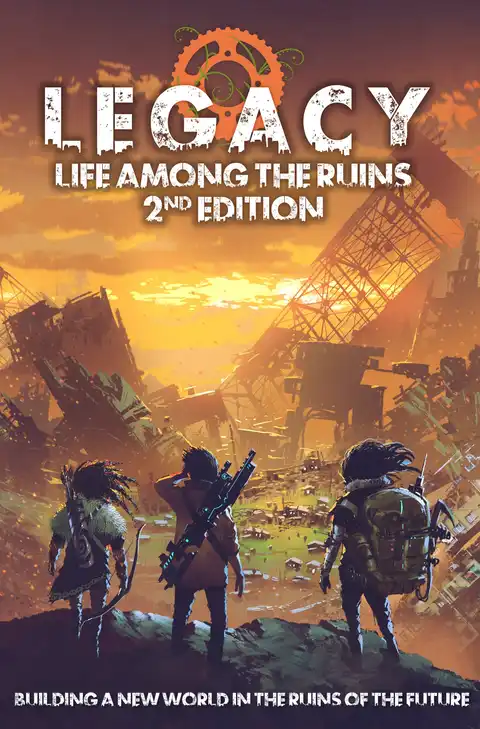
Legacy: Life Among the Ruins is a post-apocalyptic generational RPG about communities, bloodlines, and the long consequences of what survivors build after collapse.
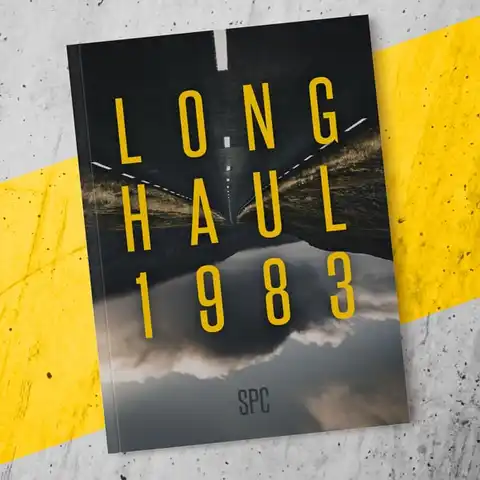
Long Haul 1983 is a solo journaling RPG of survival on empty highways. Using cards, dice, and a microphone, you play a truck driver navigating a hollowed-out 1983 world, leaving voicemails for someone who never answers. Rules-lite and atmospheric, it delivers a haunting journey of resilience.
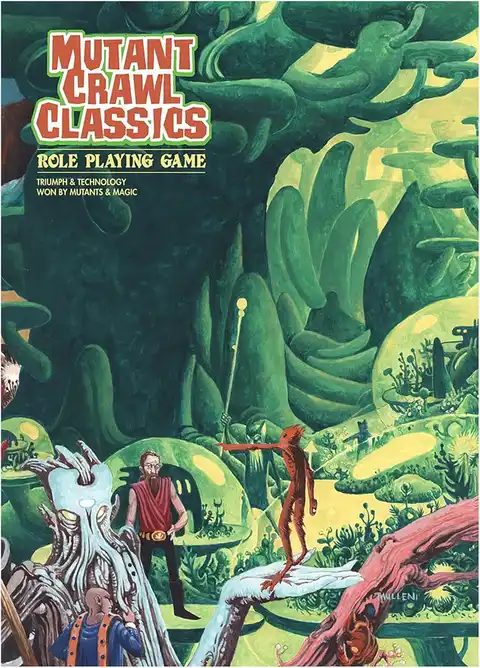
Mutant Crawl Classics is a post-apocalyptic, OSR-inspired game of deadly expeditions into ancient ruins. Class-based and swingy, it uses d20-style saves and character funnels to forge resilient survivors. Low prep and exploration-driven, it emphasizes scavenging, resource management, and hard choices in a lethal wasteland.
Mutant: Year Zero belongs here because survival is not just set dressing. The Ark, the Zone, and the need to salvage a future from ruined infrastructure keep collapse and rebuilding at the center of every campaign.
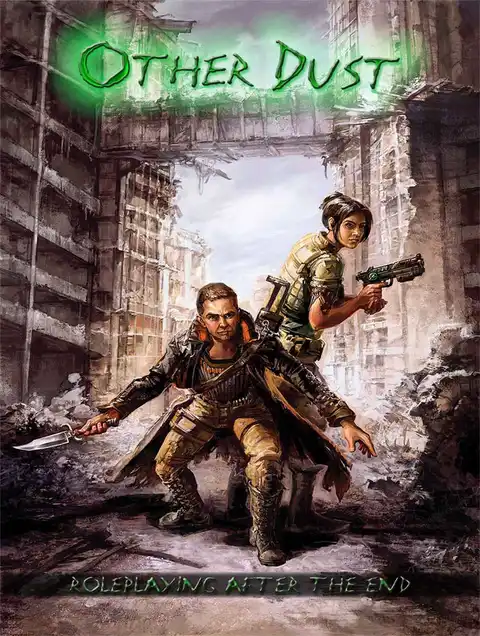
Other Dust is a rules-lite post-apocalyptic RPG set on the Tomb World of Earth, centuries after civilization's collapse. Using familiar OSR mechanics compatible with Stars Without Number, it emphasizes sandbox exploration, enclave building, and survival in a world of mutants and ancient ruins. Class-based and GM-driven, it provides extensive tools for emergent wasteland campaigns.

Our Brilliant Ruin gives Post-Apocalyptic play a gilded, social-drama frame: the world is ending, but estates, factions, ceremony, and class obligations keep demanding attention while the Ruin advances.
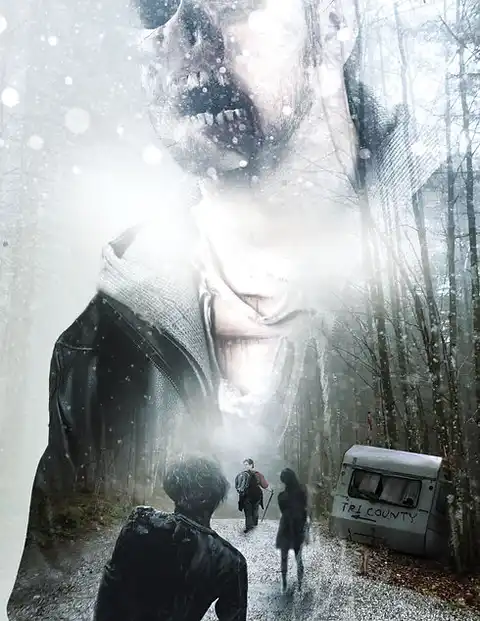
Outbreak: Undead (2e) is a survival-horror tabletop RPG focused on realism, resource scarcity, and tough choices. Classless and modular, it supports gritty campaigns about planning, panicking, and pushing through the worst days. Ideal for fans of grounded, rules-forward apocalypse play.
Choosing a post-apocalyptic RPG starts with the kind of pressure you want at the table. A game about hungry settlements and hard bargains plays very differently from one about soldiers stranded after a war, mutants exploring a zone, or generations rebuilding after catastrophe.
| If your table wants... | Start with | Why it fits | Also compare |
|---|---|---|---|
| Social pressure, scarcity, and messy character drama | Apocalypse World | It turns survival, desire, violence, obligation, and unstable communities into the engine of play. | PbtA and narrative-driven games. |
| Wasteland survival with expeditions and a base to protect | Mutant: Year Zero | The Zone, Ark, mutations, threats, and resource pressure make exploration and community survival feel concrete. | Survival and science fiction. |
| Grounded military aftermath and travel through a broken world | Twilight: 2000 | It emphasizes logistics, route planning, firefights, factions, and the practical burden of staying alive. | The Morrow Project for mission-driven rebuilding. |
| Rebuilding societies over years or generations | Legacy: Life Among the Ruins | It makes families, factions, needs, surpluses, and long-term consequences central instead of background lore. | Collaborative worldbuilding. |
| Gonzo mutants, lost technology, and strange ruined-earth adventure | Gamma World | It leans into weird science-fantasy, bizarre mutations, ancient tech, and colorful danger. | Vaults of Vaarn and Mutant Crawl Classics. |
| A familiar licensed wasteland with factions and recognizable tone | Fallout | It gives groups a known setting language for vaults, settlements, radiation, factions, and retro-future survival. | Mutant Crawl Classics for old-school mutant expeditions. |
Post-apocalyptic does not have to mean hopeless. If your group wants harsh tactical survival, start with Twilight: 2000 or Mutant: Year Zero. If they want communities choosing what comes next, look at Legacy or A Quiet Year. If they want danger with strange color and discovery, Gamma World or Vaults of Vaarn may be a better fit.
Use tighter resource, travel, and combat rules when the campaign is about endurance. Use narrative or worldbuilding-forward rules when the important question is who the survivors become. The right post-apocalyptic system should make collapse visible in play without turning every session into bookkeeping.