Genre and setting

Best Fantasy TTRPGs

Fantasy TTRPGs are too broad to choose by genre alone; the real question is what kind of fantasy your table wants to repeat every session. Start with Cosmere RPG, Daggerheart, Draw Steel, and Knave RPG as comparison points, then move down the list based on the kind of genre your group actually wants.

When comparing fantasy games, look at heroic power scale, magic level, exploration, tactical combat, politics, campaign support, and how much familiarity the group wants. Those details matter more than the tag itself, because two games can share a category while asking completely different things from the GM and players.

Use the top picks as anchors rather than treating the page like a simple popularity ranking. The goal is to answer the practical table question: which game will produce the kind of first session, campaign rhythm, and player buy-in your group is likely to enjoy?

A fantasy premise can hide enormous differences in play. Compare procedures before comparing settings.

119 games All categories
Top picks

Best games in this category

Quick starting points if you want the clearest expressions of what Fantasy games do well.

Daggerheart
Top pick

Daggerheart

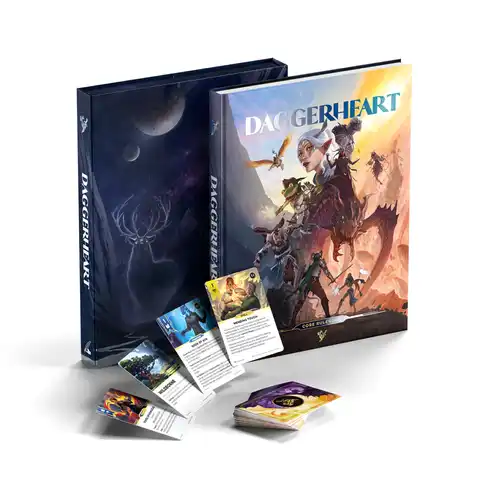
Best for character-driven heroic fantasy with emotional arcs, collaborative setting creation, and rolls that turn Hope and Fear into continuing narrative momentum.

Compare

How to choose the right Fantasy TTRPG

Choose by the job at the table. For fantasy TTRPGs, compare heroic power scale, magic level, exploration, tactical combat, politics, campaign support, and how much familiarity the group wants. If that sounds too abstract, ask what the game makes players decide in the first hour.

Use the top picks as contrasts. Cosmere RPG and Daggerheart are useful side-by-side because they show different ways this category can work. Draw Steel adds another angle, while Knave RPG helps test whether your table wants a different commitment level.

  • Cosmere RPG: Start with Cosmere RPG when you want a fantasy option that makes the category visible in play, not just in premise.
  • Daggerheart: Start with Daggerheart when you want a fantasy option that makes the category visible in play, not just in premise.
  • Draw Steel: Start with Draw Steel when you want a fantasy option that makes the category visible in play, not just in premise.
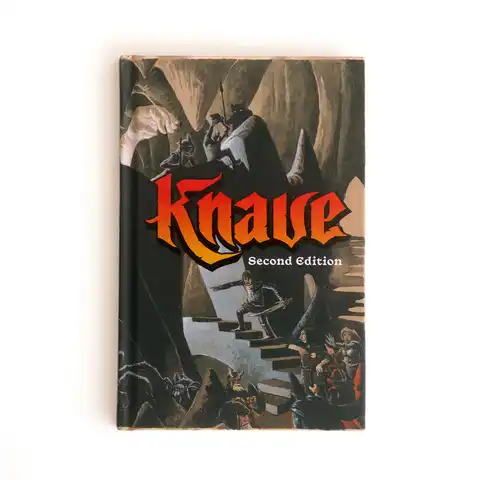
  • Knave RPG: Start with Knave RPG when you want a fantasy option that makes the category visible in play, not just in premise.

Match scope before rules. Some fantasy games are best as one-shots, some need a short arc, and some only reveal their strengths through campaign play. Decide that scope first, then choose the rules weight your group will actually tolerate.

FAQ

Questions players ask

Which fantasy TTRPG should my table try first?
Start with Cosmere RPG if you want the clearest first comparison point, then compare Daggerheart, Draw Steel, and Knave RPG based on heroic power scale, magic level, exploration, tactical combat, politics, campaign support, and how much familiarity the group wants. The right first pick is the one that makes your next session easiest to imagine and run.
How do I choose between fantasy games?
Compare heroic power scale, magic level, exploration, tactical combat, politics, campaign support, and how much familiarity the group wants. Pay special attention to what the game asks players to do repeatedly: solve tactical problems, improvise drama, manage scarce resources, investigate, build characters, or share authorship.
Are fantasy TTRPGs better for one-shots or campaigns?
That depends on the procedures. For one-shots, favor fast setup, immediate pressure, and a clear ending. For campaigns, look for advancement, changing relationships, faction or location pressure, downtime, and enough variety to keep the core activity interesting.
What should I check before pitching a fantasy TTRPG to my group?
A fantasy premise can hide enormous differences in play. Compare procedures before comparing settings. Also check rules weight, safety expectations, prep load, and whether the players are excited by the actual scenes the game creates rather than only the premise.
More to compare

More Fantasy TTRPGs to compare

Daggerheart

Daggerheart

Daggerheart approaches heroic fantasy through shared worldbuilding, card-based character options, and Hope-and-Fear outcomes. It suits campaigns that want expressive character arcs and cinematic momentum without making tactical procedure the main attraction.

Cosmere RPG

Cosmere RPG

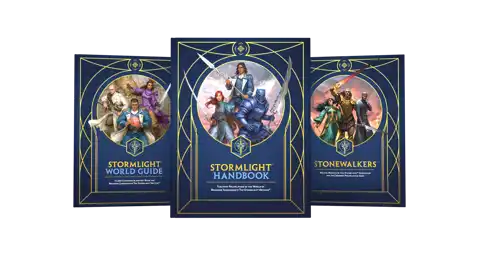
Cosmere RPG is Brotherwise and Dragonsteel's heroic fantasy TTRPG for Brandon Sanderson's shared universe, built on a d20 chassis with talent-tree advancement, skill-based Invested Arts, and Plot Die twists. The current line centers on Stormlight's Roshar, with Mistborn books expanding the same framework in Fall 2026.

EZD6

EZD6

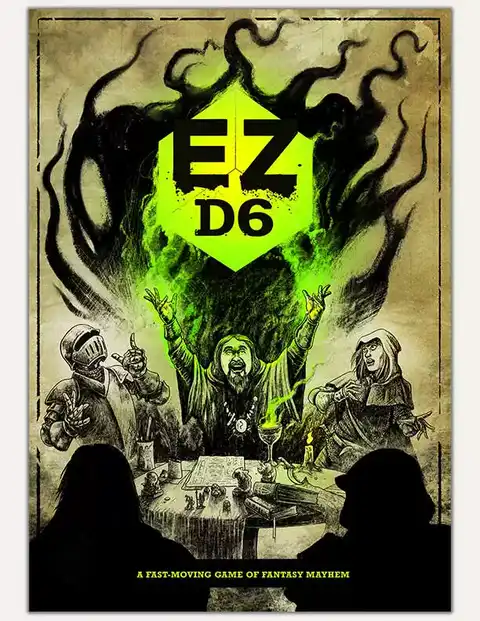
EZD6 is a fast fantasy TTRPG by DM Scotty and Runehammer Games, built around hero paths, quick d6 resolution, improvisational magic, and swingy low-friction adventure.

Pathfinder 2e

Pathfinder 2e

Pathfinder 2e takes heroic fantasy toward tactical precision. Its three-action economy, encounter math, feats, archetypes, spells, and equipment reward players who want the rules to make positioning, teamwork, and build choices matter.

Quest

Quest

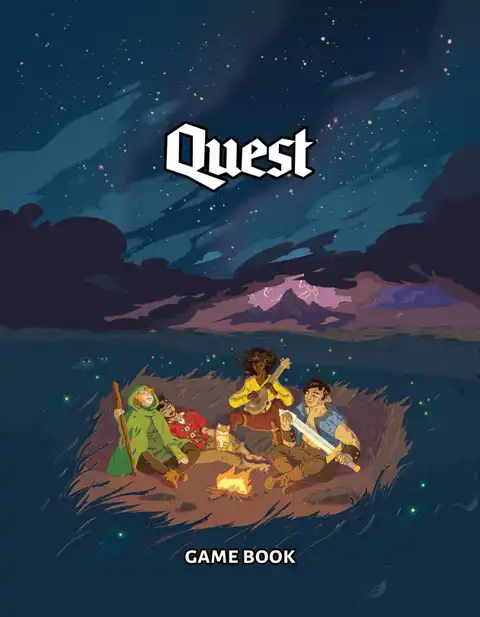
Quest is a free beginner-friendly fantasy TTRPG that trades modifier math and money tracking for fixed d20 outcomes, vivid role abilities, and one of the clearest onboarding paths in the hobby.

Hollows

Hollows

Hollows is Rowan, Rook and Decard's dark fantasy TTRPG of tactical many-vs-one boss fights, where Hunters enter rotten personal hells, wield Weapons built from humanity's worst instincts, and survive by coordinating every move.

Index Card RPG

Index Card RPG

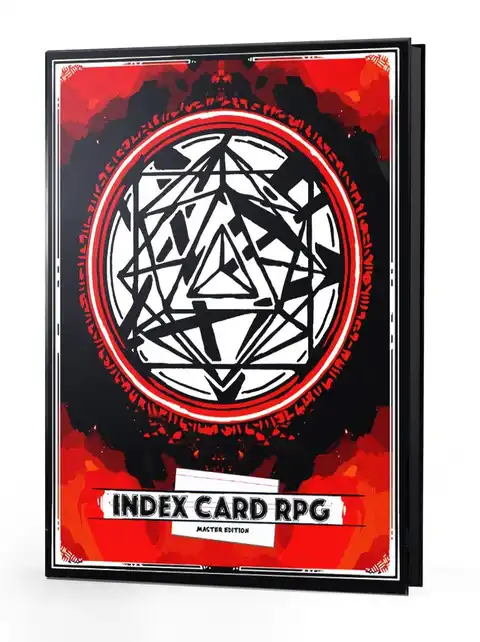
Index Card RPG: Master Edition is a fast, low-overhead d20 fantasy toolkit built around scene targets, timers, hearts, effort, and loot-driven character growth. It is strongest for GMs who want immediate table tools, quick onboarding, and a game they can bend across genres without losing momentum.

Dungeons & Dragons

Dungeons & Dragons

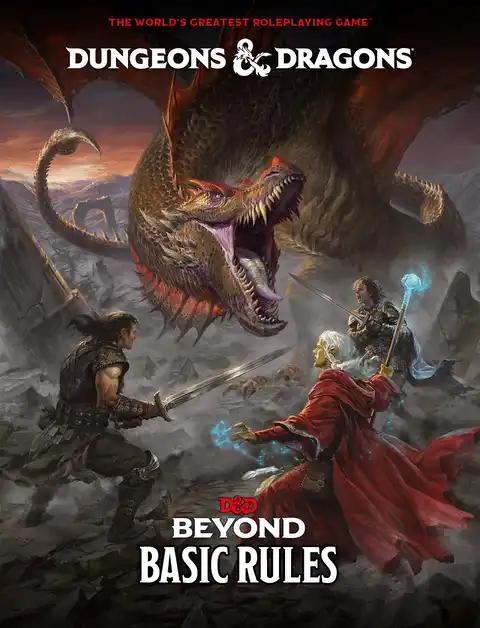
Dungeons & Dragons represents the modern class-and-level fantasy baseline: heroic parties, d20 resolution, spells, monsters, tactical encounters, and a support ecosystem broad enough to sustain almost any conventional campaign.

Keep browsing

Related categories