Top pick
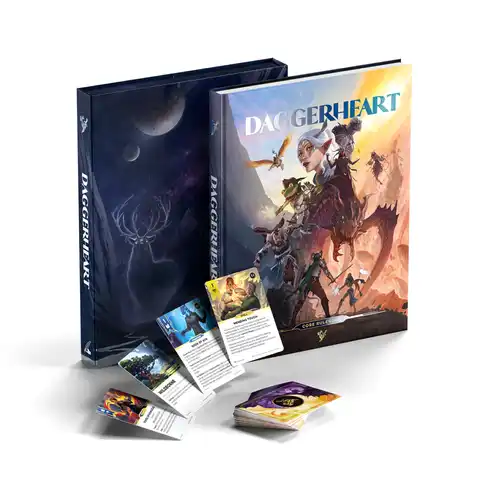
Daggerheart
Choose Daggerheart for cinematic fantasy with meaningful builds and encounter choices at a moderate learning cost.
Rules-medium TTRPGs are the middle lane: enough procedure for tactical or dramatic choices to matter, but not so much that system mastery becomes the whole hobby. Start with Legend of the Five Rings, Pathfinder 2e, Scum and Villainy, and Legend in the Mist as comparison points, then move down the list based on the kind of table need your group actually wants.
When comparing rules-medium games, look at how many subsystems players must learn, whether combat or downtime carries the weight, how much GM prep the rules assume, and whether advancement creates meaningful choices. Those details matter more than the tag itself, because two games can share a category while asking completely different things from the GM and players.
Use the top picks as anchors rather than treating the page like a simple popularity ranking. The goal is to answer the practical table question: which game will produce the kind of first session, campaign rhythm, and player buy-in your group is likely to enjoy?
Avoid treating rules-medium as automatically approachable; some games are easy to run but ask players to make many build or scene-framing decisions.
Quick starting points if you want the clearest expressions of what Rules-Medium games do well.
Choose Daggerheart for cinematic fantasy with meaningful builds and encounter choices at a moderate learning cost.
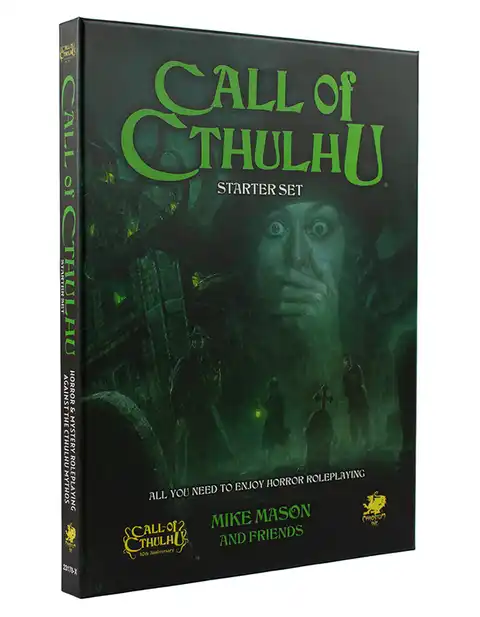
Choose Call of Cthulhu when investigation and fragile characters matter more than build optimization, but you still want detailed procedures.
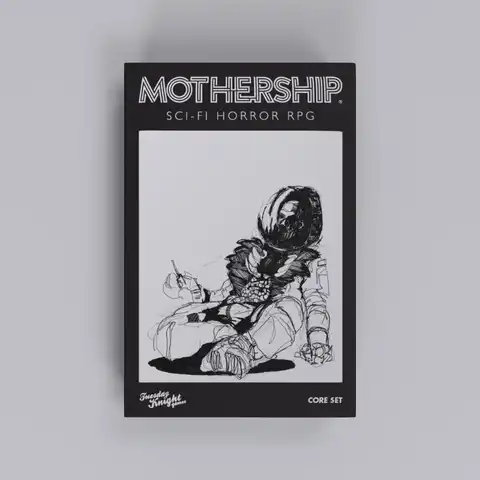
Choose Mothership for science-fiction horror that is quick to run but mechanically firmer than a rules-light story game.
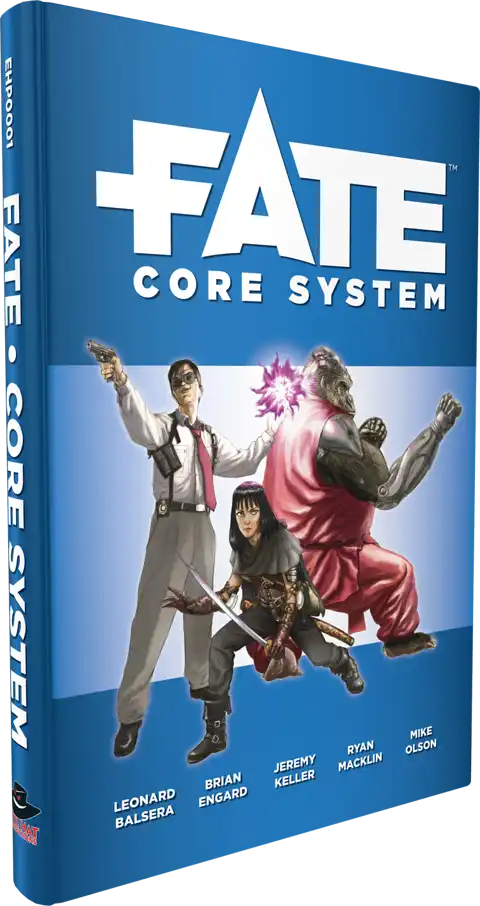
Choose Fate Core when you want a flexible narrative toolkit and your group enjoys negotiating fictional permissions and mechanical story leverage.
Daggerheart combines card-based character options, Hope and Fear dice, tactical ranges, and campaign progression without reaching the density of the heaviest fantasy systems.
Mothership balances a compact percentile core with stress, panic, combat, survival, and scenario procedures that give horror play dependable structure.
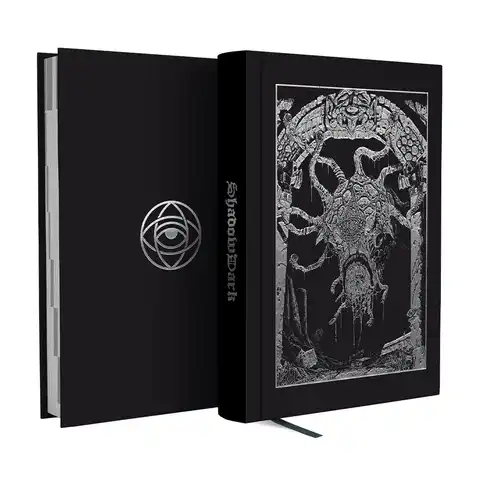
ShadowDark is a class-based dark-fantasy dungeon crawler by Kelsey Dionne and The Arcane Library. It combines old-school expedition pressure with modern usability, real-time torch timers, risky magic, and fast rulings for groups that want dangerous crawls without a huge rules burden.
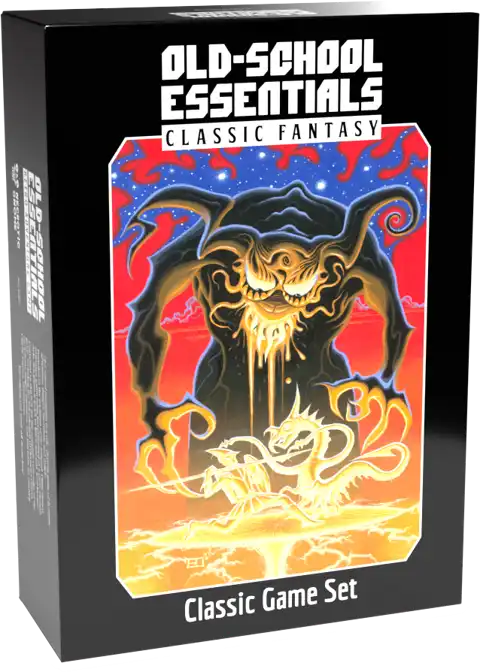
Old-School Essentials is Gavin Norman and Necrotic Gnome's faithful B/X fantasy retroclone: dangerous exploration, treasure-driven advancement, and huge compatibility with classic adventures, all presented in one of the clearest old-school rule layouts on the market.
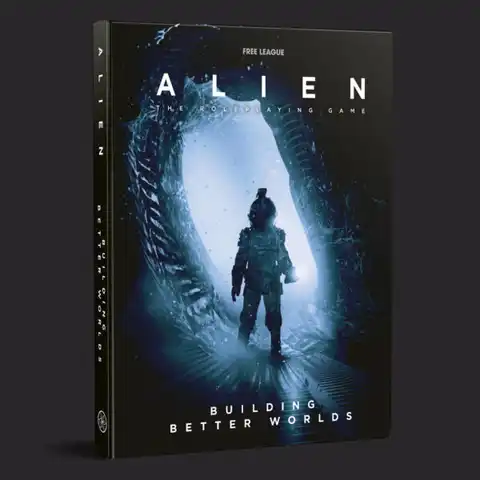
Alien is Free League's official sci-fi horror TTRPG, now centered on the Evolved Edition line: stress and panic, hidden agendas, lethal missions, and campaign books that support both cinematic one-shots and harsher frontier play.
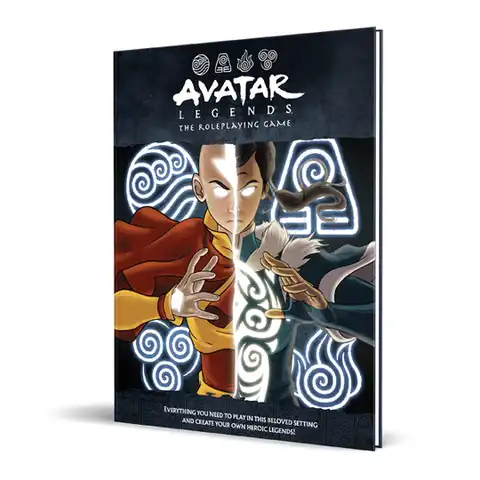
Avatar Legends is Magpie Games' officially licensed Avatar TTRPG: a Powered by the Apocalypse game of young heroes, elemental action, balance, responsibility, and relationship-driven adventure across the Four Nations.

Ten Candles is Stephen Dewey's tragic horror TTRPG about doomed survivors making meaning in a sunless world. Its candle countdown, shared narration, and fixed fatal ending make it strongest as a focused one-shot for groups that want atmosphere and emotional escalation more than tactical survival.
Dread is a host-led horror TTRPG that swaps dice for a tumbling-block tower, turning every risky action into visible table tension. It is one of the strongest choices for one-shot horror, slasher, and survival scenarios, but it is a poor fit for campaign-minded groups or players who hate dexterity pressure.
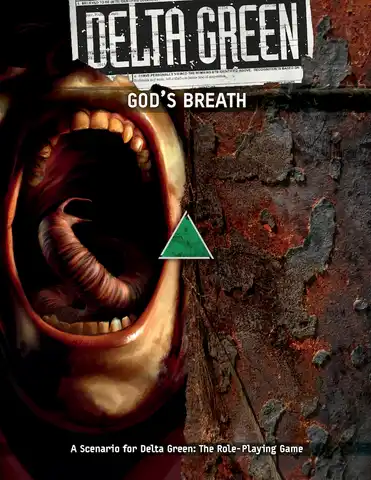
Delta Green is modern conspiracy horror about agents investigating the unnatural, burying the evidence, and watching the mission damage their sanity, relationships, and careers.
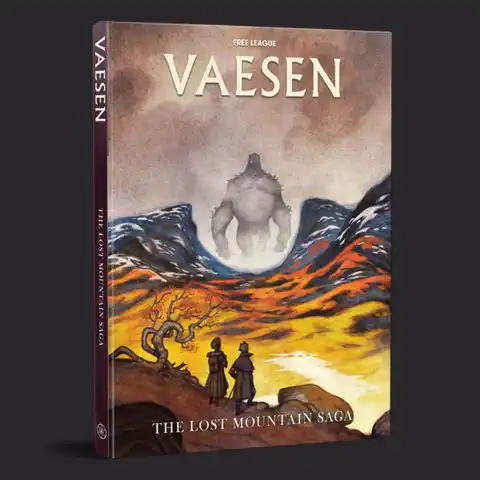
Vaesen is a Gothic folkloric horror TTRPG about investigators with the Sight solving supernatural cases in a mythic nineteenth-century Scandinavia. It is strongest when a group wants mysteries, moral pressure, and recurring Society play rather than combat-first monster hunting.
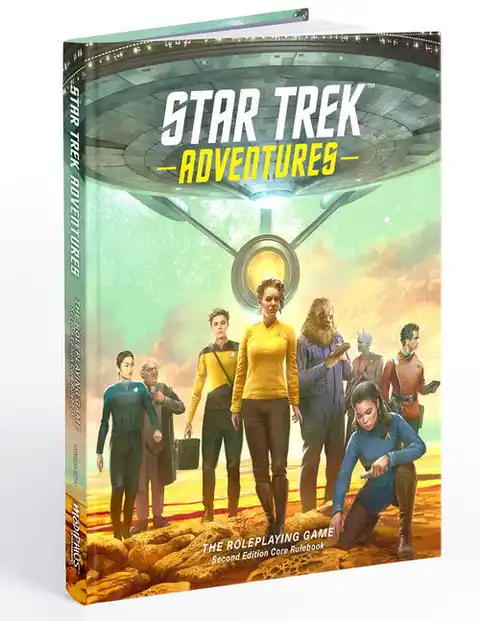
A medium-crunch licensed TTRPG that makes Star Trek exploration, diplomacy, bridge teamwork, and mission-based sci-fi problem-solving the core loop rather than just the setting skin.
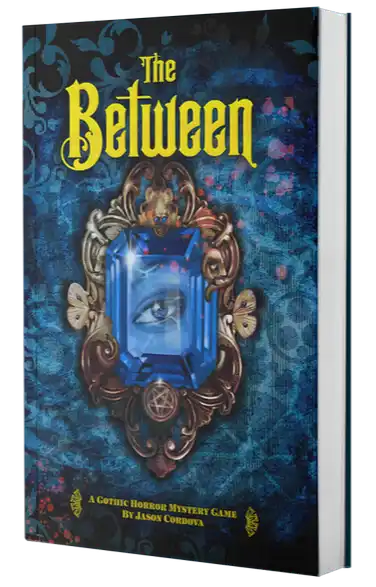
A gothic supernatural investigation TTRPG about mysterious hunters at Hargrave House confronting monstrous threats in Victorian London through Carved from Brindlewood mystery play.
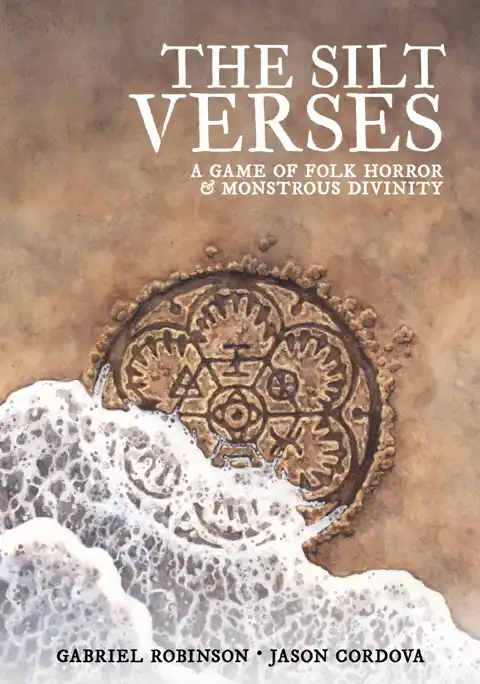
A folk-horror investigation TTRPG of stray gods, indebted Custodians, and monstrous divinity, using Carved from Brindlewood mystery play inside the world of The Silt Verses audio drama.
Call of Cthulhu uses a substantial percentile skill system, sanity, investigation, and combat procedures while keeping the basic roll-under logic consistent.
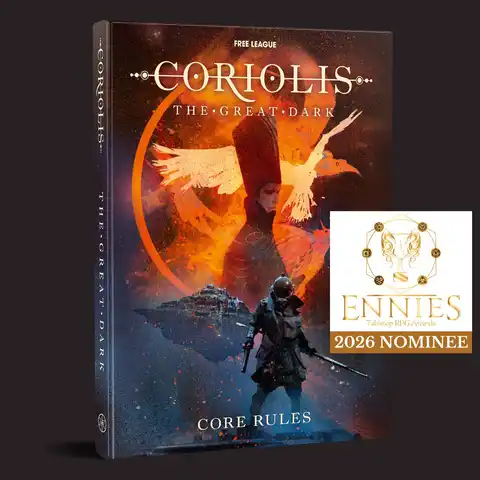
Coriolis: The Great Dark fits rules-medium tables because the Year Zero Engine core is straightforward, but crews, talents, expeditions, travel, hazards, and campaign procedures add meaningful structure.
Crown & Skull is Runehammer's no-stats, no-HP fantasy TTRPG, built around point-buy characters, player-facing d20 rolls, skill-and-gear attrition, and emergent exploration in the North Holds.
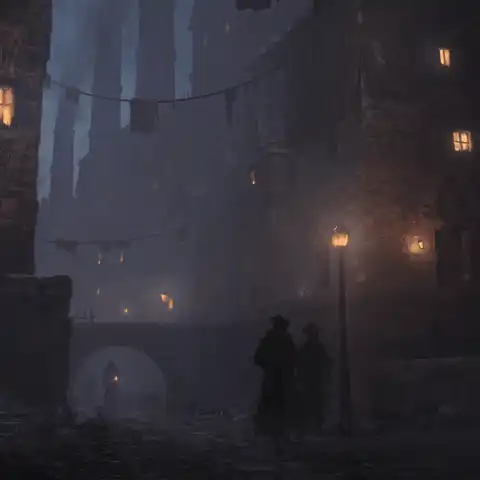
Hollows is Rowan, Rook and Decard's dark fantasy TTRPG of tactical many-vs-one boss fights, where Hunters enter rotten personal hells, wield Weapons built from humanity's worst instincts, and survive by coordinating every move.

Fight With Spirit sits in rules-medium territory: the card procedures and match phases are more involved than rules-lite freeform, but they serve drama rather than tactical crunch.
WARDEN belongs in Rules Medium because it keeps d20 plus modifier familiar while asking the table to learn classless builds, six proficiencies, setting alterations, and Campaign Map pressure.
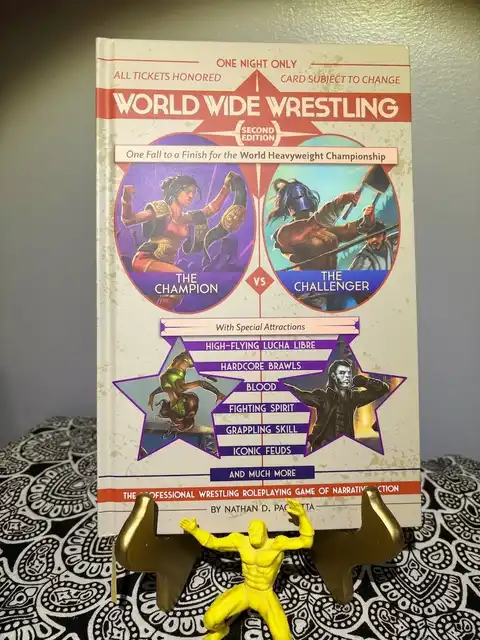
World Wide Wrestling sits in Rules Medium: the 2d6 move core is approachable, but Heat, Audience, Gimmicks, Role moves, injuries, booking, advancement, and Promotion play add real procedure.
Cloudbreaker Alliance belongs in Rules Medium because it adds tactical combat, classes, Jobs, Bits, Weak Points, and relationship rules while keeping the core resolution and campaign loop readable.
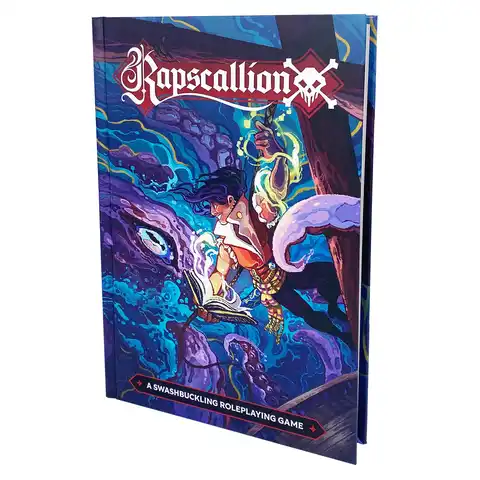
Rapscallion fits Rules Medium because the PbtA move core is approachable, but ship playbooks, vices, Fates procedures, faction pressure, and campaign map tools add meaningful handling weight.
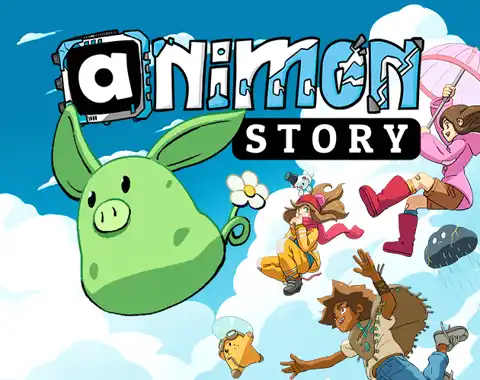
Animon Story is a medium-rules fit: it is easy to teach and uses d6 pools, but Animon creation, bond strain, evolution tiers, and campaign support give it more structure than a very light one-shot game.
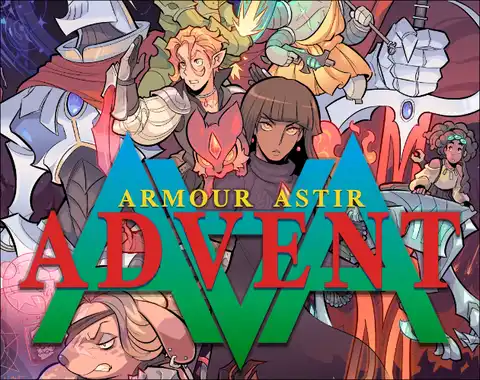
Armour Astir: Advent is a high-fantasy PbtA mecha TTRPG about rebel pilots, support crew, diplomats, spies, and magical Astirs fighting an oppressive authority.
Choose by the job at the table. For rules-medium TTRPGs, compare how many subsystems players must learn, whether combat or downtime carries the weight, how much GM prep the rules assume, and whether advancement creates meaningful choices. If that sounds too abstract, ask what the game makes players decide in the first hour.
Use the top picks as contrasts. Legend of the Five Rings and Pathfinder 2e are useful side-by-side because they show different ways this category can work. Scum and Villainy adds another angle, while Legend in the Mist helps test whether your table wants a different commitment level.
Match scope before rules. Some rules-medium games are best as one-shots, some need a short arc, and some only reveal their strengths through campaign play. Decide that scope first, then choose the rules weight your group will actually tolerate.