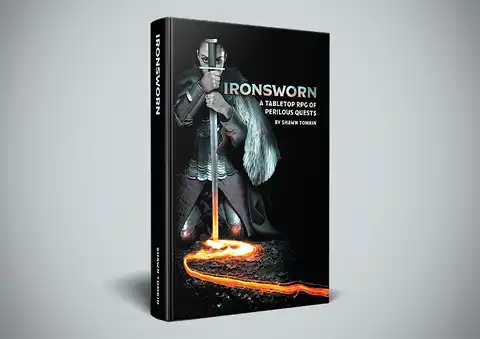
Top pick
Ironsworn
Best first stop for complete solo fantasy adventure with vows, oracles, progress tracks, and strong support for playing without a GM.
Solo TTRPGs replace the missing GM or table conversation with procedures that can surprise one player: oracles, moves, progress tracks, prompts, maps, journals, encounter tables, or structured uncertainty. Start with Ironsworn for a complete fantasy campaign engine, Ironsworn: Starforged for science-fiction exploration, The Wretched for focused survival horror, and Thousand Year Old Vampire for reflective journaling play.
Choose by the work you want the game to do. A purpose-built solo system supplies its own momentum and opposition; a GM emulator helps you adapt another TTRPG; a journaling game turns prompts into a personal record; and a procedural dungeon game emphasizes mapping, resources, and tactical decisions.
Compare oracle strength, interpretation load, journaling load, campaign support, and whether the same rules also support co-op or guided play. Solo does not automatically mean easy: some games carry the structure for you, while others ask one player to manage pacing, worldbuilding, and tone.
Quick starting points if you want the clearest expressions of what Solo Play games do well.
Best first stop for complete solo fantasy adventure with vows, oracles, progress tracks, and strong support for playing without a GM.
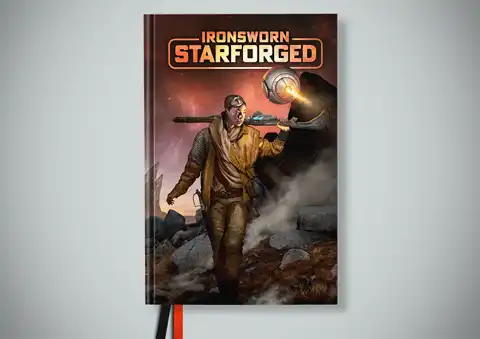
Starforged is the strongest featured pick for players who want a complete solo science-fiction campaign. Its oracles, sector generation, progress tracks, connections, and expedition procedures keep a long-running space story moving without a GM.
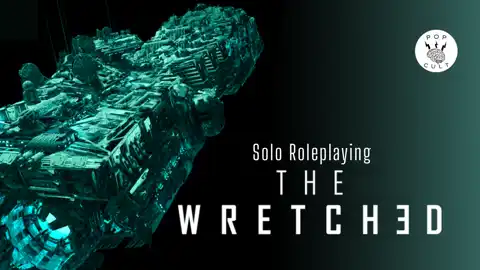
Best for focused solo survival horror, physical tension, isolation, recordings, and a clear end-state pressing on every prompt.
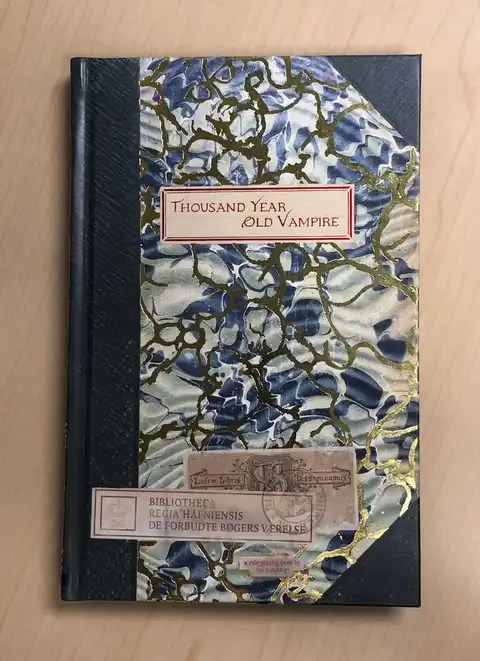
A benchmark solo journaling design for memory loss, identity drift, and one-player gothic tragedy.
Solo play is not one method. Choose a complete solo game when you want the rules to generate a campaign, a journaling game when reflection is the main pleasure, or an emulator when you want to play a group-focused TTRPG alone.
| If you want... | Start with | Why it fits | Also compare |
|---|---|---|---|
| A complete solo fantasy campaign with strong procedures | Ironsworn | Vows, oracles, progress tracks, moves, and world prompts provide direction without a separate GM emulator. | Mythic if you want to solo a game you already own. |
| Science-fiction exploration, ships, and frontier vows | Ironsworn: Starforged | Sector generation, discoveries, expeditions, connections, and progress tracks support a full solo space campaign. | Science Fiction. |
| A focused journaling game about memory and identity | Thousand Year Old Vampire | Prompts, memories, losses, and long spans of time create a complete story without tactical scenes or an emulator. | Alone Among the Stars for gentler exploration. |
| Solo survival horror with physical tension | The Wretched | Cards, recordings, isolation, and a tumbling tower create a compact pressure loop with a clear ending. | Horror and Survival. |
| A flexible oracle for another TTRPG | Mythic | Its fate questions, scene checks, and random events provide uncertainty while another game supplies characters and setting. | Solo Gamemaster's Guide. |
| A solo dungeon or old-school adventure frame | Scarlet Heroes | It gives one hero the durability and procedures needed to tackle adventures built around old-school exploration. | Four Against Darkness for procedural dungeon generation. |
If you are new to solo play, start with a purpose-built solo game. If you already know and love another TTRPG, an emulator can preserve that system while supplying uncertain answers and scene turns. The tradeoff is interpretation: tools give you freedom, but they ask you to turn abstract prompts into specific events.
Journaling can mean anything from a few bullet points to a full fictional diary. Pick a game whose expected record matches your energy. You can often shorten the writing, but a game built around memory or voice will feel different if you remove it entirely.
Start here: Read the solo TTRPG guide for a simple play method, oracle advice, and a first-session checklist, then return here to compare the full catalog.
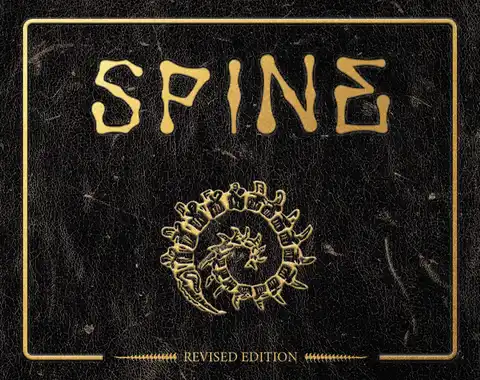
SPINE is built for Solo Play: one reader/player follows the book's prompts, annotates or damages the text, and manages absorption without a GM or group.
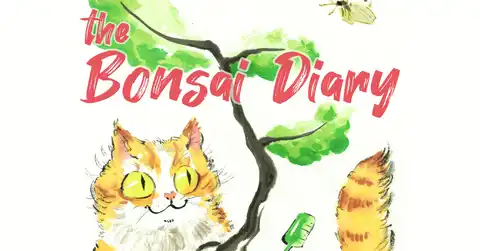
The Bonsai Diary is purpose-built for one player: prompts, tracing, and page-by-page drawing carry the whole experience without a GM or table.

Pirouette is purpose-built for one player: tarot prompts, routine checks, exhaustion, and the block tower carry the whole performance without a GM or group.
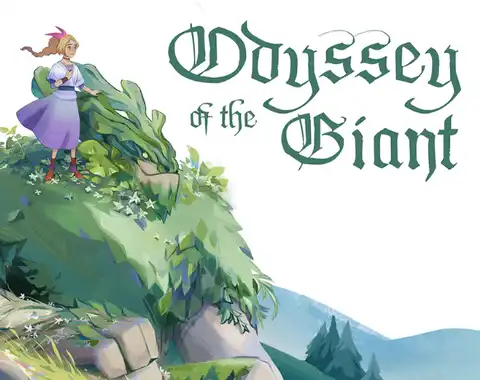
Odyssey of the Giant is purpose-built for one player: dice, hexes, tables, camp procedures, and the Caretaker's bond with the giant replace the need for a GM or party.
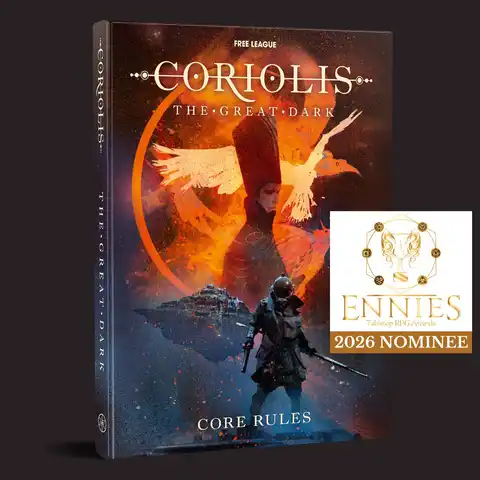
Coriolis: The Great Dark includes explicit solo tools in the core book, making solo exploration of the Lost Horizon an intended mode rather than an unofficial patch.
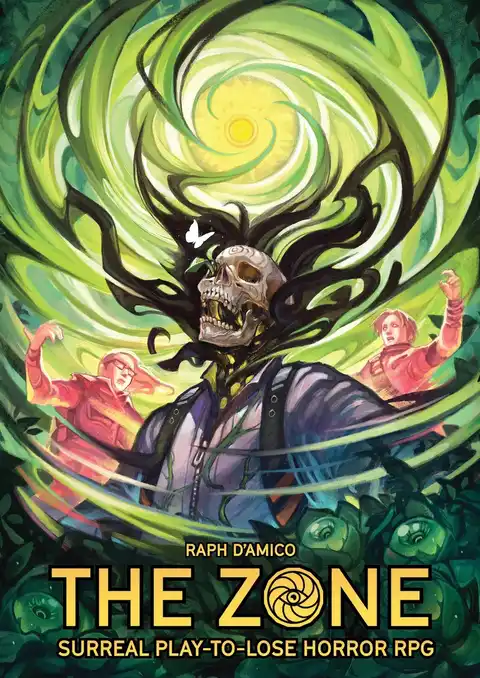
The Zone supports Solo Play because the official player count starts at one and the digital version can guide a single player through the doomed expedition structure.
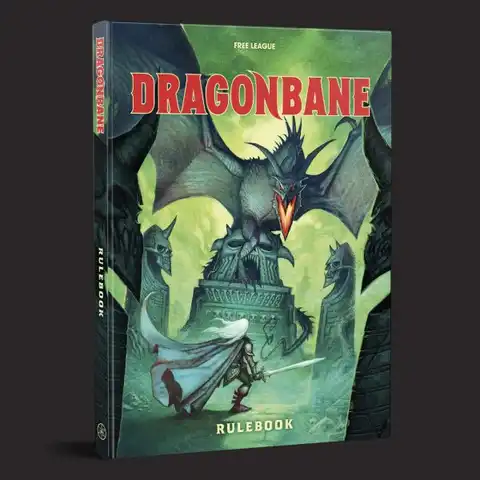
Dragonbane pairs its fast roll-under fantasy rules with official solo support, giving one player a structured way to explore, fight, and test the system without assembling a full party.
Ironsworn is the clearest all-purpose solo starting point: vows establish direction, moves resolve uncertainty, progress tracks pace goals, and oracles create discoveries. It also supports co-op and guided play.
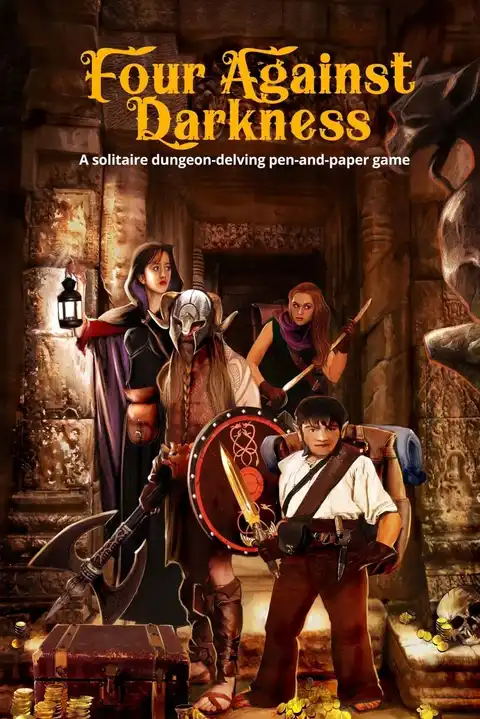
Four Against Darkness is a procedural dungeon crawler in which one player controls a party, generates rooms, and manages attrition. Pick it when mapping and tactical resource play matter more than character journaling.
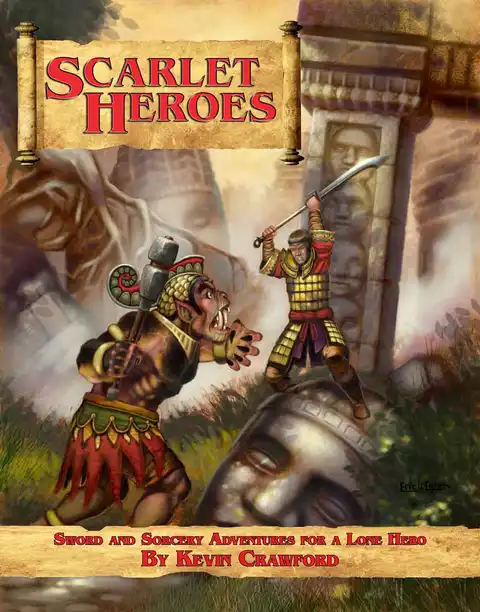
Scarlet Heroes belongs in solo play because it gives one hero the survivability, fray damage, and adventure procedures needed to run B/X-shaped material without party math or a separate oracle stack.
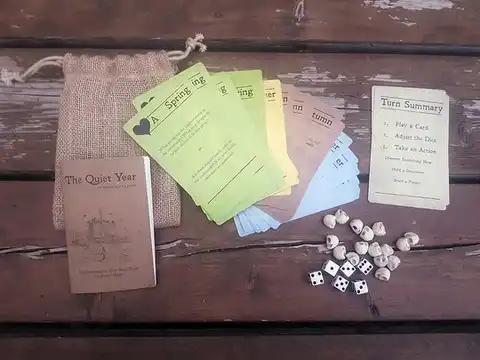
A Quiet Year can support reflective solo mapmaking when one player wants to watch a community develop through prompts and difficult collective choices. It is less character-centered than most solo adventure games.

A Torch in the Dark compresses Forged in the Dark ideas into a solo dungeon crawl. Use it for dangerous expeditions, escalating pressure, and a compact loop that gives one player clear forward motion.
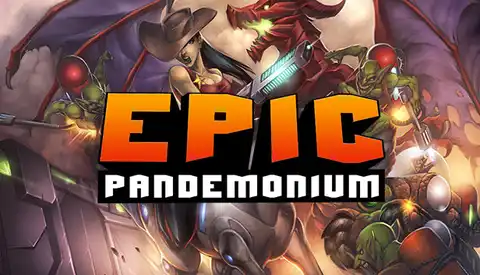
Aether & Iron offers solo play through strategic choices, faction pressure, and a steampunk setting shaped by class conflict. Compare it when you want more structured decision-making than freeform journaling.

Alone Among the Stars is a light journaling game about visiting strange planets and recording memorable discoveries. It is an approachable first solo game when wonder matters more than campaign advancement.
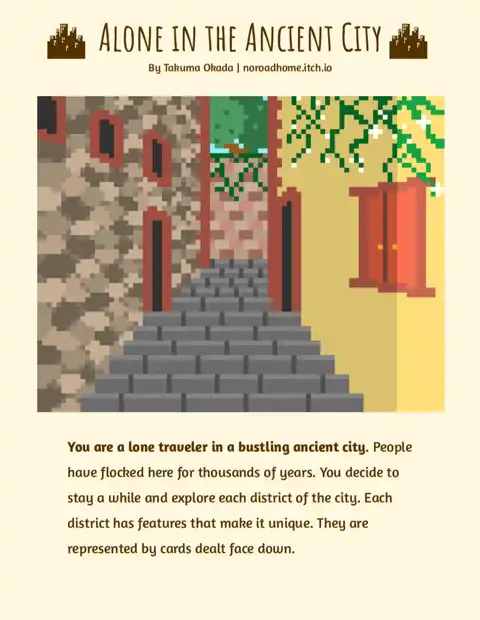
Alone in the Ancient City turns urban exploration into a quiet solo journal. Choose it when observing places, people, and small details sounds more appealing than combat or a large campaign engine.
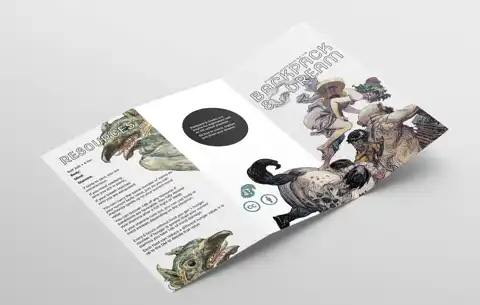
Backpack & Dream favors drifting, introspective solo play in which travel and reflection matter more than tactical conflict. It suits players who enjoy interpreting evocative prompts at an unhurried pace.
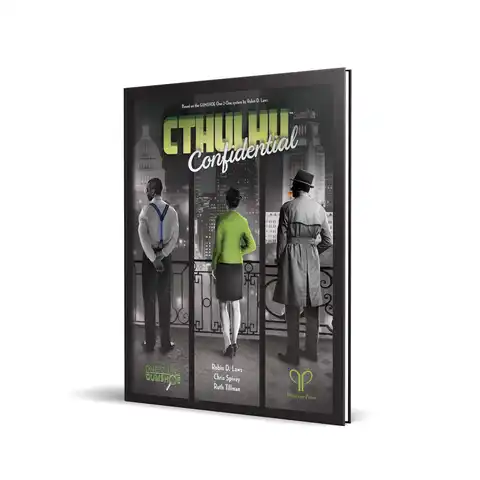
Cthulhu Confidential is designed for one GM and one player rather than fully GM-less play. Its investigative structure suits a duo that wants noir cases, capable protagonists, and fewer stalled clues.
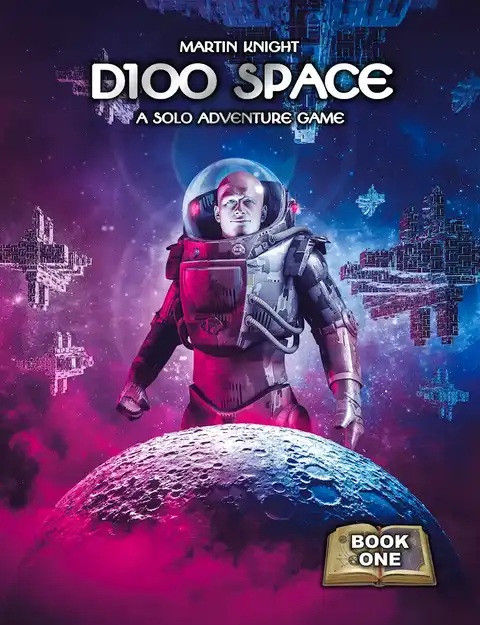
D100 Space supports a long solo science-fiction campaign through exploration, trade, missions, character advancement, and procedural events. It suits players who want a substantial game rather than a short journaling experience.
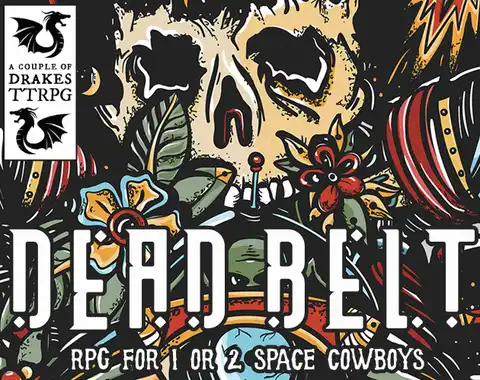
Dead Belt is a solo or co-op game of salvaging derelict spacecraft under constant pressure. Its compact procedures are a good fit for players who want dangerous jobs, resource decisions, and emergent space stories.
Starforged is the strongest featured pick for players who want a complete solo science-fiction campaign. Its oracles, sector generation, progress tracks, connections, and expedition procedures keep a long-running space story moving without a GM.
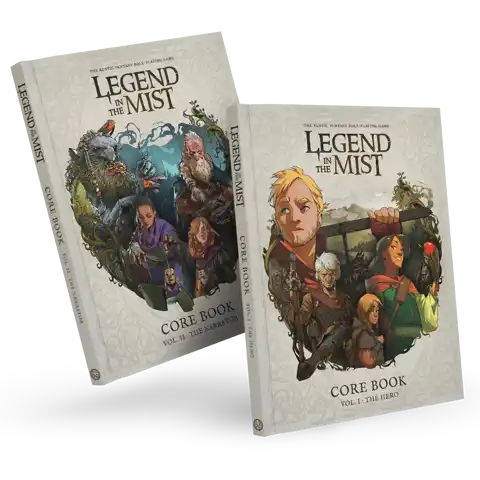
Legend in the Mist belongs in solo play because the core book includes solo and co-op support, letting the same tag-and-consequence fantasy work outside a standard full table.
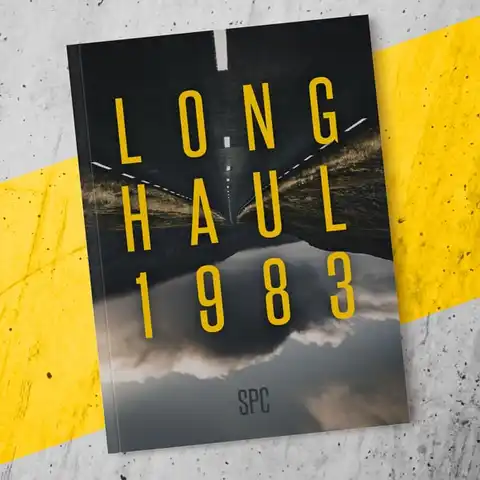
Long Haul 1983 is a focused solo journaling game about survival, loneliness, and an empty road. Choose it for a strong voice and contained premise rather than an open-ended fantasy campaign.
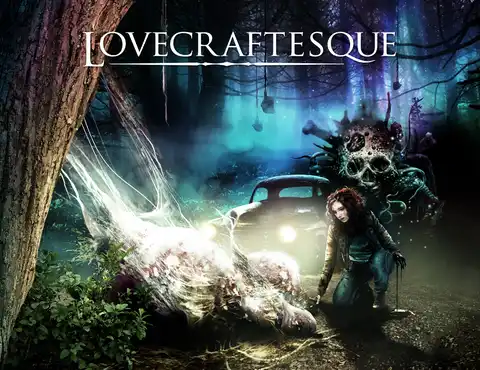
Second Edition includes a dedicated solo mode in which the cards supply prompts and structure for one player to follow a Witness into an original cosmic-horror mystery.
Rules-lite games are easier to run alone because the player can keep the fiction moving without managing many subsystems.
Many solo games use scarcity, isolation, danger, and endurance as pressure because those stakes work well for one player.
Solo play often benefits from compact arcs, sharp prompts, and games that can complete a meaningful session quickly.
Narrative-driven games fit solo play when prompts, character choices, and interpretation create surprise without a full group.