Top pick
Lancer
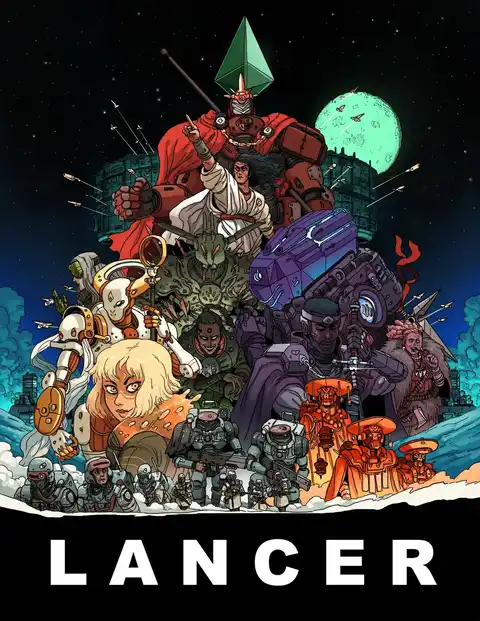
Best for tactical mech combat, deep builds, mission structure, and science-fiction campaigns where the fights are a major feature.
Science-fiction TTRPGs cover survival horror, space opera, hard sci-fi, cyberpunk, exploration, military campaigns, and weird speculative premises. Start with Lancer, Mothership, Stars Without Number RPG, and Traveller as comparison points, then move down the list based on the kind of genre your group actually wants.
When comparing science fiction games, look at ship play, tech level, alien life, exploration, politics, danger, and whether the rules support the specific sci-fi mode your group wants. Those details matter more than the tag itself, because two games can share a category while asking completely different things from the GM and players.
Use the top picks as anchors rather than treating the page like a simple popularity ranking. The goal is to answer the practical table question: which game will produce the kind of first session, campaign rhythm, and player buy-in your group is likely to enjoy?
Sci-fi is not one genre at the table. Pick the procedures that match the campaign's main activity.
Quick starting points if you want the clearest expressions of what Science Fiction games do well.
Best for tactical mech combat, deep builds, mission structure, and science-fiction campaigns where the fights are a major feature.
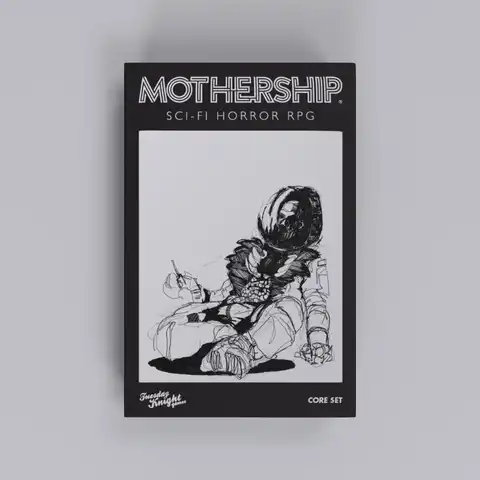
Best for blue-collar sci-fi horror where stress, survival, bad decisions, and industrial space danger drive play.
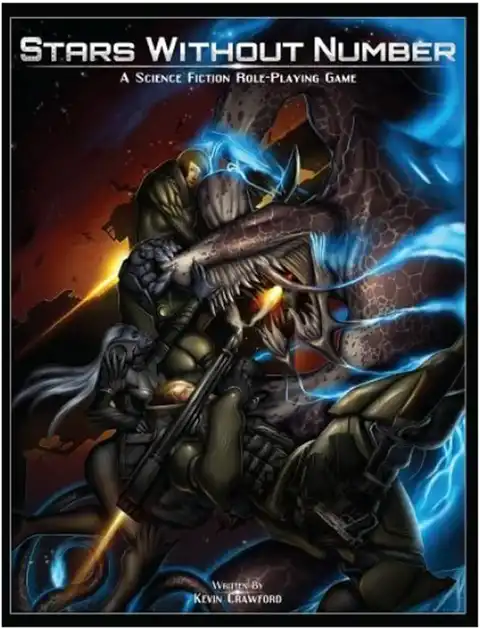
Best for sandbox sector play with strong GM tools, faction pressure, old-school procedures, and flexible science-fiction adventure.
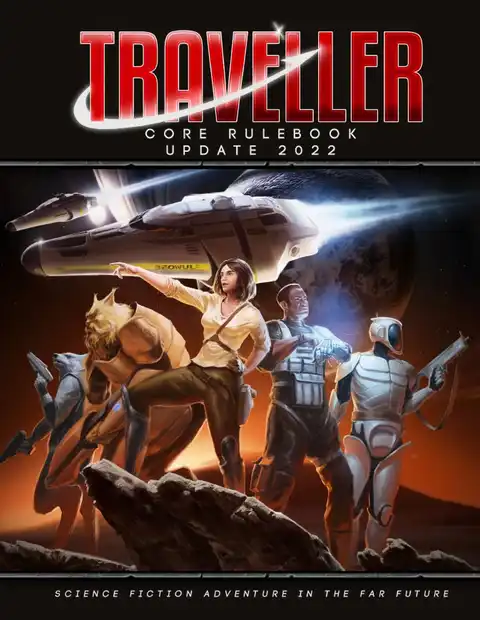
Best first stop for classic open-ended science fiction: ships, trade, travel, patrons, strange worlds, and sandbox problem solving.
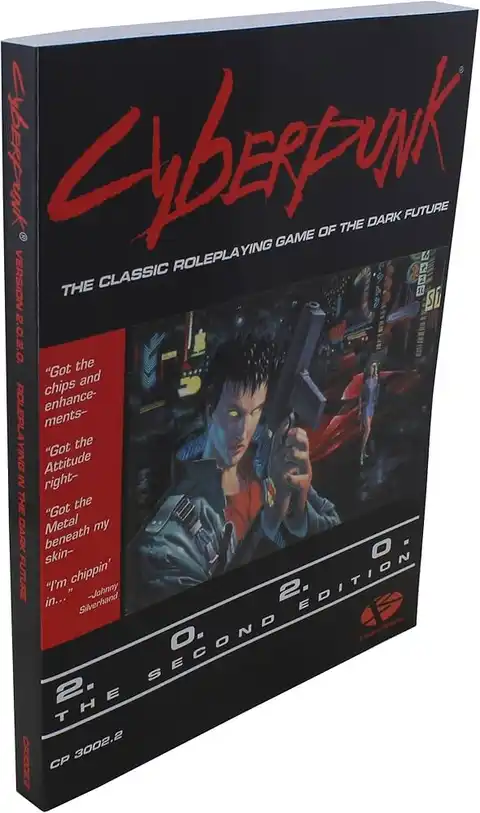
Cyberpunk 2020 is science fiction focused on near-future technology, cybernetics, networks, weapons, and urban systems rather than space opera. Its speculative tech changes bodies, labor, crime, and identity at the table.
Use Mothership when your table wants science fiction play to shape real choices. It is most worth comparing for ship play, tech level, alien life, exploration, politics, danger, and whether the rules support the specific sci-fi mode your group wants. Step aboard the desolate, dark confines of space in Mothership, a sci-fi horror RPG where players navigate...
Traveller is the classic open-ended science-fiction sandbox: lifepath crews, starships, trade, exploration, local politics, and practical risk across a large interstellar society.
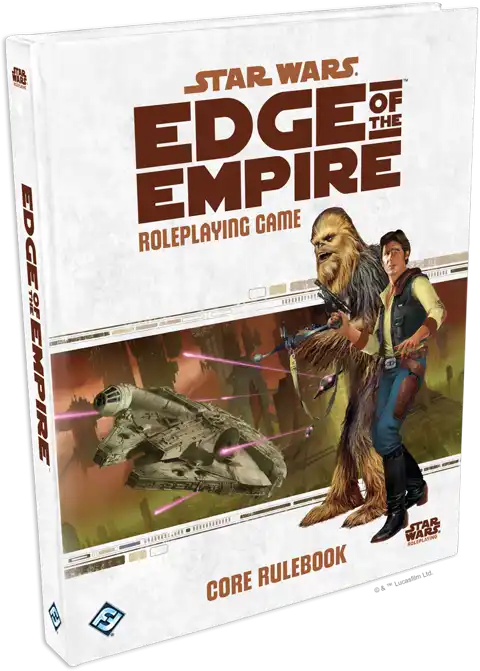
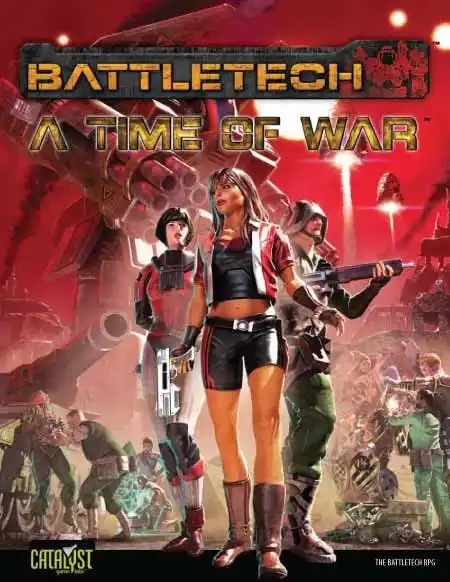
Use Battletech when your table wants science fiction play to shape real choices. It is most worth comparing for ship play, tech level, alien life, exploration, politics, danger, and whether the rules support the specific sci-fi mode your group wants. BattleTech RPG (also known as MechWarrior: A Time of War) plunges players into the far-future universe of...
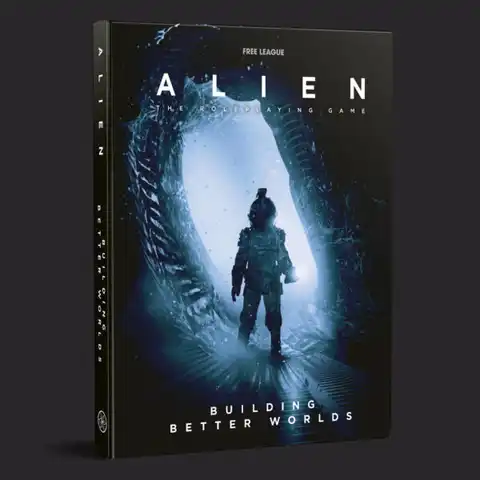
Use Alien when your table wants science fiction play to shape real choices. It is most worth comparing for ship play, tech level, alien life, exploration, politics, danger, and whether the rules support the specific sci-fi mode your group wants. Alien RPG is Free League’s cinematic sci-fi horror TTRPG, built for stress, panic, corporate betrayal,...
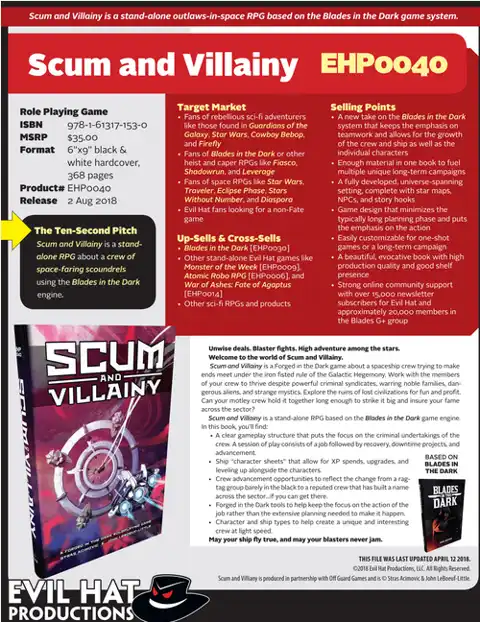
Scum and Villainy is built for a crew taking risky jobs across a pressured sector. Choose it when ship identity, faction entanglements, flashbacks, stress, and fast space-opera complications matter more than technical simulation.
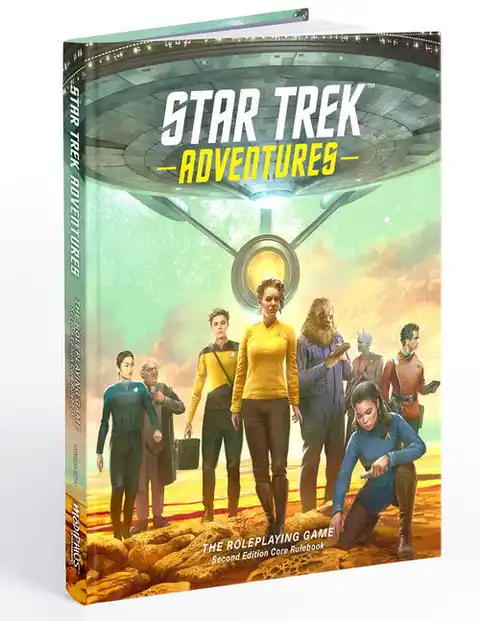
Star Trek Adventures is a strong science-fiction pick when your table wants diplomacy, problem-solving, and bridge-crew procedure to matter as much as firefights. It fits best for optimistic exploratory campaigns where strange phenomena, alien cultures, and institutional duty generate the weekly mission.
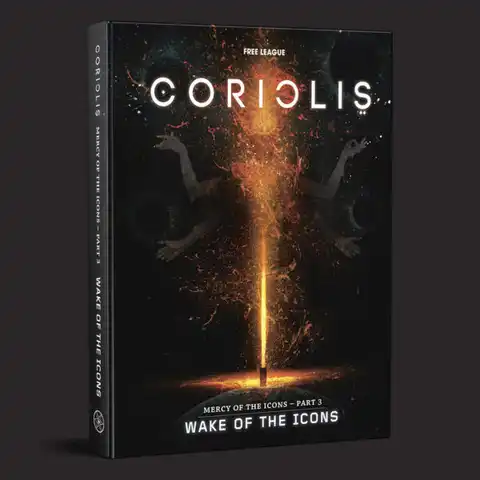
Use Coriolis when your table wants science fiction play to shape real choices. It is most worth comparing for ship play, tech level, alien life, exploration, politics, danger, and whether the rules support the specific sci-fi mode your group wants. Embark on a spacefaring adventure in Coriolis, a sci-fi tabletop RPG set in a universe of ancient mysteries...
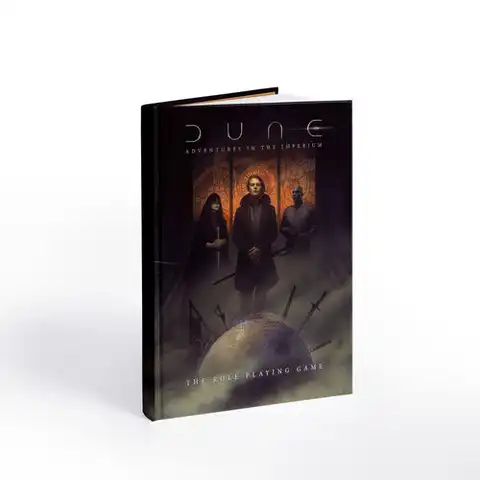
Dune belongs here because its science fiction is not just surface dressing over generic adventure. Spice economics, shield technology, mentats, Bene Gesserit influence, and the structure of the Imperium all change what problems matter and how characters pursue power.
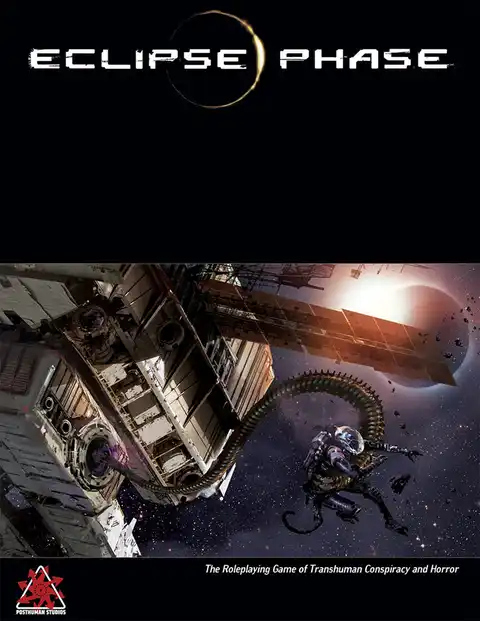
Eclipse Phase belongs in science fiction when your table wants that label to matter in play instead of only in browsing. Eclipse Phase is a transhuman science-fiction TTRPG of conspiracies, body-swapping, and existential horror, built for groups that want big ideas and sharp consequences instead of uncomplicated heroics.
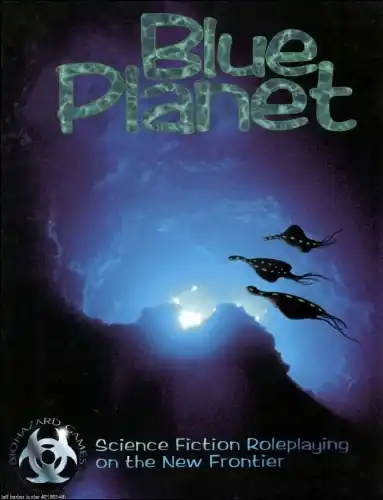
Blue Planet: Recontact belongs in science fiction when your table wants that label to matter in play instead of only in browsing. Blue Planet: Recontact is an ecologically focused hard-science-fiction game about frontier survival, colonial pressure, and the dangerous beauty of Poseidon, a distant ocean world.
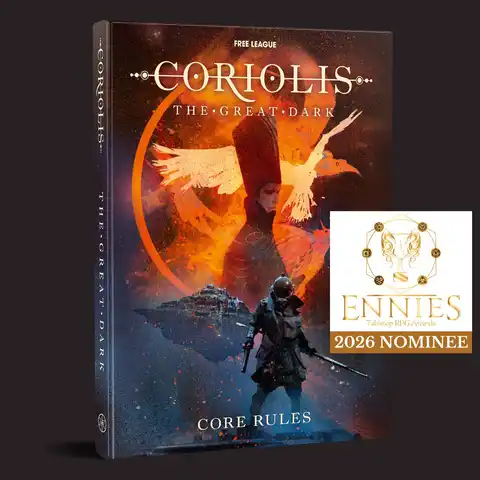
Coriolis: The Great Dark fits science fiction through Greatship travel, lost systems, artifact delves, Ship City politics, and a speculative survival premise where exploration changes the campaign's practical choices.
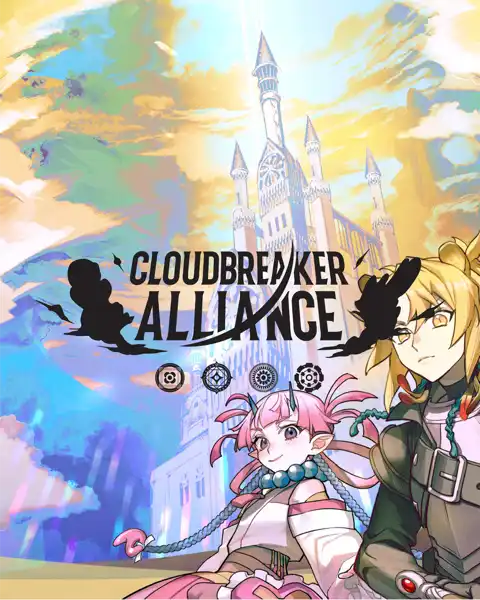
Cloudbreaker Alliance fits Science Fiction through its fallen civilizations, cloudbound geography, expedition tech, research procedures, and science-fantasy approach to discovering how monsters and the world actually work.
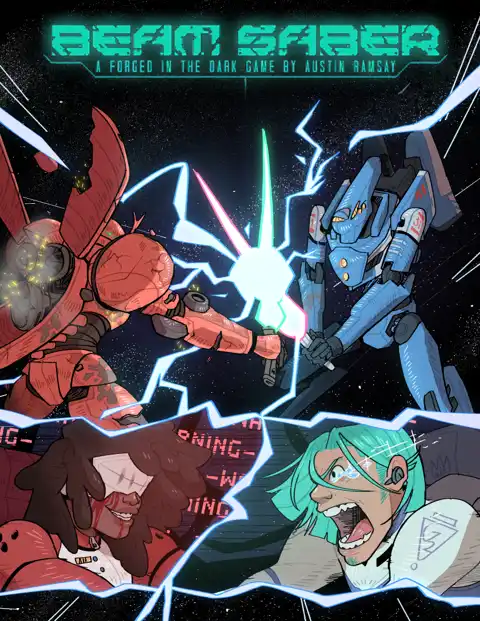
Beam Saber is science fiction through mechanized warfare, pilots, custom vehicles, faction pressure, and an endless interstellar conflict. Compare it when your table wants mecha drama without Lancer-style grid tactics.
Use Stars Without Number RPG when your table wants science fiction play to shape real choices. It is most worth comparing for ship play, tech level, alien life, exploration, politics, danger, and whether the rules support the specific sci-fi mode your group wants. Stars Without Number is a sandbox science-fiction RPG built for sector exploration, faction...
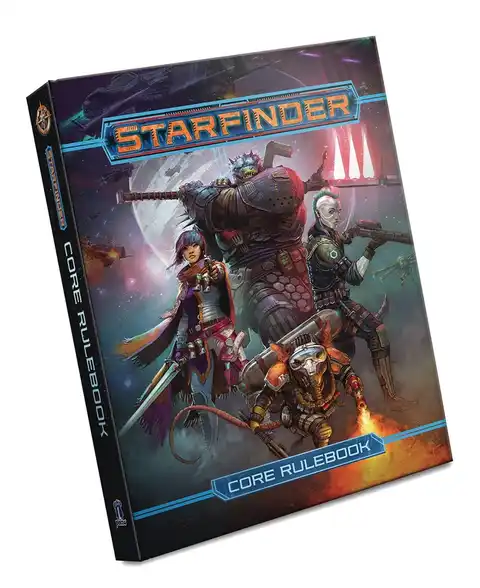
Starfinder offers science-fantasy through classes, gear, tactical encounters, starships, planets, and faction play. It fits groups that want a familiar d20 campaign structure with a loud galaxy-spanning setting.

Degenesis: Rebirth belongs in science fiction when your table wants that label to shape actual play. Degenesis: Rebirth is a free-to-play post-apocalyptic “Primal Punk” game of brutal cultures, cult politics, and survival in a shattered future Europe and North Africa.
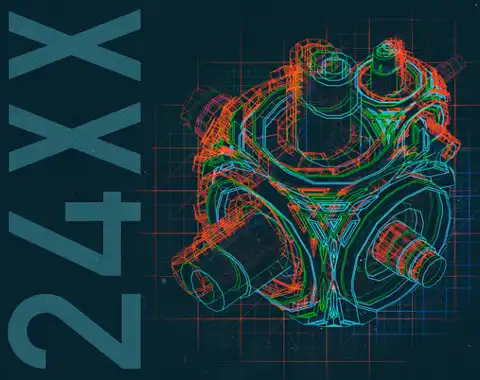
Use 24XX when your table wants science fiction play to shape real choices. It is most worth comparing for ship play, tech level, alien life, exploration, politics, danger, and whether the rules support the specific sci-fi mode your group wants. 24XX is a rules‑lite sci‑fi toolkit SRD: pick a die, roll high, keep play fast, and favor clear fictional...

Use Alone Among the Stars when your table wants science fiction play to shape real choices. It is most worth comparing for ship play, tech level, alien life, exploration, politics, danger, and whether the rules support the specific sci-fi mode your group wants. Alone Among the Stars is a rules‑lite solo journaling game about exploring strange worlds.
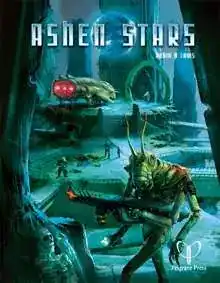
Use Ashen Stars when your table wants science fiction play to shape real choices. It is most worth comparing for ship play, tech level, alien life, exploration, politics, danger, and whether the rules support the specific sci-fi mode your group wants. Ashen Stars plunges players into a vibrant, galaxy-spanning universe as they assume the roles of elite...
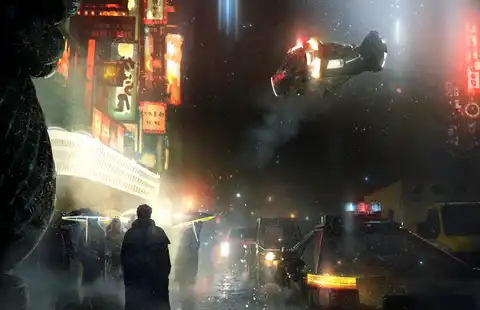
Use Blade Runner when your table wants science fiction play to shape real choices. It is most worth comparing for ship play, tech level, alien life, exploration, politics, danger, and whether the rules support the specific sci-fi mode your group wants. Blade Runner is a noir investigative RPG about identity, empathy, and moral pressure inside a...

Use Carbon 2185 when your table wants science fiction play to shape real choices. It is most worth comparing for ship play, tech level, alien life, exploration, politics, danger, and whether the rules support the specific sci-fi mode your group wants. Carbon 2185 is a cyberpunk RPG of augmentations, corporations, guns-for-hire jobs, and neon-drenched...
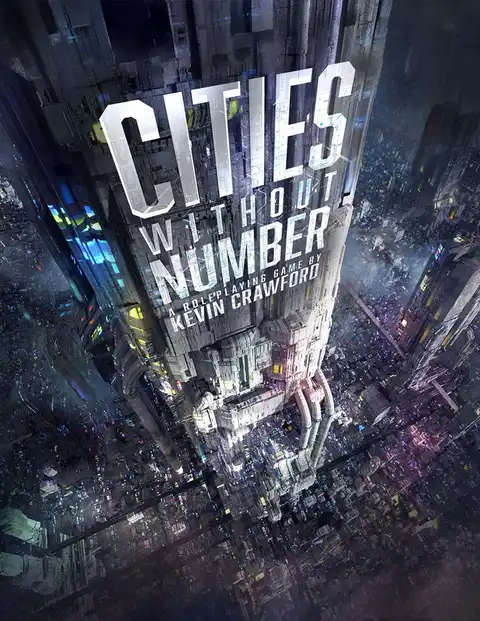
Cities Without Number fits science fiction through near-future tech, drones, cyberware, hacking, corporate power, and speculative urban systems, but its real value is showing how sci-fi procedures can drive an open campaign rather than a fixed mission path.
The best science-fiction TTRPG for your table depends less on the genre label than on what the campaign should repeatedly ask players to do. A ship-crew sandbox, horror scenario, mech operation, cyberpunk job, and diplomatic space-opera campaign all need different procedures.
| If your table wants... | Start with | Why it fits | Go deeper |
|---|---|---|---|
| Ships, patrons, trade, travel, and open-ended sector play | Traveller | Jobs, routes, worlds, character history, and consequences create a durable crew-driven campaign. | Stars Without Number for stronger modern sandbox tools. |
| Blue-collar space horror and industrial danger | Mothership | Stress, panic, fragile characters, and hostile environments keep every job tense without heavy rules overhead. | Horror and Alien. |
| Sector sandboxes with factions and GM support | Stars Without Number | Its tools build systems, conflicts, missions, factions, and consequences around an old-school adventure chassis. | OSR. |
| Tactical mech missions with deep builds | Lancer | Narrative downtime and crunchy mech operations give tactical fights a clear place in the campaign loop. | Military. |
| Colorful d20 science-fantasy adventure | Starfinder | Classes, advancement, tactical encounters, aliens, starships, and magic-adjacent technology provide a familiar structure. | Space Opera. |
| Exploration, diplomacy, and a recognizable franchise | Star Trek Adventures | Crew roles, values, missions, and institutional responsibilities reinforce the tone of exploratory television science fiction. | Space Opera. |
| Street-level technology, corporations, and body modification | Cyberpunk Red | Money, power, surveillance, violence, and survival narrow science fiction to a corporate urban future. | Cyberpunk 2020 versus Cyberpunk Red. |
| A full science-fiction campaign without a GM | Ironsworn: Starforged | Oracles, sectors, expeditions, connections, and progress tracks sustain solo or co-op frontier play. | Solo Play. |
If the campaign is about crews taking jobs, start with Traveller or Stars Without Number. If it is about fear and survival, start with Mothership or Alien. If it is about tactical missions, start with Lancer. If it is about political scale and operatic adventure, browse Space Opera. If it is about corporate streets and altered bodies, browse Cyberpunk.
Space travel is only one lane. Cyberpunk, post-apocalyptic survival, weird science-fantasy, hard-science exploration, mech combat, time travel, and alien horror all belong here when technology or speculative change reshapes the decisions at the table.
Start here: Use the science-fiction TTRPG guide for a shorter editorial shortlist, then return to this page to browse the full catalog by campaign fit.