Top pick
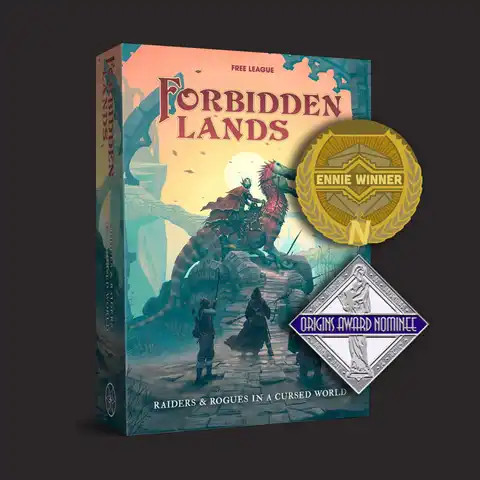
Forbidden Lands
Choose Forbidden Lands when travel actions, survival, discoveries, and strongholds make open-map exploration a complete campaign loop.
Exploration-driven TTRPGs make movement, discovery, maps, ruins, travel, and unknown places the engine of play. Start with Curseborne, Knave RPG, ShadowDark, and Traveller as comparison points, then move down the list based on the kind of mechanical focus your group actually wants.
When comparing exploration-driven games, look at travel procedure, resource pressure, encounter generation, mapping, player goals, and whether discovery changes the campaign. Those details matter more than the tag itself, because two games can share a category while asking completely different things from the GM and players.
Use the top picks as anchors rather than treating the page like a simple popularity ranking. The goal is to answer the practical table question: which game will produce the kind of first session, campaign rhythm, and player buy-in your group is likely to enjoy?
Exploration is not just scenery; it needs meaningful choices about risk, direction, time, and supplies.
Quick starting points if you want the clearest expressions of what Exploration-Driven games do well.
Choose Forbidden Lands when travel actions, survival, discoveries, and strongholds make open-map exploration a complete campaign loop.
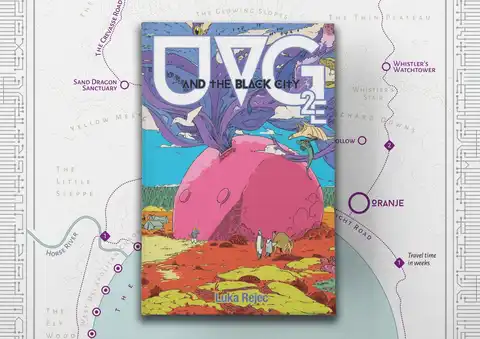
Choose Ultraviolet Grasslands when caravan routes and strange locations make the journey itself produce the campaign.
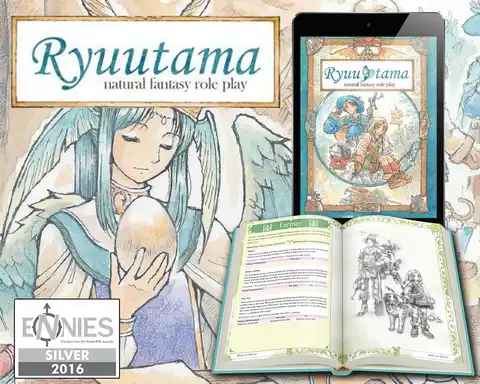
Choose Ryuutama when weather, terrain, supplies, and travel roles make ordinary journeys mechanically meaningful.
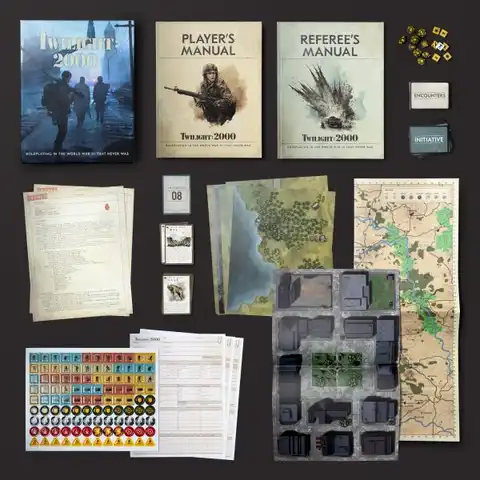
Choose Twilight: 2000 when routes, fuel, vehicles, encounters, and local alliances structure grounded post-collapse travel.
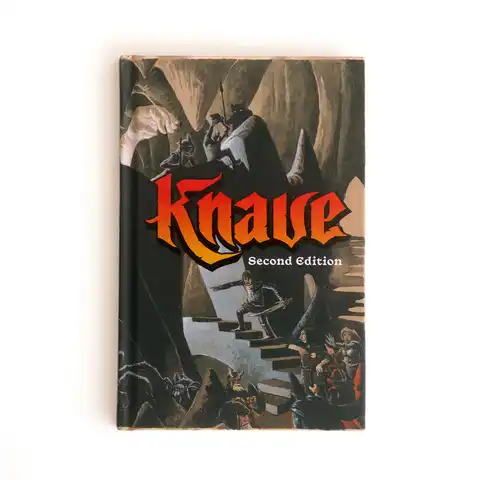
Knave is Ben Milton's classless OSR fantasy TTRPG, and its current second edition pairs fast character creation with a stronger GM toolkit for dungeons, hexcrawls, downtime, and module-driven campaigns. It is a strong fit for groups that want dangerous expeditions and meaningful gear choices without a heavy character-build game.
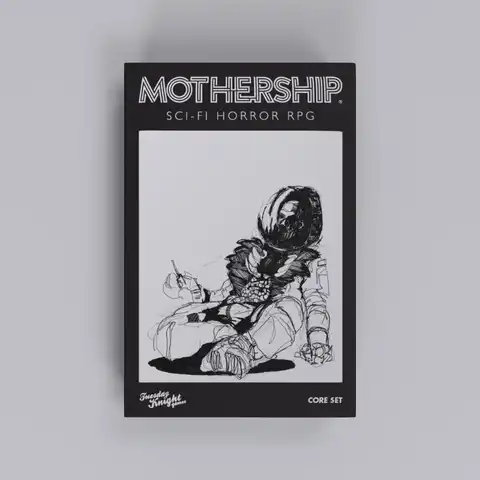
Mothership is a first-edition sci-fi horror TTRPG about fragile crews taking dangerous jobs in hostile space. Its rules-light d100 engine, stress and panic system, fast character creation, and Warden-facing horror procedures make it one of the strongest choices for derelict ships, doomed colonies, corporate negligence, and lethal short arcs.
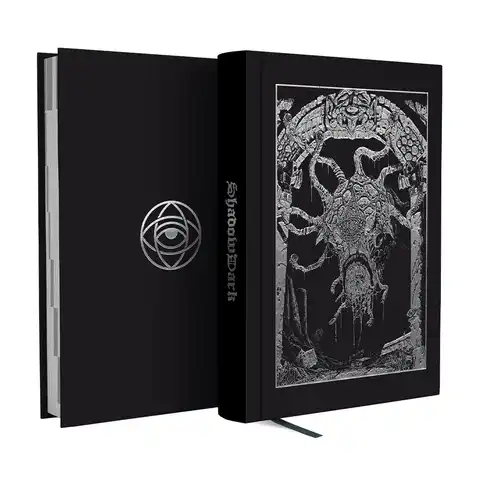
ShadowDark is a class-based dark-fantasy dungeon crawler by Kelsey Dionne and The Arcane Library. It combines old-school expedition pressure with modern usability, real-time torch timers, risky magic, and fast rulings for groups that want dangerous crawls without a huge rules burden.
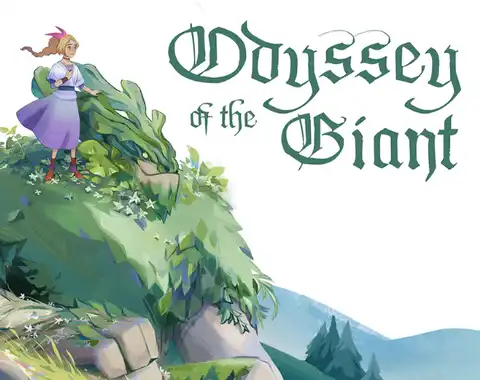
Odyssey of the Giant is exploration-driven because discovering each hex, meeting survivors, navigating remnants of magic, and choosing when to press on all define the solo journey.
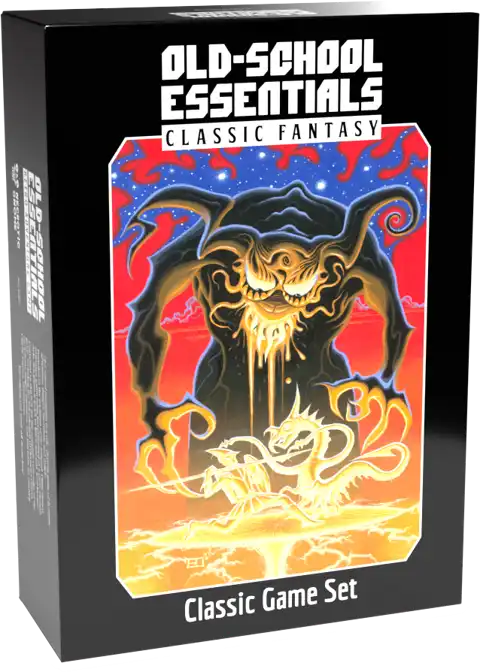
Old-School Essentials is Gavin Norman and Necrotic Gnome's faithful B/X fantasy retroclone: dangerous exploration, treasure-driven advancement, and huge compatibility with classic adventures, all presented in one of the clearest old-school rule layouts on the market.
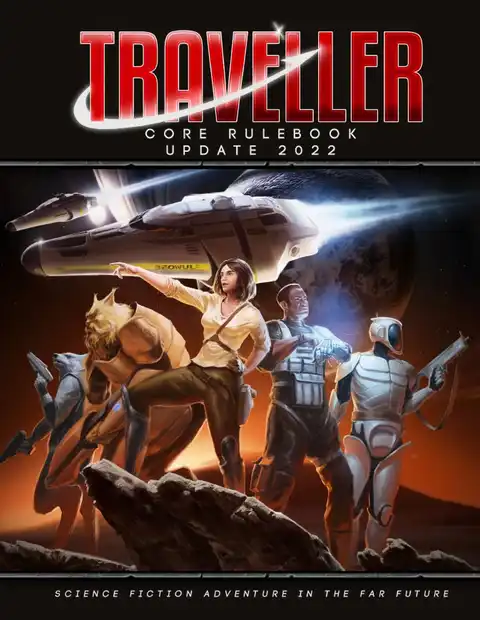
Traveller is a classic science-fiction TTRPG about lifepath crews, starships, trade, patrons, exploration, politics, and practical risk across a grounded interstellar sandbox.
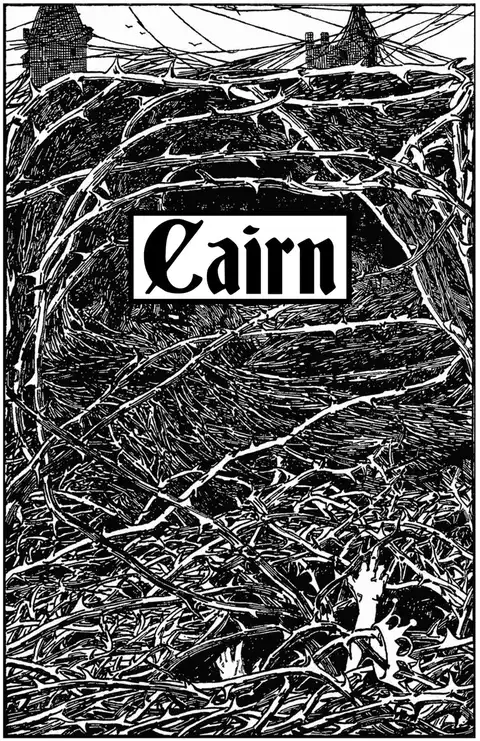
A free classless fantasy TTRPG by Yochai Gal and Cairn Press, built for dangerous woodland exploration, slot-based inventory pressure, fiction-first growth, and fast OSR/NSR play.
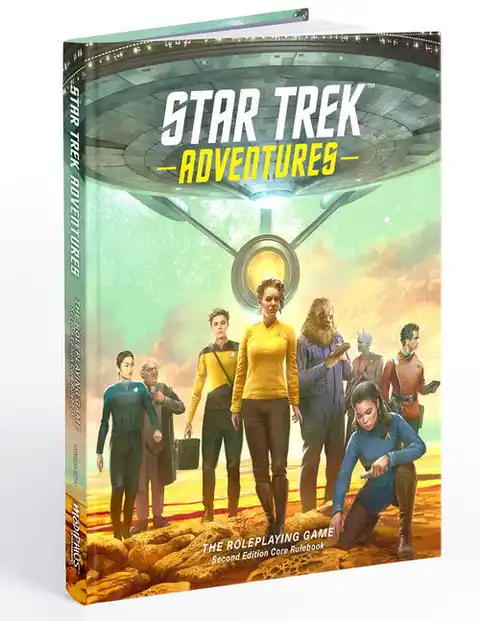
A medium-crunch licensed TTRPG that makes Star Trek exploration, diplomacy, bridge teamwork, and mission-based sci-fi problem-solving the core loop rather than just the setting skin.
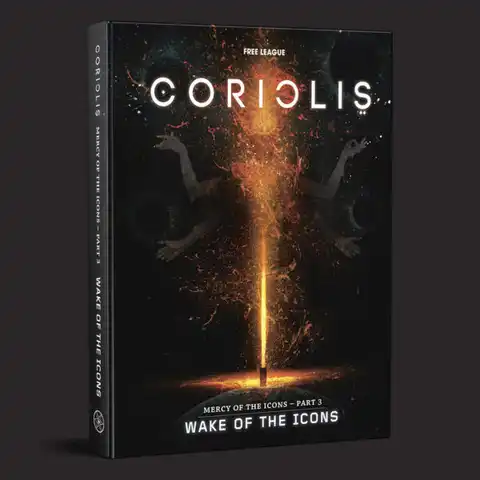
Coriolis is a crew-based science-fiction TTRPG about ship travel, faction politics, faith, old ruins, and cosmic mystery in the Third Horizon, using the Year Zero Engine for medium-crunch campaigns with real consequences.
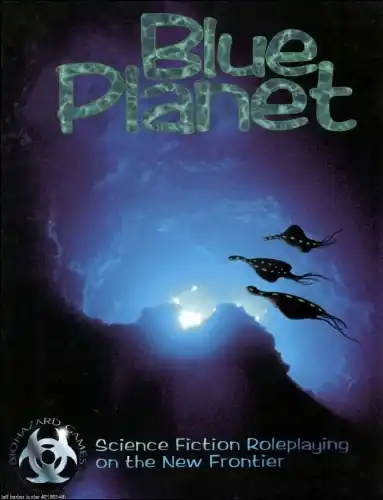
Blue Planet: Recontact is a hard-science-fiction TTRPG about life and conflict on Poseidon, an ocean colony where ecology, extraction, and alien mystery all push back on human ambition.
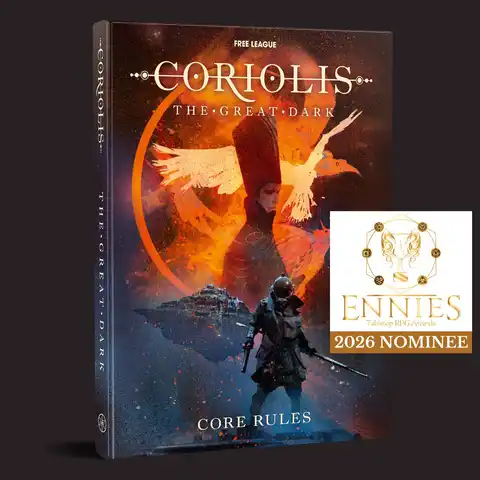
Coriolis: The Great Dark is exploration-driven at the rules and premise level: the core activity is preparing for delves, reaching strange sites, surviving hazards, and bringing discoveries back.
Crown & Skull is Runehammer's no-stats, no-HP fantasy TTRPG, built around point-buy characters, player-facing d20 rolls, skill-and-gear attrition, and emergent exploration in the North Holds.
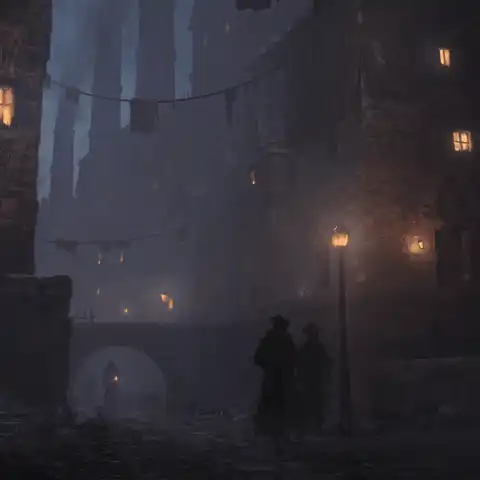
Hollows is Rowan, Rook and Decard's dark fantasy TTRPG of tactical many-vs-one boss fights, where Hunters enter rotten personal hells, wield Weapons built from humanity's worst instincts, and survive by coordinating every move.
WARDEN fits Exploration-Driven play when the group wants a Campaign Map with locations, secrets, threats, and clocks to push discovery across the chosen setting.
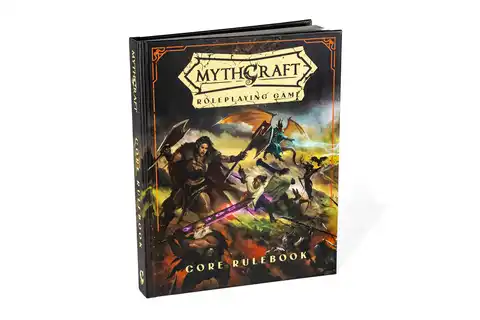
MythCraft belongs in Exploration-Driven when the table wants d20 fantasy travel, creatures, hazards, locations, and campaign-world material backed by GM tools rather than a purely combat-skirmish frame.
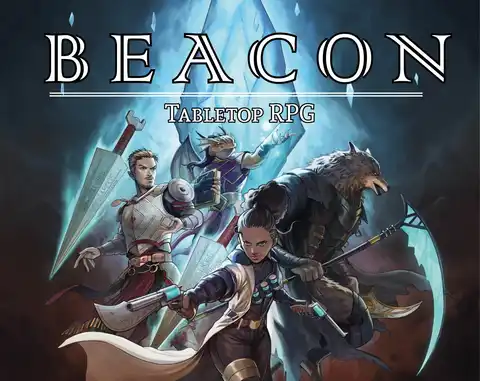
BEACON's Reflections, ruins, magitech, dungeons, Scourge threats, and quest templates give exploration real purpose between tactical set pieces.
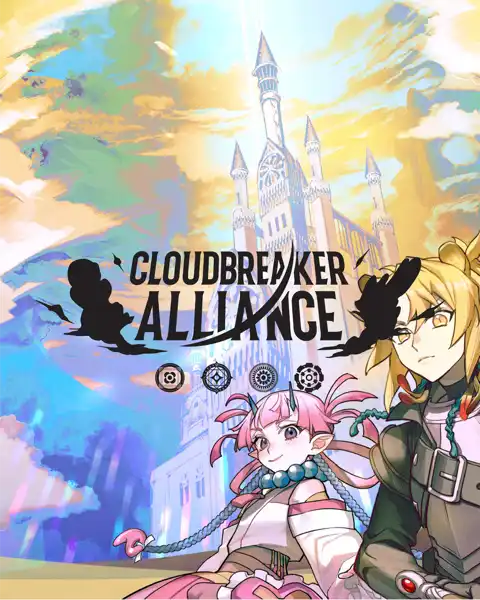
Cloudbreaker Alliance is exploration-driven when the party travels between isolated settlements, studies monsters, investigates weaknesses, and turns discoveries into safer paths through the Cloudbroken Lands.
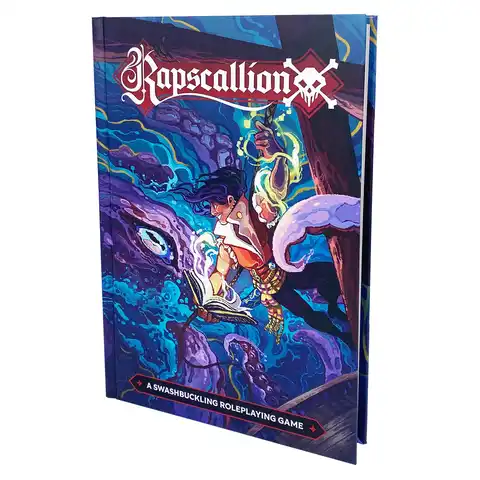
Rapscallion is Exploration-Driven when the crew charts unknown waters, adds to the Great Sea map, discovers strange ports, and lets each voyage reshape what the campaign knows.
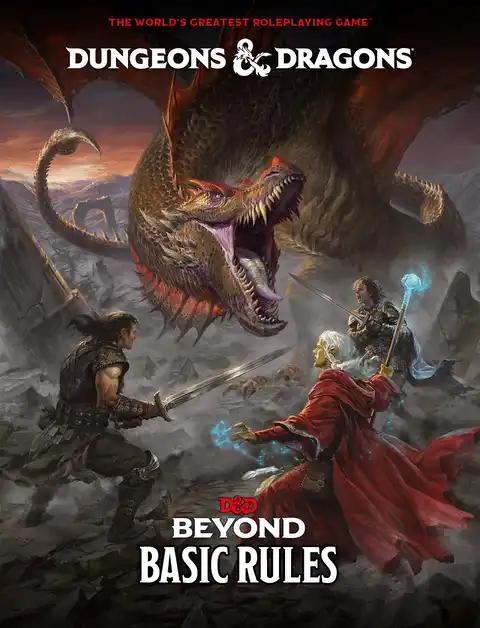
Dungeons & Dragons is the current heroic-fantasy baseline: class-and-level adventuring, d20 resolution, tactical set pieces, and the largest official and third-party support ecosystem in tabletop play.
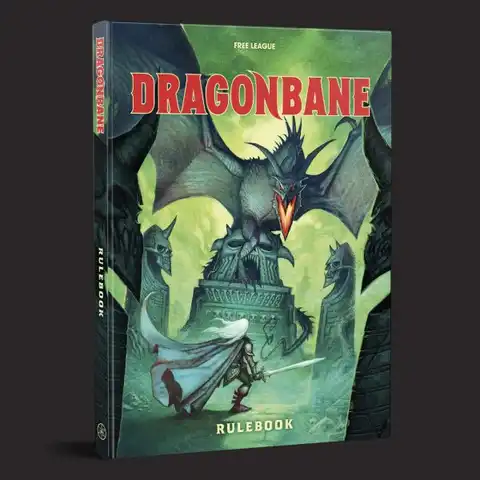
Dragonbane is Free League's fast fantasy TTRPG: roll-under d20 skills, brisk tactical combat, low-prep adventures, and a classic Misty Vale campaign frame with room for humor and real danger.
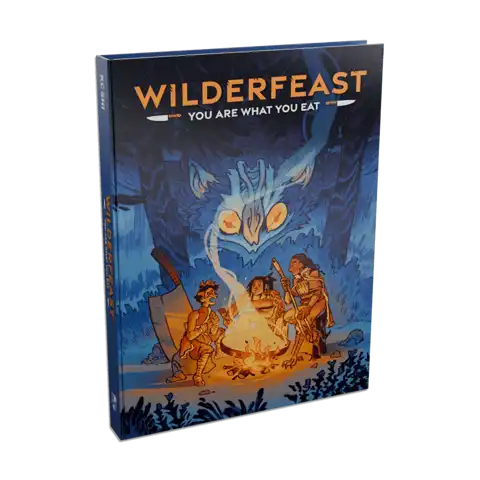
Wilderfeast is an ecological fantasy TTRPG about mutated monster-hunter chefs tracking frenzying creatures, cooking what they kill, and changing themselves to protect the One Land.
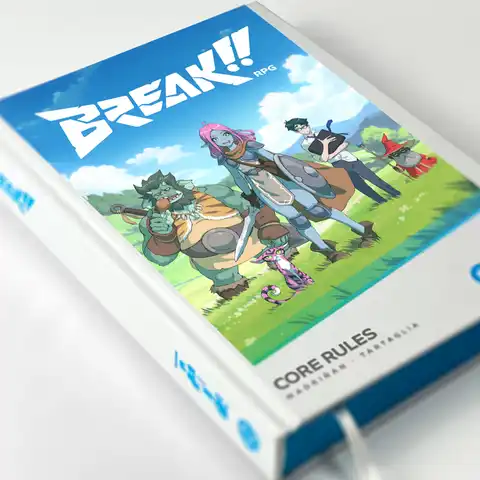
An anime- and JRPG-inspired fantasy TTRPG about party travel, structured overland exploration, and teamwork in a strange post-apocalyptic world.
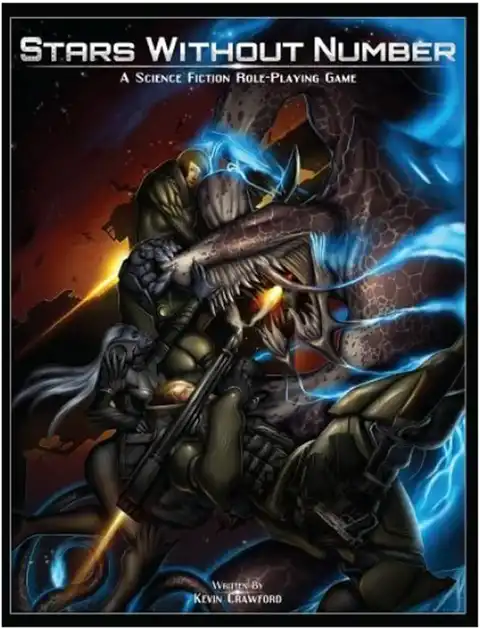
Stars Without Number is a science-fiction sandbox TTRPG built for sector exploration, faction pressure, patron jobs, and long-running crew campaigns, with some of the best GM worldbuilding tools in the genre.
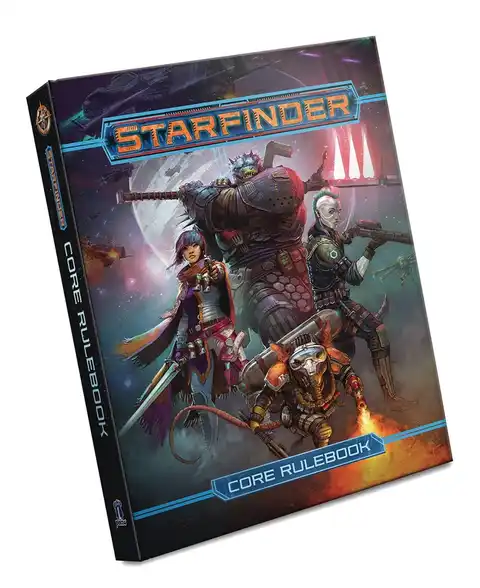
Starfinder is Paizo's science-fantasy TTRPG for crews of explorers, soldiers, mystics, and operators crossing the Pact Worlds with Pathfinder-compatible tactics, alien ancestries, and a ruleset that treats magic, firearms, hacking, and starship action as part of the same campaign.
Choose by the job at the table. For exploration-driven TTRPGs, compare travel procedure, resource pressure, encounter generation, mapping, player goals, and whether discovery changes the campaign. If that sounds too abstract, ask what the game makes players decide in the first hour.
Use the top picks as contrasts. Curseborne and Knave RPG are useful side-by-side because they show different ways this category can work. ShadowDark adds another angle, while Traveller helps test whether your table wants a different commitment level.
Match scope before rules. Some exploration-driven games are best as one-shots, some need a short arc, and some only reveal their strengths through campaign play. Decide that scope first, then choose the rules weight your group will actually tolerate.