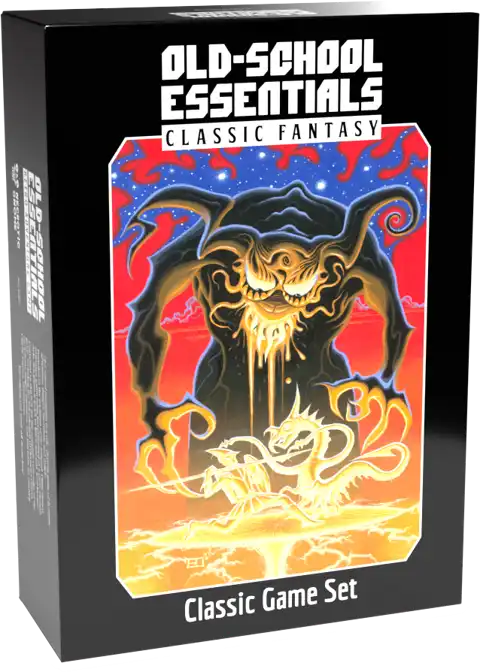
Top pick
Old-School Essentials
Start with Old-School Essentials if you want the most legible baseline for OSR play: classic dungeon procedures, high compatibility, and a clear reference for running old-school fantasy straight.
OSR TTRPGs are not just retro fantasy with different art. The core promise is a style of play where exploration, danger, resources, maps, time, and player ingenuity matter more than balanced encounters or optimized character builds. The best OSR game for your table depends on which version of that promise you want.
Use Old-School Essentials as the clean B/X reference point, Knave and Cairn 2e for fast classless problem solving, ShadowDark for a modern bridge from 5e habits, and tone-forward games like Mork Borg or Dolmenwood when the setting voice is the main attraction. Those games share an old-school family resemblance, but they do not ask the same things from the GM or players.
Before choosing, decide how much lethality, mapping, inventory pressure, treasure focus, dungeon procedure, and referee judgment your group actually wants. OSR play is strongest when everyone understands that avoiding a fight, using equipment cleverly, and changing the situation can matter more than what is printed on the character sheet.
Quick starting points if you want the clearest expressions of what Old-School Renaissance (OSR) games do well.
Start with Old-School Essentials if you want the most legible baseline for OSR play: classic dungeon procedures, high compatibility, and a clear reference for running old-school fantasy straight.
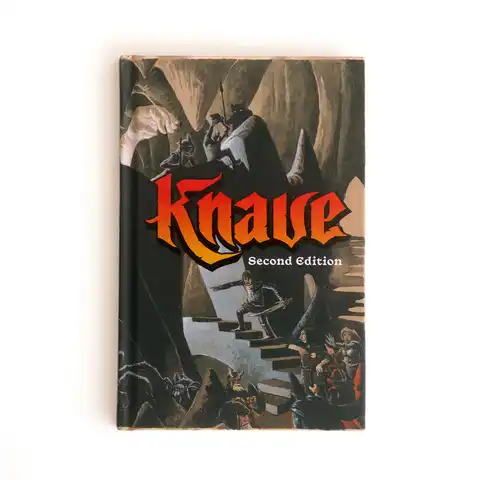
Pick Knave if you want OSR principles without a heavy rules inheritance: quick character creation, item-driven identity, and easy compatibility with old-school adventures.
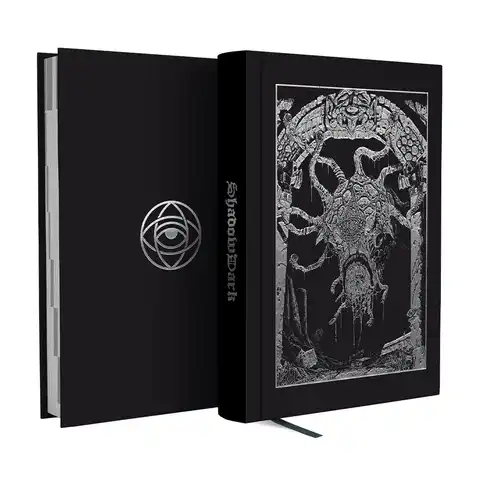
Choose ShadowDark if your table knows modern d20 fantasy but wants dungeon crawling to feel faster, darker, and more dangerous without learning a purely retro ruleset.
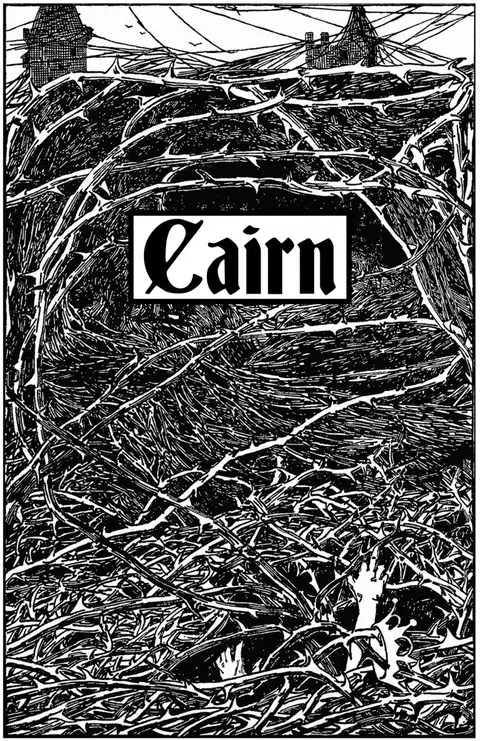
Use Cairn 2e when you want the lightest serious OSR on-ramp: fast characters, little build math, real danger, and play centered on choices, equipment, and consequences.
Knave is the best classless OSR toolkit for groups that want fast characters, inventory pressure, and player problem-solving without traditional class packages.
ShadowDark is the best bridge for 5e-fluent groups that want OSR danger. It keeps modern usability while adding torch timers, fast turns, deadlier exploration, and less reliance on balanced encounters.
Old-School Essentials is the cleanest reference point for classic B/X-style fantasy. Choose it when you want faithful old-school procedures, strong adventure compatibility, and a rules text that gets out of the referee’s way.
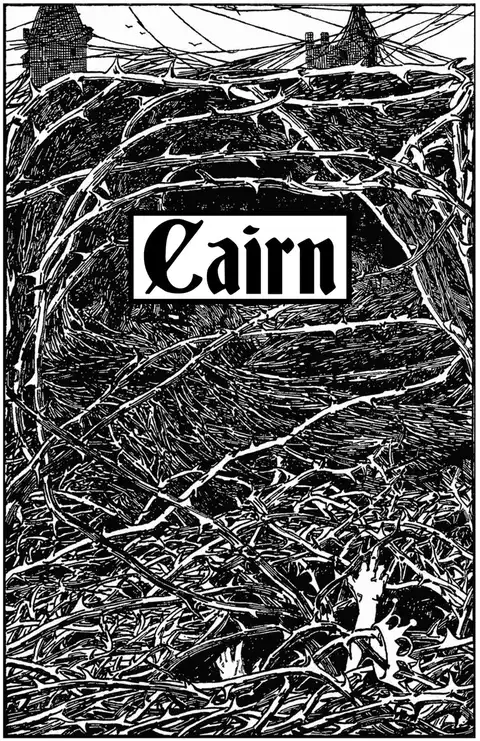
Cairn fits OSR play when you want rulings, player ingenuity, dangerous exploration, and unbalanced problems without cloning older D&D chassis line for line.
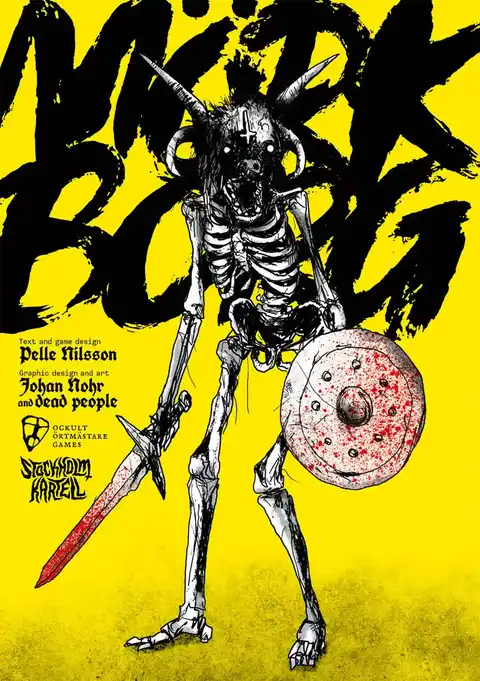
Mörk Borg is OSR as art-punk doom. It is a great one-shot or short-campaign choice when tone, decay, and brutal style matter more than a neutral long-term fantasy chassis.
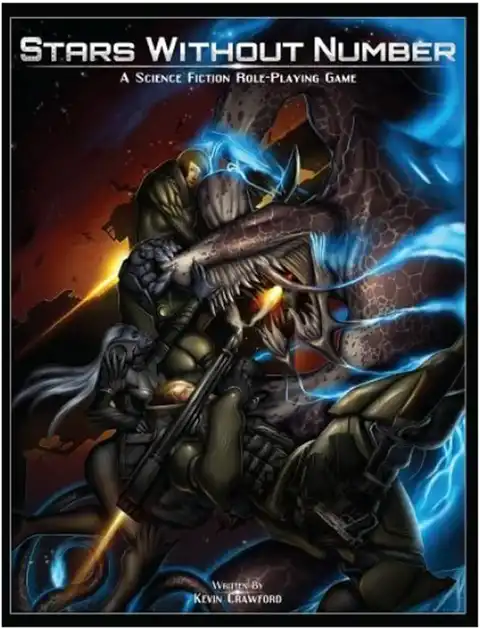
Stars Without Number carries old-school sandbox priorities into science fiction. Sector tools, factions, fragile characters, and adventure compatibility make it a strong choice when exploration and player-directed jobs matter more than a plotted space epic.
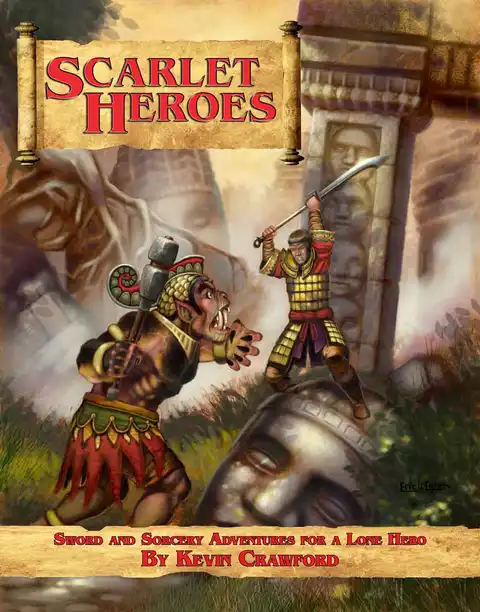
Scarlet Heroes is an OSR fit when you want classic module logic, dangerous exploration, and rulings-first play, but scaled for one or two heroes instead of a full party.
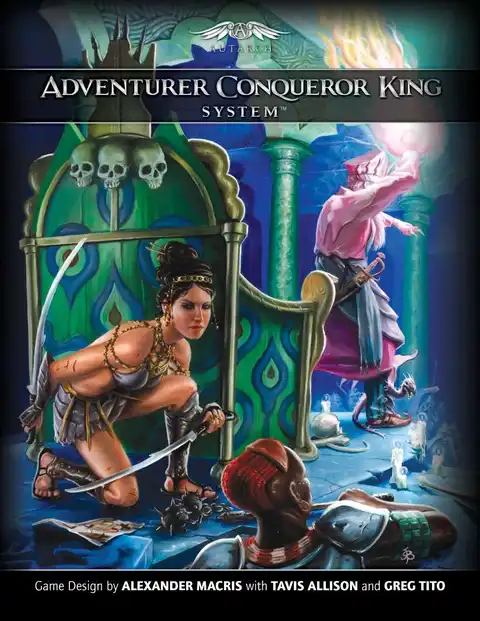
Use Adventurer Conqueror King System when your table wants old-school renaissance play to shape real choices. It is most worth comparing for classic compatibility, lethality, exploration procedure, class versus classless design, presentation, and how much modern usability the table wants. A comprehensive OSR system that spans the complete hero's journey...
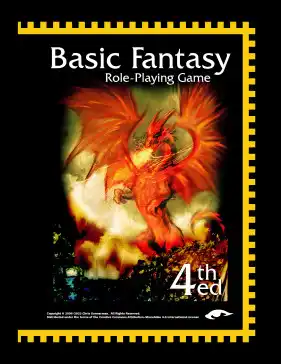
Basic Fantasy RPG is a practical retroclone for groups that want B/X-style adventure with ascending Armor Class, race and class separated, extensive free support, and straightforward compatibility with old-school modules.
Use Bastards. (Pearlescent Edition) when your table wants old-school renaissance play to shape real choices. It is most worth comparing for classic compatibility, lethality, exploration procedure, class versus classless design, presentation, and how much modern usability the table wants. Bastards.
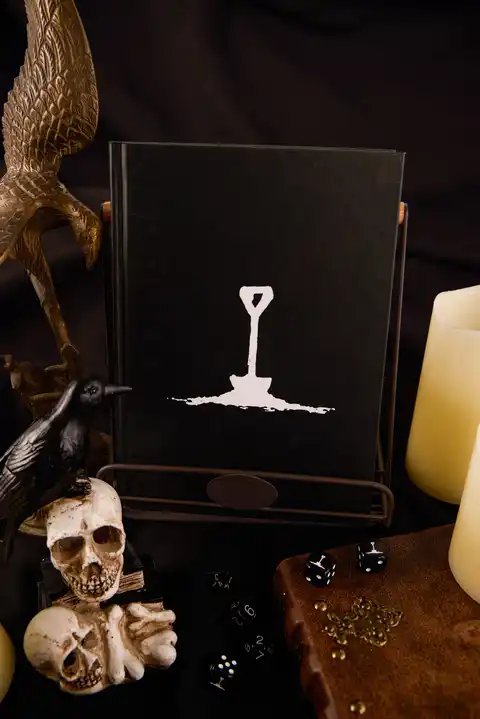
Use Best Left Buried when your table wants old-school renaissance play to shape real choices. It is most worth comparing for classic compatibility, lethality, exploration procedure, class versus classless design, presentation, and how much modern usability the table wants. Best Left Buried is a rules‑lite fantasy horror about desperate cryptdiggers...
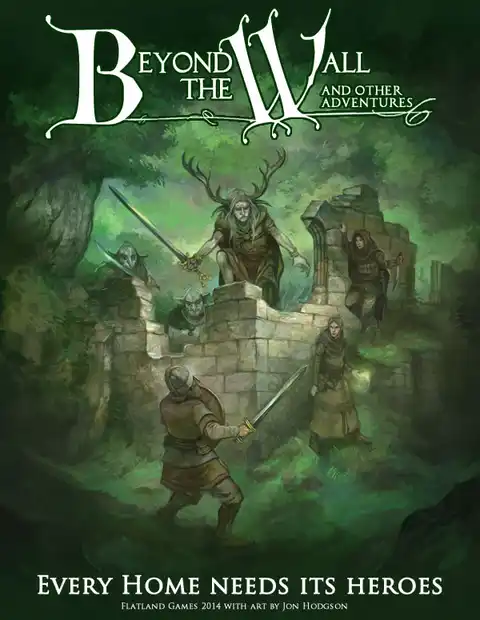
Beyond the Wall fits OSR when you want old-school danger and rulings, but with more built-in party cohesion and GM support than many retroclones. Its playbooks, shared village generation, and scenario packs make it a strong bridge between classic D&D bones and gentler collaborative onboarding.
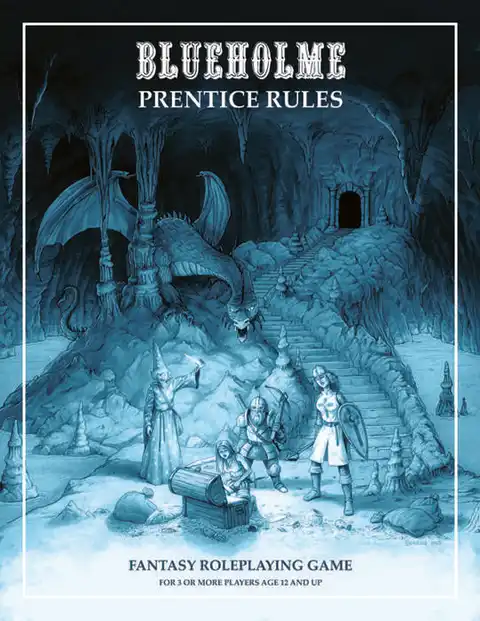
Use Blueholme when your table wants old-school renaissance play to shape real choices. It is most worth comparing for classic compatibility, lethality, exploration procedure, class versus classless design, presentation, and how much modern usability the table wants. Blueholme is a rules-lite OSR retroclone of Holmes Basic D&D (1977), extending the beloved...
Use Broken Shores when your table wants old-school renaissance play to shape real choices. It is most worth comparing for classic compatibility, lethality, exploration procedure, class versus classless design, presentation, and how much modern usability the table wants. Broken Shores is a rules-lite dark fantasy survival RPG using d100 resolution.
Cairn 2e is the strongest minimalist OSR pick when you want Into the Odd-style speed, classless characters, dangerous choices, and rulings-forward exploration in a compact package.
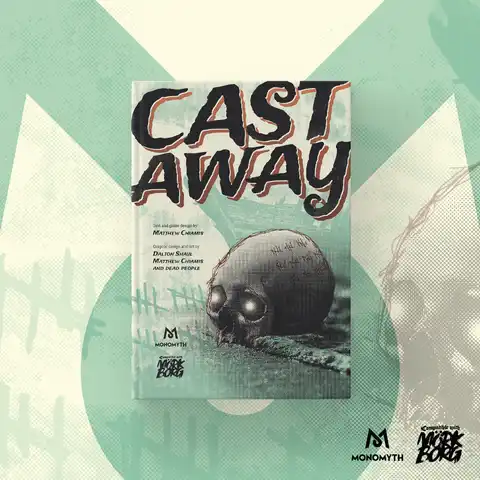
Use Castaway when your table wants old-school renaissance play to shape real choices. It is most worth comparing for classic compatibility, lethality, exploration procedure, class versus classless design, presentation, and how much modern usability the table wants. Castaway is a rules-lite shipwreck survival horror RPG compatible with Mörk Borg.
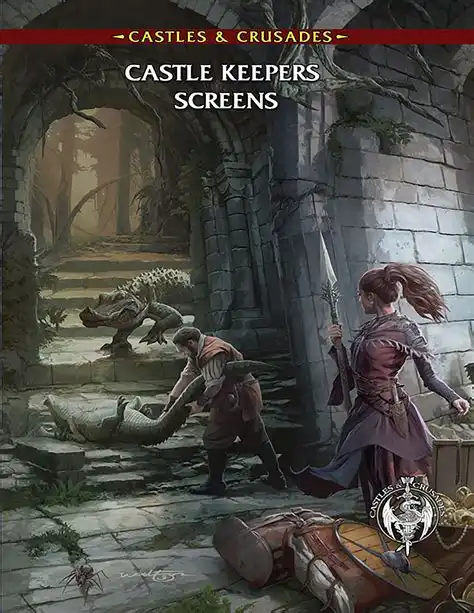
Castles & Crusades fits the OSR lane as a d20-side branch of old-school play: exploration, rulings, lethal mistakes, and easy reuse of older modules matter more than optimized builds or encounter-balance precision.
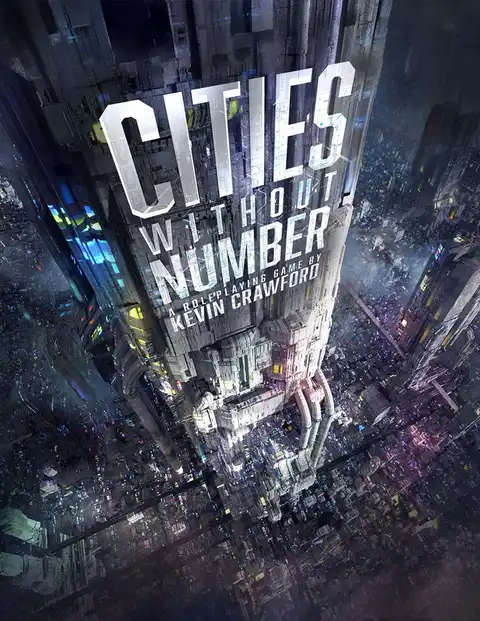
Cities Without Number brings OSR procedure into cyberpunk: dangerous choices, referee tools, open scenarios, sandbox consequences, and characters defined by practical capabilities rather than a scripted story path.
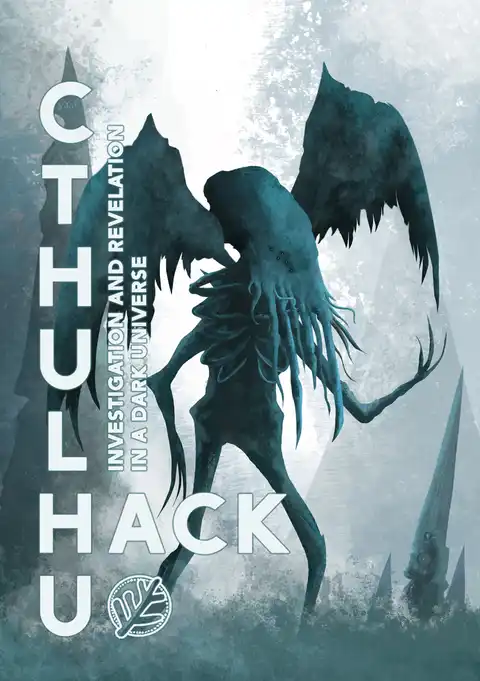
Cthulhu Hack is an OSR-adjacent fit because it uses a Black Hack-style chassis, player-facing saves, and high consequence with much lighter procedure than classic fantasy dungeon games.
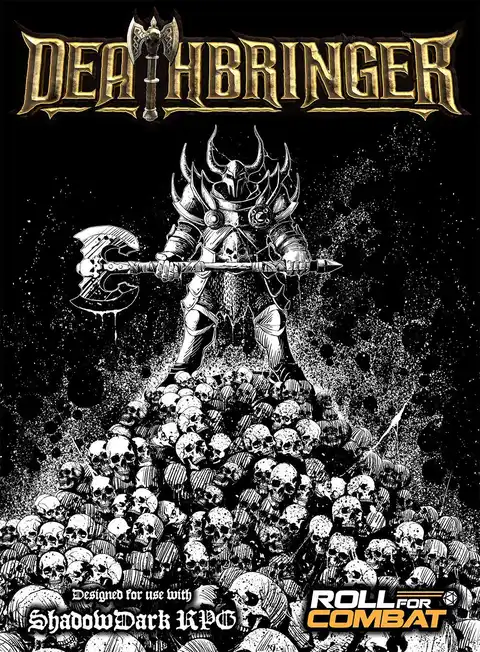
Use Deathbringer when your table wants old-school renaissance play to shape real choices. It is most worth comparing for classic compatibility, lethality, exploration procedure, class versus classless design, presentation, and how much modern usability the table wants. Deathbringer is a grimdark fantasy RPG kit by Professor Dungeon Master that compresses...
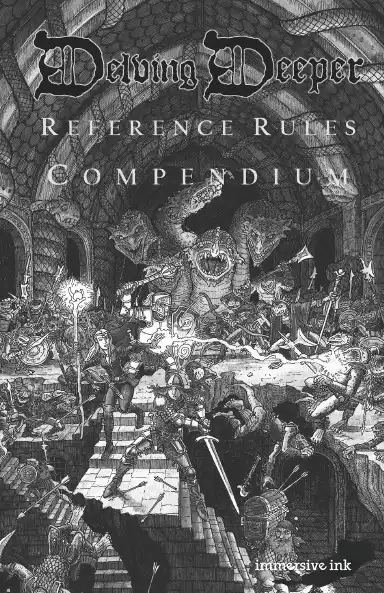
Use Delving Deeper when your table wants old-school renaissance play to shape real choices. It is most worth comparing for classic compatibility, lethality, exploration procedure, class versus classless design, presentation, and how much modern usability the table wants. Delving Deeper is a faithful OD&D retroclone that recreates the original 1974 D&D...
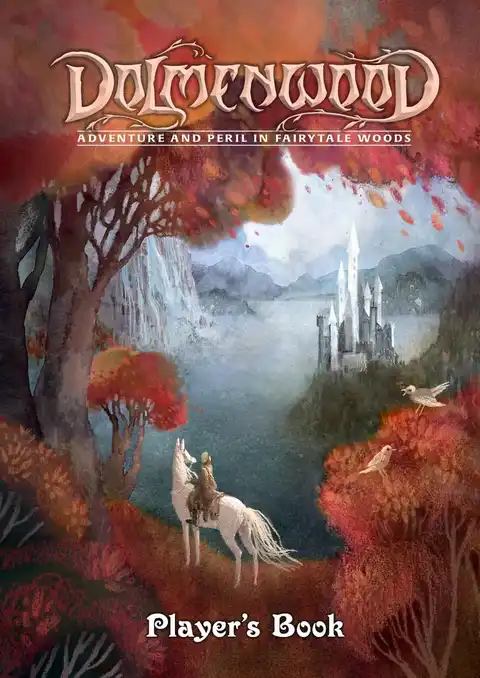
Dolmenwood combines old-school procedures with an unusually complete fairy-tale setting. Choose it when the strange forest, factions, travel, folklore, and campaign texture should carry as much weight as dungeon compatibility.
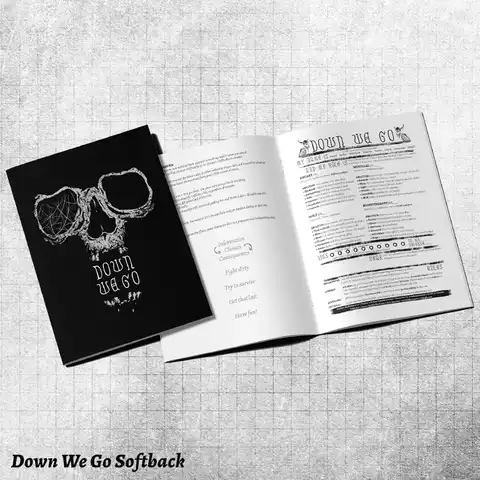
Use Down We Go when your table wants old-school renaissance play to shape real choices. It is most worth comparing for classic compatibility, lethality, exploration procedure, class versus classless design, presentation, and how much modern usability the table wants. Down We Go is a rules‑lite OSR dungeon crawler using familiar d20 and d6 rolls.
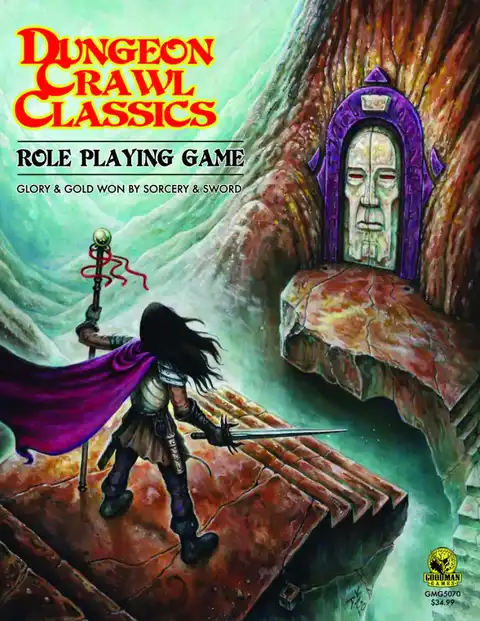
Dungeon Crawl Classics turns old-school danger into exuberant sword-and-sorcery play: zero-level funnels, volatile magic, mighty deeds, strange dice, and dramatic tables make it deliberately wilder than a neutral retroclone.
Choose a retroclone when compatibility is the priority. Old-School Essentials, Basic Fantasy RPG, OSRIC, Swords & Wizardry, and Labyrinth Lord are useful when you want to run classic modules, preserve older procedures, or learn a specific branch of D&D history through clearer presentation.
Choose a modern minimalist game when onboarding matters. Knave, Cairn 2e, Into the Odd, Electric Bastionland, and Maze Rats reduce character-build overhead so players can focus on equipment, risks, and plans. They are often easier to teach, but they may provide less inherited structure for long campaigns.
Choose a bridge game for 5e-fluent groups. ShadowDark and Five Torches Deep make old-school danger easier to pitch to players who already know modern d20 fantasy. They introduce scarcity, faster rulings, and more dangerous exploration without abandoning every familiar habit at once.
Choose a tone-forward OSR game when flavor is the hook. Mörk Borg, Pirate Borg, Dolmenwood, Black Sword Hack, and other strong-voice games are best when the group wants that exact atmosphere. They should not be treated as neutral baselines.
Set expectations before session one. OSR works best when players know that scouting, retreating, mapping, bargaining, tools, time, and creative problem solving are real strategies. If the group expects fair fights and character-sheet answers to every problem, choose a gentler bridge or a different fantasy category.
Start here: Read the beginner's guide to NSR TTRPGs if you are unsure where modern old-school descendants diverge from retroclones, then compare Knave, Cairn 2e, and ShadowDark as three distinct entry routes.