Top pick
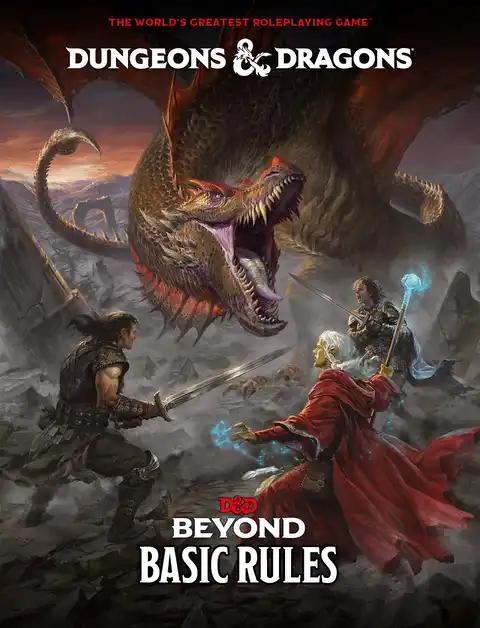
Dungeons & Dragons
Best baseline for familiar class-and-level play, iconic party roles, long advancement, and the largest supply of adventures and support for players who want a clearly defined heroic niche.
Class-based TTRPGs give players strong archetypes, readable roles, and advancement paths that make early choices matter. Start with Pathfinder 2e, 13th Age, Dungeons & Dragons, and Mutant Crawl Classics as comparison points, then move down the list based on the kind of mechanical focus your group actually wants.
When comparing class-based games, look at class flexibility, niche protection, multiclass or subclass options, combat role clarity, and whether classes support the setting's core fantasy. Those details matter more than the tag itself, because two games can share a category while asking completely different things from the GM and players.
Use the top picks as anchors rather than treating the page like a simple popularity ranking. The goal is to answer the practical table question: which game will produce the kind of first session, campaign rhythm, and player buy-in your group is likely to enjoy?
Classes help onboarding but can frustrate players who want freeform identity or skill-first customization.
Quick starting points if you want the clearest expressions of what Class-Based games do well.
Best baseline for familiar class-and-level play, iconic party roles, long advancement, and the largest supply of adventures and support for players who want a clearly defined heroic niche.
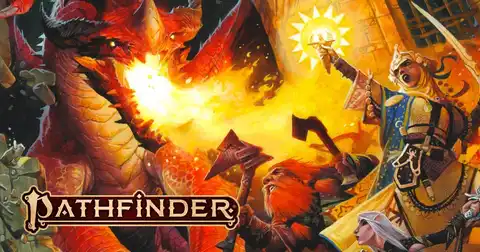
Best for players who want strongly defined classes plus precise tactical customization, with meaningful build choices and teamwork at nearly every level.
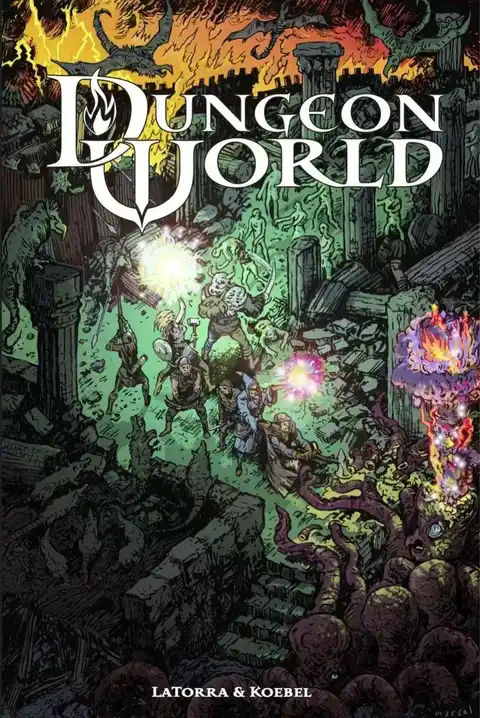
Best fiction-first class pick for groups that want recognizable fantasy roles, fast character creation, and consequences driven by the conversation instead of grid tactics or build planning.
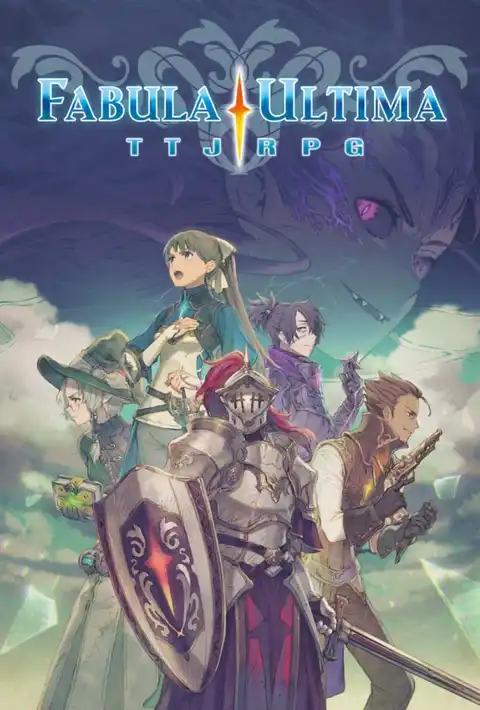
Best for groups that want modular multiclass characters, ensemble teamwork, and visible growth in a campaign shaped like a character-driven console JRPG.
Choose by the job at the table. For class-based TTRPGs, compare class flexibility, niche protection, multiclass or subclass options, combat role clarity, and whether classes support the setting's core fantasy. If that sounds too abstract, ask what the game makes players decide in the first hour.
Use the top picks as contrasts. Pathfinder 2e and 13th Age are useful side-by-side because they show different ways this category can work. Dungeons & Dragons adds another angle, while Mutant Crawl Classics helps test whether your table wants a different commitment level.
Match scope before rules. Some class-based games are best as one-shots, some need a short arc, and some only reveal their strengths through campaign play. Decide that scope first, then choose the rules weight your group will actually tolerate.
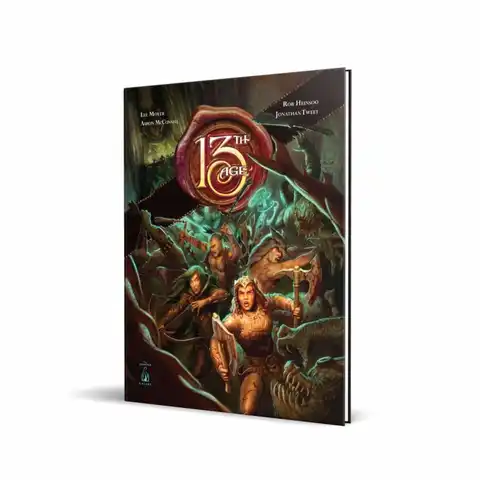
13th Age is a heroic-fantasy d20 TTRPG that keeps classes, levels, and satisfying fights, then adds Icons, One Unique Thing, and the Escalation Die to make campaigns move faster and feel more story-shaped.
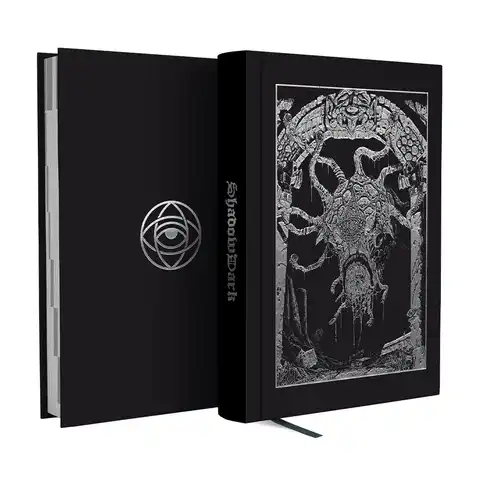
ShadowDark is a class-based dark-fantasy dungeon crawler by Kelsey Dionne and The Arcane Library. It combines old-school expedition pressure with modern usability, real-time torch timers, risky magic, and fast rulings for groups that want dangerous crawls without a huge rules burden.
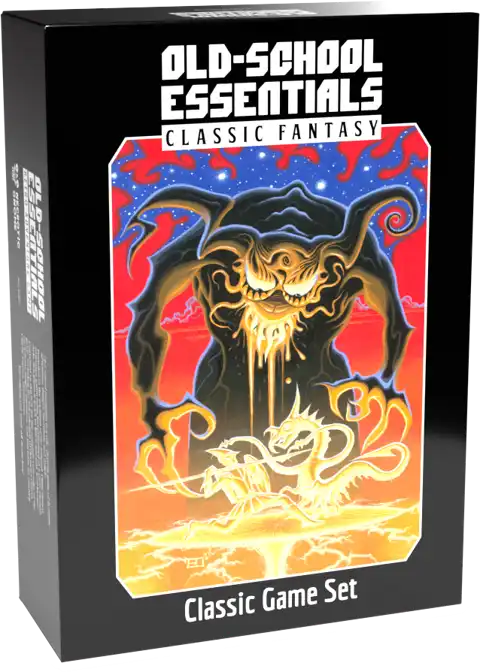
Old-School Essentials is Gavin Norman and Necrotic Gnome's faithful B/X fantasy retroclone: dangerous exploration, treasure-driven advancement, and huge compatibility with classic adventures, all presented in one of the clearest old-school rule layouts on the market.
Pathfinder 2e anchors each character in a class while class feats, archetypes, skill feats, and a three-action economy create many distinct builds inside the same broad role.
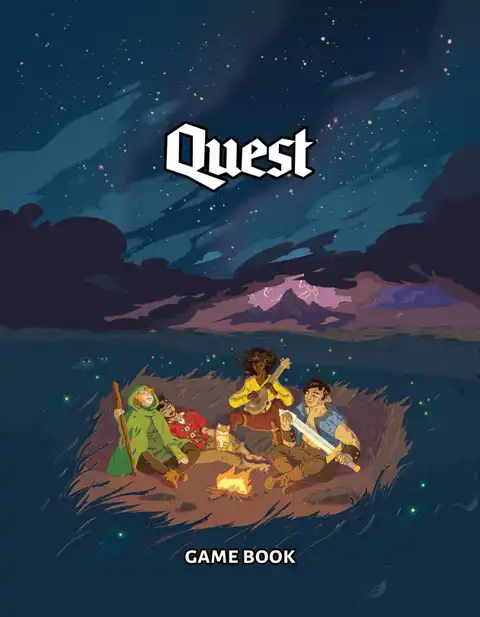
Quest is a free beginner-friendly fantasy TTRPG that trades modifier math and money tracking for fixed d20 outcomes, vivid role abilities, and one of the clearest onboarding paths in the hobby.
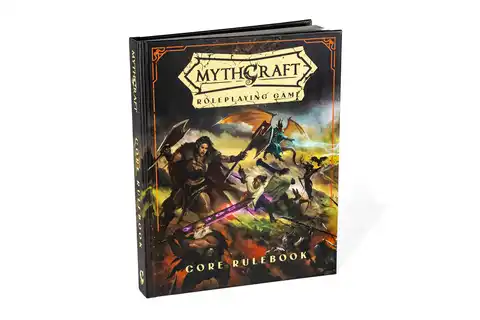
MythCraft fits Class-based play because its 13 core classes and class paths remain major identity anchors even though backgrounds, occupations, professions, lineages, and talents add extra build layers.
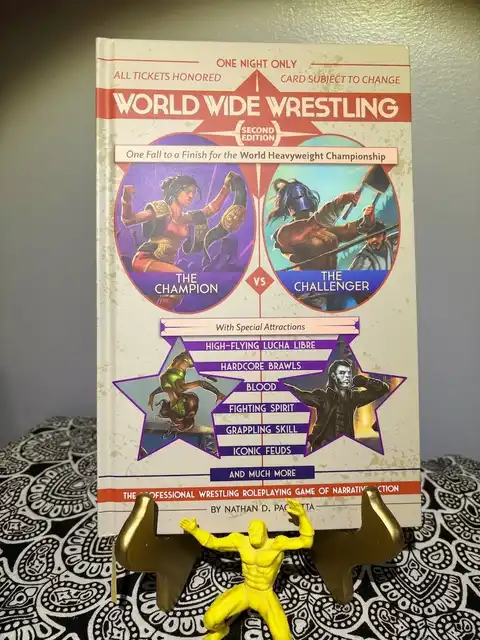
World Wide Wrestling is Class-Based through its Gimmicks: archetypal wrestler playbooks give each character a role, move set, advancement path, and dramatic pressure point.
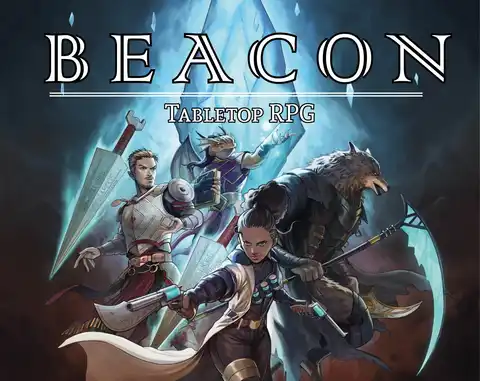
BEACON uses classes and jobs as the backbone of combat identity, with each class rank opening new equipment and techniques while still allowing cross-class mixing.
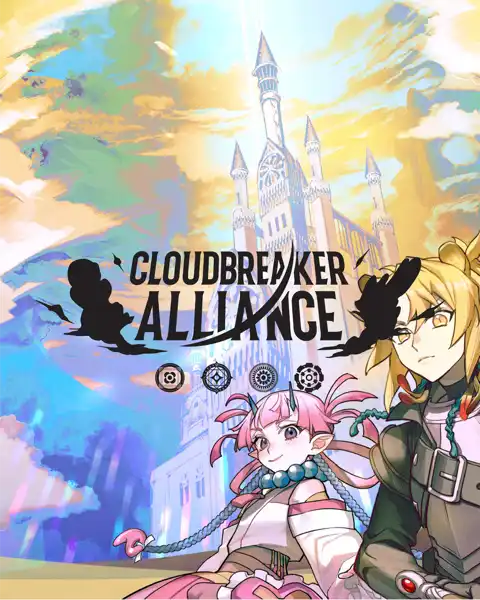
Cloudbreaker Alliance is class-based in a JRPG/anime-fantasy sense: class gives each hero a clear team role, but Jobs, Bits, Talents, and party strategy keep characters from feeling locked to one button.
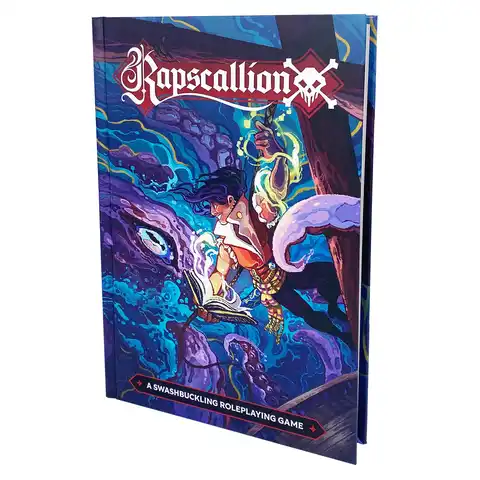
Rapscallion is Class-Based in the PbtA sense: character playbooks give each pirate a defined dramatic lane, move access, and advancement pressure without turning play into tactical build math.
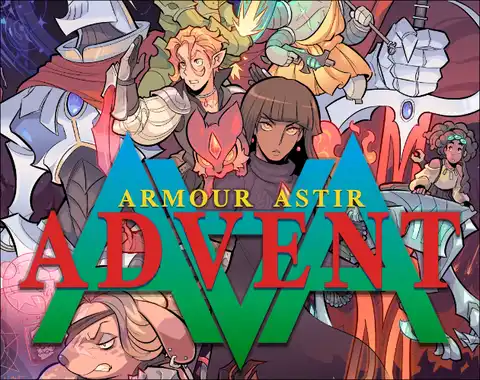
Armour Astir: Advent is a high-fantasy PbtA mecha TTRPG about rebel pilots, support crew, diplomats, spies, and magical Astirs fighting an oppressive authority.
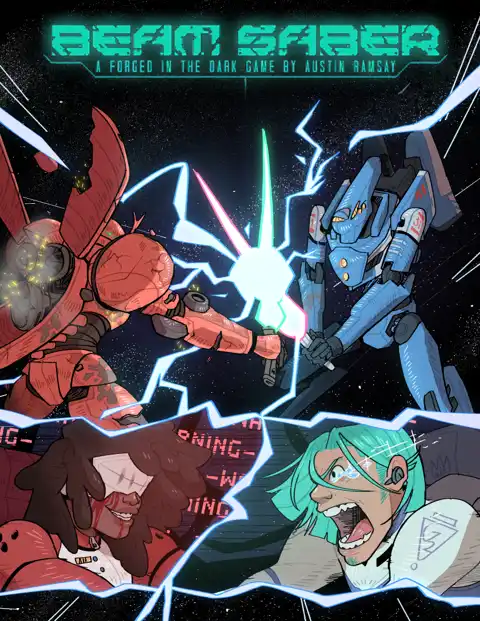
Beam Saber is class-based through its pilot and squad playbooks, giving the table clear archetypes such as Aces, Hackers, Officers, Scouts, Technicians, and squad roles for different kinds of war stories.
Dungeon World uses class playbooks to define archetypal moves, fictional permissions, relationships, and advancement, making class identity drive the story rather than mainly organize tactical options.
Dungeons & Dragons makes class the main package for role, signature abilities, spell access, and level progression, with subclasses specializing that identity as a campaign advances.
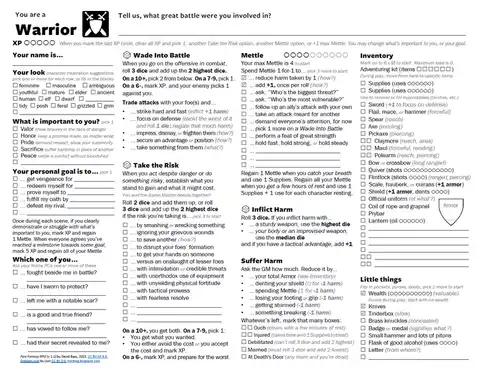
Fast Fantasy is a free 16-page fantasy TTRPG that compresses Dungeon World-style move play into a quick, low-prep engine for one-shots and short arcs.
Fabula Ultima builds JRPG-style heroes by combining levels from multiple classes, letting each character assemble a changing party role from complementary abilities, spells, and bonds.
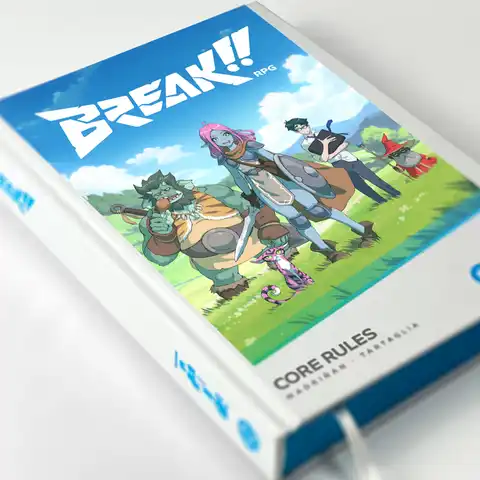
An anime- and JRPG-inspired fantasy TTRPG about party travel, structured overland exploration, and teamwork in a strange post-apocalyptic world.
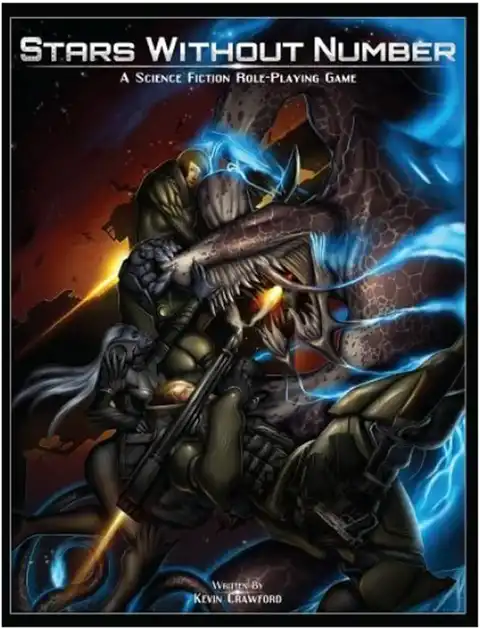
Stars Without Number is a science-fiction sandbox TTRPG built for sector exploration, faction pressure, patron jobs, and long-running crew campaigns, with some of the best GM worldbuilding tools in the genre.
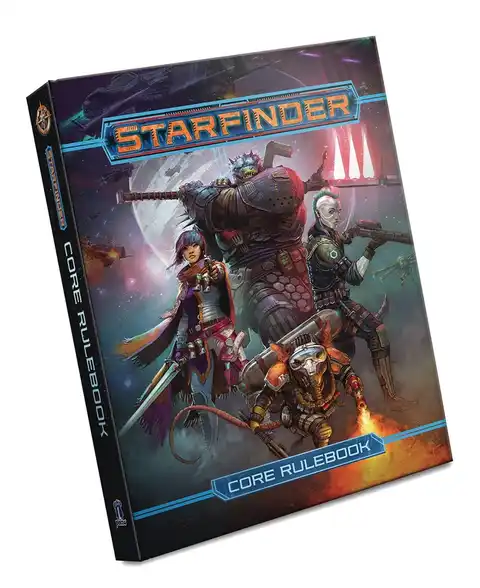
Starfinder is Paizo's science-fantasy TTRPG for crews of explorers, soldiers, mystics, and operators crossing the Pact Worlds with Pathfinder-compatible tactics, alien ancestries, and a ruleset that treats magic, firearms, hacking, and starship action as part of the same campaign.
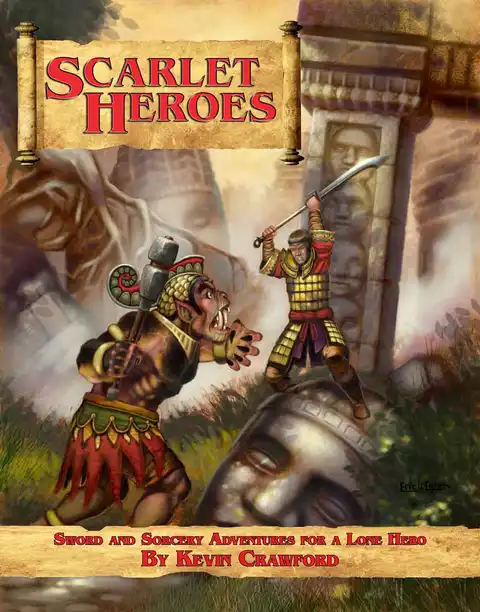
A solo-friendly sword-and-sorcery OSR game that lets one hero or a tiny party tackle classic adventures without rewriting every encounter.
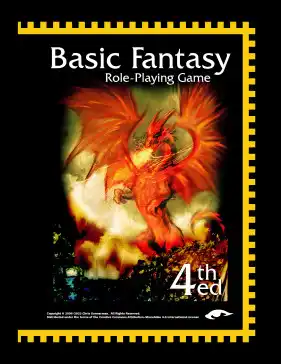
A free old-school fantasy TTRPG by Chris Gonnerman and the Basic Fantasy Project, pairing B/X-compatible adventure structure with ascending armor class, separate race and class, and a huge library of free modules and supplements.
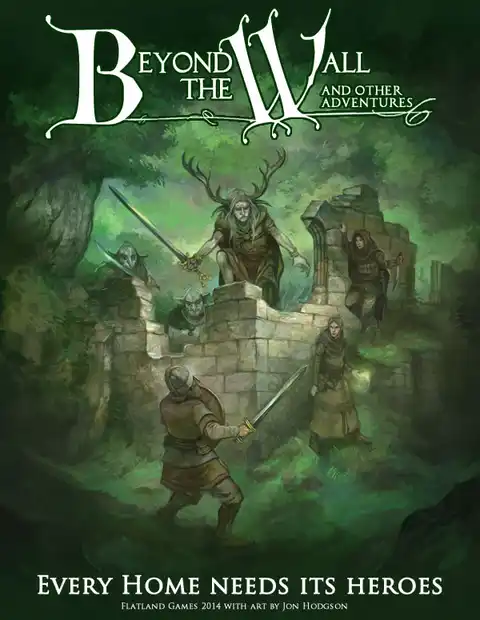
A low-prep fantasy TTRPG about childhood friends defending their village, building shared history through playbooks, and launching fast-start adventures with old-school rules and strong campaign expansion support.

Carbon 2185 is a 5e-derived cyberpunk TTRPG set in a dystopian San Francisco, built for crew jobs, augmentations, hacking, and megacorporate pressure without abandoning familiar d20 play.
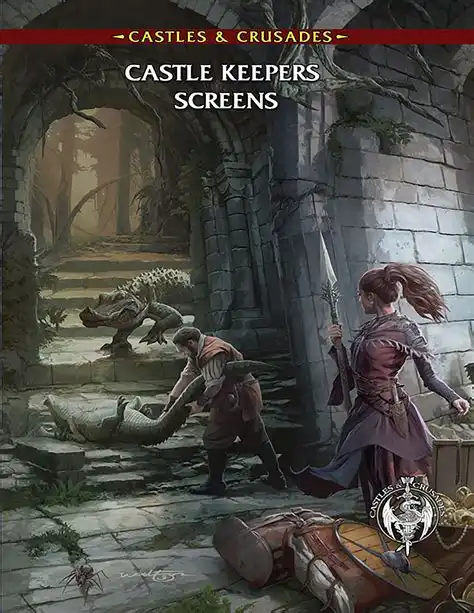
Castles & Crusades is Troll Lord Games' long-running fantasy TTRPG that uses the SIEGE Engine to deliver fast d20-style resolution, classic classes, and old-school campaign pressure without the heavier build complexity of modern crunch-first fantasy games.
Browse Fantasy if you want a genre-first route into nearby games before deciding on mechanics.
Browse Tactical Combat if Class-based is close but you want a different table emphasis within the same broad browsing lane.
Browse Old-School Renaissance (OSR) if rules lineage or compatibility matters more than the class-based label.
Browse Exploration-Driven if Class-based is close but you want a different table emphasis within the same broad browsing lane.