Top pick
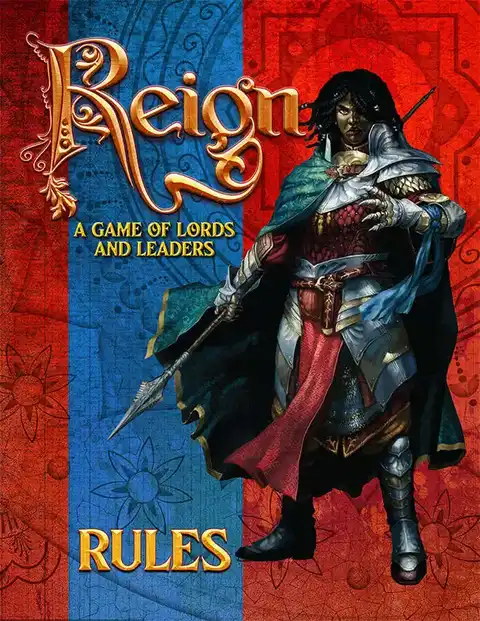
Reign
Best for campaigns where the party leads an institution: Company rules make a house, army, guild, cult, or realm a playable source of resources, leverage, and consequences.
Political TTRPGs make power visible: factions, institutions, reputation, debt, ideology, and compromise become the real terrain. Start with Cyberpunk 2020, Vampire: The Masquerade, and Traveller as comparison points, then move down the list based on whether your group wants corporate power, courtly intrigue, or institutional leverage.
When comparing political games, look at faction procedures, social consequences, character leverage, whether politics is courtly or street-level, and how much the GM prepares moving parts. Those details matter more than the tag itself, because two games can share a category while asking completely different things from the GM and players.
Use the top picks as anchors rather than treating the page like a simple popularity ranking. The goal is to answer the practical table question: which game will produce the kind of first session, campaign rhythm, and player buy-in your group is likely to enjoy?
Politics works best when players have actionable levers; avoid games where power is only background lore.
Quick starting points if you want the clearest expressions of what Political games do well.
Best for campaigns where the party leads an institution: Company rules make a house, army, guild, cult, or realm a playable source of resources, leverage, and consequences.
Best for courtly and dynastic politics, with house identity, obligation, espionage, status, and carefully timed betrayal driving play more than open combat.

Start with Traveller when politics should emerge from worlds, factions, law levels, trade, noble authority, and the crew deciding which patron or government to disappoint.
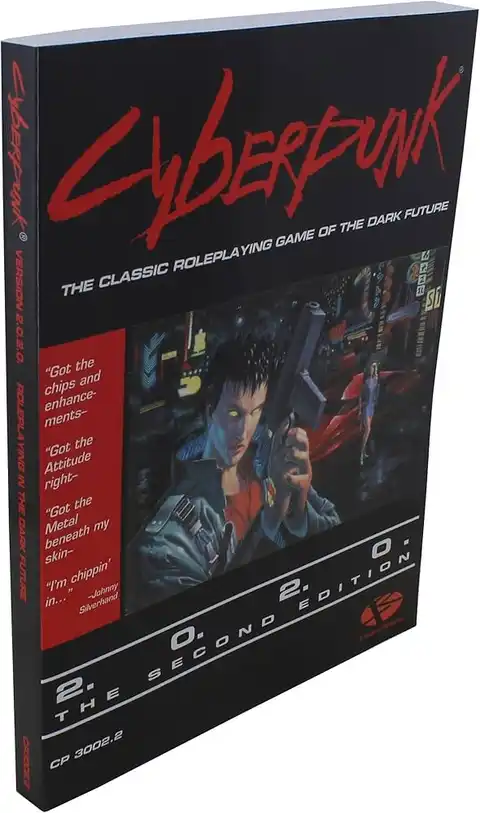
Cyberpunk 2020 is political because corporations, police, media, gangs, class, labor, and technology shape nearly every job. Even street-level play usually exposes who has power and who pays the price.
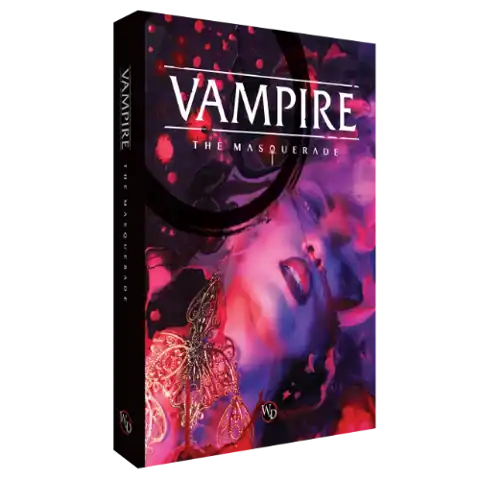
Vampire: The Masquerade belongs in political when your table wants that label to matter in play instead of only in browsing. Vampire: The Masquerade is a gothic-punk TTRPG of personal and political horror where vampires juggle hunger, humanity, coterie loyalty, and city power.
Traveller turns politics into everyday operating conditions: law levels, starports, factions, trade interests, noble authority, military power, and local governments all shape what the crew can safely do.
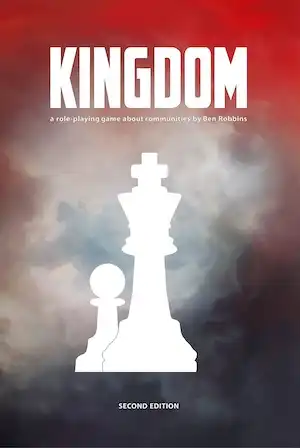
Kingdom belongs in political when your table wants that label to matter in play instead of only in browsing. Kingdom is a GMless storygame about communities under pressure, using Power, Perspective, and Touchstone roles to turn big institutional decisions into personal conflict.
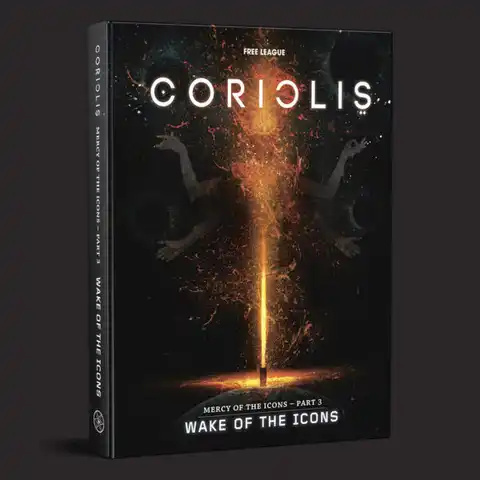
Coriolis fits the political tag when your group wants factions, colonial pressure, faith, debt, and council-level power struggles to shape which jobs exist and how every success lands.
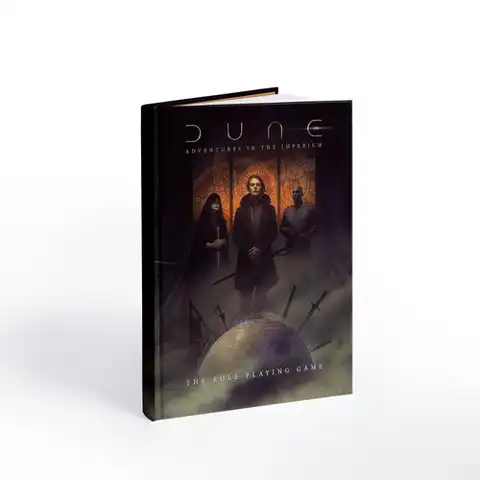
Dune is a strong political fit when your campaign wants status, leverage, obligation, betrayal, and public consequence to drive play. Most victories come from alliances, blackmail, favors, and timing, not from simply winning a fight.
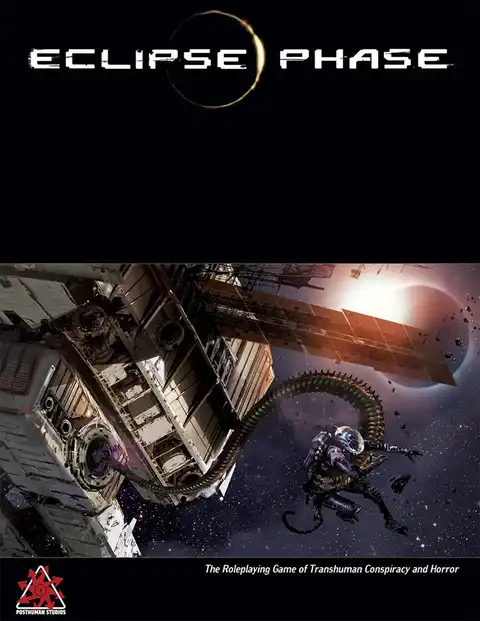
Eclipse Phase belongs in political when your table wants that label to matter in play instead of only in browsing. Eclipse Phase is a transhuman science-fiction TTRPG of conspiracies, body-swapping, and existential horror, built for groups that want big ideas and sharp consequences instead of uncomplicated heroics.
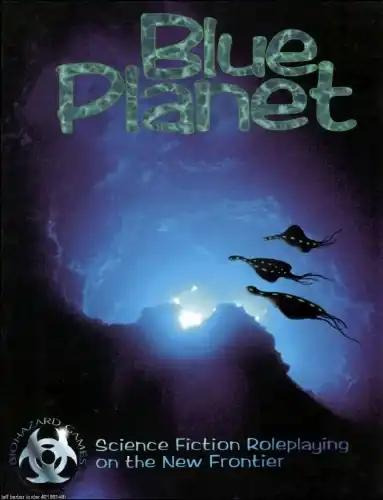
Blue Planet: Recontact belongs in political when your table wants that label to matter in play instead of only in browsing. Blue Planet: Recontact is an ecologically focused hard-science-fiction game about frontier survival, colonial pressure, and the dangerous beauty of Poseidon, a distant ocean world.
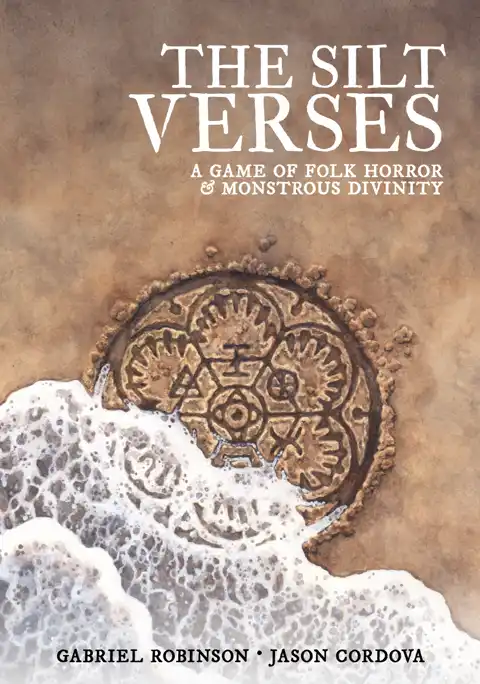
The Silt Verses belongs in Political because the Bureau, The Institute, and local communities turn divine problems into questions of power, control, institutional violence, and who gets sacrificed for order.
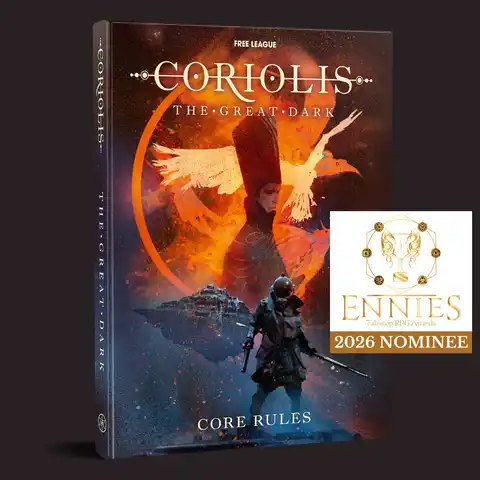
Coriolis: The Great Dark fits political play when Ship City's factions, patrons, rival expeditions, and Byzantine schemes turn discoveries into leverage rather than simple treasure.
Cloudbreaker Alliance has political texture through isolated civilizations, rebuilding after catastrophe, guild obligations, and choices about how communities reconnect, share knowledge, and survive.
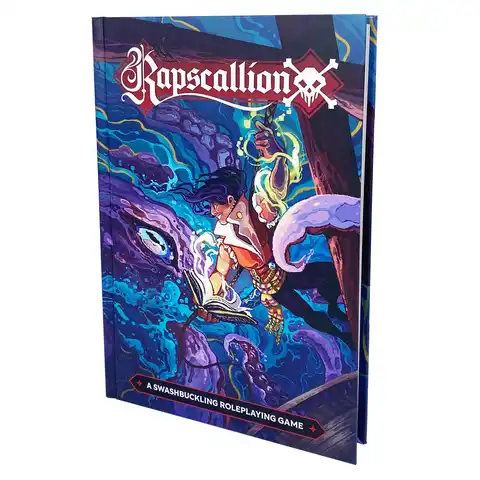
Rapscallion has a Political edge because tyranny, law, empire, factions, privateering pressure, and institutional pursuit make freedom and authority recurring sources of conflict.
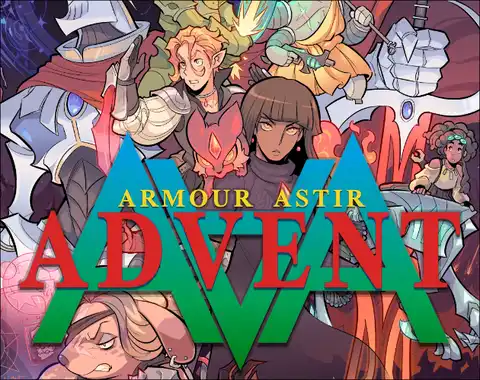
Armour Astir: Advent keeps politics on the table through the Authority, the Cause, diplomats and spies, and a Conflict Turn in which factions are claimed or defended.
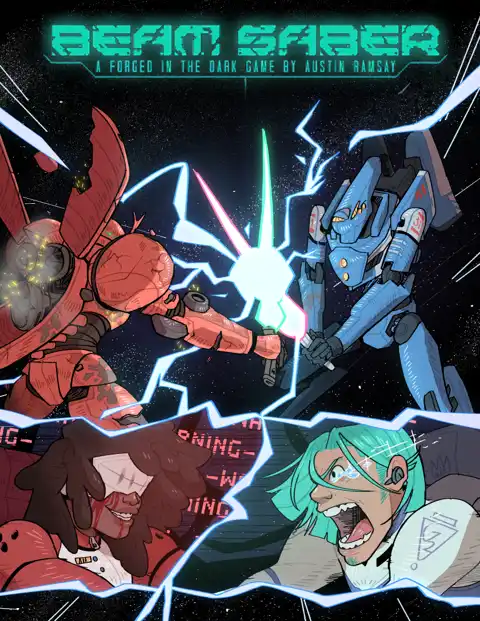
Beam Saber is political because the war, factions, command structures, occupation pressures, and squad obligations shape what missions mean beyond the immediate battlefield.
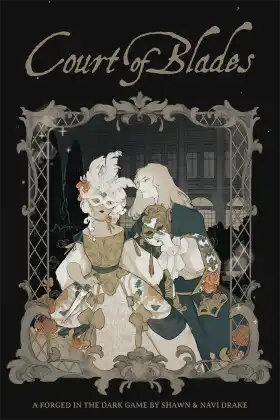
Court of Blades belongs in political when your table wants that label to shape actual play. Court of Blades is a Forged in the Dark campaign game of scandal, noble retainers, and political warfare in a fantasy renaissance city-state.

Degenesis: Rebirth belongs in political when your table wants that label to shape actual play. Degenesis: Rebirth is a free-to-play post-apocalyptic “Primal Punk” game of brutal cultures, cult politics, and survival in a shattered future Europe and North Africa.
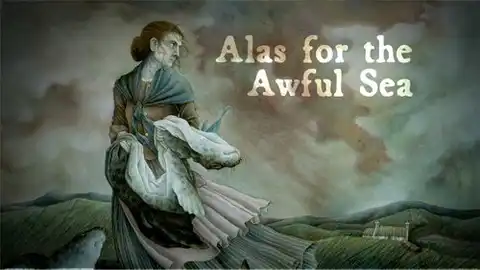
The crew faces questions of how a place should be run, amid corruption, smuggling, tradition against change, and disputes over land and resources.
Use Ars Magica when your table wants political play to shape real choices. It is most worth comparing for faction procedures, social consequences, character leverage, whether politics is courtly or street-level, and how much the GM prepares moving parts. Ars Magica is a classic fantasy RPG of wizard covenants, Mythic Europe, and troupe-style campaign play...
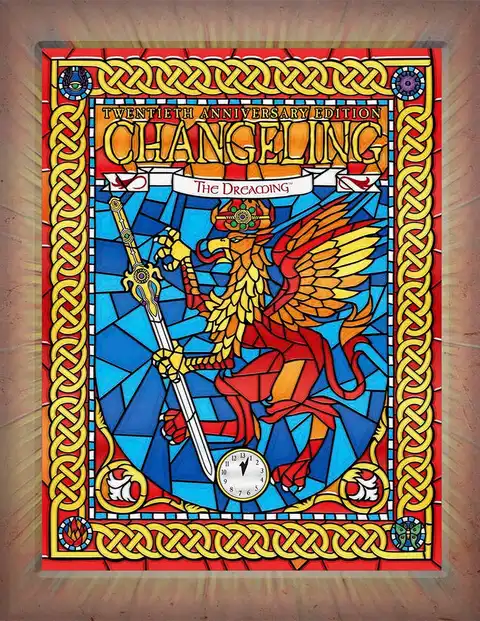
Changeling: The Dreaming fits Political play because Seelie and Unseelie courts, noble houses and the old commoner-noble war give every freehold rival factions, oaths and claims to power.

Changeling: The Lost earns Political through its freeholds: four seasonal Courts compete to rule a city, Mantle measures standing, Pledges bind allies and rivals, and the reigning Court even changes the rules the Huntsmen must obey.
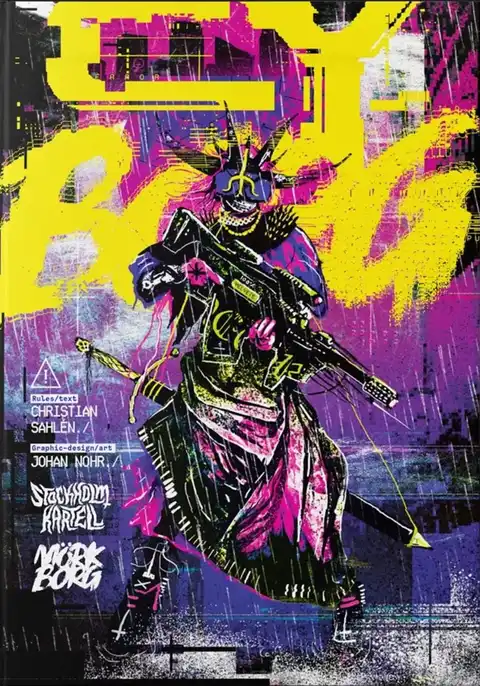
CY_BORG puts anti-corporate politics at the center: player characters are punks raging against corporate hell, the setting satirizes megacorps, cults and SecCorps, and the book forbids characters from siding with the corps, the cops or capitalism.

Cyberpunk Red is political at street level: megacorporate power, privatized force, inequality, neighborhood control, labor precarity, and media manipulation shape what jobs exist and who gets hurt by them. The game works best when those pressures stay visible.
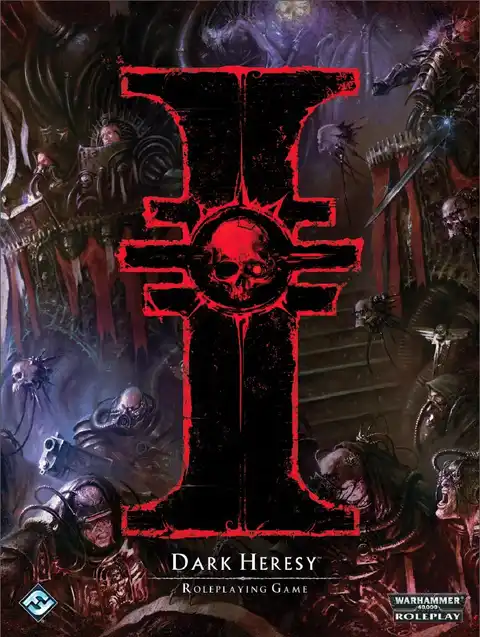
The Arbites, the Ecclesiarchy, local nobles, and rival Inquisitors can be as dangerous as the heretics, and the cell's own patron is a source of pressure as well as work.
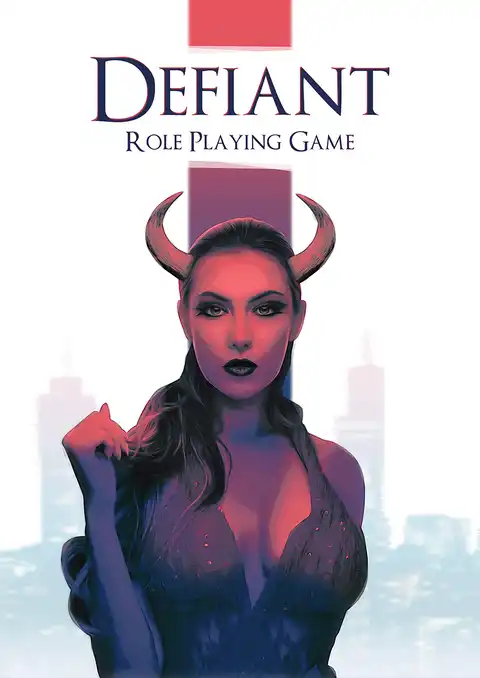
Defiant makes rulership and the demands of supernatural institutions recurring play material. Personal projects can affect local power, while the laws protecting a Domain constrain even privileged characters.
Choose by the job at the table. For political TTRPGs, compare faction procedures, social consequences, character leverage, whether politics is courtly or street-level, and how much the GM prepares moving parts. If that sounds too abstract, ask what the game makes players decide in the first hour.
Use the top picks as contrasts. Cyberpunk 2020, Vampire: The Masquerade, and Traveller are useful side by side because they show three different political loops: corporate exploitation and street survival, status-and-favor court maneuvering, and politics as the operating conditions around a working crew.
Match scope before rules. Some political games are best as one-shots, some need a short arc, and some only reveal their strengths through campaign play. Decide that scope first, then choose the rules weight your group will actually tolerate.