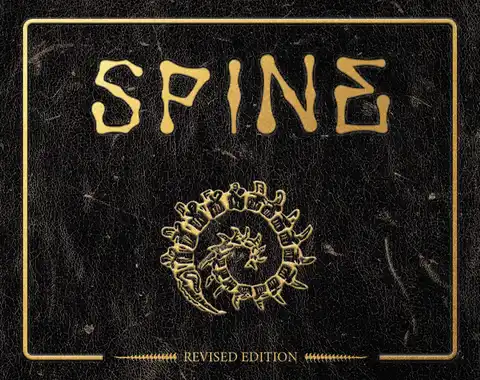
SPINE
SPINE belongs in Rules Lite because it teaches itself with a single page of rules, then lets endnotes and page prompts carry most procedures.
Rules-lite TTRPGs - often searched as rules light TTRPGs or rules light RPG systems - are best when the rules disappear quickly but the choices do not. A good light game gives the table fast characters, clear resolution, and just enough procedure to create pressure, momentum, or drama without constant rules lookup.
Use this page as a decision guide, not a page-count contest. Start with Knave RPG or Cairn 2e for dangerous fantasy, Easy D6 for new-player action, Mausritter for a light campaign with texture, Cthulhu Dark for minimalist horror, and 24XX if you want a tiny genre toolkit.
If your table is really asking for less GM work, compare low-prep. If you want old-school danger, compare OSR and NSR. If you want more character options, move up to rules-medium.
SPINE belongs in Rules Lite because it teaches itself with a single page of rules, then lets endnotes and page prompts carry most procedures.
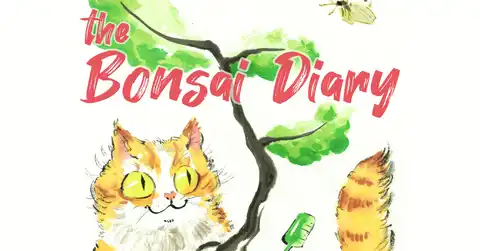
The Bonsai Diary is rules-lite because the procedure is simple: trace the prior tree, add a stroke, answer the prompt, and turn the page.
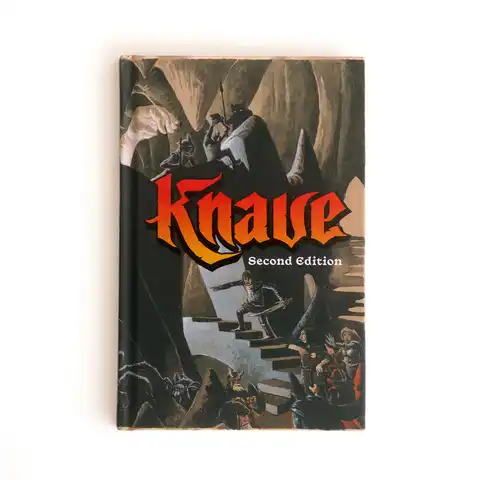
Knave is Ben Milton's classless OSR fantasy TTRPG, and its current second edition pairs fast character creation with a stronger GM toolkit for dungeons, hexcrawls, downtime, and module-driven campaigns. It is a strong fit for groups that want dangerous expeditions and meaningful gear choices without a heavy character-build game.
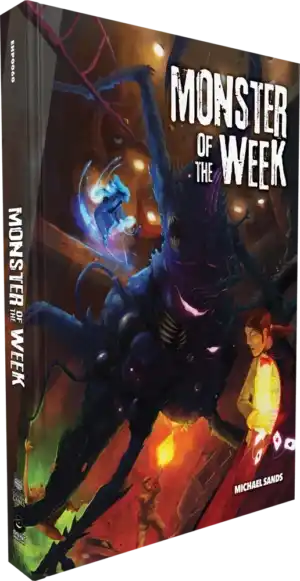
Monster of the Week is Michael Sands' modern supernatural mystery-horror TTRPG, built for Buffy-, Supernatural-, and X-Files-style campaigns. Hunters investigate strange cases, identify the monster's weakness, and confront it in fast, consequence-driven Powered by the Apocalypse play.
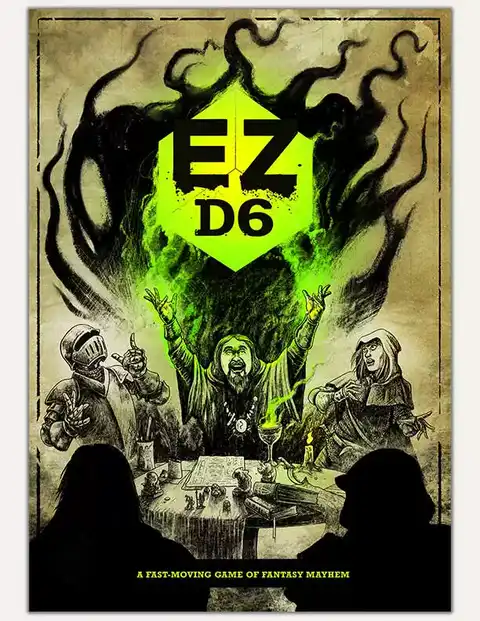
EZD6 is a fast fantasy TTRPG by DM Scotty and Runehammer Games, built around hero paths, quick d6 resolution, improvisational magic, and swingy low-friction adventure.
Apocalypse World is the original Powered by the Apocalypse TTRPG: a post-apocalyptic game of scarcity, leverage, hard choices, and volatile relationships where playbooks and moves keep every session politically and personally unstable.

Pirouette uses a compact solo procedure: build a routine, draw cards, answer prompts, track exhaustion, and pull blocks as the performance worsens.
Odyssey of the Giant is rules-lite because its public materials describe simple solo rules, dice, prompts, hexes, and random tables rather than a heavy combat or build engine.
A free classless fantasy TTRPG by Yochai Gal and Cairn Press, built for dangerous woodland exploration, slot-based inventory pressure, fiction-first growth, and fast OSR/NSR play.
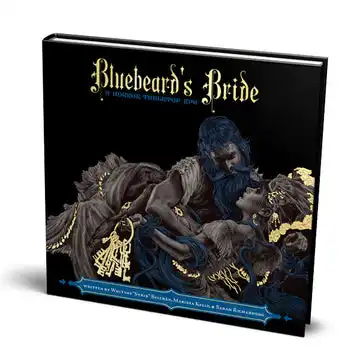
Bluebeard's Bride is Magpie Games' gothic horror PbtA one-shot about multiple players sharing one Bride as she explores her husband's mansion room by room. It is one of the sharpest choices for tables that want feminist horror, symbolic revelation, and a memorable single session, but it is a poor fit for low-intensity groups or campaign-minded players who want empowerment and tactical problem-solving.
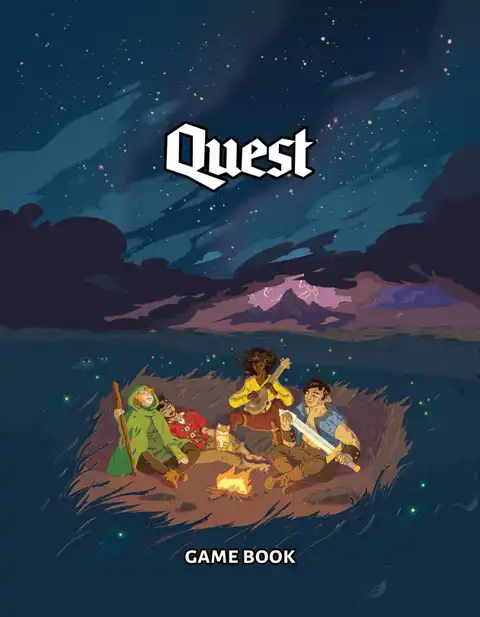
Quest is a free beginner-friendly fantasy TTRPG that trades modifier math and money tracking for fixed d20 outcomes, vivid role abilities, and one of the clearest onboarding paths in the hobby.
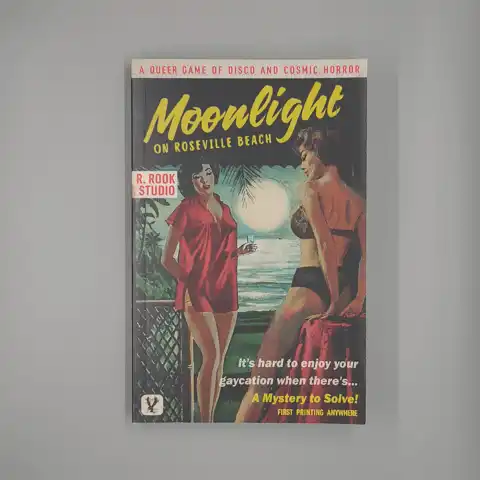
A queer 1979 beach-town mystery TTRPG where amateur sleuths protect Roseville Beach from phantasms, occult trouble, old gods, and social pressure.
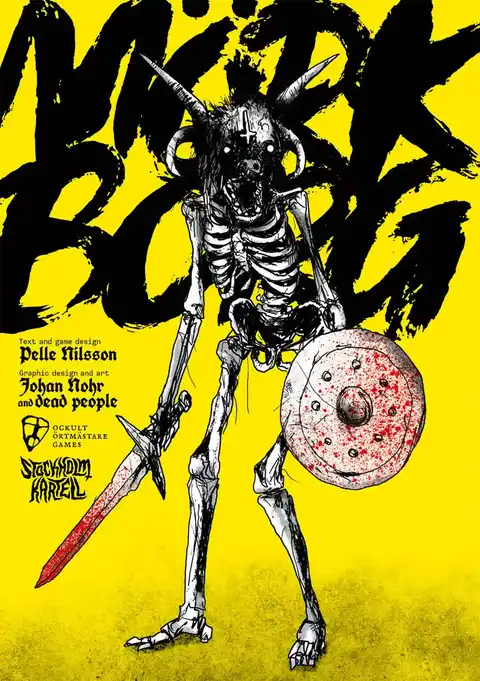
Mörk Borg is a pitch-black apocalyptic fantasy OSR TTRPG by Pelle Nilsson and Johan Nohr, built for lethal expeditions, black-humor doom, fast character loss, and tables that want tone to shape actual play instead of sitting in the background.
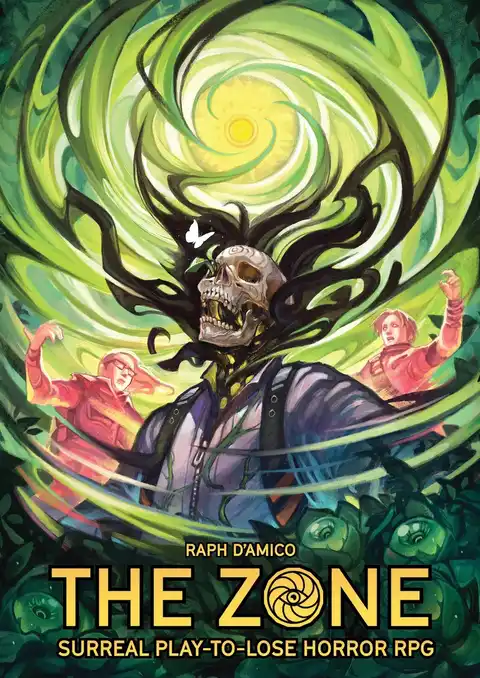
The Zone is Raph D'Amico's GMless, card-driven TTRPG of surreal play-to-lose horror, sending 1-6 doomed characters into an alien place that manifests their phobias and obsessions until mutation, death, and one final wish define the expedition.
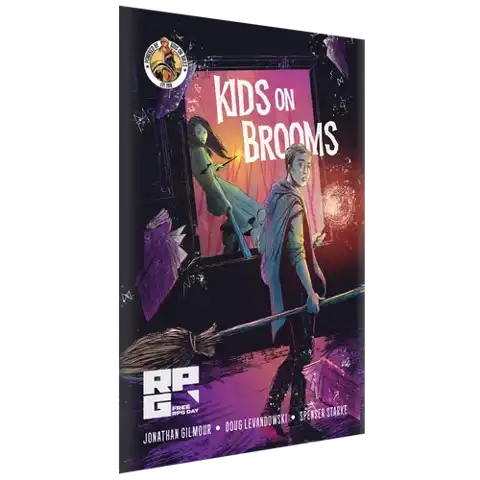
Kids on Brooms is a rules-light magical-school TTRPG about young witches and wizards building their own school, uncovering secrets, casting flexible spells, and handling mystery, danger, homework, friendships, and magical trouble through the Kids on Bikes framework.
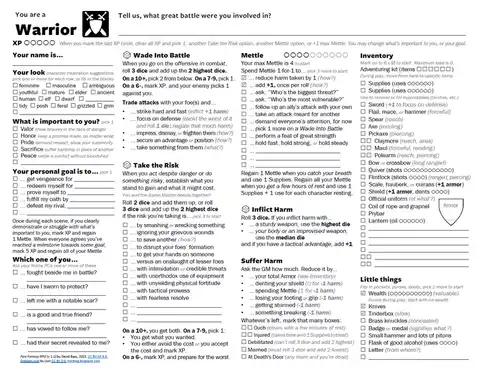
Fast Fantasy is a free 16-page fantasy TTRPG that compresses Dungeon World-style move play into a quick, low-prep engine for one-shots and short arcs.
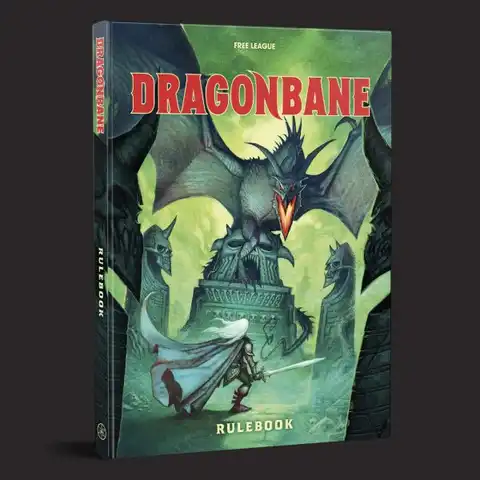
Dragonbane is Free League's fast fantasy TTRPG: roll-under d20 skills, brisk tactical combat, low-prep adventures, and a classic Misty Vale campaign frame with room for humor and real danger.
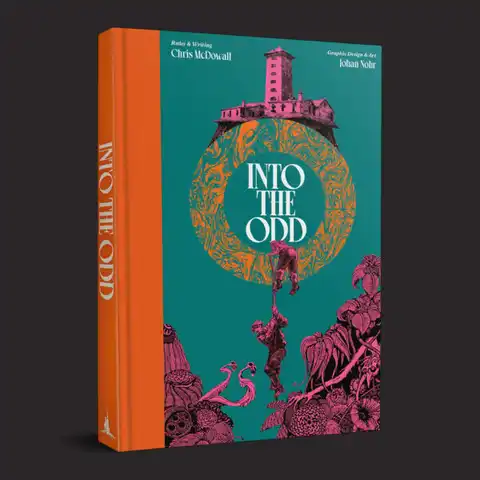
Into the Odd is a minimalist exploration game of industrial horror and cosmic strangeness, built for fast expeditions, dangerous treasure hunts, and weird discoveries in and around Bastion.

24XX is a rules‑lite sci‑fi toolkit SRD: pick a die, roll high, keep play fast, and favor clear fictional positioning over build math. Classless, ultra‑hackable, and ideal for one‑shots or quick campaigns, it powers 2400’s lo‑fi modules but adapts to any genre.
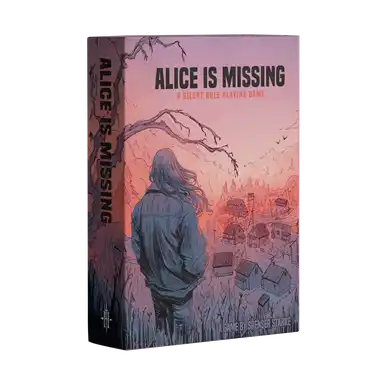
Alice Is Missing is Spenser Starke's silent mystery TTRPG about a missing high-school student, played entirely through text messages over a single emotionally intense session.
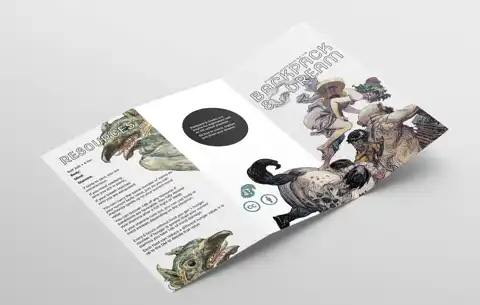
Backpack & Dream is a small indie RPG with a drifting, introspective feel that favors mood, memory, and intimate character focus over mechanical density.
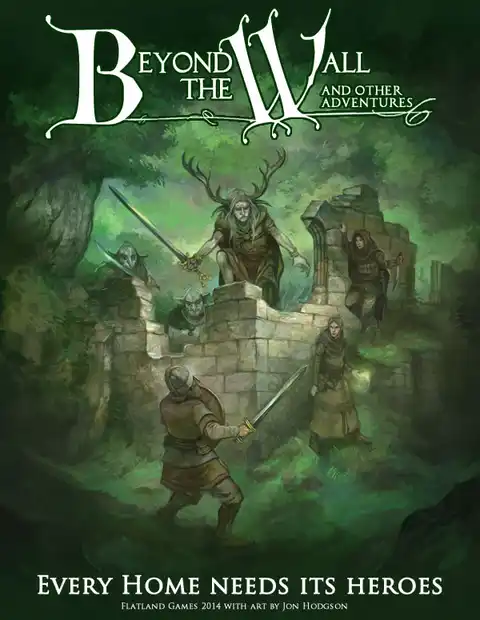
A low-prep fantasy TTRPG about childhood friends defending their village, building shared history through playbooks, and launching fast-start adventures with old-school rules and strong campaign expansion support.
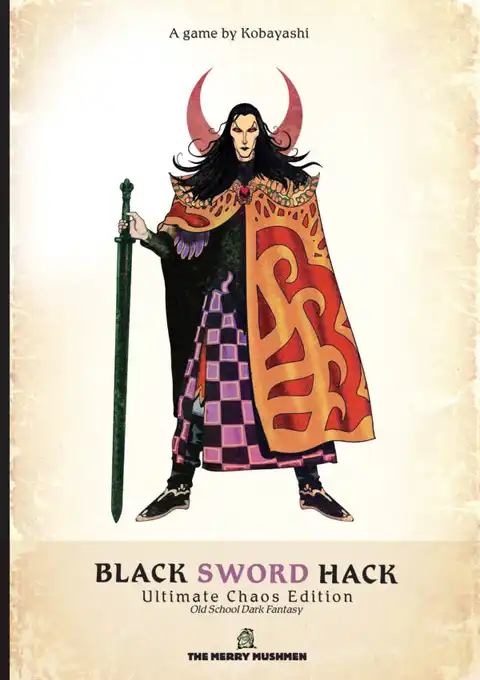
A dark fantasy OSR RPG built on The Black Hack, inspired by Moorcock, Howard, and Leiber. Features classless character creation with origins and backgrounds, the Doom die for Law/Chaos influence, and robust worldbuilding tools for sword-and-sorcery campaigns.
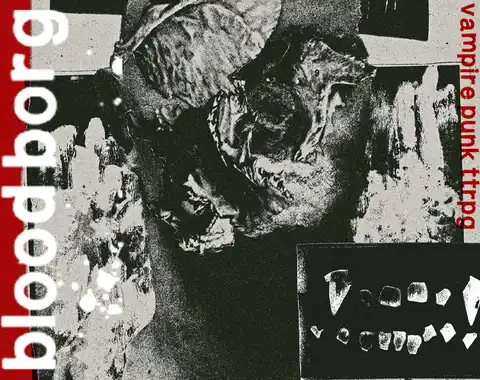
Blood Borg is a punk vampire RPG about hunger, mess, and surviving with style in a world that wants the monster and the subculture at the same time.
Rules-lite is best understood as a promise about table load: fewer procedures to remember, faster characters, and less time looking things up. That still leaves several different kinds of games. Pick the constraint your table actually has first, then compare games inside that lane.
| If your table wants... | Start with | Why it fits | Also compare |
|---|---|---|---|
| Fast fantasy dungeon crawling | Knave RPG | Classless characters, slot-based inventory, quick rulings, and old-school problem solving without a large rules burden. | Cairn, Into the Odd, Mausritter |
| New-player action | Easy D6 | Fast resolution and clear table flow make it easier to teach while people are already playing. | Tiny Dungeon, Risus, beginner-friendly games |
| A longer rules-lite campaign | Mausritter | Light rules plus tactile inventory, faction play, and mouse-scale danger give repeated sessions more structure. | Cairn, Beyond the Wall, low-prep games |
| Minimalist exploration | Cairn | Compact saves, inventory pressure, and a strong exploration loop make it a good first stop for Into the Odd-style play. | Into the Odd, Electric Bastionland, NSR games |
| Horror or investigation with minimal mechanics | Cthulhu Dark | The rules stay tiny, but they put pressure on investigation, dread, and inevitable danger. | Breathless, The Wretched, horror games |
| A tiny genre toolkit | 24XX | A compact engine for one-shots, hacks, and small genre games where the premise matters more than a long rules text. | Risus, Fate Accelerated, universal games |
| Casual one-shot comedy or mashups | Risus | Character concepts become quick clichés, which works well for loose premises and low-prep play. | Honey Heist, The Witch is Dead, one-shot-friendly games |
| Dark fantasy with sharp presentation | Mörk Borg | Fast, lethal fantasy horror with a light mechanical footprint and a very strong tone. | Black Sword Hack, Trophy, dark fantasy games |
The shortest rulebook is not automatically the best fit. For adventure games, look for procedures that create pressure: inventory, exploration turns, consequences, factions, or dangerous locations. For horror, look for escalation and stress. For one-shots, look for fast setup and a premise that naturally reaches an ending. For universal games, look for a small engine that still gives the table enough genre cues to make scenes work.
| Nearby category | What it actually means | When to use it instead |
|---|---|---|
| Low-prep | How much work the GM needs before play. | Use it when prep time is the problem, even if the rules are not especially light. |
| Beginner-friendly | How easy the game is to teach, enter, and run for people new to the hobby or genre. | Use it when onboarding matters more than page count. |
| OSR / NSR | A style of adventure play built around exploration, risk, rulings, and consequences. | Use these when you want old-school or new-school adventure procedures, not just fewer rules. |
| Rules-medium | More mechanical weight, usually with more character options, subsystems, or advancement structure. | Use it when your group wants builds, tactical choices, or long-term mechanical growth. |
In practice, choose rules-lite when you want decisions to come mostly from the fictional situation instead of from a large menu of mechanical options. Choose a neighboring category when the real requirement is easier prep, easier teaching, a specific old-school play style, or more mechanical depth.