Ten Candles
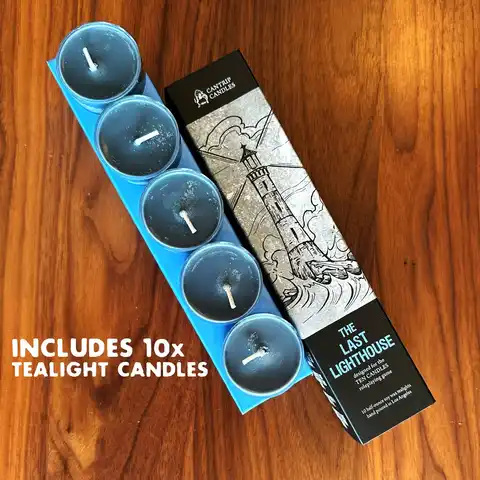
Ten Candles fits Collaborative because players help define truths, shape the tragedy, and steer the emotional arc together even though one GM still controls Them and external pressure.
Collaborative TTRPGs move authority around the table, so the real fit question is how much authorship your players want to share. Start with Dream Askew, Fellowship, Goblin Quest, Legacy: Life Among the Ruins, and Wanderhome as comparison points, then move down the list based on the kind of table need your group actually wants.
When comparing collaborative games, look at who frames scenes, who invents setting facts, how conflicts get resolved, how much the GM role changes, and whether quieter players get support. Those details matter more than the tag itself, because two games can share a category while asking completely different things from the GM and players.
Use the top picks as anchors rather than treating the page like a simple popularity ranking. The goal is to answer the practical table question: which game will produce the kind of first session, campaign rhythm, and player buy-in your group is likely to enjoy?
These games can stall if the table wants freedom but not responsibility for tone, pacing, or consequences.
Choose by the job at the table. For collaborative TTRPGs, compare who frames scenes, who invents setting facts, how conflicts get resolved, how much the GM role changes, and whether quieter players get support. If that sounds too abstract, ask what the game makes players decide in the first hour.
Use the top picks as contrasts. Dream Askew and Fellowship are useful side-by-side because they show different ways this category can work. Goblin Quest adds another angle, while Legacy: Life Among the Ruins helps test whether your table wants a different commitment level.
Match scope before rules. Some collaborative games are best as one-shots, some need a short arc, and some only reveal their strengths through campaign play. Decide that scope first, then choose the rules weight your group will actually tolerate.
Ten Candles fits Collaborative because players help define truths, shape the tragedy, and steer the emotional arc together even though one GM still controls Them and external pressure.
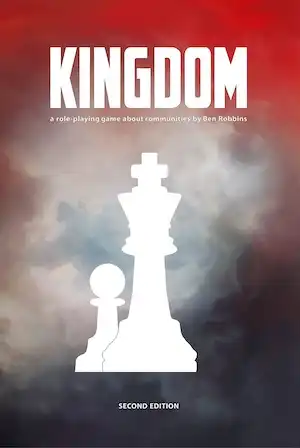
Kingdom belongs in collaborative when your table wants that label to matter in play instead of only in browsing. Kingdom is a GMless storygame about communities under pressure, using Power, Perspective, and Touchstone roles to turn big institutional decisions into personal conflict.
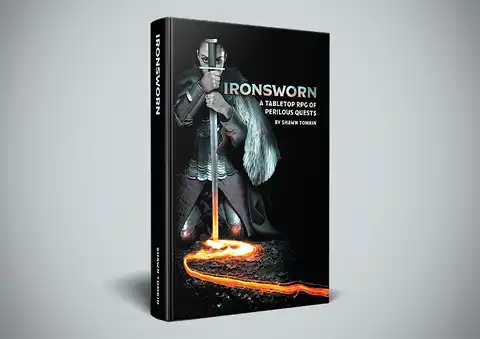
Ironsworn belongs in collaborative when your table wants that label to shape actual play. Ironsworn is a free dark-fantasy game of perilous vows built for solo, co-op, or guided play, with moves, momentum, and oracles all reinforcing quest-driven adventure.
Ars Magica belongs in collaborative when the table wants shared authorship without going GM-less. The Storyguide still has a major role, but troupe play and covenant stewardship ask players to help shape cast rotation, world details, and the saga's long-term priorities.

Cortex Prime is an award-winning modular TTRPG toolkit for building custom dramatic games around trait dice pools, genre emulation, and rules that spotlight what a specific campaign cares about.
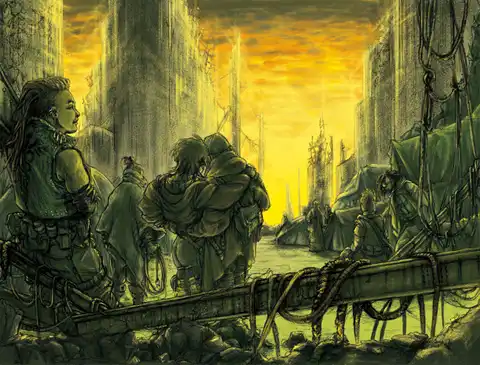
Dream Askew is a diceless, GMless game about queer community, scarcity, and survival in a dreamy post-apocalyptic enclave.
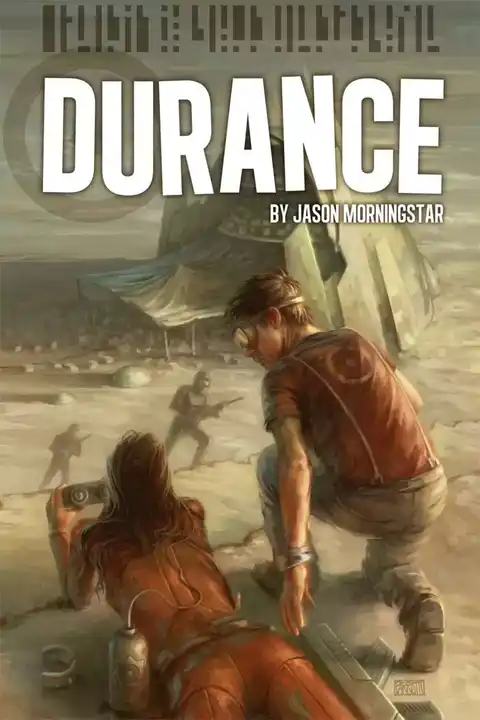
On a remote prison planet, convicts and guards struggle to survive in a brutal hierarchy. This fast-paced, collaborative game emphasizes hard choices and conflicting codes of conduct as everyone fights for limited resources and power.
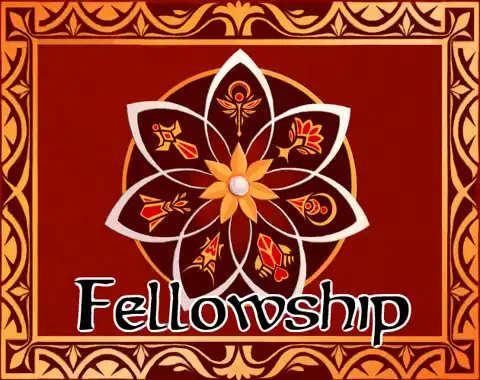
Fellowship is a Powered by the Apocalypse fantasy RPG about a diverse party uniting against an overwhelming threat while sharing authority over the world they defend.
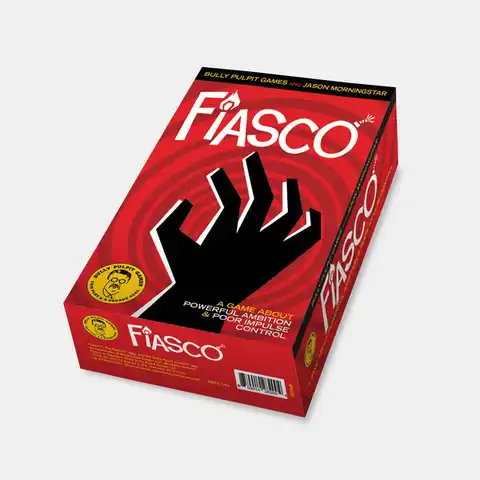
Fiasco is Jason Morningstar's GM-less caper tragicomedy TTRPG: a card-based one-shot engine for 3-5 players about ordinary people with powerful ambition, poor impulse control, and plans that collapse beautifully.

Alex Roberts' For the Queen is a GM-less prompt-driven story game about a Queen's retinue on a dangerous journey. It uses a question deck to turn love, doubt, and devotion into a low-prep one-shot with a built-in emotional climax.
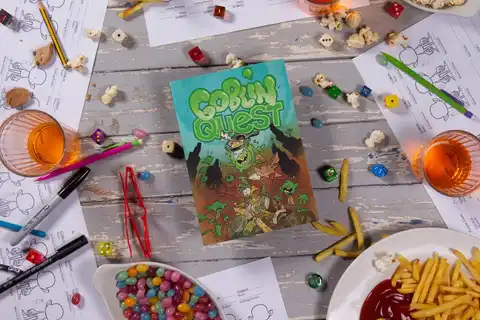
Goblin Quest is a comedic disaster RPG where players burn through bands of tiny goblins pursuing grand plans they are almost guaranteed to ruin.
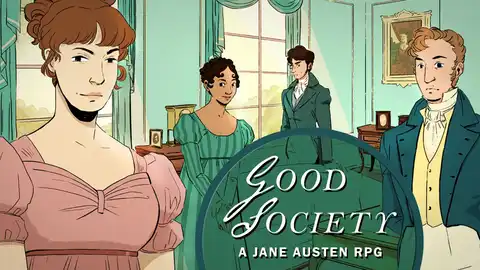
Good Society is collaborative in practice because players build intertwined families, desires, and obligations together, then use prompts and shared scene authority to keep the social web moving.
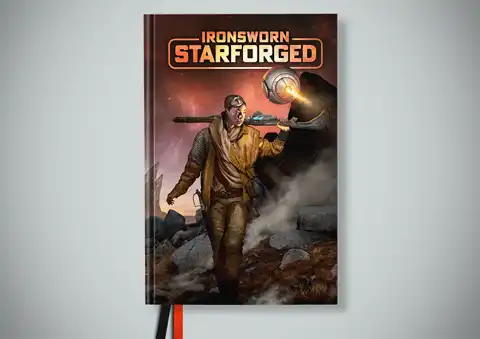
Starforged fits collaborative play when your table wants shared authorship with real structure: players help define truths, interpret oracles, and decide how weak hits and discoveries change the frontier.

Legacy: Life Among the Ruins is a post-apocalyptic generational RPG about communities, bloodlines, and the long consequences of what survivors build after collapse.

A re-imagining of The Quiet Year that centers on monstrosity and decolonization. Players collectively map a community of monsters rebuilding after driving off human occupiers. The game delivers poignant storytelling about healing and self-discovery
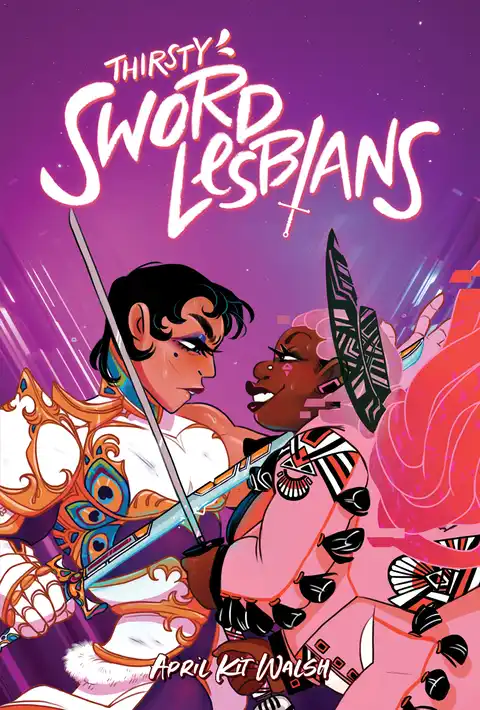
Thirsty Sword Lesbians is a Powered by the Apocalypse romantic adventure TTRPG about queer swashbuckling, messy feelings, and duels where emotional stakes matter as much as the fight.
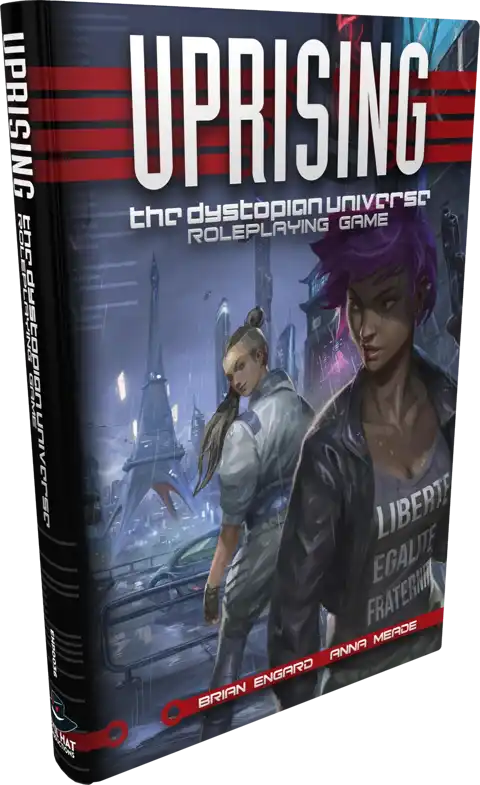
Uprising is a dystopian RPG about rebellion, community pressure, and resisting systems built to keep people compliant and isolated.
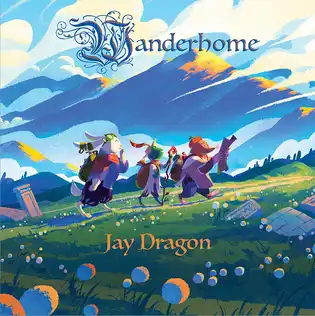
Wanderhome is Jay Dragon and Possum Creek Games' pastoral fantasy TTRPG about animal-folk travelers in Haeth, using Belonging Outside Belonging's diceless shared-authority structure to turn hospitality, grief, and small acts of care into the core of play.
Browse Narrative-Driven if you want to compare the underlying play procedure behind this collaborative selection.
Browse Team-Based if you want to compare the underlying play procedure behind this collaborative selection.
Browse Beginner-Friendly if Collaborative is close but you want a different table emphasis within the same broad browsing lane.
Browse Low Prep if Collaborative is close but you want a different table emphasis within the same broad browsing lane.