Top pick
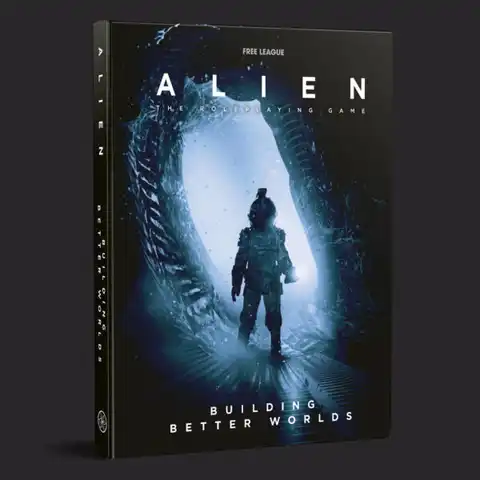
Alien
Best for cinematic sci-fi survival horror where stress, scarcity, panic, and known franchise threats give the table immediate pressure.
Horror TTRPGs create fear through different structures: investigation, pursuit, isolation, body horror, doomed tragedy, or supernatural mystery. Start with Alien for cinematic survival, Call of Cthulhu for investigation, Dread for physical one-shot tension, and Ten Candles for tragic horror with a known ending.
Choose the fear before the system. Decide whether the table wants to uncover something, escape something, watch characters change, or face an ending they cannot avoid. Then compare intensity, safety tools, campaign length, and whether the rules track stress, sanity, corruption, scarcity, or physical danger.
A good horror game for one group can be the wrong structure or intensity for another. Set boundaries before play, distinguish surprise from unwanted content, and pick procedures that produce the kind of fear everyone agreed to explore.
Quick starting points if you want the clearest expressions of what Horror games do well.
Best for cinematic sci-fi survival horror where stress, scarcity, panic, and known franchise threats give the table immediate pressure.
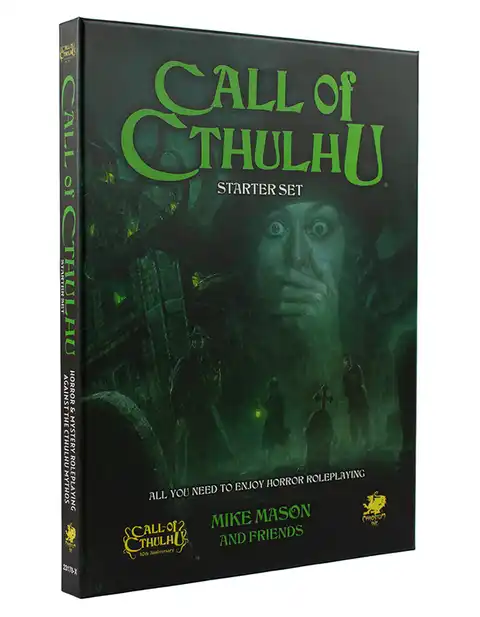
Best first stop for classic investigative horror, cosmic dread, fragile investigators, clues, sanity pressure, and long-running mystery campaigns.
Best for one-shot horror built around physical tension, simple characters, and a tower that makes every risky action visible.
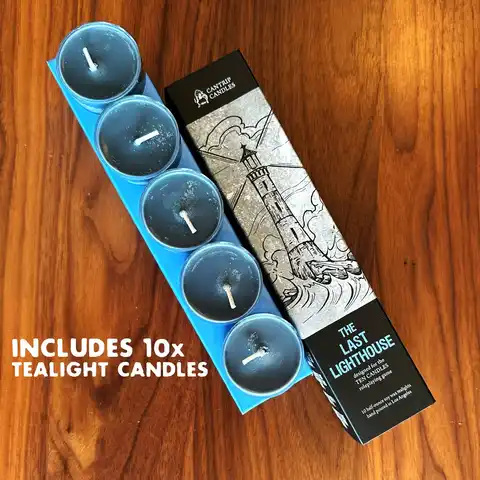
Best for tragic one-shot horror where the story is about how characters face the dark, not whether they can escape it.
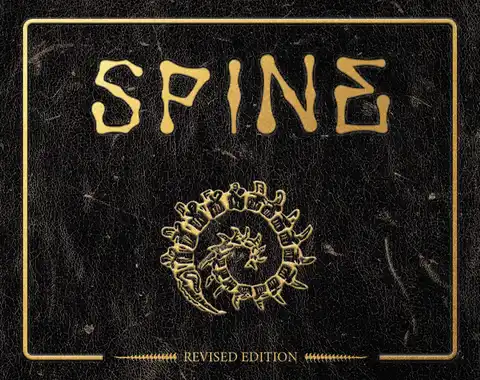
SPINE belongs in Horror because the central pressure is being absorbed by a dangerous book, with possession, bodily loss of control, and physical defacement turning reading into escalating dread.
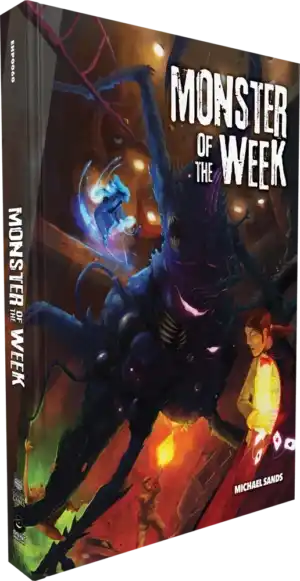
Monster of the Week fits horror when you want hunters capable enough to fight back rather than helpless survivors. Fear comes from countdown pressure, ugly reveals, and collateral damage, not from sanity accounting or inevitable doom.
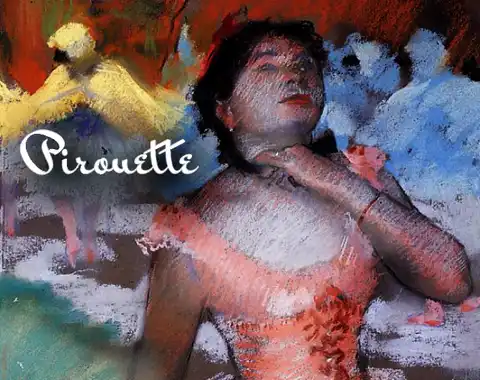
Pirouette belongs in Horror because the whole solo routine is built around pain, exhaustion, bodily risk, and an eldritch Audience watching for a fatal mistake.
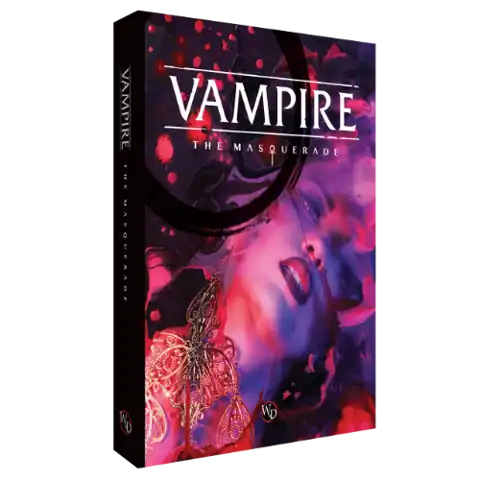
Vampire: The Masquerade belongs in horror when your table wants that label to matter in play instead of only in browsing. Vampire: The Masquerade is a gothic-punk TTRPG of personal and political horror where vampires juggle hunger, humanity, coterie loyalty, and city power.
Use Alien when your table wants horror play to shape real choices. It is most worth comparing for what the table is afraid of, intensity, safety tools, whether rules track stress or sanity, and whether the game wants one-shot pressure or campaign dread. Alien RPG is Free League’s cinematic sci-fi horror TTRPG, built for stress, panic, corporate betrayal,...
Use Ten Candles when your table wants horror play to shape real choices. It is most worth comparing for what the table is afraid of, intensity, safety tools, whether rules track stress or sanity, and whether the game wants one-shot pressure or campaign dread. Ten Candles is a tragic horror storytelling game designed for one-shot sessions.
Use Dread when your table wants horror play to shape real choices. It is most worth comparing for what the table is afraid of, intensity, safety tools, whether rules track stress or sanity, and whether the game wants one-shot pressure or campaign dread. Dread RPG is a unique horror tabletop game renowned for its use of a Jenga tower instead of dice to...
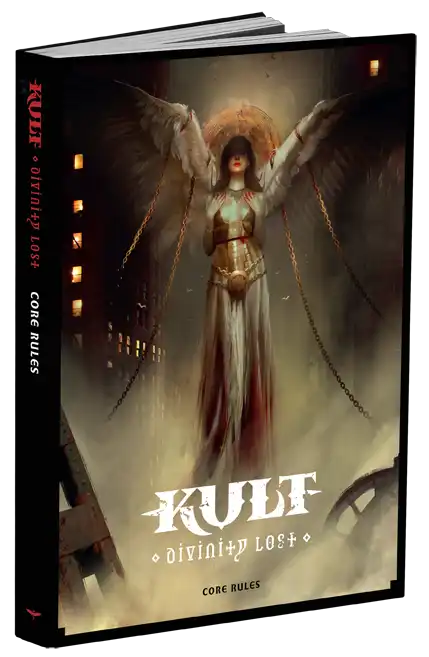
Kult: Divinity Lost fits horror when the table wants adult psychological dread, occult revelation, and personal collapse instead of survivable genre thrills or monster-of-the-week action.
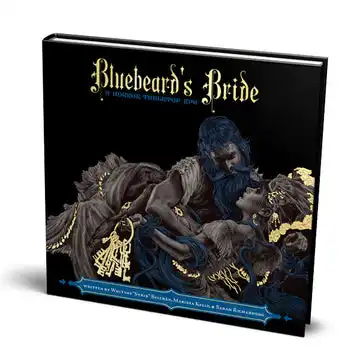
Bluebeard's Bride belongs in Horror because every room is built to wound, unsettle, or implicate the Bride, and the rules keep fear, trauma, and unsafe choices in the foreground rather than treating them as flavor.
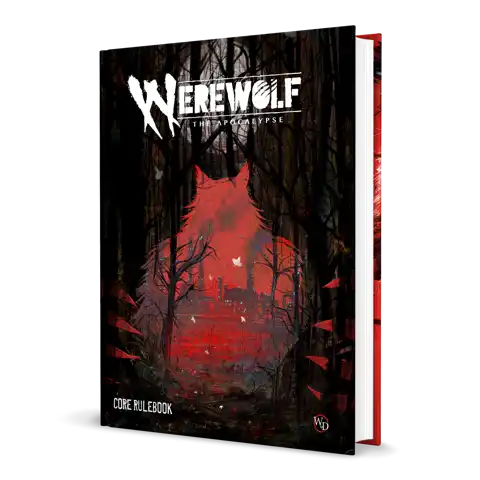
Werewolf: The Apocalypse fits Horror when you want fear to come from living inside a doomed, angry world rather than solving one isolated mystery. Its pack play, Rage pressure, and brutal consequences keep horror active across a chronicle instead of only in a single reveal.
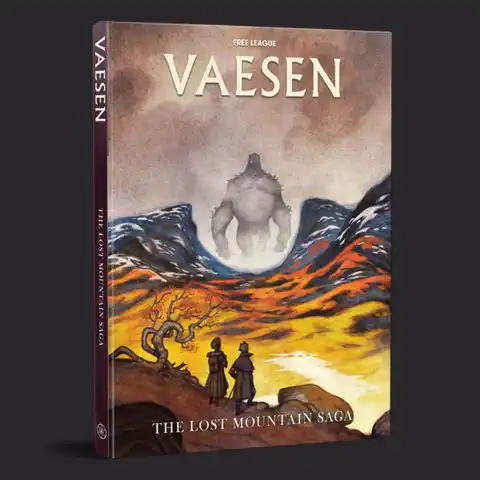
Vaesen fits horror when the table wants dread, folklore, and investigation to matter more than splatter or pure survival. The pressure comes from unraveling what the vaesen wants, what old wrong awakened it, and what the investigators are willing to sacrifice to set things right.
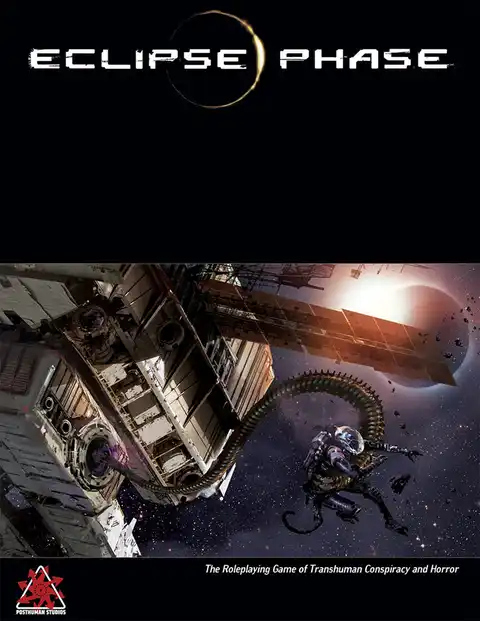
Eclipse Phase fits horror when your table wants existential dread and body-autonomy loss more than jump scares. Its fear comes from resleeving, memory tampering, x-risks, and the idea that the tools keeping you alive can also erase what makes you you.
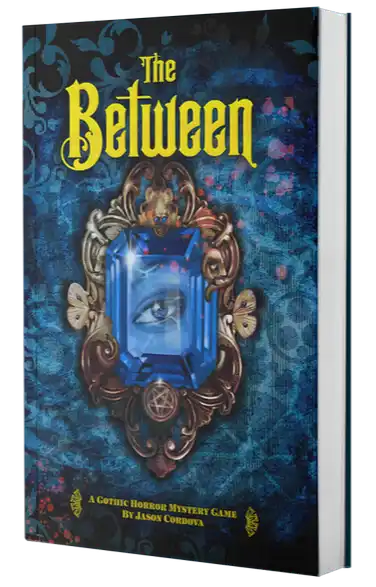
The Between fits Horror through mature supernatural Threats, serial-killer and monster-hunter cases, night-phase danger, and personal revelations that make fear psychological as well as external.
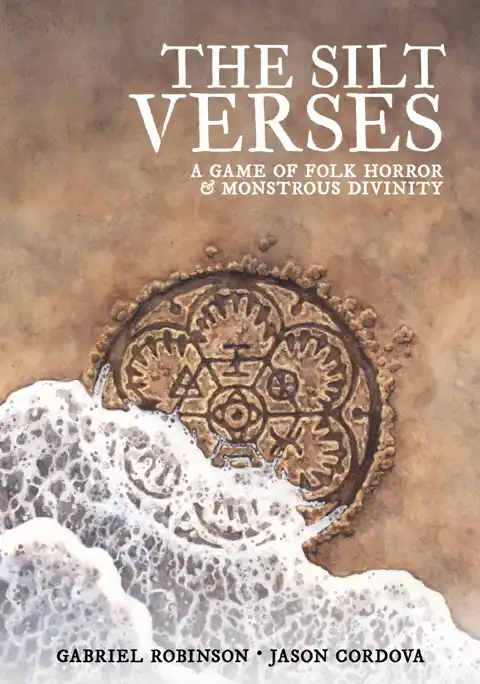
The Silt Verses belongs in Horror because every assignment treats divinity as dangerous, bodily, and socially embedded. It is strongest for tables that want dread to come from faith, sacrifice, coercion, and the awful cost of solving a community problem.
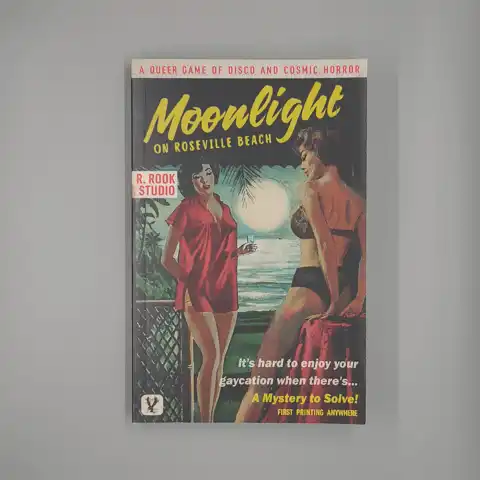
Moonlight on Roseville Beach fits Horror because its supernatural cases are not just colorful backdrop: the threats press on identity, community safety, romance, and the fragile refuge of a queer beach town.
Use Call of Cthulhu when your table wants horror play to shape real choices. It is most worth comparing for what the table is afraid of, intensity, safety tools, whether rules track stress or sanity, and whether the game wants one-shot pressure or campaign dread. Call of Cthulhu plunges players into the eerie world of H.P.
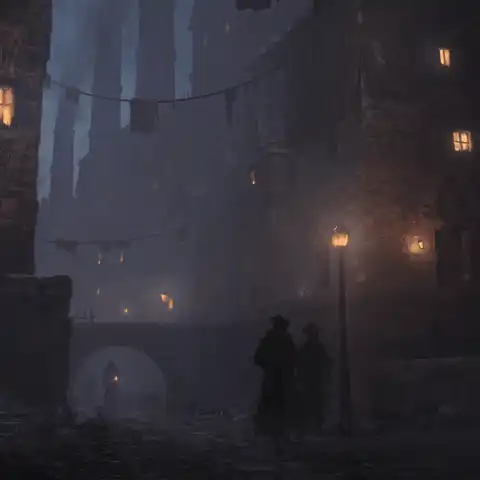
Hollows belongs in Horror because the tactical fights are not detached set pieces; every Entity is rooted in a poisoned personal hell, body horror, trauma, and violent transformation.
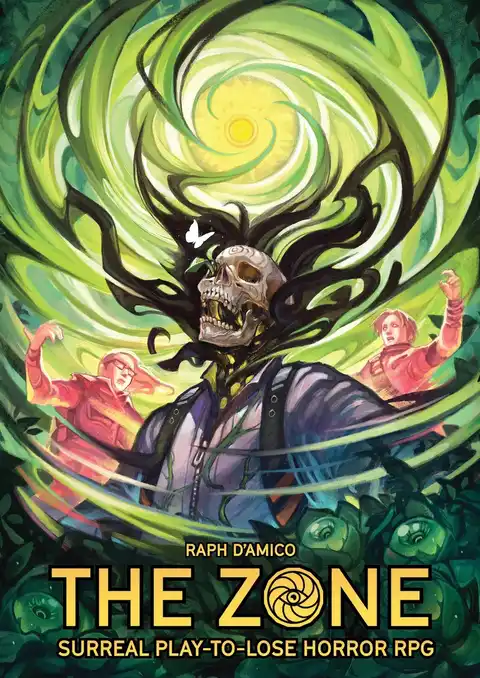
The Zone belongs in Horror because every procedure points toward fear, body change, doomed choices, and the slow collapse of an expedition inside a place that reflects the characters' phobias and obsessions.
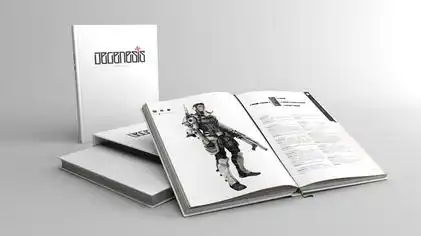
Degenesis: Rebirth belongs in horror when your table wants that label to shape actual play. Degenesis: Rebirth is a free-to-play post-apocalyptic “Primal Punk” game of brutal cultures, cult politics, and survival in a shattered future Europe and North Africa.
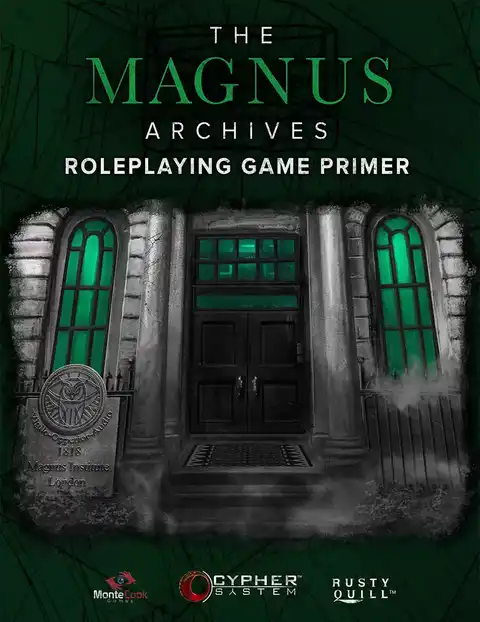
The Magnus Archives belongs in horror when your table wants that label to shape actual play. The Magnus Archives Roleplaying Game adapts the horror podcast into a story-focused investigative game about witness statements, fear, and supernatural cases using a tailored Cypher-based framework.
Use A Torch in the Dark when your table wants horror play to shape real choices. It is most worth comparing for what the table is afraid of, intensity, safety tools, whether rules track stress or sanity, and whether the game wants one-shot pressure or campaign dread. A Torch in the Dark is a rules-lite solo dungeon delver using Forged in the Dark mechanics.
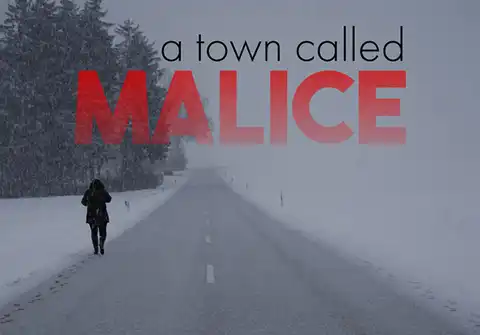
A Town Called Malice fits Horror through isolation, a discovered body, social collapse, and a darkness pressing on a town that already feels trapped. Choose it when the fear should come from community secrets and shared dread rather than tactical survival procedures.
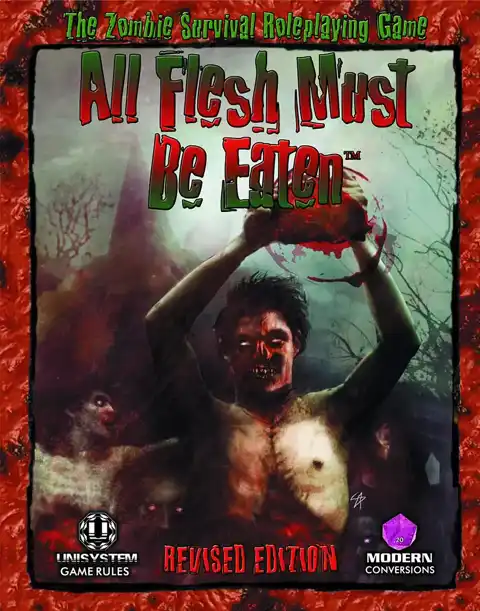
Use All Flesh Must Be Eaten when your table wants horror play to shape real choices. It is most worth comparing for what the table is afraid of, intensity, safety tools, whether rules track stress or sanity, and whether the game wants one-shot pressure or campaign dread. All Flesh Must Be Eaten is a rules‑lite survival‑horror game using the Unisystem.
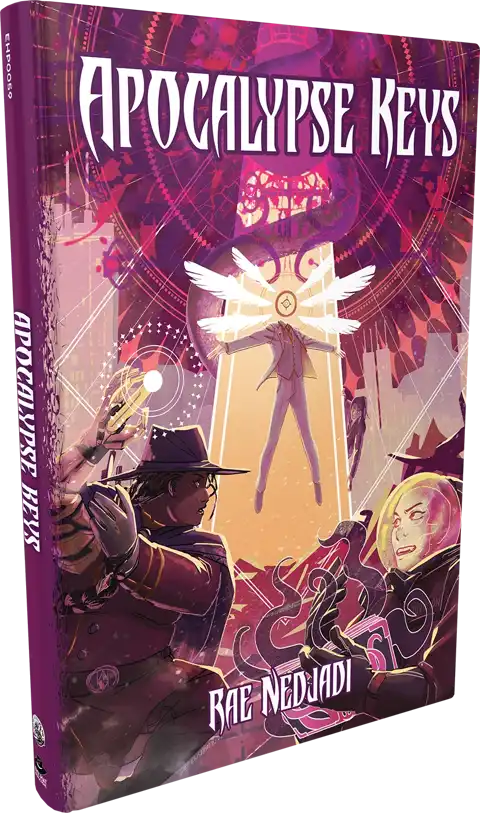
Apocalypse Keys fits horror through monster identity, body-risk, occult threats, and apocalypse pressure: the agents are frightening powers trying not to become the danger they fight.
Horror is a tone, but different horror TTRPGs create it in very different ways. A clue-driven investigation, doomed one-shot, survival scenario, occult campaign, and solo journal all need different procedures.
| If your table wants... | Start with | Why it fits | Go deeper |
|---|---|---|---|
| Classic investigation and cosmic dread | Call of Cthulhu | Skills, clues, sanity pressure, and fragile investigators make curiosity dangerous and consequences lasting. | Cosmic Horror or Trail of Cthulhu. |
| Cinematic sci-fi survival horror | Alien | Stress, panic, supplies, hostile space, and a familiar threat structure make sessions tense quickly. | Survival horror versus survival sandbox. |
| A one-shot where every risky choice feels physical | Dread | The tower turns suspense into a table object, so tension builds visibly with every pull. | Dread versus Ten Candles. |
| Tragic horror with a clear ending | Ten Candles | The game tells players that survival is not the point, then focuses on who the characters are in the dark. | One-Shot Friendly. |
| Modern occult cases with light rules | Liminal Horror | Lean procedures keep attention on strange threats, investigations, stress, and transformation. | Compare occult-horror systems. |
| Cozy mystery with hidden darkness | Brindlewood Bay | Amateur sleuthing, collaborative mystery procedure, and a creeping occult conspiracy create a distinctive campaign rhythm. | Mystery. |
| Horror without a group | The Wretched | Cards, recordings, isolation, and a tumbling tower create a focused solo survival ritual. | Solo Play. |
If the fear is not knowing what is true, pick investigative horror. If the fear is being hunted, pick survival horror. If the fear is watching the ending approach, pick tragic one-shot horror. If the fear is what characters become, choose a game that tracks stress, corruption, or transformation.
Horror works best when everyone understands the intended intensity and has a reliable way to pause, redirect, or remove material. Use a session-zero checklist before a campaign or an explicit boundaries conversation before a one-shot.
Keep exploring: Browse Cosmic Horror for unknowable forces, Survival for scarcity and pursuit, One-Shot Friendly for focused sessions, or Solo Play for horror designed for one player.