Best Comedy TTRPGs
Comedy TTRPGs need rules that create timing, reversals, and permission to fail in public without making every scene random noise. Start with Brancalonia, Crash Pandas, Goblin Quest, and Fiasco as comparison points, then move down the list based on the kind of genre your group actually wants.
When comparing comedy games, look at setup speed, escalation tools, whether jokes come from character goals or absurd prompts, and whether the group wants farce, satire, or light adventure. Those details matter more than the tag itself, because two games can share a category while asking completely different things from the GM and players.
Use the top picks as anchors rather than treating the page like a simple popularity ranking. The goal is to answer the practical table question: which game will produce the kind of first session, campaign rhythm, and player buy-in your group is likely to enjoy?
Comedy is table-dependent; pick a game that gives players usable structure instead of assuming everyone can improvise jokes on demand.
16 gamesAll categories
Top picks
Best games in this category
Quick starting points if you want the clearest expressions of what Comedy games do well.

Top pick
Honey Heist
Best ultra-light comedy one-shot for new or experienced players who want a ridiculous premise, near-zero setup, and enough mechanical pressure to keep an hour or two of improvisation moving.
Top pick
Brancalonia
Best for groups that want comedy inside an ongoing 5e-compatible fantasy campaign, with rough charm, regional folklore, capers, and consequences beyond a single gag-filled session.
Top pick
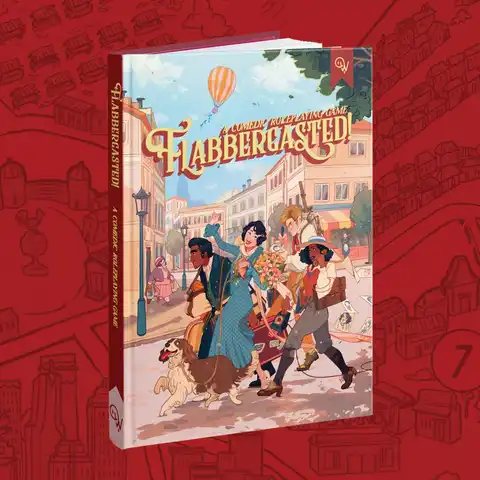
Flabbergasted!
Best for a light campaign of social farce where reputation, clubs, scandal, and public embarrassment turn recurring characters and relationships into the source of the comedy.
More to compare
More Comedy TTRPGs to compare
Risus
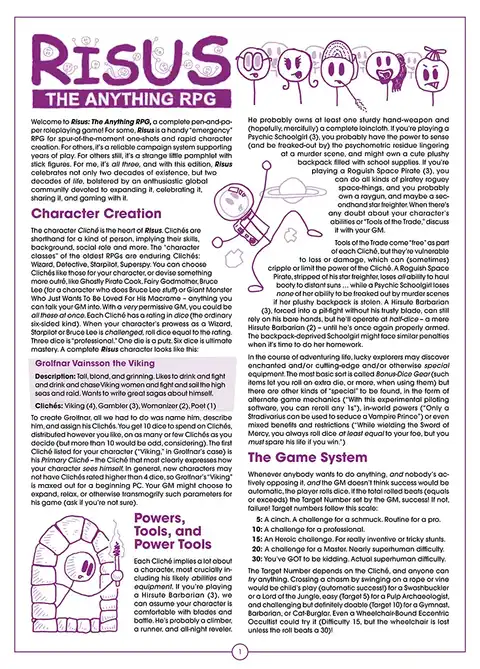
Risus is a tiny free universal RPG built around cliché dice, making it one of the fastest ways to get a one-shot or comedy-leaning campaign off the ground.
Brancalonia
Brancalonia plays fantasy for laughs: Knaves take shady jobs, brawl in taverns, wear gear that falls apart, and run from their own bounties.
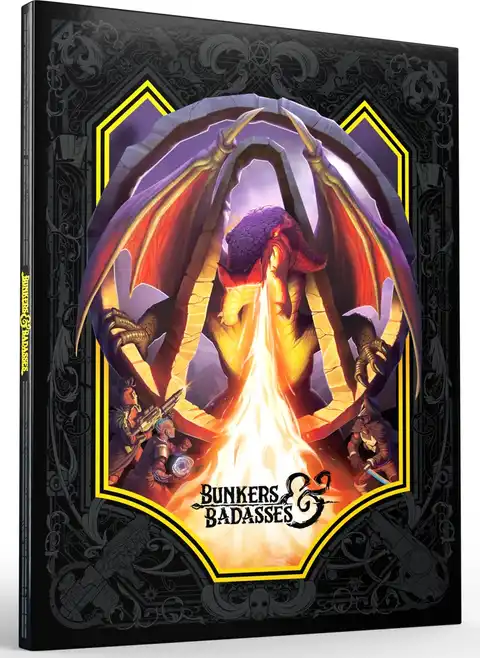
Bunkers & Badasses
Bunkers & Badasses is written as Tiny Tina's annotated copy, with jokes in the margins, the rules and the tables. Joke Traumas after respawning and once-a-day Badass Moves push players toward ridiculous plans. Groups that enjoy Borderlands humor will laugh; groups that do not may find it gets in the way.

Crash Pandas
Raccoons share one car in an illegal LA street race, and the blind-bidding driving system lets the whole table turn right at once and hit a wall.
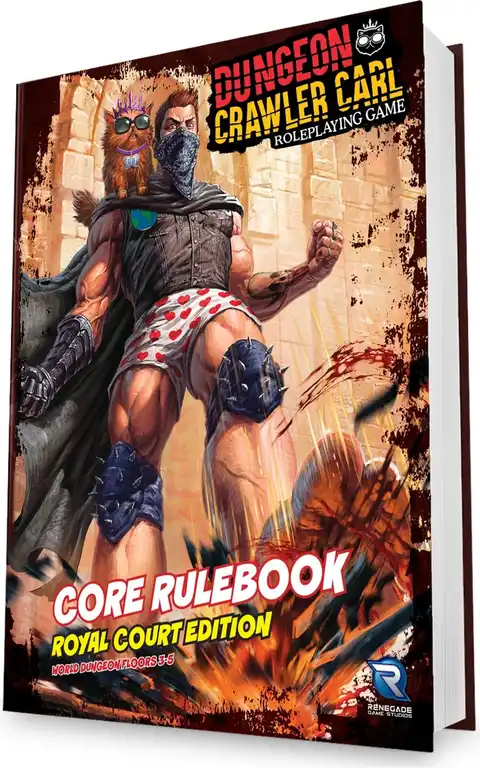
Dungeon Crawler Carl Roleplaying Game
Dungeon Crawler Carl is a dark comedy first. The System AI hands out sarcastic achievements, crawlers can take disadvantage to play to the camera, and the gear, quests and mobs are full of crude jokes from the novels.
Flabbergasted!
Flabbergasted! is comedy with a campaign spine: social standing, rival clubs, Scene Cues, and Roaring '20s manners create structured farce instead of asking players to improvise jokes from nothing.
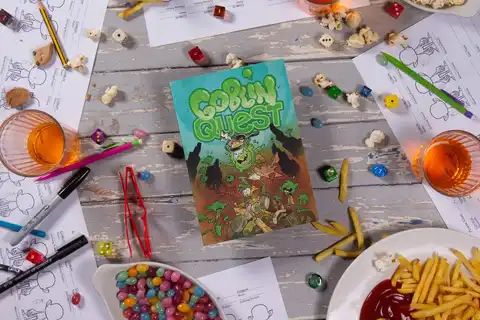
Goblin Quest
Goblin Quest is pure slapstick: each player burns through five goblins chasing a ridiculous plan, and every death is meant to get a laugh.
Honey Heist
Honey Heist is a one-page comedy heist in which the players are criminal bears at a honey convention, and each character slides toward Bear or Criminal as the plan goes wrong.
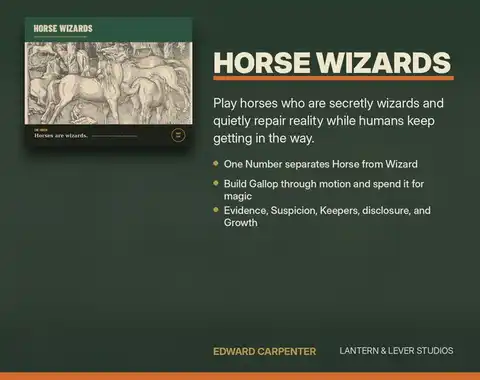
Horse Wizards
Horse Wizards plays its premise for laughs: horses bumble through human routines while secretly fixing reality, and every miracle leaves a cover-up the humans have to swallow.
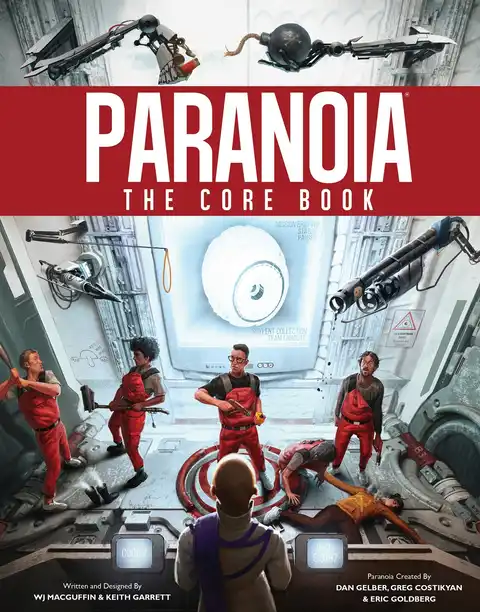
Paranoia
Paranoia belongs in Comedy because the humor is built into the rules: contradictory orders from an insane Computer, faulty gear, secret-society sabotage and six clones per character turn every mission into black-comedy slapstick and satire.
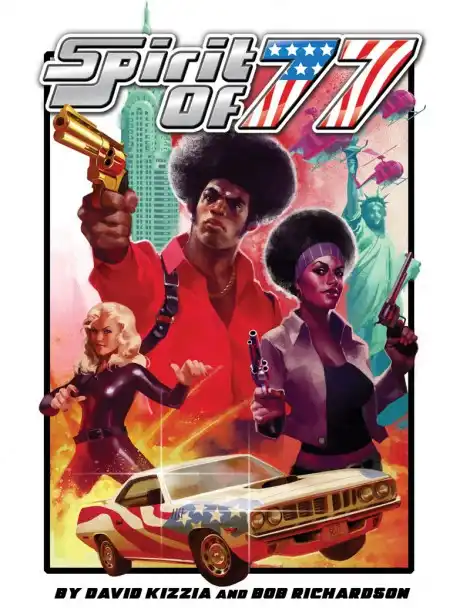
Spirit of 77
Spirit of 77 belongs in Comedy because its premise is built for broad, knowing 1970s action absurdity: stunt drivers, kung-fu toughs, glam weirdness, conspiracies, and villains who invite big table reactions.
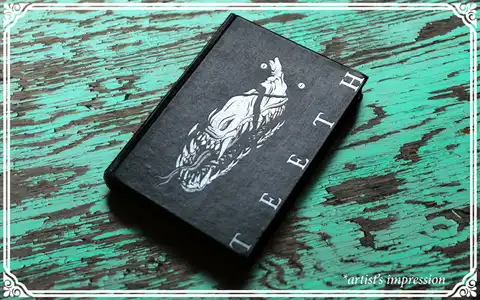
TEETH: A Roleplaying Game
TEETH is a comic-horror Forged in the Dark TTRPG about Crown-backed hunters, occult crime, and monster work in a cursed corner of 1780 northern England. It is best for groups that want mission pressure, grotesque historical horror, and campaign fallout rather than generic fantasy hunting.

Terry Pratchett's Discworld: Adventures in Ankh-Morpork
Adventures in Ankh-Morpork rewards puns and loopholes, and any idea absurd enough to be a million-to-one chance just works.

The Witch is Dead
The Witch is Dead gets its laughs from cute familiars, a dog or a toad or a hare, trying to murder a witch-hunter in a human village with no thumbs and one bit of hedge magic.
Thieves of the Tome
Thieves of the Tome fits Comedy when the table wants absurd spell interpretation, caper reversals, and literary prompts to create jokes through play rather than prewritten gags.
Compare
How to choose the right Comedy TTRPG
Choose by the job at the table. For comedy TTRPGs, compare setup speed, escalation tools, whether jokes come from character goals or absurd prompts, and whether the group wants farce, satire, or light adventure. If that sounds too abstract, ask what the game makes players decide in the first hour.
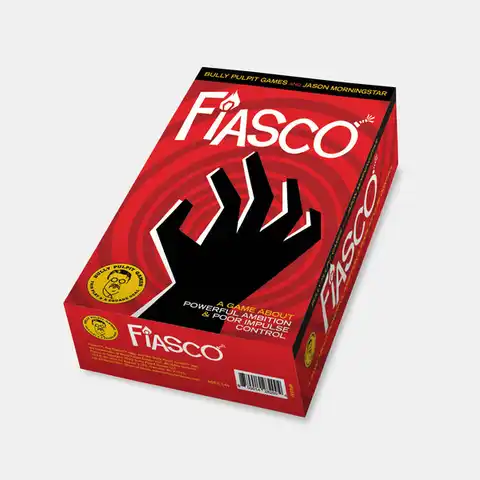
Use the top picks as contrasts. Brancalonia and Crash Pandas are useful side-by-side because they show different ways this category can work. Goblin Quest adds another angle, while Fiasco helps test whether your table wants comedy to come from collapse, humiliation, and bad plans instead of broader genre emulation.
- Brancalonia: Start with Brancalonia when you want a comedy option that makes the category visible in play, not just in premise.
- Crash Pandas: Start with Crash Pandas when you want a comedy option that makes the category visible in play, not just in premise.
- Goblin Quest: Start with Goblin Quest when you want a comedy option that makes the category visible in play, not just in premise.
- Fiasco: Start with Fiasco when you want comedy that comes from escalating bad choices, social disaster, and consequences instead of open-ended genre flexibility.
Match scope before rules. Some comedy games are best as one-shots, some need a short arc, and some only reveal their strengths through campaign play. Decide that scope first, then choose the rules weight your group will actually tolerate.
FAQ
Questions players ask
Which comedy TTRPG should my table try first?
Start with Brancalonia if you want the clearest first comparison point, then compare Crash Pandas, Goblin Quest, and Fiasco based on setup speed, escalation tools, whether jokes come from character goals or absurd prompts, and whether the group wants farce, satire, or light adventure. The right first pick is the one that makes your next session easiest to imagine and run.
How do I choose between comedy games?
Compare setup speed, escalation tools, whether jokes come from character goals or absurd prompts, and whether the group wants farce, satire, or light adventure. Pay special attention to what the game asks players to do repeatedly: solve tactical problems, improvise drama, manage scarce resources, investigate, build characters, or share authorship.
Are comedy TTRPGs better for one-shots or campaigns?
That depends on the procedures. For one-shots, favor fast setup, immediate pressure, and a clear ending. For campaigns, look for advancement, changing relationships, faction or location pressure, downtime, and enough variety to keep the core activity interesting.
What should I check before pitching a comedy TTRPG to my group?
Comedy is table-dependent; pick a game that gives players usable structure instead of assuming everyone can improvise jokes on demand. Also check rules weight, safety expectations, prep load, and whether the players are excited by the actual scenes the game creates rather than only the premise.