Top pick
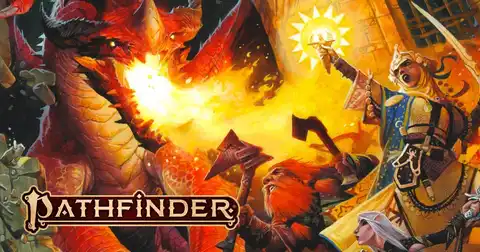
Pathfinder 2e
Best for players who want a deep but structured fantasy build path, where frequent feat choices create distinct roles and the encounter rules give those choices a dependable place to matter.
Character-customization TTRPGs give players meaningful ways to define capabilities, identity, and long-term growth. Start with Cosmere RPG, Daggerheart, Draw Steel, and Knave RPG as comparison points, then move down the list based on the kind of mechanical focus your group actually wants.
When comparing character customization games, look at build depth, option clarity, advancement, whether customization affects story or tactics, and how easy it is to correct bad early choices. Those details matter more than the tag itself, because two games can share a category while asking completely different things from the GM and players.
Use the top picks as anchors rather than treating the page like a simple popularity ranking. The goal is to answer the practical table question: which game will produce the kind of first session, campaign rhythm, and player buy-in your group is likely to enjoy?
More options are not always better. Pick the game whose choices your players will enjoy making repeatedly.
Quick starting points if you want the clearest expressions of what Character Customization games do well.
Best for players who want a deep but structured fantasy build path, where frequent feat choices create distinct roles and the encounter rules give those choices a dependable place to matter.
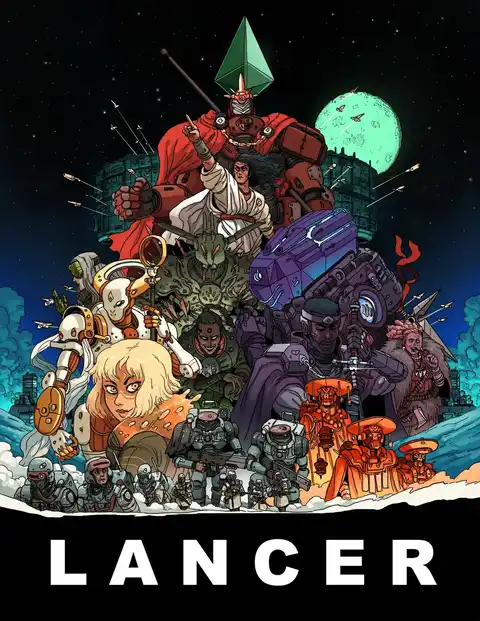
Best for tactical buildcrafters who want to redesign a mech between missions, coordinate clear battlefield roles, and watch new licenses expand the squad's options over a campaign.
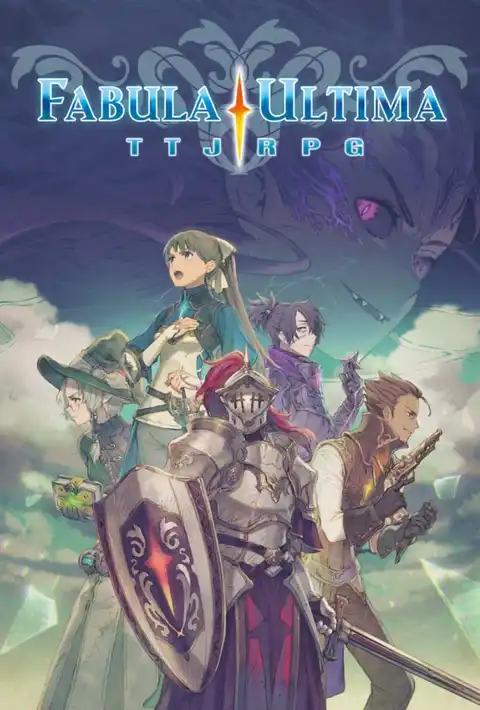
Best for players who want approachable multiclass experimentation, visible party synergy, and character growth that feels like assembling a personalized JRPG job build.
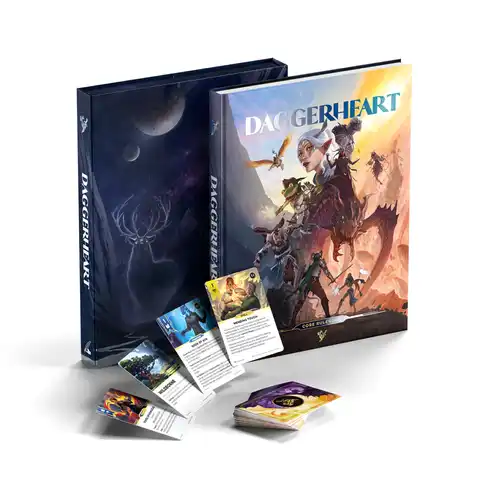
Daggerheart is Darrington Press and Critical Role's heroic fantasy campaign TTRPG, built around Duality Dice, Hope and Fear, card-based character options, and shared worldbuilding. It is strongest for groups that want emotional character arcs and cinematic fantasy adventure with more narrative momentum than traditional d20 play.
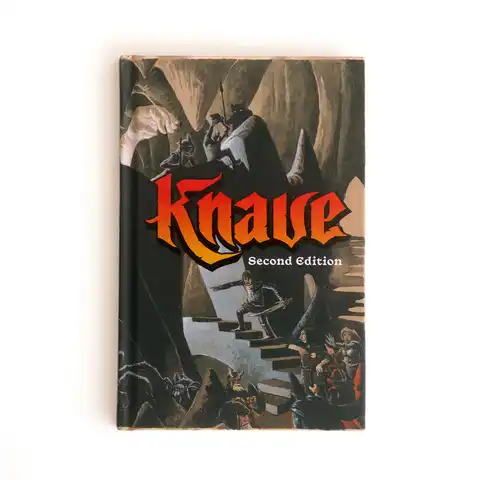
Knave is Ben Milton's classless OSR fantasy TTRPG, and its current second edition pairs fast character creation with a stronger GM toolkit for dungeons, hexcrawls, downtime, and module-driven campaigns. It is a strong fit for groups that want dangerous expeditions and meaningful gear choices without a heavy character-build game.
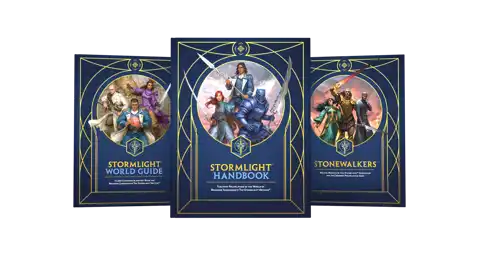
Cosmere RPG is Brotherwise and Dragonsteel's heroic fantasy TTRPG for Brandon Sanderson's shared universe, built on a d20 chassis with talent-tree advancement, skill-based Invested Arts, and Plot Die twists. The current line centers on Stormlight's Roshar, with Mistborn books expanding the same framework in Fall 2026.
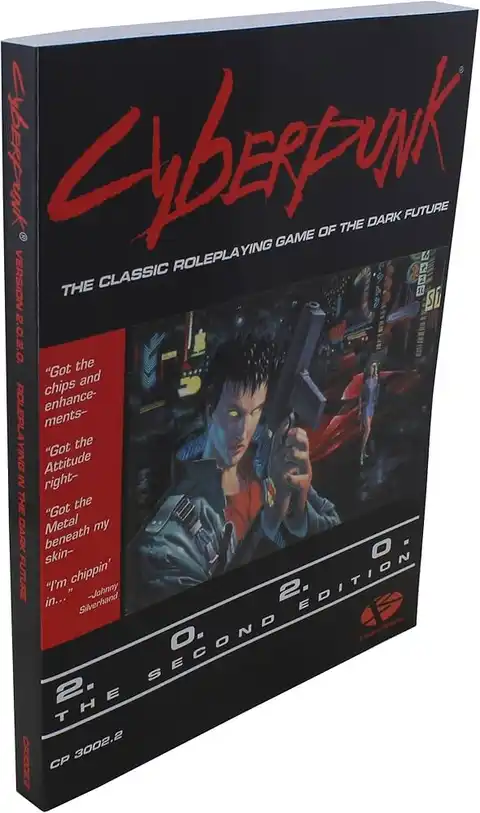
Cyberpunk 2020 is Mike Pondsmith and R. Talsorian Games' classic Night City TTRPG: lethal Interlock combat, Lifepath-driven characters, cyberware, netrunning, and street-level jobs under corporate power.
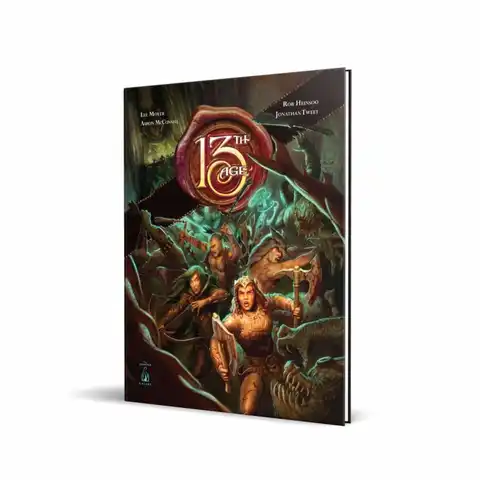
13th Age is a heroic-fantasy d20 TTRPG that keeps classes, levels, and satisfying fights, then adds Icons, One Unique Thing, and the Escalation Die to make campaigns move faster and feel more story-shaped.
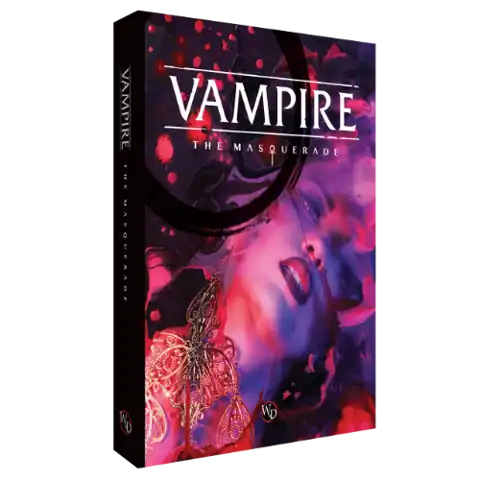
Vampire: The Masquerade is a gothic-punk TTRPG of personal and political horror where vampires juggle hunger, humanity, coterie loyalty, and city power.
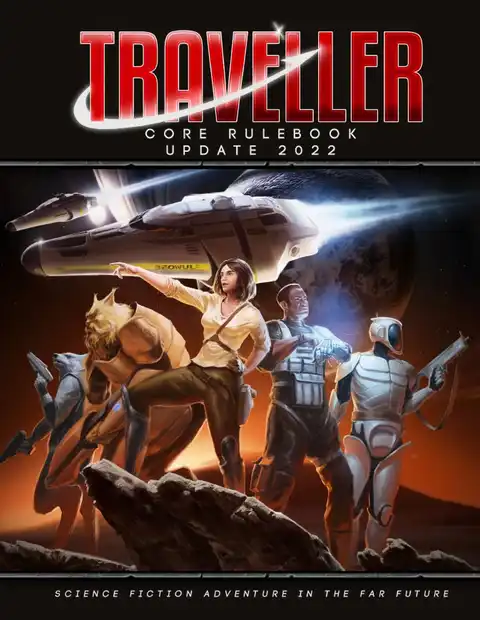
Traveller is a classic science-fiction TTRPG about lifepath crews, starships, trade, patrons, exploration, politics, and practical risk across a grounded interstellar sandbox.
Pathfinder 2e makes customization a campaign-long sequence of consequential choices across ancestry, class, skills, feats, archetypes, spells, and equipment, with builds expressed through tactical teamwork rather than isolated optimization.
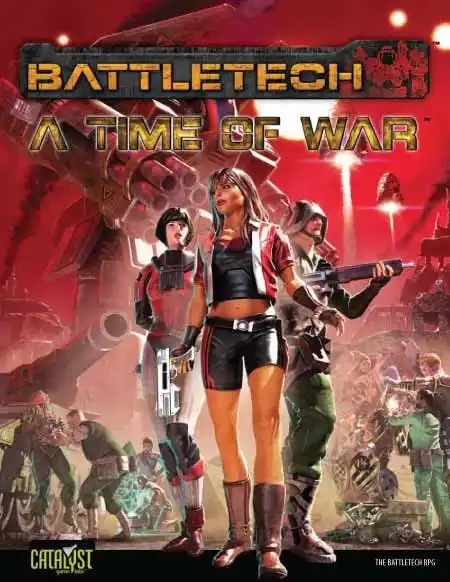
BattleTech is a military-science-fiction TTRPG line about mercenaries, house troops, spies, and support crews living inside an interstellar war machine, with a lighter narrative path in MechWarrior: Destiny and a denser campaign engine in A Time of War.
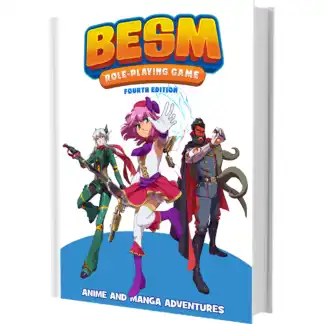
BESM (Big Eyes, Small Mouth) is Mark MacKinnon's long-running anime and manga TTRPG, now centered on Dyskami's fourth-edition line. Its Tri-Stat engine uses point-buy characters and a universal toolkit to handle school comedy, fantasy quests, mecha action, and stranger genre mashups. It shines when a GM and players want bespoke protagonists and are willing to set tone and power limits up front.
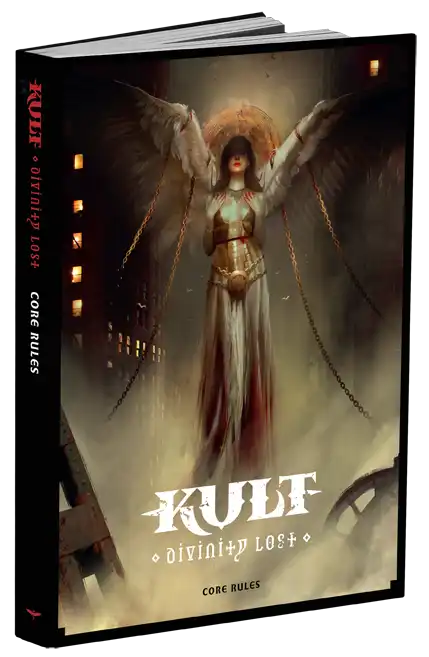
Kult: Divinity Lost is Helmgast's fourth-edition modern horror TTRPG: a move-driven occult nightmare where reality is a prison, revelation is corrosive, and the strongest campaigns turn shame, temptation, and hidden truths into the real monsters.
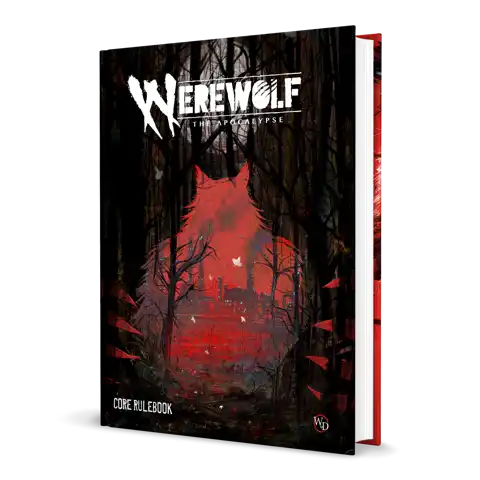
A pack-focused World of Darkness horror TTRPG about Garou fighting ecological and spiritual collapse, best for groups that want Rage, Renown, and hard moral pressure in a long-running chronicle.
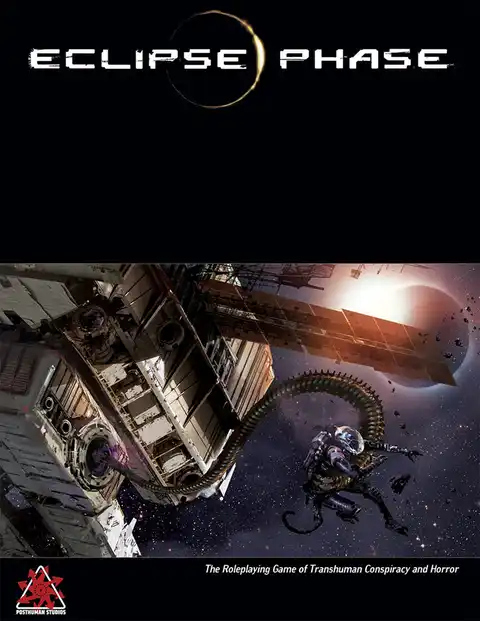
Eclipse Phase is a dense transhuman science-fiction TTRPG about Firewall missions, resleeving, politics, and existential horror, best for groups that want ideas and consequences to matter as much as action.
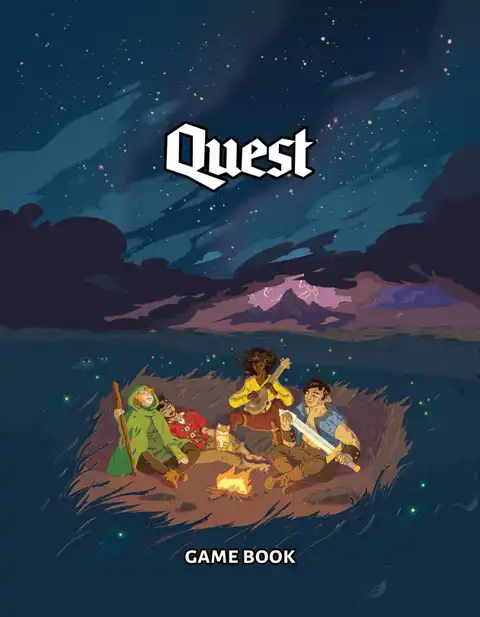
Quest is a free beginner-friendly fantasy TTRPG that trades modifier math and money tracking for fixed d20 outcomes, vivid role abilities, and one of the clearest onboarding paths in the hobby.
Crown & Skull is Runehammer's no-stats, no-HP fantasy TTRPG, built around point-buy characters, player-facing d20 rolls, skill-and-gear attrition, and emergent exploration in the North Holds.
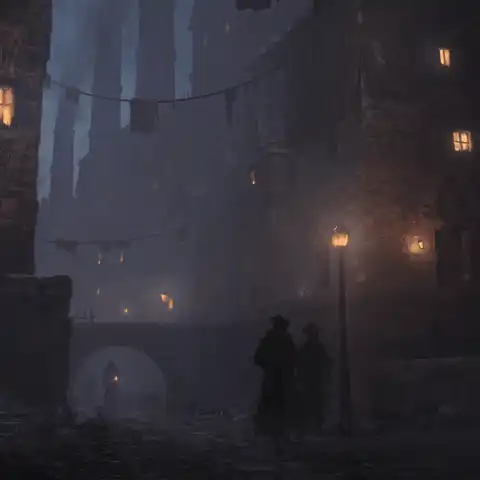
Hollows is Rowan, Rook and Decard's dark fantasy TTRPG of tactical many-vs-one boss fights, where Hunters enter rotten personal hells, wield Weapons built from humanity's worst instincts, and survive by coordinating every move.
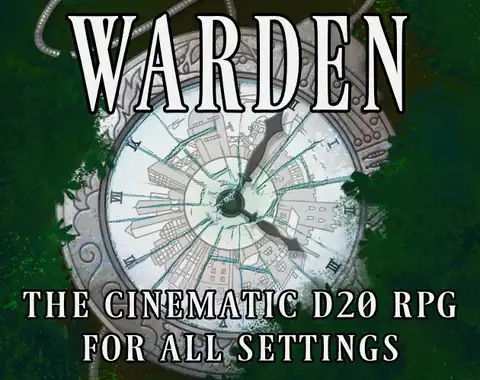
WARDEN belongs in Character Customization because players build identity through paths, abilities, feats, items, tech levels, and setting alterations instead of choosing a fixed class.
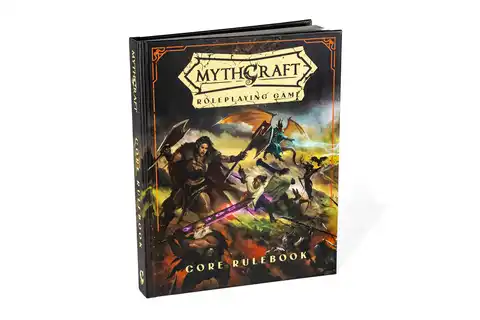
MythCraft is a strong Character Customization pick because players combine classes, lineages, backgrounds, occupations, professions, spells, and talent paths into very specific fantasy heroes.
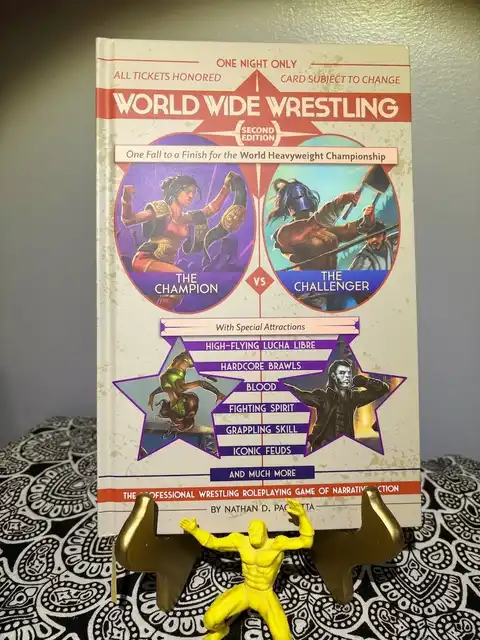
World Wide Wrestling belongs in Character Customization because Gimmicks are only the starting point; wrestlers change stats, moves, maneuvers, roles, managers, championships, and even Gimmicks as their careers evolve.
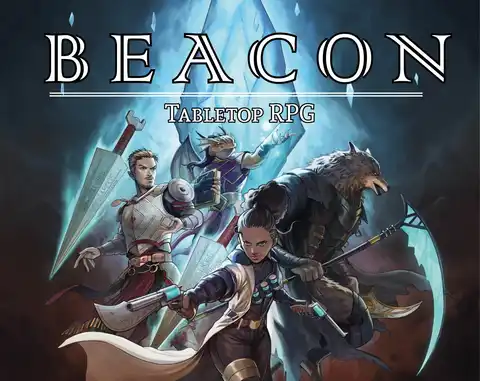
BEACON is a strong customization pick: ancestries, class ranks, jobs, weapons, support items, talents, loot, and Limit Breaks let players tune both combat role and narrative identity.
Cloudbreaker Alliance offers character customization through ancestry, class, combat role, Jobs, Bits, Talents, and advancement choices that shape both battle tactics and non-combat identity.
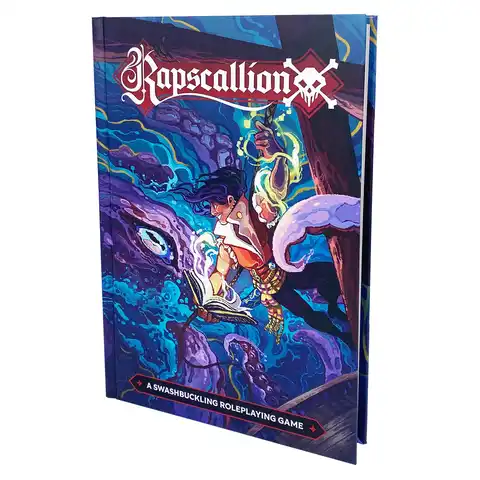
Rapscallion supports Character Customization through ten character playbooks, ship playbooks, moves, vices, bonds, oddities, and supernatural hooks that make each pirate distinct.
Animon Story gives players two connected customization surfaces: the Kid's personal traits and the Animon partner's nature, powers, attacks, and evolution path.
Choose by the job at the table. For character customization TTRPGs, compare build depth, option clarity, advancement, whether customization affects story or tactics, and how easy it is to correct bad early choices. If that sounds too abstract, ask what the game makes players decide in the first hour.
Use the top picks as contrasts. Cosmere RPG and Daggerheart are useful side-by-side because they show different ways this category can work. Draw Steel adds another angle, while Knave RPG helps test whether your table wants a different commitment level.
Match scope before rules. Some character customization games are best as one-shots, some need a short arc, and some only reveal their strengths through campaign play. Decide that scope first, then choose the rules weight your group will actually tolerate.