Top pick
Cairn 2e
Best first pick for classless fantasy groups that want fast characters, dangerous exploration, and growth shaped by play rather than character-build planning.
Classless TTRPGs are for groups that do not want a character concept locked into a fixed class package. Instead of choosing fighter, wizard, thief, or a playbook lane and staying there, characters grow through gear, skills, traits, approaches, scars, relationships, magic, or the consequences of what happens in play.
Use this page when your table wants flexible builds without turning the game into a giant optimization puzzle. Cairn 2e and Knave Second Edition are the best first stops for classless fantasy adventure; Fate Accelerated works when you want genre-flexible story-first characters; Whitehack Fourth Edition is better for old-school groups that want negotiated character identity and rulings-forward play.
The main question is not simply whether the game has no classes. Ask what replaces them. Some games make equipment define the character, some use skills, some use freeform traits, and some rely on fictional positioning. The right pick depends on whether your table wants discovery, customization, dramatic identity, or tactical freedom.
Quick starting points if you want the clearest expressions of what Classless games do well.
Best first pick for classless fantasy groups that want fast characters, dangerous exploration, and growth shaped by play rather than character-build planning.
Best OSR toolkit pick when you want classless adventurers, strong inventory pressure, and enough generators to support a long campaign without class packages.
Best flexible story-first pick for tables that want classless characters across many genres without losing dramatic hooks or mechanical identity.
Classless games all remove fixed class packages, but they do not all solve character identity the same way. Before choosing one, decide what you want to replace classes with: gear, skills, traits, fictional positioning, or negotiated concepts.
| If your table wants... | Start with | Why it fits | Also compare |
|---|---|---|---|
| Fast classless fantasy adventure | Cairn 2e | Characters are light, dangerous, and shaped by scars, discoveries, inventory, and what happens during exploration. | Knave Second Edition, Into the Odd, rules-lite games |
| Inventory-driven OSR play | Knave Second Edition | Gear and slots do the work classes usually do, turning equipment choices into character identity and risk management. | Cairn 2e, Maze Rats, OSR games |
| Story-first flexibility across genres | Fate Accelerated | Approaches, aspects, and stunts let characters be built around personality, priorities, and dramatic trouble instead of class roles. | Fate Core, narrative-driven games, universal games |
| A tiny genre toolkit | 24XX | Characters are compact and premise-driven, making it easy to run small genre games without class scaffolding. | minimald6, Risus, one-shot-friendly games |
Classless design is strongest when the game still tells players how to make meaningful characters. Look for the replacement structure: gear pressure, skills, tags, aspects, backgrounds, scars, affiliations, or fictional permissions. If that structure is vague, players may feel flexible at character creation but directionless after a few sessions.
| Nearby category | What it means | When to use it instead |
|---|---|---|
| Skill-based | Characters are defined mainly by learned skills and ratings. | Use it when you want grounded competence and incremental advancement. |
| Rules-lite | The rules are quick to teach and run. | Use it when low table load matters more than character architecture. |
| Universal | The same engine can support many genres. | Use it when genre flexibility is the main requirement. |
| Narrative-driven | Rules focus on fictional consequences and character pressure. | Use it when dramatic momentum matters more than build flexibility. |
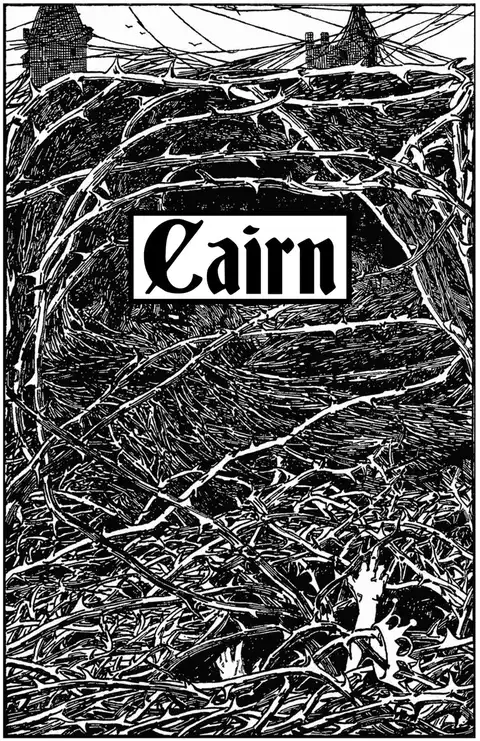
Cairn is classless in the strong sense: backgrounds only start the character, while equipment, scars, spells, relics, and fictional growth decide what they become.
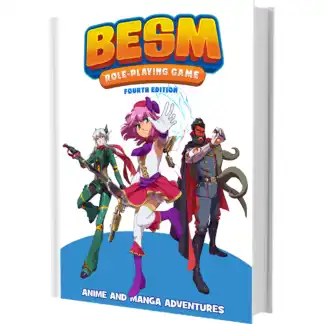
BESM is classless in the direct sense: characters are assembled from stats, attributes, defects, and templates instead of fixed role tracks. It fits this category when your group wants bespoke anime protagonists and does not mind a little build adjudication in exchange for that freedom.
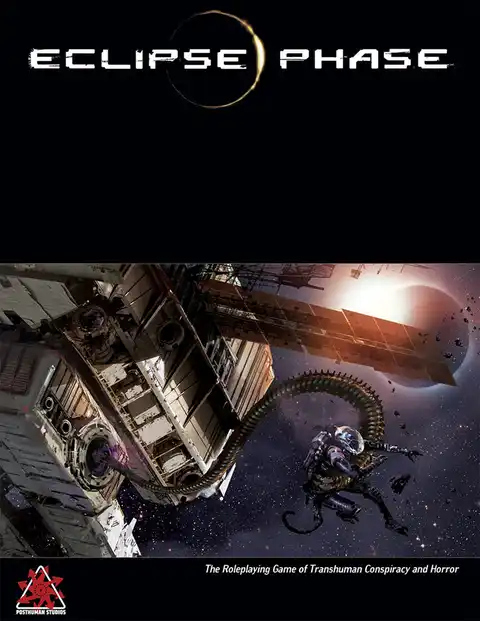
Eclipse Phase belongs in classless play because characters are built from aptitudes, skills, backgrounds, reputations, and morph choice rather than fixed class packages. It is strongest when the table wants roles to shift with bodies, gear, and mission needs instead of a permanent class lane.
Crown & Skull belongs in Classless because character identity comes from point-buy skills, custom gear, spells, companions, and attrition choices rather than locked classes or level tracks.
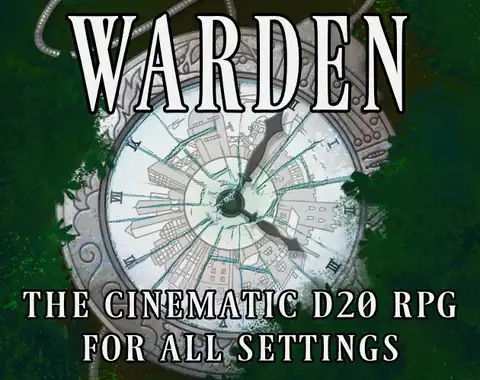
WARDEN is explicitly classless and attributeless: characters are built from abilities, items, paths, and feats rather than classes, ability scores, or locked advancement tracks.
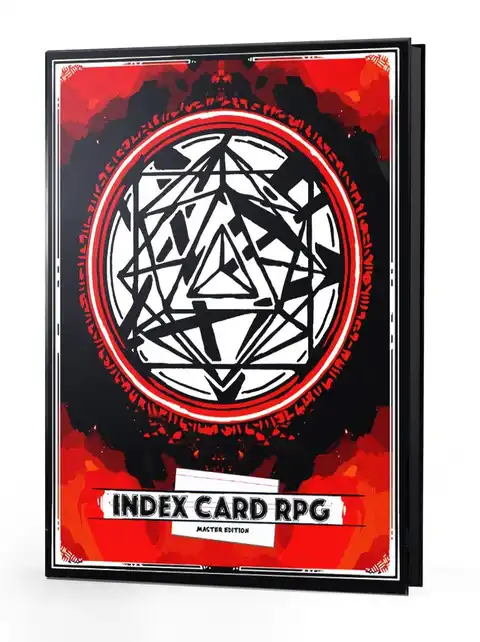
Index Card RPG (Master Edition) belongs here when the table wants flexible character growth, not just the label on the cover. Index Card RPG: Master Edition is a rules‑lite fantasy toolkit built around scene targets, timers, hearts, and effort dice.
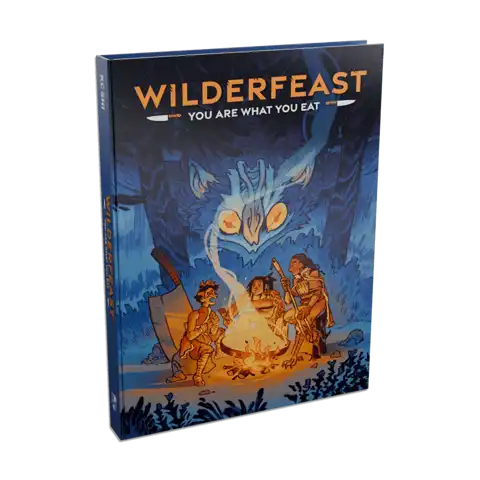
Wilderfeast is an ecological fantasy TTRPG about mutated monster-hunter chefs tracking frenzying creatures, cooking what they kill, and changing themselves to protect the One Land.
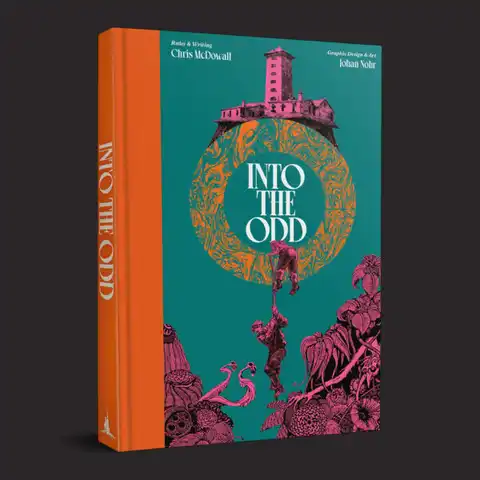
Into the Odd belongs in classless when your table wants that label to shape actual play. Into the Odd is a minimalist exploration game of industrial horror and cosmic strangeness, built for fast expeditions, dangerous treasure hunts, and weird discoveries in and around Bastion.
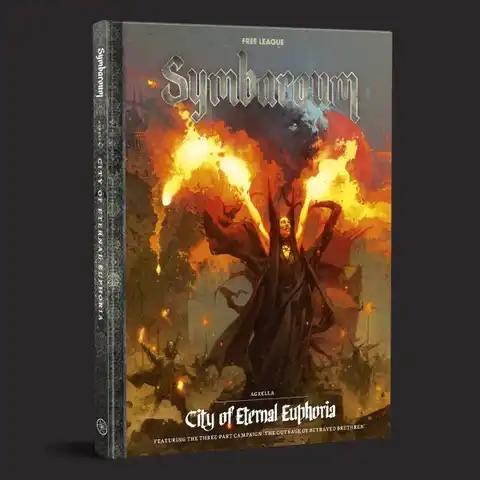
Symbaroum belongs in classless when your table wants that label to shape actual play. Symbaroum is a dark, player-facing fantasy game about corruption, ruin-hunting, and political pressure on the edge of the vast forest of Davokar.
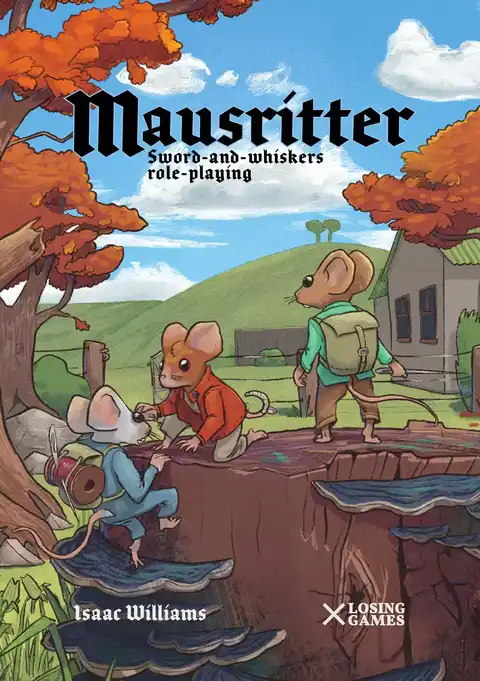
Mausritter is classless in the strong sense: a background only starts the mouse, while gear, spell items, hirelings, scars, and recovered treasure determine what the character becomes. It is a good fit when you want fast creation and identity shaped by play instead of class features.
24XX fits classless because it lets characters develop without being locked into a fixed class package. A rules‑lite sci‑fi toolkit SRD: pick a die, roll high, keep play fast, and favor clear fictional positioning over build math.
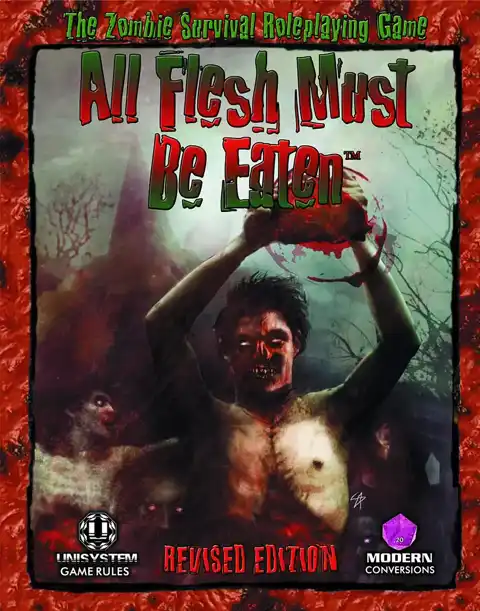
Choose All Flesh Must Be Eaten for classless play when you want flexible character growth. A rules‑lite survival‑horror game using the Unisystem.
Ars Magica belongs in classless because magi, companions, and grogs are built from characteristics, abilities, arts, virtues, and flaws instead of fixed class tracks. Character identity comes from study choices, house ties, and covenant role rather than a preset advancement lane.
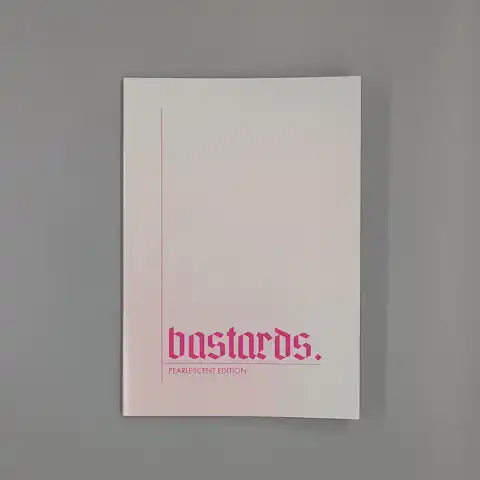
Bastards. (Pearlescent Edition) belongs here when the table wants flexible character growth, not just the label on the cover. Is a rules‑lite OSR fantasy game using straightforward d20 tests and saves.

Broken Shores fits classless because it lets characters develop without being locked into a fixed class package. A rules-lite dark fantasy survival RPG using d100 resolution.
Cairn 2e is the cleanest classless fantasy starting point: advancement comes from scars, equipment, spells, companions, discoveries, and what happens in play instead of from choosing a fixed class path.
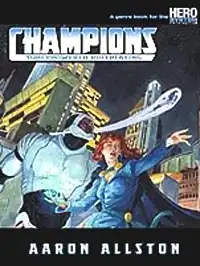
Champions is classless in the strongest possible sense: heroes are built from characteristics, skills, defenses, movement, and powers instead of fixed class packages. It fits this category for tables that want maximum concept freedom and are willing to pay for it with real build complexity.
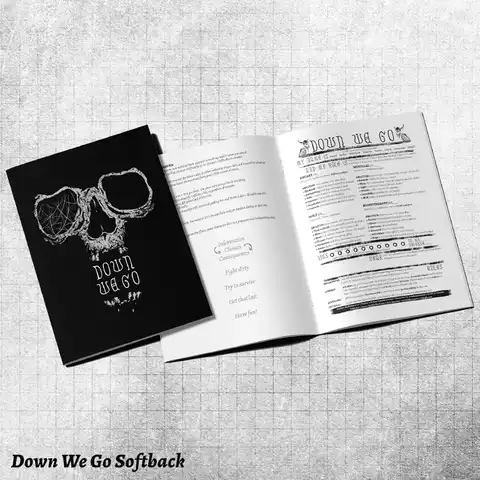
Down We Go earns this tag by making classless development matter during play. A rules‑lite OSR dungeon crawler using familiar d20 and d6 rolls.
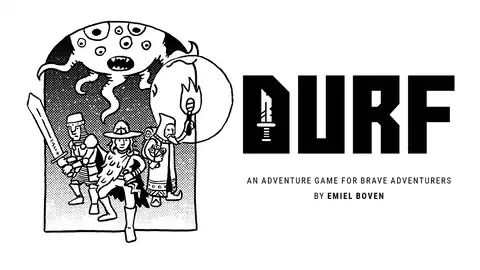
DURF belongs here when the table wants flexible character growth, not just the label on the cover. A rules‑lite OSR dungeon‑fantasy game using d20 tests with advantage/disadvantage.
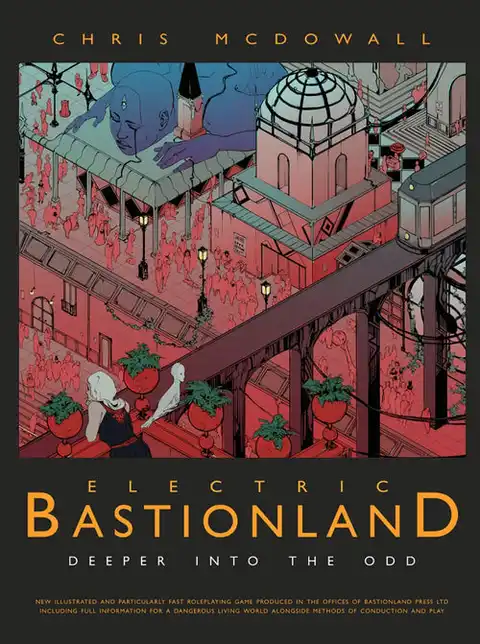
Electric Bastionland fits classless because it lets characters develop without being locked into a fixed class package. A rules‑lite OSR game of dangerous expeditions in a strange industrial city and its depths.
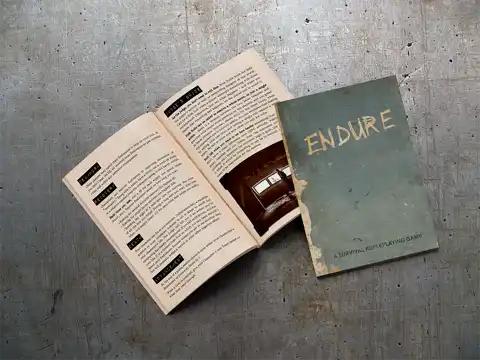
Choose Endure for classless play when you want flexible character growth. A rules-lite survival RPG using a 2d6 Risk Roll system.
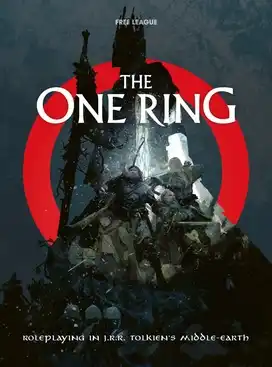
Enter the Survival Horror earns this tag by making classless development matter during play. A rules‑lite, Forged in the Dark survival‑horror game about dark corridors, dwindling resources, and mounting dread.
Errant belongs here when the table wants flexible character growth, not just the label on the cover. A rules-light, procedure-heavy OSR fantasy RPG by Ava Islam.
Skill-based games are the closest next stop when you want classless characters defined by trained capabilities and incremental advancement.
Many classless games are easy to teach, but rules-lite is the better filter when low table load matters more than character structure.
Universal systems often use classless character creation so the same engine can support many genres and campaign premises.
OSR overlaps with classless play when gear, danger, rulings, and player problem solving matter more than fixed character roles.