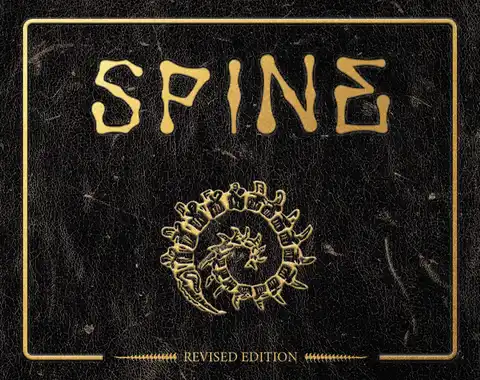
SPINE
SPINE is Narrative-Driven because each prompt changes what the player understands about the inherited book, the researcher, and the immortality text rather than resolving tactical challenges.
Narrative-driven TTRPGs put fictional positioning, character pressure, scene framing, and consequences at the center of play. They are strongest when the rules help the table decide what a choice means, who it affects, and how the story changes afterward.
Start with Apocalypse World if you want move-driven genre pressure, Fate Core for a flexible story engine, Blades in the Dark for crew missions and fallout, and City of Mist for mystery wrapped around identity drama. If emotional stakes are the point, compare Thirsty Sword Lesbians, Wanderhome, and romance or social intrigue games.
Use this category when you want mechanics that create drama instead of only resolving tasks. These games often care about relationships, obligations, genre pressure, emotional stakes, shared authority, or the fallout from a scene more than tactical optimization.
Narrative-driven games are not all light, improvised, or GM-less. The shared promise is that the rules keep attention on what is happening in the fiction and what changes because of it. Start by deciding what kind of story pressure your table wants.
| If your table wants... | Start with | Why it fits | Also compare |
|---|---|---|---|
| Genre pressure and hard consequences | Apocalypse World | Moves, playbooks, threats, and MC agendas push every roll back into scarcity, desire, and fallout. | PbtA games, Worlds in Peril, Uncharted Worlds |
| A flexible narrative engine for any genre | Fate Core | Aspects and fate points make character beliefs, scene details, and complications mechanically important. | Cortex Prime, universal games, cinematic games |
| Crew play, scores, and escalating fallout | Blades in the Dark | Position, effect, stress, flashbacks, clocks, and faction pressure keep the story moving forward after every job. | Forged in the Dark games, Court of Blades, team-based games |
| Mystery wrapped around identity drama | City of Mist | Tags connect investigation, mythic power, mundane identity, and personal tension inside each scene. | Otherscape, investigation games, urban fantasy games |
| Emotional stakes and dramatic relationships | Thirsty Sword Lesbians | Romance, vulnerability, attraction, and confrontation are part of the action rather than decoration around it. | Wanderhome, romance and slice-of-life games, social intrigue games |
| Shared worldbuilding or reflective play | A Quiet Year | The table builds a community through mapmaking, prompts, scarcity, and quiet disagreements before the story ends. | collaborative worldbuilding games, GM-less games, Wanderhome |
For a campaign, look for procedures that keep producing consequences after the scene: clocks, relationships, obligations, faction moves, beliefs, or shared setting changes. For one-shots, look for a premise that creates pressure quickly and a resolution system that tells the group when to complicate, escalate, or end a scene.
| Nearby category | What it actually means | When to use it instead |
|---|---|---|
| Rules-lite | Low rules overhead and fast teaching. | Use it when the main constraint is table load, not necessarily dramatic structure. |
| Cinematic | Bold pacing, genre beats, and film-like framing. | Use it when you want screen-style action and spectacle more than shared narrative authority. |
| Collaborative worldbuilding | The table creates setting, history, factions, or maps together. | Use it when building the world is itself a core procedure. |
| Social intrigue | Status, secrets, favors, betrayal, and reputation drive play. | Use it when the drama is specifically about power and relationships in a social web. |
SPINE is Narrative-Driven because each prompt changes what the player understands about the inherited book, the researcher, and the immortality text rather than resolving tactical challenges.
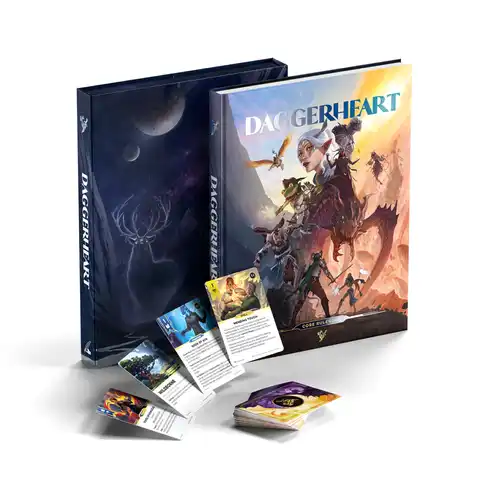
Daggerheart is Darrington Press and Critical Role's heroic fantasy campaign TTRPG, built around Duality Dice, Hope and Fear, card-based character options, and shared worldbuilding. It is strongest for groups that want emotional character arcs and cinematic fantasy adventure with more narrative momentum than traditional d20 play.
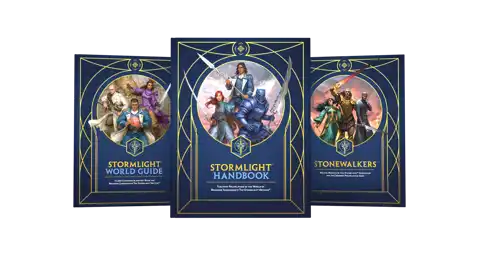
Cosmere RPG is Brotherwise and Dragonsteel's heroic fantasy TTRPG for Brandon Sanderson's shared universe, built on a d20 chassis with talent-tree advancement, skill-based Invested Arts, and Plot Die twists. The current line centers on Stormlight's Roshar, with Mistborn books expanding the same framework in Fall 2026.
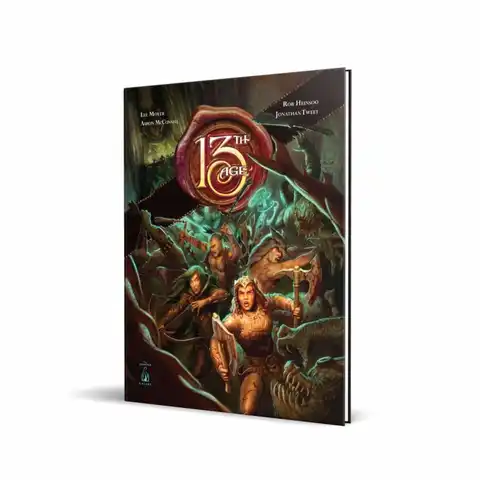
13th Age is a heroic-fantasy d20 TTRPG that keeps classes, levels, and satisfying fights, then adds Icons, One Unique Thing, and the Escalation Die to make campaigns move faster and feel more story-shaped.
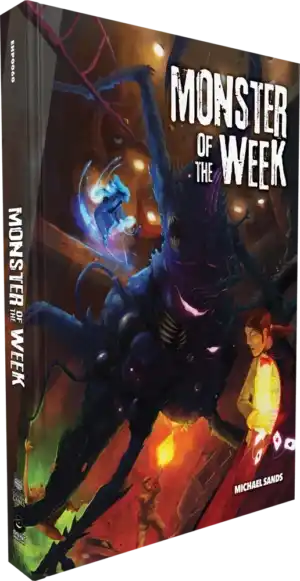
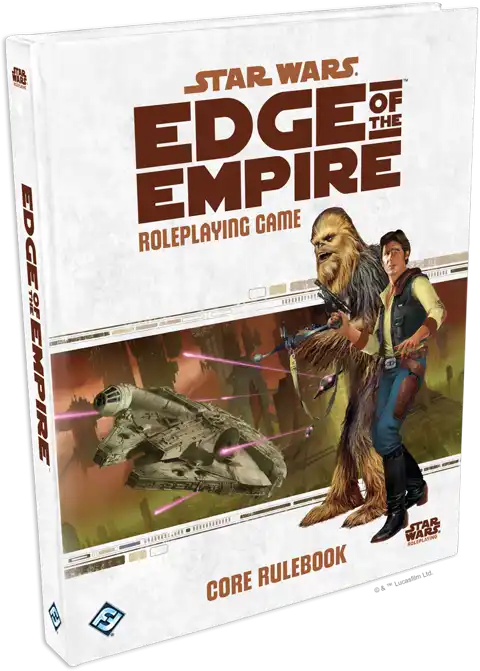
Monster of the Week is Michael Sands' modern supernatural mystery-horror TTRPG, built for Buffy-, Supernatural-, and X-Files-style campaigns. Hunters investigate strange cases, identify the monster's weakness, and confront it in fast, consequence-driven Powered by the Apocalypse play.
Apocalypse World is the original Powered by the Apocalypse TTRPG: a post-apocalyptic game of scarcity, leverage, hard choices, and volatile relationships where playbooks and moves keep every session politically and personally unstable.
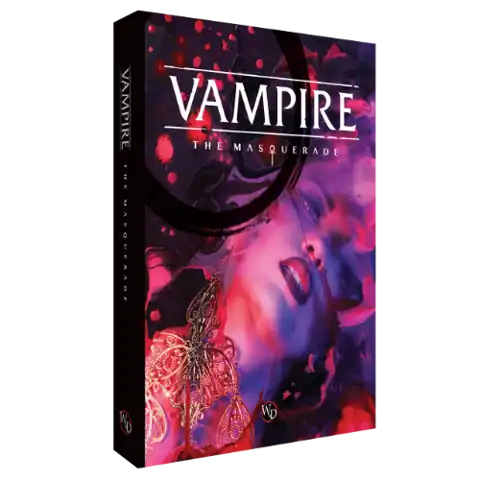
Vampire: The Masquerade is a gothic-punk TTRPG of personal and political horror where vampires juggle hunger, humanity, coterie loyalty, and city power.
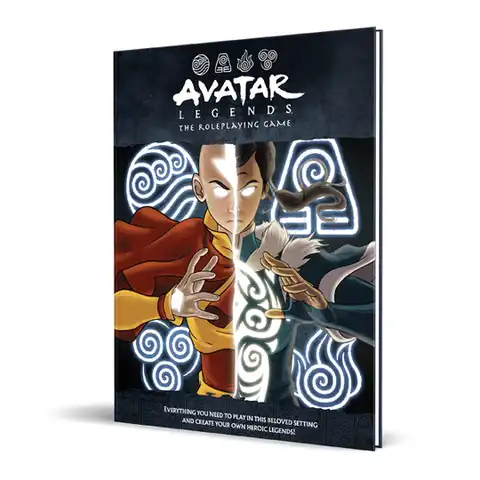
Avatar Legends is Magpie Games' officially licensed Avatar TTRPG: a Powered by the Apocalypse game of young heroes, elemental action, balance, responsibility, and relationship-driven adventure across the Four Nations.

Ten Candles is Stephen Dewey's tragic horror TTRPG about doomed survivors making meaning in a sunless world. Its candle countdown, shared narration, and fixed fatal ending make it strongest as a focused one-shot for groups that want atmosphere and emotional escalation more than tactical survival.
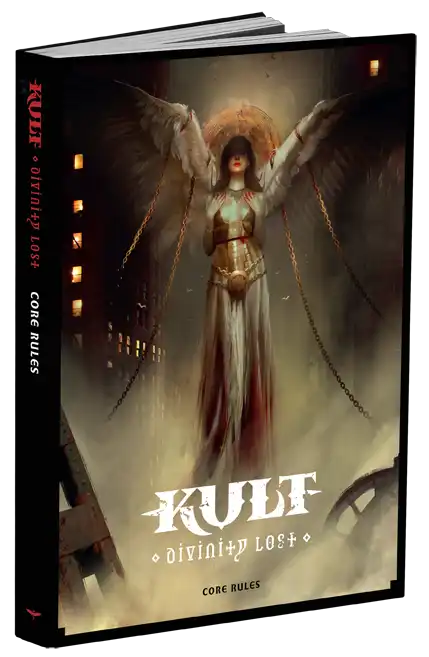
Kult: Divinity Lost is Helmgast's fourth-edition modern horror TTRPG: a move-driven occult nightmare where reality is a prison, revelation is corrosive, and the strongest campaigns turn shame, temptation, and hidden truths into the real monsters.
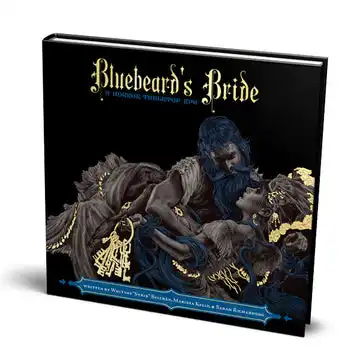
Bluebeard's Bride is Magpie Games' gothic horror PbtA one-shot about multiple players sharing one Bride as she explores her husband's mansion room by room. It is one of the sharpest choices for tables that want feminist horror, symbolic revelation, and a memorable single session, but it is a poor fit for low-intensity groups or campaign-minded players who want empowerment and tactical problem-solving.
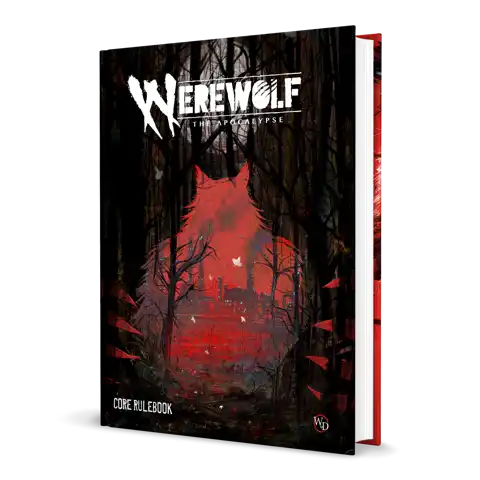
A pack-focused World of Darkness horror TTRPG about Garou fighting ecological and spiritual collapse, best for groups that want Rage, Renown, and hard moral pressure in a long-running chronicle.
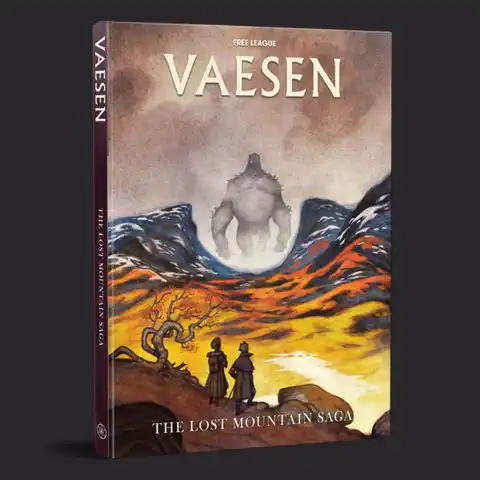
Vaesen is a Gothic folkloric horror TTRPG about investigators with the Sight solving supernatural cases in a mythic nineteenth-century Scandinavia. It is strongest when a group wants mysteries, moral pressure, and recurring Society play rather than combat-first monster hunting.
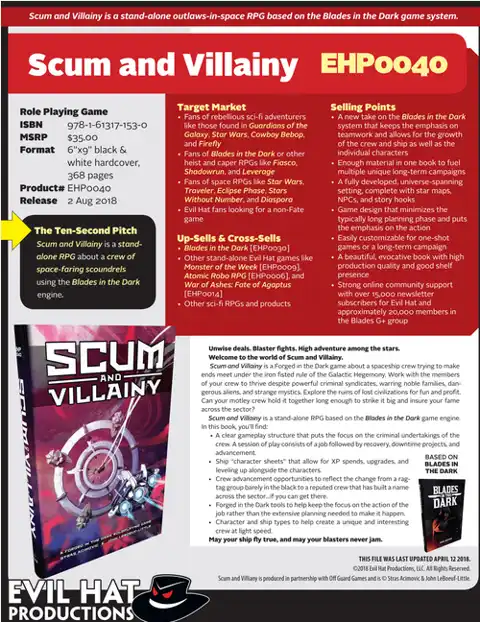
Scum and Villainy is a Forged in the Dark space-western about a crew of criminals, rebels, or bounty hunters taking risky jobs while their ship, debts, and reputation all hang in the balance. It is best for groups that want cinematic capers and crew-level campaign pressure rather than tactical ship simulation.
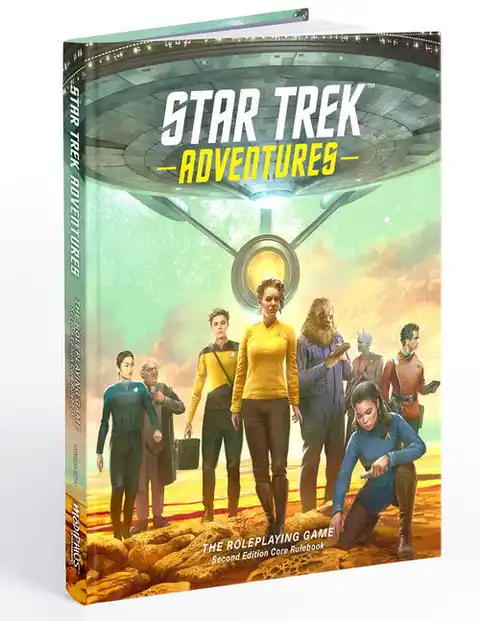
A medium-crunch licensed TTRPG that makes Star Trek exploration, diplomacy, bridge teamwork, and mission-based sci-fi problem-solving the core loop rather than just the setting skin.
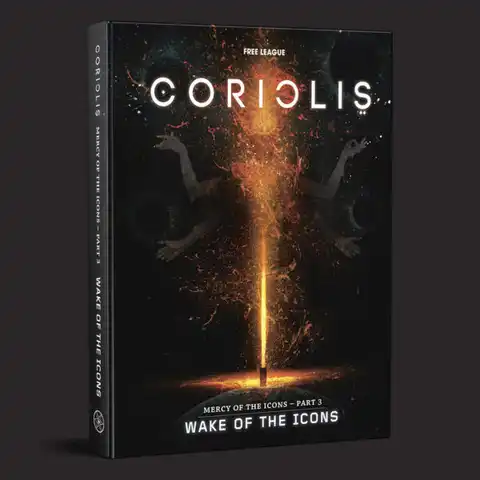
Coriolis is a crew-based science-fiction TTRPG about ship travel, faction politics, faith, old ruins, and cosmic mystery in the Third Horizon, using the Year Zero Engine for medium-crunch campaigns with real consequences.
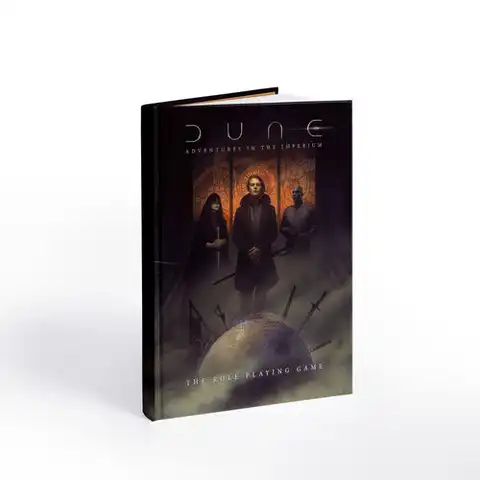
Dune: Adventures in the Imperium is a house-intrigue science-fiction TTRPG that turns Frank Herbert's setting into campaigns of leverage, espionage, duels, and political pressure rather than ship-crew sandboxing or constant firefights.
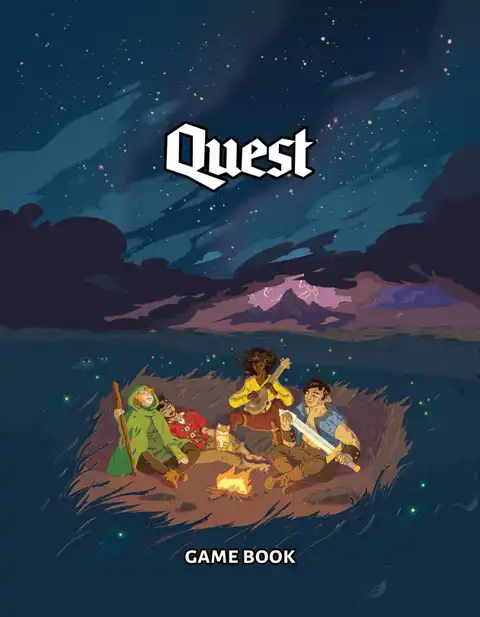
Quest is a free beginner-friendly fantasy TTRPG that trades modifier math and money tracking for fixed d20 outcomes, vivid role abilities, and one of the clearest onboarding paths in the hobby.
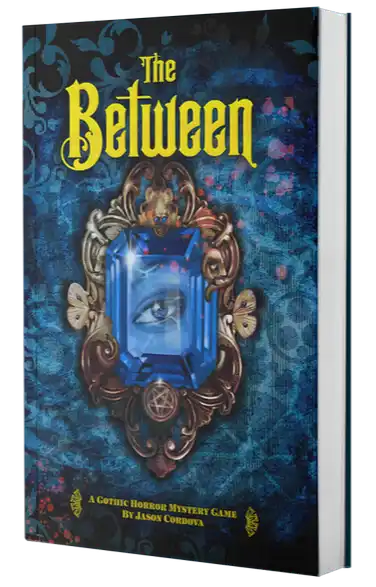
A gothic supernatural investigation TTRPG about mysterious hunters at Hargrave House confronting monstrous threats in Victorian London through Carved from Brindlewood mystery play.
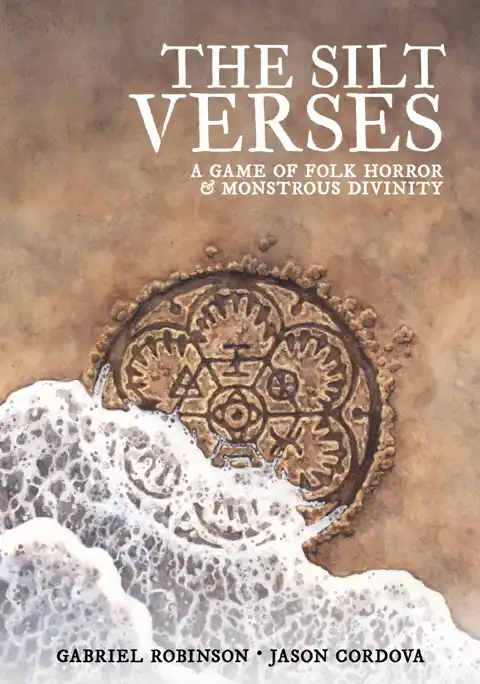
A folk-horror investigation TTRPG of stray gods, indebted Custodians, and monstrous divinity, using Carved from Brindlewood mystery play inside the world of The Silt Verses audio drama.
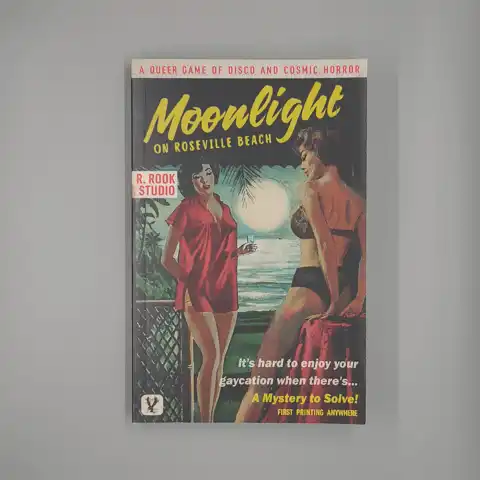
A queer 1979 beach-town mystery TTRPG where amateur sleuths protect Roseville Beach from phantasms, occult trouble, old gods, and social pressure.
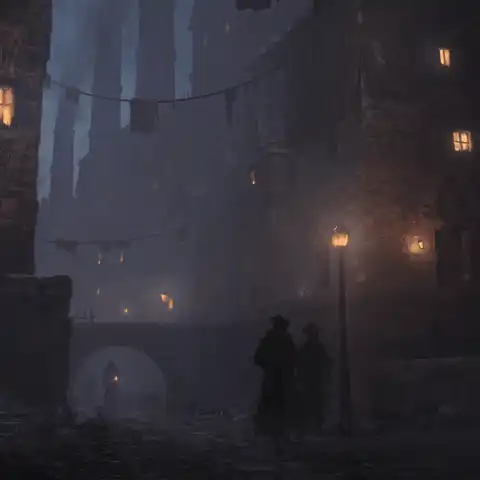
Hollows is Rowan, Rook and Decard's dark fantasy TTRPG of tactical many-vs-one boss fights, where Hunters enter rotten personal hells, wield Weapons built from humanity's worst instincts, and survive by coordinating every move.
PbtA narrows narrative-driven play to moves, playbooks, GM agendas, and genre-specific consequences.
Forged in the Dark is the place to go when you want narrative momentum through scores, flashbacks, stress, clocks, crews, and faction pressure.
Use collaborative worldbuilding when shared setting creation is not just flavor but a central procedure of play.
Cinematic games overlap with narrative-driven play when the goal is bold scenes, clear stakes, and genre pacing.