Mechanic

Best Collaborative Worldbuilding TTRPGs

Collaborative-worldbuilding TTRPGs invite players to author places, histories, factions, relationships, or truths that the campaign must honor. Start with Daggerheart, Draw Steel, and Kingdom as comparison points, then move down the list based on the kind of mechanical focus your group actually wants.

When comparing collaborative worldbuilding games, look at when world facts are created, who has veto power, whether prompts guide contributions, and how new lore turns into future pressure. Those details matter more than the tag itself, because two games can share a category while asking completely different things from the GM and players.

Use the top picks as anchors rather than treating the page like a simple popularity ranking. The goal is to answer the practical table question: which game will produce the kind of first session, campaign rhythm, and player buy-in your group is likely to enjoy?

They work best when players enjoy making setting choices with consequences, not just decorating a GM-owned world.
33 games All categories
Top picks

Best games in this category

Quick starting points if you want the clearest expressions of what Collaborative Worldbuilding games do well.

Daggerheart
Top pick

Daggerheart

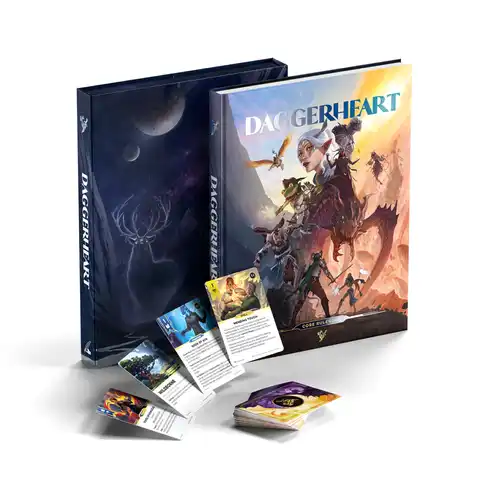
Start with Daggerheart when you want a collaborative worldbuilding option that makes the category visible in play, not just in premise. Compare it on when world facts are created, who has veto power, whether prompts guide contributions, and how new lore turns into future pressure. It is especially strong for groups who want heroic fantasy with strong character arcs and campaign tables that like collaborative...

Draw Steel
Top pick

Draw Steel

Start with Draw Steel when you want a collaborative worldbuilding option that makes the category visible in play, not just in premise. Compare it on when world facts are created, who has veto power, whether prompts guide contributions, and how new lore turns into future pressure. It is especially strong for groups that want fantasy combat to be fast, tactical, and cinematic and players who enjoy class powers, team...

Compare

How to choose the right Collaborative Worldbuilding TTRPG

Choose by the job at the table. For collaborative worldbuilding TTRPGs, compare when world facts are created, who has veto power, whether prompts guide contributions, and how new lore turns into future pressure. If that sounds too abstract, ask what the game makes players decide in the first hour.

Use the top picks as contrasts. Daggerheart and Draw Steel are useful side-by-side because they show different ways this category can work. Kingdom helps test whether your table wants shared institutions, crises, and role authority to be the main engine of play.

  • Daggerheart: Start with Daggerheart when you want a collaborative worldbuilding option that makes the category visible in play, not just in premise.
  • Draw Steel: Start with Draw Steel when you want a collaborative worldbuilding option that makes the category visible in play, not just in premise.
  • Kingdom: Start with Kingdom when you want a collaborative worldbuilding option that makes governance, role authority, and shared setting pressure central from the first session.

Match scope before rules. Some collaborative worldbuilding games are best as one-shots, some need a short arc, and some only reveal their strengths through campaign play. Decide that scope first, then choose the rules weight your group will actually tolerate.

FAQ

Questions players ask

Which collaborative worldbuilding TTRPG should my table try first?
Start with Daggerheart if you want the clearest first comparison point, then compare Draw Steel and Kingdom based on when world facts are created, who has veto power, whether prompts guide contributions, and how new lore turns into future pressure. The right first pick is the one that makes your next session easiest to imagine and run.
How do I choose between collaborative worldbuilding games?
Compare when world facts are created, who has veto power, whether prompts guide contributions, and how new lore turns into future pressure. Pay special attention to what the game asks players to do repeatedly: solve tactical problems, improvise drama, manage scarce resources, investigate, build characters, or share authorship.
Are collaborative worldbuilding TTRPGs better for one-shots or campaigns?
That depends on the procedures. For one-shots, favor fast setup, immediate pressure, and a clear ending. For campaigns, look for advancement, changing relationships, faction or location pressure, downtime, and enough variety to keep the core activity interesting.
What should I check before pitching a collaborative worldbuilding TTRPG to my group?
They work best when players enjoy making setting choices with consequences, not just decorating a GM-owned world. Also check rules weight, safety expectations, prep load, and whether the players are excited by the actual scenes the game creates rather than only the premise.
More to compare

More Collaborative Worldbuilding TTRPGs to compare

Daggerheart

Daggerheart

Use Daggerheart when your table wants collaborative worldbuilding play to shape real choices. It is most worth comparing for when world facts are created, who has veto power, whether prompts guide contributions, and how new lore turns into future pressure. From Critical Role’s Darrington Press, Daggerheart blends narrative depth with a unique d12...

Kingdom

Kingdom

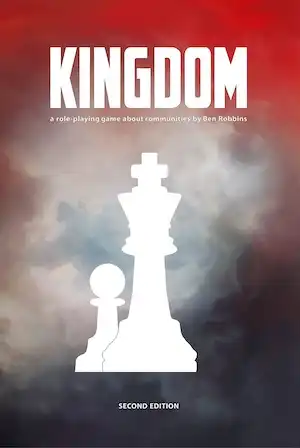
Kingdom belongs in collaborative worldbuilding when your table wants that label to matter in play instead of only in browsing. Kingdom is a GMless storygame about communities under pressure, using Power, Perspective, and Touchstone roles to turn big institutional decisions into personal conflict.

Dungeon World

Dungeon World

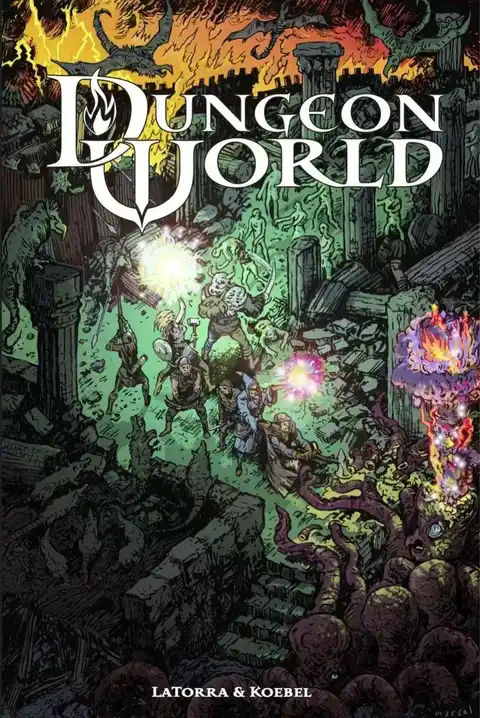
Use Dungeon World when your table wants collaborative worldbuilding play to shape real choices. It is most worth comparing for when world facts are created, who has veto power, whether prompts guide contributions, and how new lore turns into future pressure. Dungeon World is a fantasy adventure RPG that brings Powered by the Apocalypse moves to dungeon...

FATE

FATE

FATE belongs in collaborative worldbuilding when your table wants that label to matter in play instead of only in browsing. Fate Core is a flexible narrative system about proactive, capable people with dramatic problems, built around aspects, fate points, and collaborative worldbuilding rather than tactical simulation.

A Quiet Year

A Quiet Year

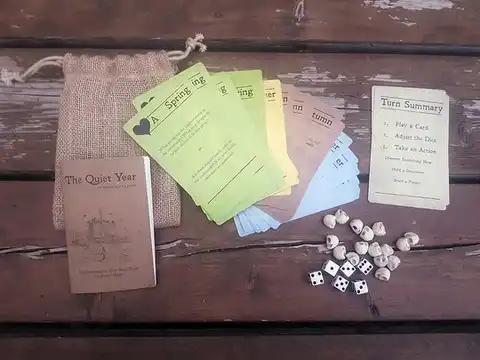
Use A Quiet Year when your table wants collaborative worldbuilding play to shape real choices. It is most worth comparing for when world facts are created, who has veto power, whether prompts guide contributions, and how new lore turns into future pressure. A Quiet Year is a thought-provoking tabletop RPG where players collaboratively create a...

Ars Magica

Ars Magica

Ars Magica fits collaborative worldbuilding because the covenant is a shared institution the whole table defines and steers. Troupe play makes players co-author the setting's politics, resources, enemies, and long-term direction instead of leaving world detail entirely to the Storyguide.

Ashen Stars

Ashen Stars

Use Ashen Stars when your table wants collaborative worldbuilding play to shape real choices. It is most worth comparing for when world facts are created, who has veto power, whether prompts guide contributions, and how new lore turns into future pressure. Ashen Stars plunges players into a vibrant, galaxy-spanning universe as they assume the roles of...

Candela Obscura

Candela Obscura

Use Candela Obscura when your table wants collaborative worldbuilding play to shape real choices. It is most worth comparing for when world facts are created, who has veto power, whether prompts guide contributions, and how new lore turns into future pressure. Candela Obscura invites players into a dark, atmospheric world where they must navigate complex...

Castles & Crusades

Castles & Crusades

Use Castles & Crusades when your table wants collaborative worldbuilding play to shape real choices. It is most worth comparing for when world facts are created, who has veto power, whether prompts guide contributions, and how new lore turns into future pressure. Castles & Crusades immerses players in a nostalgic world of high adventure, monsters, and...

Cortex Prime

Cortex Prime

Cortex Prime supports collaborative worldbuilding because the table is not only inventing setting details; it is choosing which parts of the fiction become traits, stress, resources, and procedures.

Draw Steel

Draw Steel

Use Draw Steel when your table wants collaborative worldbuilding play to shape real choices. It is most worth comparing for when world facts are created, who has veto power, whether prompts guide contributions, and how new lore turns into future pressure. MCDM’s Draw Steel reimagines fantasy RPGs with cinematic combat and exploration.

Dream Askew

Dream Askew

Use Dream Askew when your table wants collaborative worldbuilding play to shape real choices. It is most worth comparing for when world facts are created, who has veto power, whether prompts guide contributions, and how new lore turns into future pressure. Dream Askew is a diceless, GMless game about queer community, scarcity, and survival in a dreamy...

Everywhen

Everywhen

Use Everywhen when your table wants collaborative worldbuilding play to shape real choices. It is most worth comparing for when world facts are created, who has veto power, whether prompts guide contributions, and how new lore turns into future pressure. Everywhen invites players to embark on an imaginative journey across a multiverse where timelines...

Grimwild

Grimwild

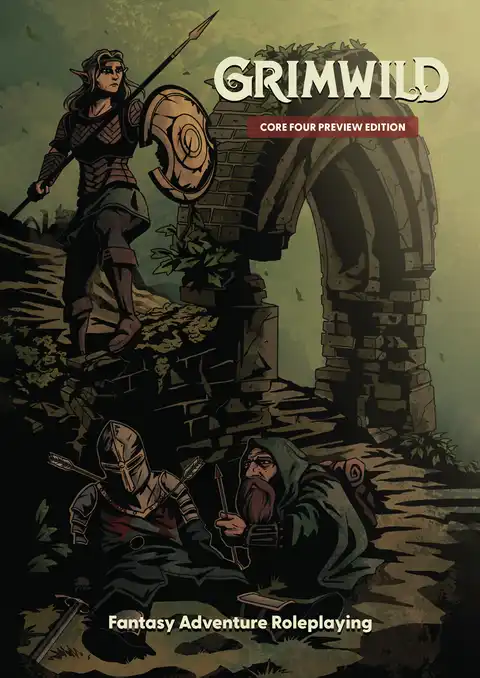
Use Grimwild when your table wants collaborative worldbuilding play to shape real choices. It is most worth comparing for when world facts are created, who has veto power, whether prompts guide contributions, and how new lore turns into future pressure. Grimwild immerses players in a richly woven, dark fantasy world teetering on the edge of collapse,...

Mage: The Ascension

Mage: The Ascension

Use Mage: The Ascension when your table wants collaborative worldbuilding play to shape real choices. It is most worth comparing for when world facts are created, who has veto power, whether prompts guide contributions, and how new lore turns into future pressure. Mage: The Ascension invites players into a modern world steeped in mysticism, where reality...

Microscope

Microscope

Use Microscope when your table wants collaborative worldbuilding play to shape real choices. It is most worth comparing for when world facts are created, who has veto power, whether prompts guide contributions, and how new lore turns into future pressure. Microscope invites players to collaboratively construct and explore a vast history across time and...

Nobilis

Nobilis

Use Nobilis when your table wants collaborative worldbuilding play to shape real choices. It is most worth comparing for when world facts are created, who has veto power, whether prompts guide contributions, and how new lore turns into future pressure. Nobilis immerses players in a surreal world where they embody the embodiment of divine concepts, each...

Perseverant RPG

Perseverant RPG

Use Perseverant RPG when your table wants collaborative worldbuilding play to shape real choices. It is most worth comparing for when world facts are created, who has veto power, whether prompts guide contributions, and how new lore turns into future pressure. Perseverant is a rules-lite survival story game about desperate journeys through hostile...

Keep browsing

Related categories