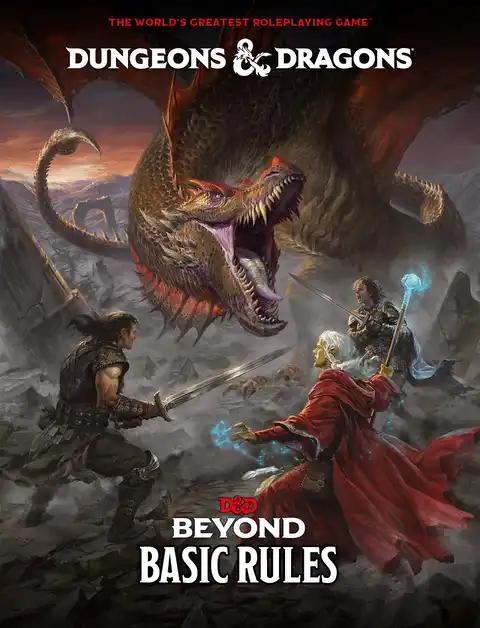
Top pick
Dungeons & Dragons
Best baseline for understanding contemporary d20 play, with familiar classes, long advancement, tactical set pieces, and the largest supply of compatible adventures, tools, and player support.
d20-system TTRPGs are best for groups that like familiar rolls, character options, and adventure procedures but want a different flavor of risk or setting. Start with Dungeons & Dragons, Pathfinder 2e, Brancalonia, and Shadow of the Demon Lord as comparison points, then move down the list based on how closely your group wants to stay to the modern d20 baseline.
When comparing d20 system games, look at how closely it stays to current D&D habits, how deadly the math feels, whether classes or feats dominate play, and how easily existing d20 instincts transfer. Those details matter more than the tag itself, because two games can share a category while asking completely different things from the GM and players.
Use the top picks as anchors rather than treating the page like a simple popularity ranking. The goal is to answer the practical table question: which game will produce the kind of first session, campaign rhythm, and player buy-in your group is likely to enjoy?
A d20 label does not guarantee the same pacing, balance assumptions, or encounter style your group expects from D&D.
Quick starting points if you want the clearest expressions of what d20 System games do well.
Best baseline for understanding contemporary d20 play, with familiar classes, long advancement, tactical set pieces, and the largest supply of compatible adventures, tools, and player support.
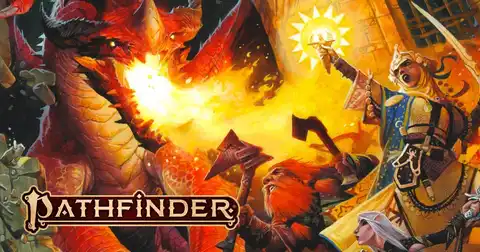
Best for groups that want the d20 family at its most tactically precise, with dependable encounter math, meaningful teamwork, and structured build choices across a long campaign.
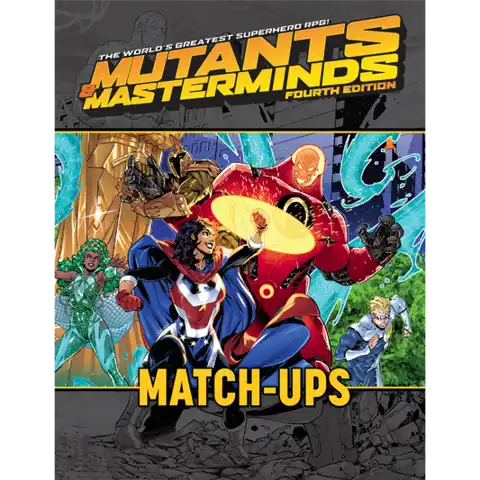
Best for seeing how far d20 can move beyond fantasy classes, giving players point-buy freedom to build original superheroes while retaining recognizable checks and campaign structure.
Pathfinder 2e keeps d20 checks, classes, levels, armor class, and saving throws, but rebuilds the family around three-action turns, four degrees of success, tightly controlled math, and extensive feat-based customization.
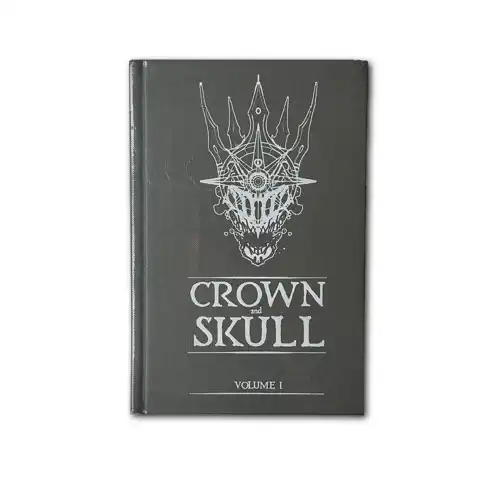
Crown & Skull is Runehammer's no-stats, no-HP fantasy TTRPG, built around point-buy characters, player-facing d20 rolls, skill-and-gear attrition, and emergent exploration in the North Holds.
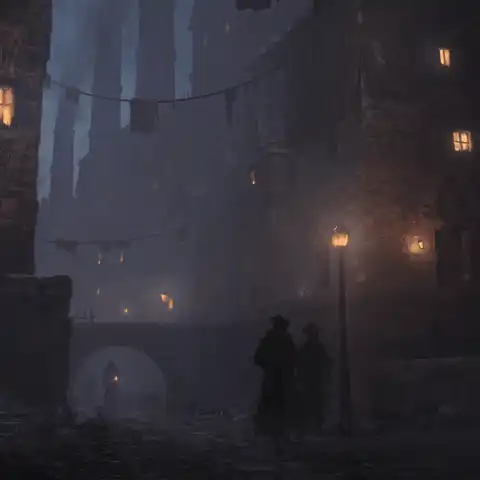
Hollows is Rowan, Rook and Decard's dark fantasy TTRPG of tactical many-vs-one boss fights, where Hunters enter rotten personal hells, wield Weapons built from humanity's worst instincts, and survive by coordinating every move.
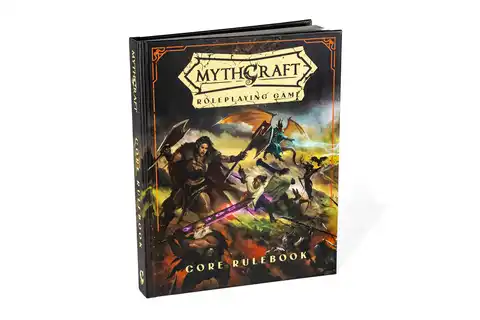
MythCraft is a d20 System fit for groups that want familiar roll logic but a different fantasy branch: action-point combat, talent-heavy advancement, BOP identity, and standalone rules rather than 5E compatibility.
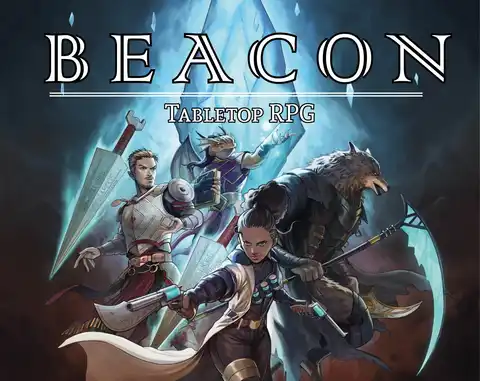
BEACON is not 5E-compatible, but it uses d20 accuracy checks with d6 Accuracy and Difficulty modifiers, making it a useful comparison point for groups that want d20 tactics outside D&D's class chassis.
Dungeons & Dragons is the modern d20 reference point: roll a d20 plus modifiers against target numbers, then combine that core with classes, levels, saving throws, armor class, spells, and tactical encounters.
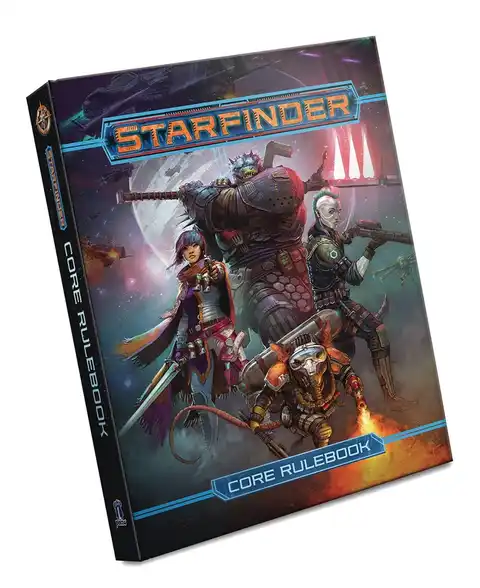
Starfinder is Paizo's science-fantasy TTRPG for crews of explorers, soldiers, mystics, and operators crossing the Pact Worlds with Pathfinder-compatible tactics, alien ancestries, and a ruleset that treats magic, firearms, hacking, and starship action as part of the same campaign.
Brancalonia is a spaghetti-fantasy RPG of lovable knaves, rough comedy, folklore, and lowborn capers in a vividly Italian fantasy world.
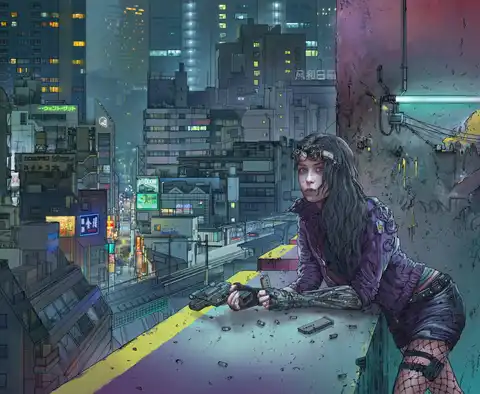
Carbon 2185 is a 5e-derived cyberpunk TTRPG set in a dystopian San Francisco, built for crew jobs, augmentations, hacking, and megacorporate pressure without abandoning familiar d20 play.
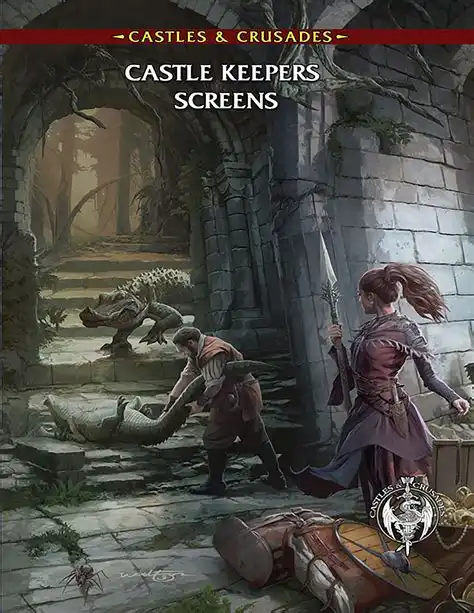
Castles & Crusades is Troll Lord Games' long-running fantasy TTRPG that uses the SIEGE Engine to deliver fast d20-style resolution, classic classes, and old-school campaign pressure without the heavier build complexity of modern crunch-first fantasy games.
Mutants & Masterminds takes d20-derived action checks into classless superhero design, replacing fixed fantasy packages with point-built powers, complications, defenses, and Toughness saves tailored to a specific comic-book concept.
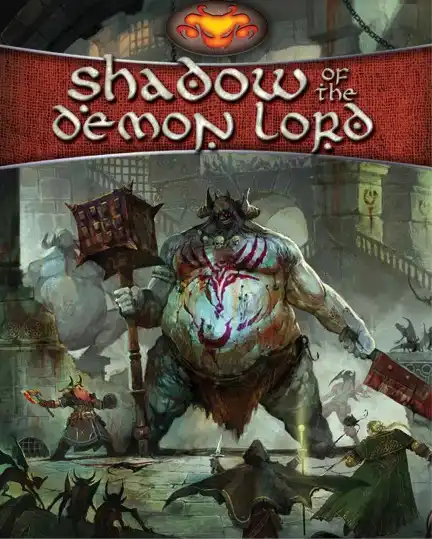
A grim d20 fantasy-horror game by Robert J. Schwalb that mixes fast turns, brutal fights, and path-based character growth. Best for groups who want dark fantasy pressure without giving up crunchy build choices.
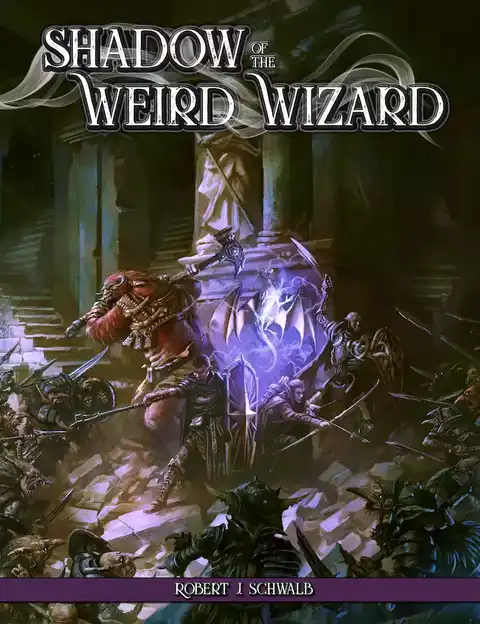
Heroic borderlands fantasy by Robert J. Schwalb and Schwalb Entertainment, using d20 rolls, boons and banes, and three-path character growth for quest-driven campaigns.
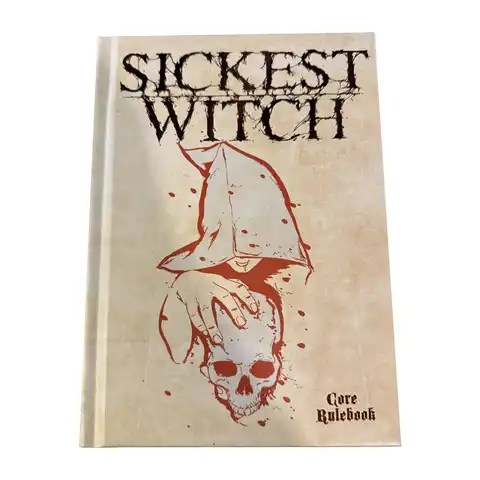
A d20 folk-horror TTRPG where oppressed witches harvest body parts for vile magic, share power through the Cauldron, and fight back in a low-fantasy medieval world of plague, famine, and dark bargains.
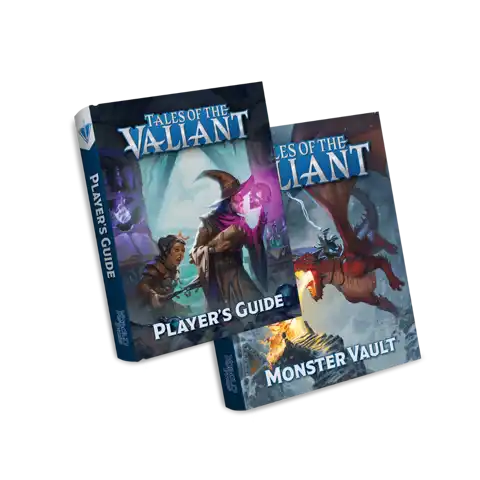
Tales of the Valiant is Kobold Press's Black Flag Roleplaying fantasy TTRPG: a streamlined, 5E-compatible two-book core built around heroic classes, lineages, talents, luck, Doom, and a large Monster Vault for campaign play.
Choose by the job at the table. For d20 system TTRPGs, compare how closely it stays to current D&D habits, how deadly the math feels, whether classes or feats dominate play, and how easily existing d20 instincts transfer. If that sounds too abstract, ask what the game makes players decide in the first hour.
Use the top picks as contrasts. Dungeons & Dragons and Pathfinder 2e are useful side-by-side because they show the baseline and its more tightly systematized tactical cousin. Brancalonia and Shadow of the Demon Lord then show how far the same chassis can bend toward caper fantasy or grim acceleration.
Match scope before rules. Some d20 system games are best as one-shots, some need a short arc, and some only reveal their strengths through campaign play. Decide that scope first, then choose the rules weight your group will actually tolerate.