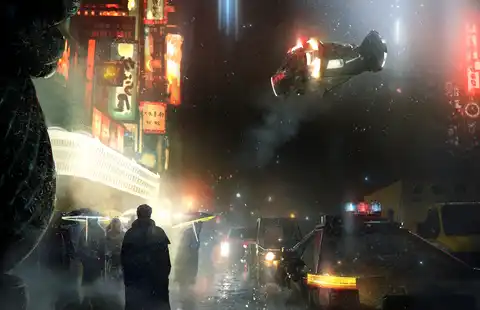
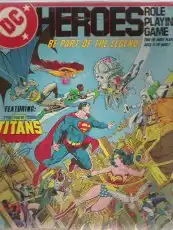
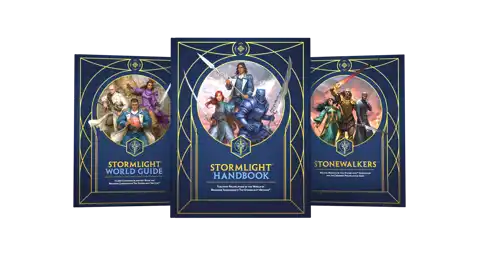
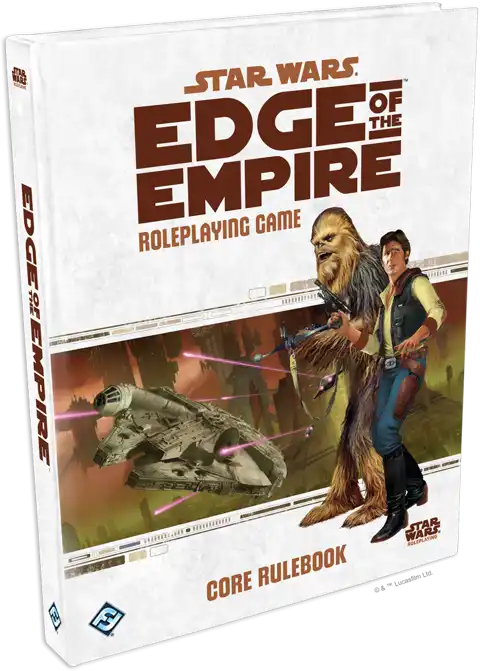
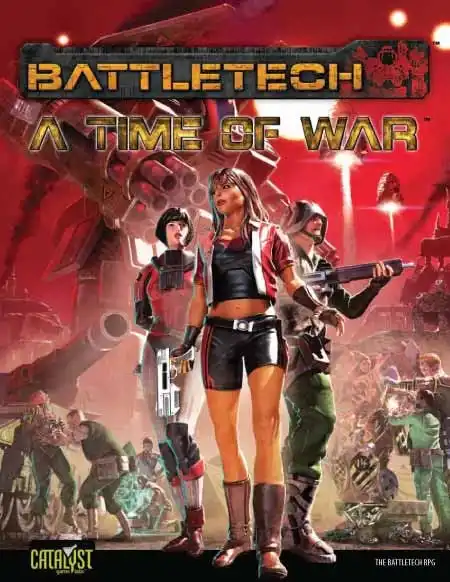
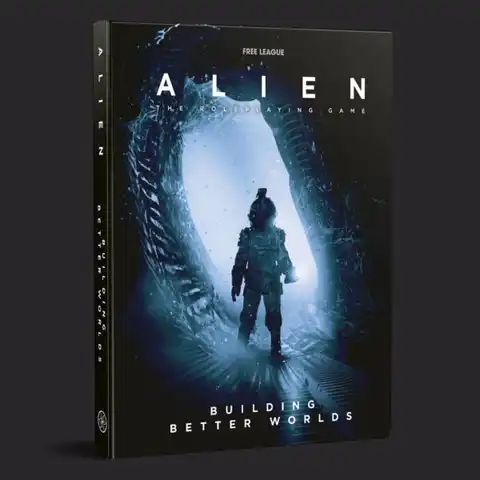
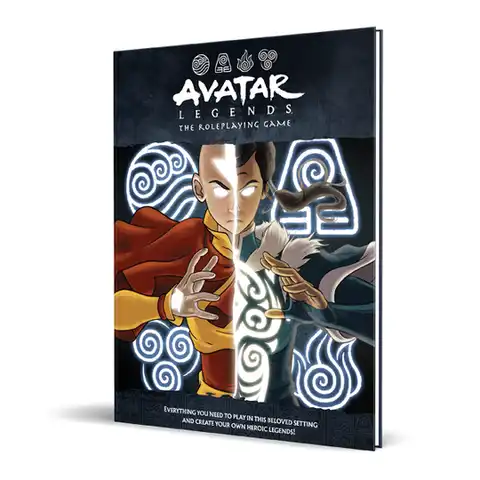
Licensed TTRPGs have to do two jobs at once: honor a known world and still create playable scenes instead of trivia checks. Start with Blade Runner, DC Heroes, Marvel Heroic Roleplaying, and Cosmere RPG as comparison points, then move down the list based on the kind of table need your group actually wants.
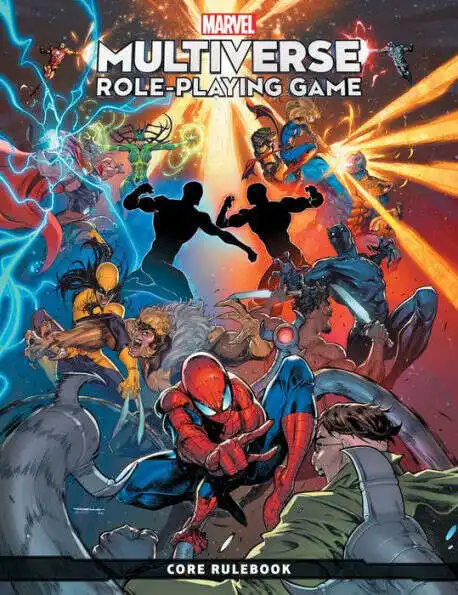
This list covers TTRPGs built on an established franchise from film, TV, comics, books, podcasts, video games or other games. That includes games a company makes under license from the franchise owner and games the owner publishes itself, such as Marvel's own Marvel Multiverse Role-Playing Game.
When comparing licensed games, look at how well the rules express the source material, whether new players need lore homework, how much the game supports original stories, and whether the license narrows or strengthens play. Those details matter more than the tag itself, because two games can share a category while asking completely different things from the GM and players.
Use the top picks as anchors rather than treating the page like a simple popularity ranking. The goal is to answer the practical table question: which game will produce the kind of first session, campaign rhythm, and player buy-in your group is likely to enjoy?
Familiar branding can hide a weak table fit; make sure players want the kind of scenes the game actually supports, not just the logo.