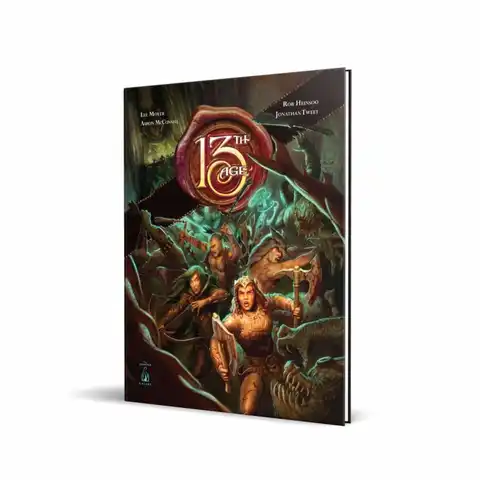
13th Age
13th Age is a heroic-fantasy d20 TTRPG that keeps classes, levels, and satisfying fights, then adds Icons, One Unique Thing, and the Escalation Die to make campaigns move faster and feel more story-shaped.
Team-based TTRPGs center the group as an operating unit: a crew, party, cell, squad, order, community, or ship. Start with Pathfinder 2e, Alien, Monster of the Week, and Star Wars as comparison points, then move down the list based on the kind of mechanical focus your group actually wants.
When comparing team-based games, look at shared goals, role protection, group resources, whether missions or relationships drive play, and how the game handles spotlight balance. Those details matter more than the tag itself, because two games can share a category while asking completely different things from the GM and players.
Use the top picks as anchors rather than treating the page like a simple popularity ranking. The goal is to answer the practical table question: which game will produce the kind of first session, campaign rhythm, and player buy-in your group is likely to enjoy?
A party list is not enough; the game should give the team a reason to act together and tools to feel distinct.
13th Age is a heroic-fantasy d20 TTRPG that keeps classes, levels, and satisfying fights, then adds Icons, One Unique Thing, and the Escalation Die to make campaigns move faster and feel more story-shaped.
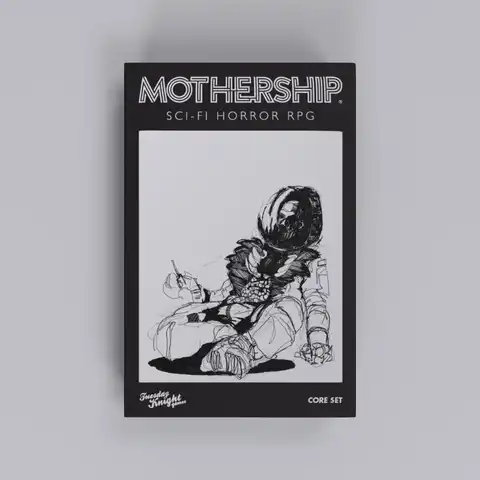
Mothership is a first-edition sci-fi horror TTRPG about fragile crews taking dangerous jobs in hostile space. Its rules-light d100 engine, stress and panic system, fast character creation, and Warden-facing horror procedures make it one of the strongest choices for derelict ships, doomed colonies, corporate negligence, and lethal short arcs.
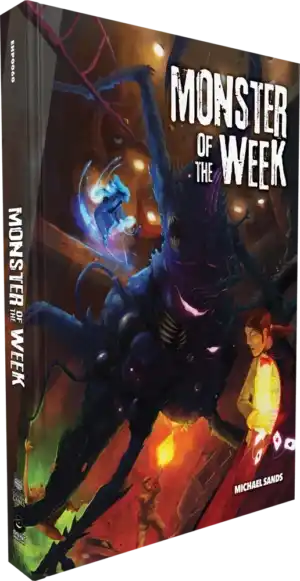
Monster of the Week is Michael Sands' modern supernatural mystery-horror TTRPG, built for Buffy-, Supernatural-, and X-Files-style campaigns. Hunters investigate strange cases, identify the monster's weakness, and confront it in fast, consequence-driven Powered by the Apocalypse play.
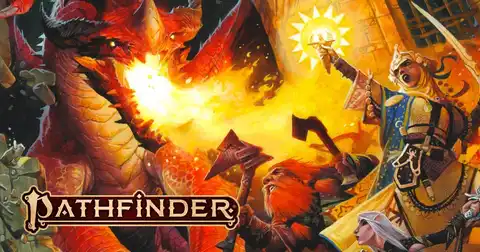
Pathfinder 2e is a tactical heroic-fantasy TTRPG whose three-action turns, tight encounter math, and deep character building reward groups that want the rules to do real work.
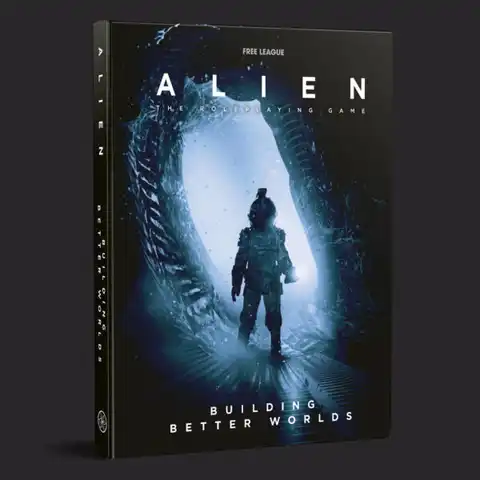
Alien is Free League's official sci-fi horror TTRPG, now centered on the Evolved Edition line: stress and panic, hidden agendas, lethal missions, and campaign books that support both cinematic one-shots and harsher frontier play.
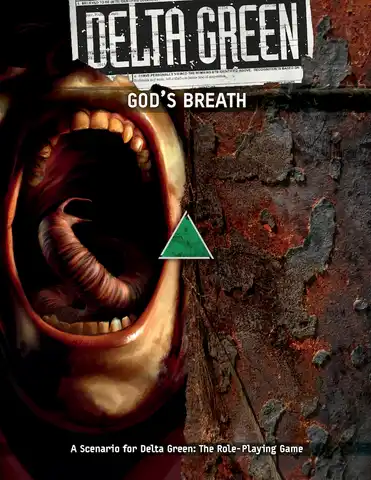
Delta Green is modern conspiracy horror about agents investigating the unnatural, burying the evidence, and watching the mission damage their sanity, relationships, and careers.
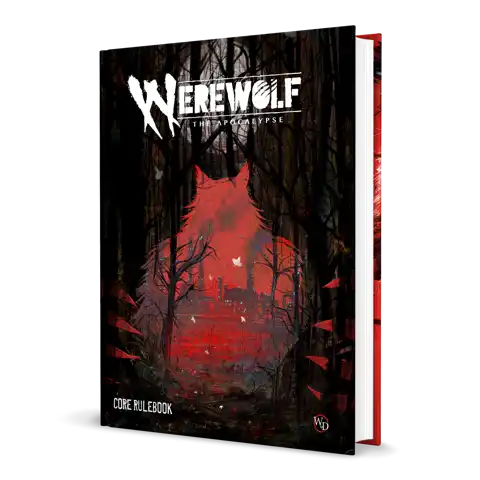
A pack-focused World of Darkness horror TTRPG about Garou fighting ecological and spiritual collapse, best for groups that want Rage, Renown, and hard moral pressure in a long-running chronicle.
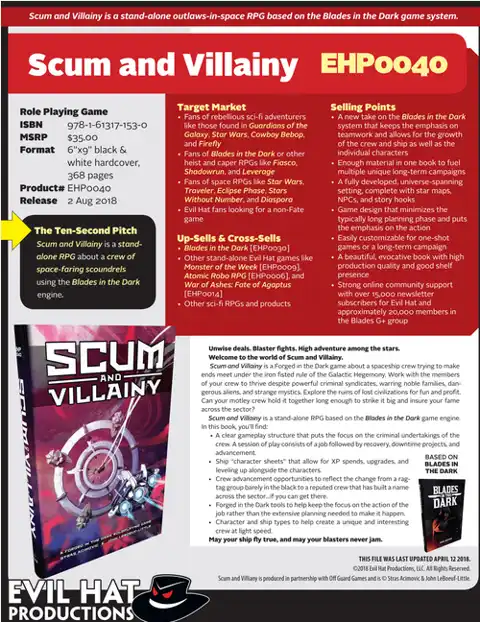
Scum and Villainy is a Forged in the Dark space-western about a crew of criminals, rebels, or bounty hunters taking risky jobs while their ship, debts, and reputation all hang in the balance. It is best for groups that want cinematic capers and crew-level campaign pressure rather than tactical ship simulation.
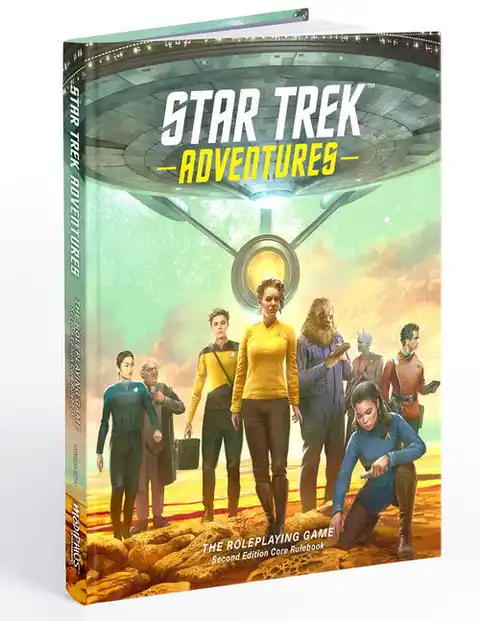
A medium-crunch licensed TTRPG that makes Star Trek exploration, diplomacy, bridge teamwork, and mission-based sci-fi problem-solving the core loop rather than just the setting skin.
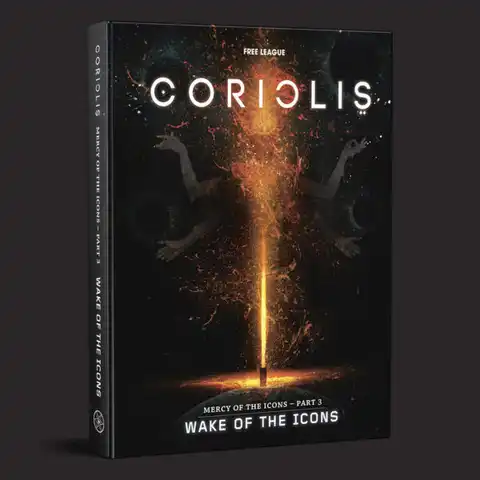
Coriolis is a crew-based science-fiction TTRPG about ship travel, faction politics, faith, old ruins, and cosmic mystery in the Third Horizon, using the Year Zero Engine for medium-crunch campaigns with real consequences.
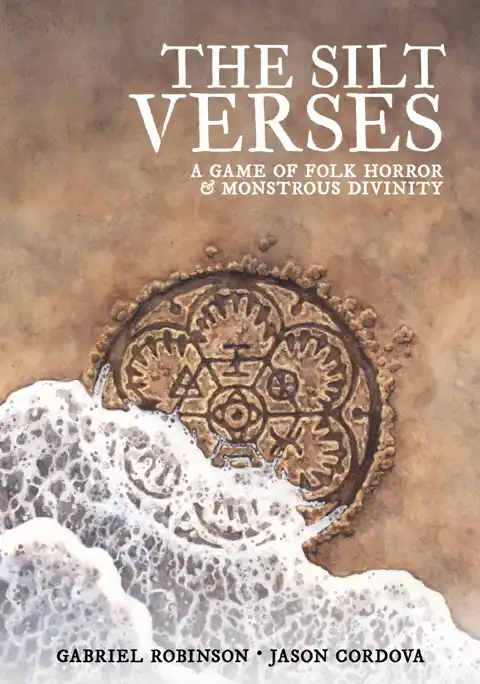
A folk-horror investigation TTRPG of stray gods, indebted Custodians, and monstrous divinity, using Carved from Brindlewood mystery play inside the world of The Silt Verses audio drama.
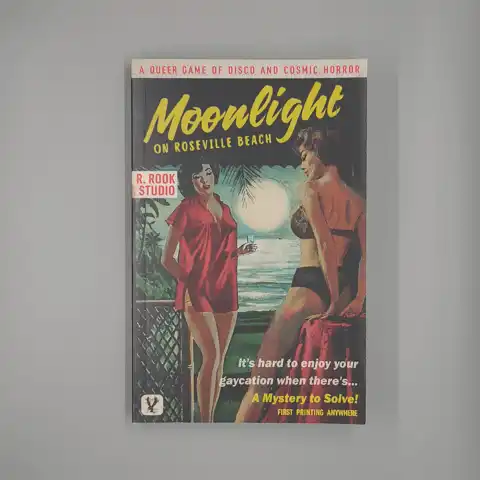
A queer 1979 beach-town mystery TTRPG where amateur sleuths protect Roseville Beach from phantasms, occult trouble, old gods, and social pressure.
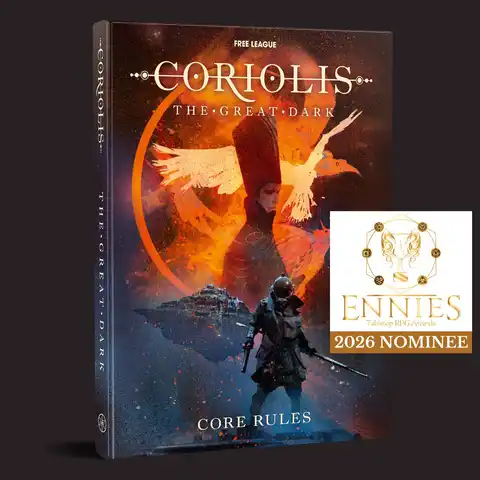
Coriolis: The Great Dark is team-based because the crew functions as an expedition unit with shared upgrades, vehicles, maneuvers, and responsibilities beyond individual character sheets.
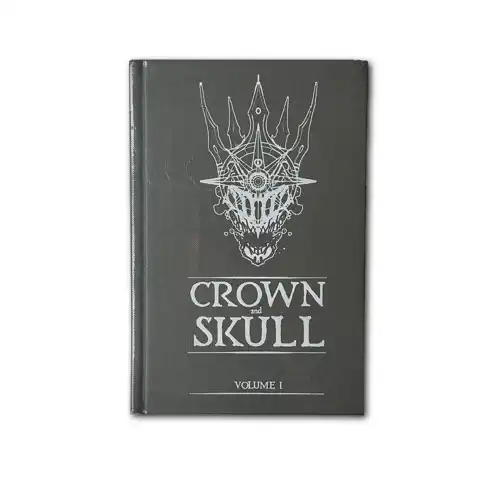
Crown & Skull is Runehammer's no-stats, no-HP fantasy TTRPG, built around point-buy characters, player-facing d20 rolls, skill-and-gear attrition, and emergent exploration in the North Holds.
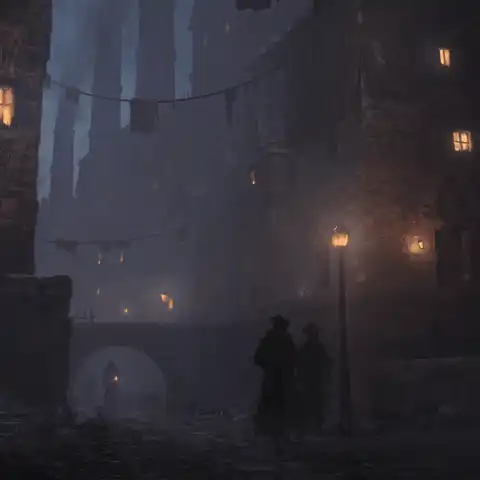
Hollows is Rowan, Rook and Decard's dark fantasy TTRPG of tactical many-vs-one boss fights, where Hunters enter rotten personal hells, wield Weapons built from humanity's worst instincts, and survive by coordinating every move.

Fight With Spirit is built around a team as the central dramatic unit, with players exploring friendship, rivalry, pressure, and the cost of keeping that team together.
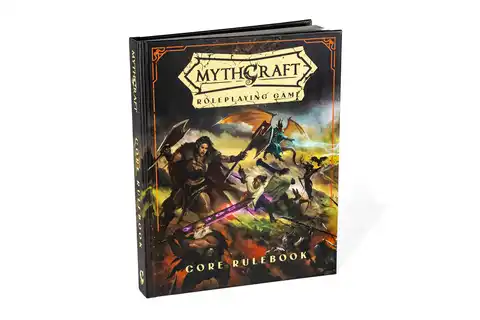
MythCraft is QuasiReal's standalone d20 fantasy TTRPG, built around medium-crunch character customization, 13 core classes, lineages, Backgrounds/Occupations/Professions, five magic sources, and action-point combat.
BEACON TTRPG is Tim Gonzalez's tactical high-fantasy game about heroic Beacons defending a custom Reflection from its Scourge, pairing PbtA-inspired narrative play with Lancer-like class, loot, and grid-combat buildcraft.
Cloudbreaker Alliance is CJ Leung's counter-apocalyptic 2d6 science-fantasy TTRPG about anime-inspired heroes exploring the Cloudbroken Lands, researching monsters, exposing Weak Points, and rebuilding connections between isolated communities.
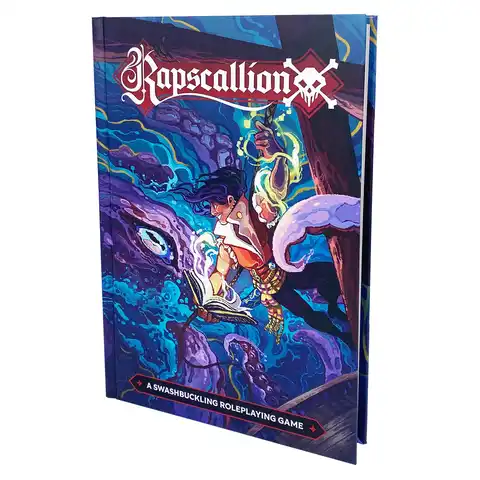
Rapscallion is Team-Based because the pirate crew and its ship are the operating unit: shared danger, shared reputation, ship moves, and crew cohesion matter every session.
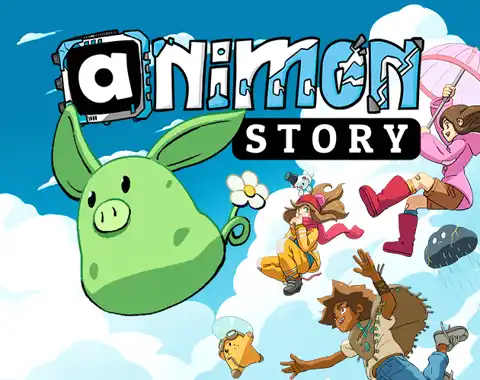
Animon Story is Zak Barouh's tabletop roleplaying game about Kids and their monster friends, using approachable d6 rules, bond-driven character growth, and custom Animon evolution to turn Pokemon and Digimon-style adventure into a campaign-ready TTRPG.
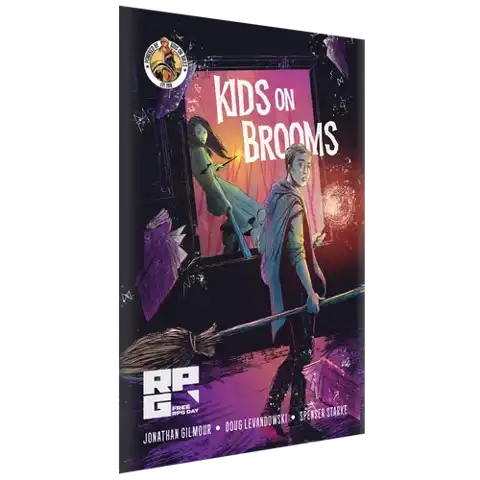
Kids on Brooms is a rules-light magical-school TTRPG about young witches and wizards building their own school, uncovering secrets, casting flexible spells, and handling mystery, danger, homework, friendships, and magical trouble through the Kids on Bikes framework.
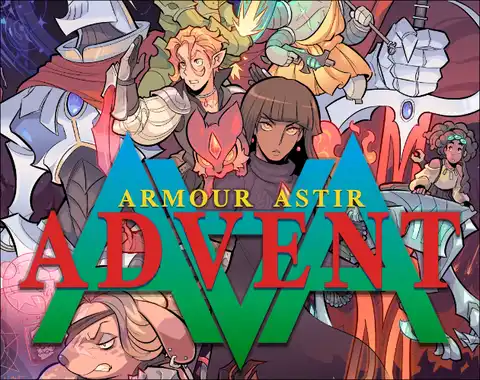
Armour Astir: Advent is a high-fantasy PbtA mecha TTRPG about rebel pilots, support crew, diplomats, spies, and magical Astirs fighting an oppressive authority.
Choose by the job at the table. For team-based TTRPGs, compare shared goals, role protection, group resources, whether missions or relationships drive play, and how the game handles spotlight balance. If that sounds too abstract, ask what the game makes players decide in the first hour.
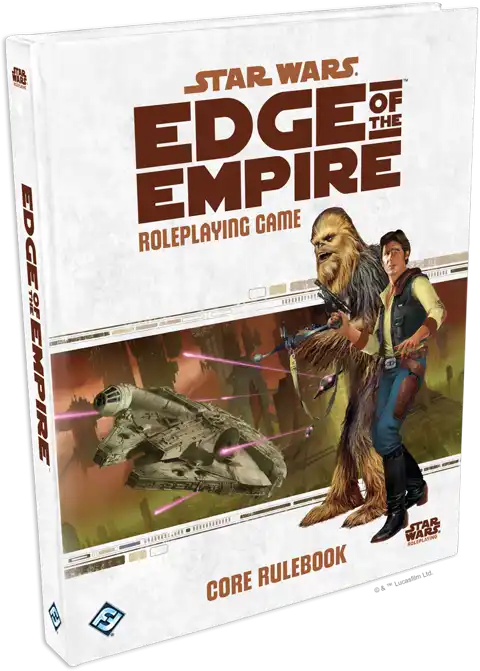
Use the top picks as contrasts. Pathfinder 2e and Alien are useful side-by-side because they show different ways this category can work. Monster of the Week adds another angle, while Star Wars helps test whether your table wants a different commitment level.
Match scope before rules. Some team-based games are best as one-shots, some need a short arc, and some only reveal their strengths through campaign play. Decide that scope first, then choose the rules weight your group will actually tolerate.