Top pick
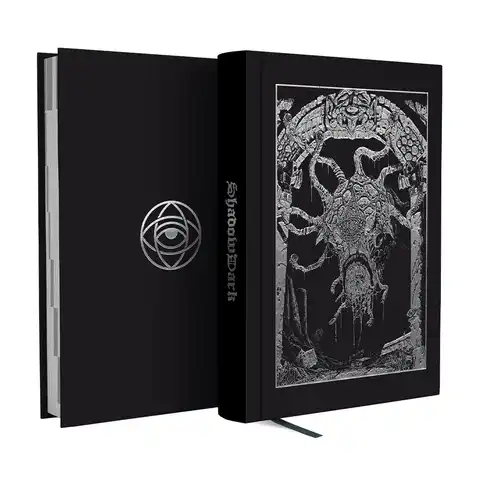
ShadowDark
Start with ShadowDark when you want real-time pressure inside an otherwise familiar fantasy dungeon campaign. The timer is easy to understand and repeatedly affects practical decisions.
Real-time mechanics make the passage of actual table time part of the rules. The timer may consume light, advance an apocalypse, close an opportunity, or change the resources available to the group. That is different from ordinary initiative: the pressure continues because minutes pass, not only because a character's turn arrives.
Start with ShadowDark for a recurring torch timer in dungeon exploration, Ten Candles for a tragic one-shot whose burning candles control scene and dice structure, or ARC for a campaign-facing Doomsday Clock. Compare how visible the timer is, what it changes mechanically, whether pauses are allowed, and how comfortable the group is making choices under external pressure.
Use timers with consent and accessibility in mind. They should focus the fiction, not punish players who process information, communicate, or make decisions at different speeds.
Quick starting points if you want the clearest expressions of what Real-Time Mechanics games do well.
Start with ShadowDark when you want real-time pressure inside an otherwise familiar fantasy dungeon campaign. The timer is easy to understand and repeatedly affects practical decisions.

Choose Ten Candles when the group wants the physical ritual and emotional arc of a single doomed session. Its real-time element is inseparable from the game's tone.

Choose ARC when you want real-time pressure to organize a short campaign rather than only a dungeon resource or one-shot ritual.
ShadowDark's real-world torch timer makes exploration pressure continuous: light expires while the table debates, so navigation, risk, and resource use stay connected.
Ten Candles makes burning candles part of the shared dice economy and scene structure, visibly moving the one-shot toward its inevitable tragic ending.
ARC uses a real-time Doomsday Clock to advance an approaching apocalypse, forcing the group to choose where limited time and attention will matter most.
Choose by the job at the table. For real-time mechanics TTRPGs, compare how stressful the timer is, whether time pressure supports the fiction, accessibility, and how much the group enjoys external pressure. If that sounds too abstract, ask what the game makes players decide in the first hour.
Use the top picks as contrasts. ARC: Doom Tabletop RPG and ShadowDark are useful side-by-side because they show different ways this category can work. The rest of the list adds narrower angles.
Match scope before rules. Some real-time mechanics games are best as one-shots, some need a short arc, and some only reveal their strengths through campaign play. Decide that scope first, then choose the rules weight your group will actually tolerate.