Top pick
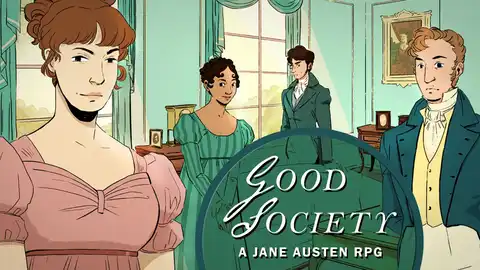
Good Society
Best for groups that want Regency romance and reputation drama, with structured collaboration supporting courtship, scandal, family pressure, and tangled feelings across a short campaign.
Social-intrigue TTRPGs make information, status, favors, secrets, and shifting alliances as important as weapons. Start with Cloak and Dagger, Court of Blades, and Vampire: The Masquerade as comparison points, then move down the list based on the kind of pressure, mystery, and political texture your group actually wants.
When comparing social intrigue games, look at faction tracking, social stakes, mystery density, whether conflict is formal or messy, and how much the GM must maintain a web of agendas. Those details matter more than the tag itself, because two games can share a category while asking completely different things from the GM and players.
Use the top picks as anchors rather than treating the page like a simple popularity ranking. The goal is to answer the practical table question: which game will produce the kind of first session, campaign rhythm, and player buy-in your group is likely to enjoy?
They work poorly if players only want to talk until the next fight; choose them when maneuvering is the point.
Quick starting points if you want the clearest expressions of what Social Intrigue games do well.
Best for groups that want Regency romance and reputation drama, with structured collaboration supporting courtship, scandal, family pressure, and tangled feelings across a short campaign.
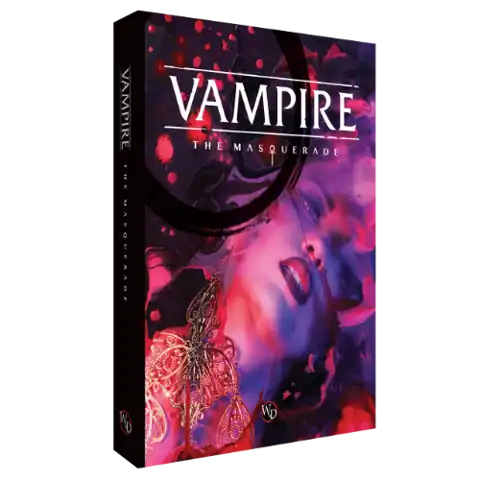
Best for long chronicles of personal and political horror where favors, territory, coterie loyalties, and rival supernatural factions make every relationship potentially predatory.
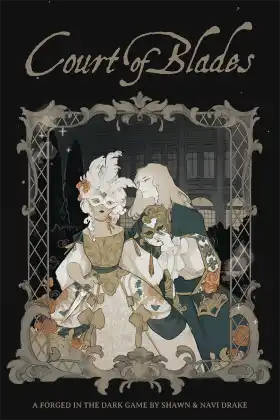
Best for groups that want structured political maneuvering, elegant missions, and campaign consequences, with social position and the House's fortunes changing across a defined season.

Best for intricate fantasy politics where characters must balance private desire, public duty, clan expectations, and dangerous etiquette without treating social scenes as a pause between fights.
Vampire: The Masquerade builds city intrigue from clan identity, coterie ties, feeding grounds, status, boons, sect conflict, and the constant risk that Hunger or secrecy will compromise an alliance.
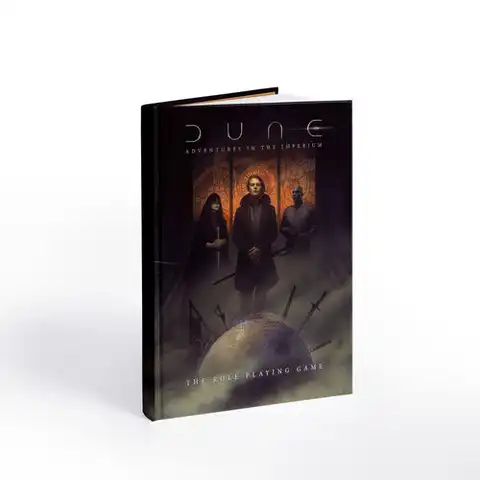
Dune: Adventures in the Imperium is a house-intrigue science-fiction TTRPG that turns Frank Herbert's setting into campaigns of leverage, espionage, duels, and political pressure rather than ship-crew sandboxing or constant firefights.
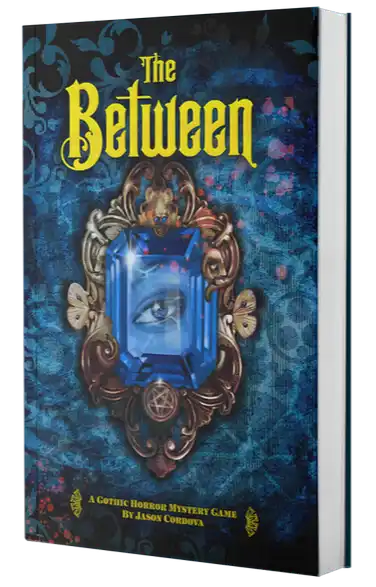
A gothic supernatural investigation TTRPG about mysterious hunters at Hargrave House confronting monstrous threats in Victorian London through Carved from Brindlewood mystery play.

A queer 1979 beach-town mystery TTRPG where amateur sleuths protect Roseville Beach from phantasms, occult trouble, old gods, and social pressure.
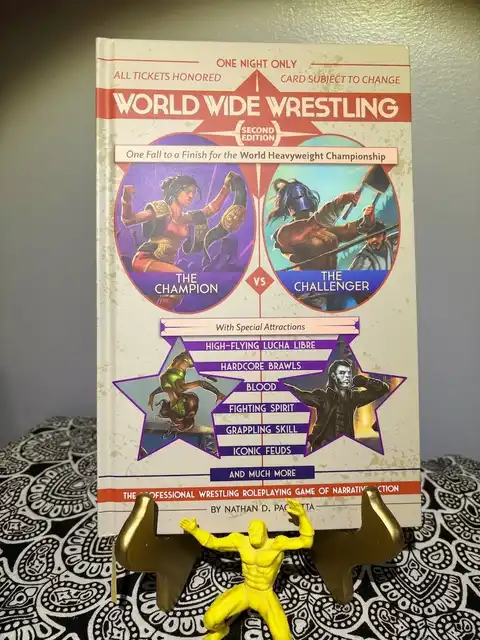
World Wide Wrestling belongs in Social Intrigue when the table wants status, betrayals, backstage agendas, audience reaction, rivalries, stables, and career positioning to matter as much as the match itself.
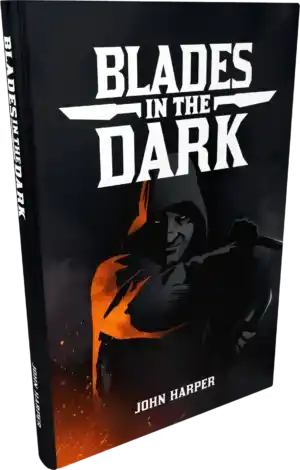
Blades in the Dark is John Harper's haunted-industrial heist TTRPG: a crew-based campaign game where flashbacks, stress, heat, and faction fallout turn every score into more trouble.
Court of Blades redirects Forged in the Dark's pressure cycle toward a noble House, retainers, favors, scandal, reputation, rival factions, and seasonal opportunities inside a fantasy Renaissance court.

A Town Called Malice is a strong Social Intrigue fit because the town's relationship web, public event, and private secrets are central to play. The horror works when social pressure becomes dangerous.
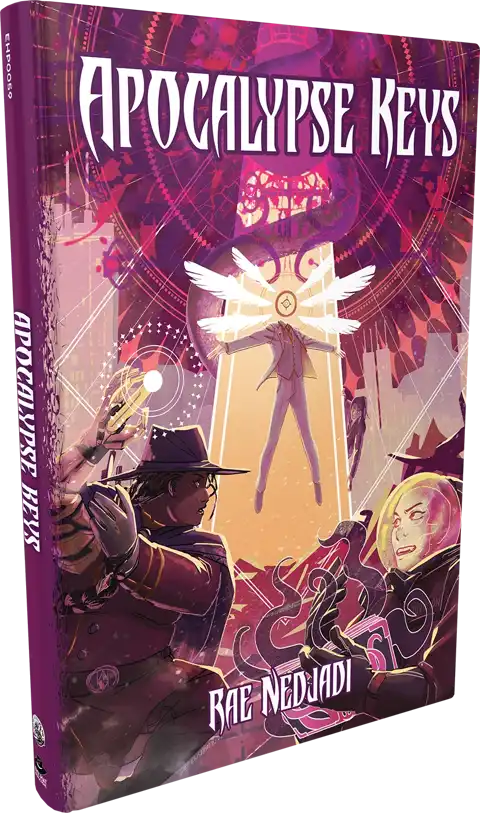
Apocalypse Keys is Rae Nedjadi's modern supernatural PbtA TTRPG about Omen-class monster agents working for DIVISION to solve mysteries, stop Harbingers, and hold back the apocalypse through bonds, power, and dangerous emotions.
Cloak and Dagger is a lightweight intrigue RPG built for secrets, reversals, and fast-moving capers with minimal overhead.
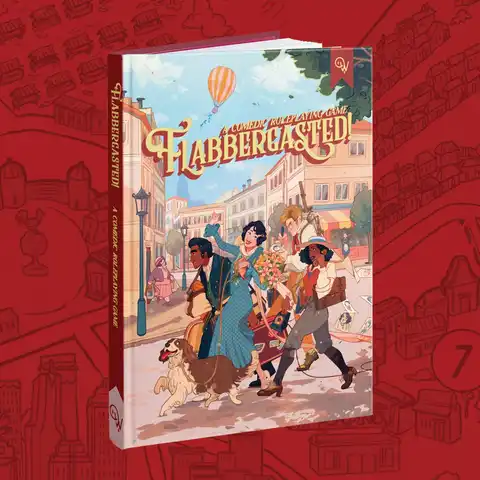
Flabbergasted! fits Social Intrigue when your table wants favors, reputation, scandal, rival clubs, and public embarrassment to matter. The intrigue is light and comic, but social maneuvering is still the point.
Good Society makes relationships, reputation, family obligation, desire, rumors, letters, and social events the machinery of play, so a look or invitation can change several characters' futures.

A retrofuture cyberpunk TTRPG about ordinary residents of an orbital colony pushing back against corporate power through community, stealth, hacking, and hard choices about debt and survival.

A small-folk fantasy TTRPG about intrigue, adventure, and social conflict inside a vast abandoned House.

Lady Blackbird is a free steampunk space-opera TTRPG by John Harper built around pregenerated outlaws, Keys-driven drama, and fast dice-pool resolution. It excels at one-shots and short arcs where the group wants immediate momentum, romance, intrigue, and swashbuckling choices without heavy prep.
Legend of the Five Rings makes etiquette, duty, honor, glory, status, emotional Strife, clan loyalty, and courtly technique as consequential as swordplay in the samurai drama of Rokugan.
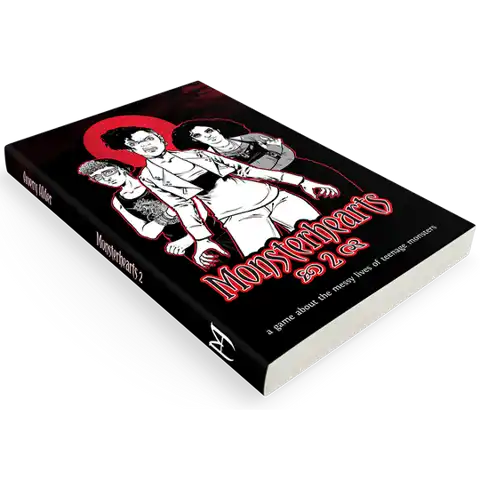
Monsterhearts 2 is Avery Alder's Powered by the Apocalypse TTRPG of teenage monsters, queer desire, social cruelty, and personal horror, where Strings and emotional fallout matter more than winning fights.

Our Brilliant Ruin belongs in Social Intrigue when your table wants status, favors, secrets, class pressure, and reputation to be as dangerous as the Ruin outside the estate walls.
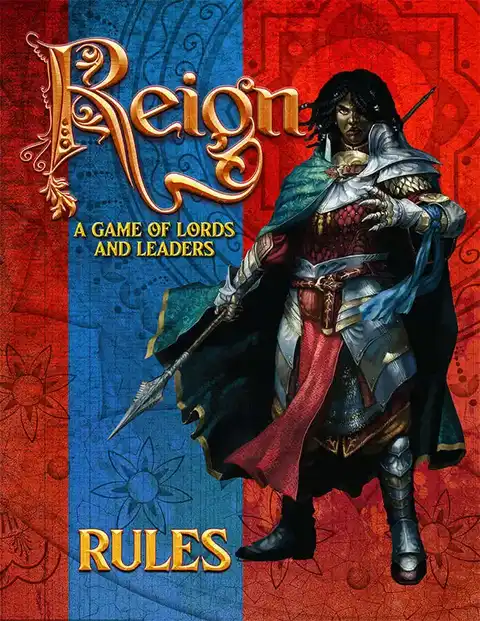
Reign is a classless political-fantasy TTRPG where missions at the character scale feed the fortunes of the house, cult, army, guild, or realm the party represents. Its One Roll Engine core and Company rules make leadership, leverage, and resource pressure part of actual play instead of background fiction.
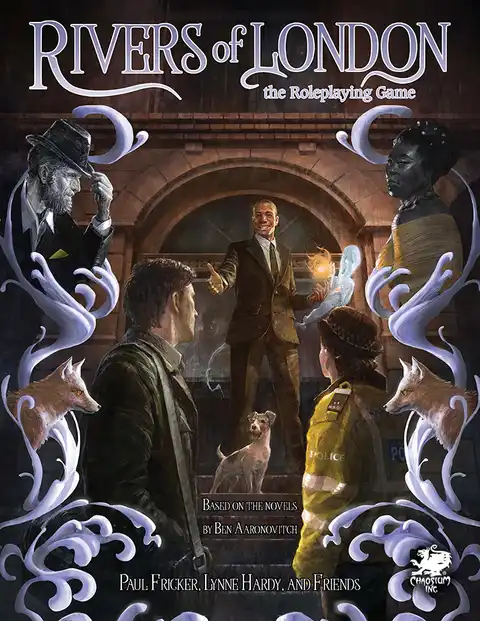
Rivers of London fits Social Intrigue when cases involve police hierarchy, witnesses, suspects, magical communities, and institutional relationships rather than only clue collection.
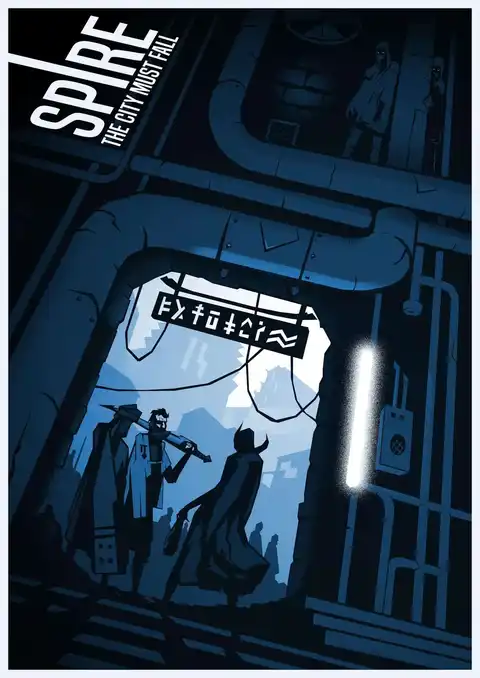
Dark fantasy resistance TTRPG about drow revolutionaries fighting an occupying high-elf regime inside a surreal vertical city. Spire is strongest when your group wants faction politics, costly victories, and vivid class identity more than balanced tactical combat.
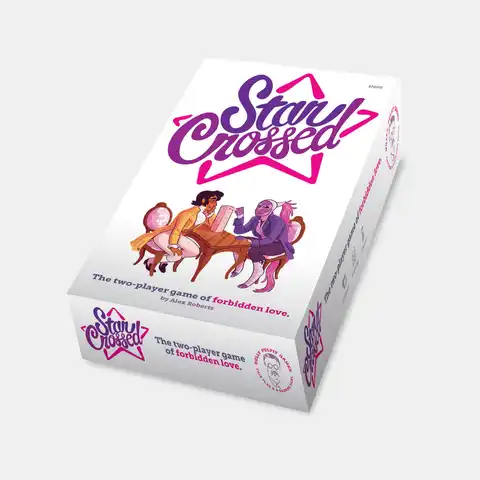
Star Crossed is an emotionally charged tabletop roleplaying game that navigates the complexities of romantic tension in a world where characters are irresistibly drawn to each other yet face insurmountable obstacles. Utilizing a unique dice mechanic that builds suspense and a rich narrative framework, players craft intimate stories of connection and loss, blending heart-wrenching choices with the thrill of fate. What sets Star Crossed apart is its focus on the fragility of relationships, inviting players to explore the bittersweet nature of love against a backdrop of dramatic stakes and personal conflict.
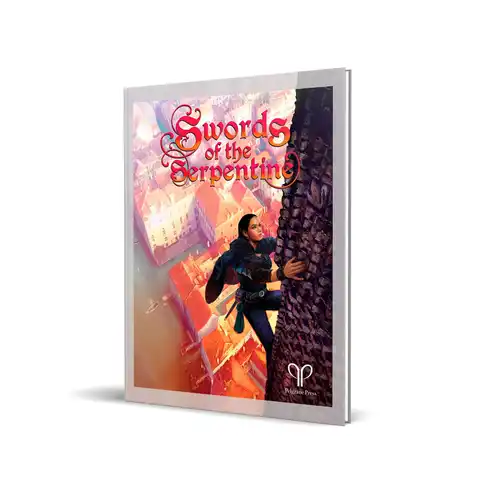
Swords of the Serpentine is a GUMSHOE sword-and-sorcery TTRPG by Kevin Kulp and Emily Dresner that turns clues, faction politics, social combat, and dangerous sorcery into the engine of urban fantasy adventure in the sinking city of Eversink.
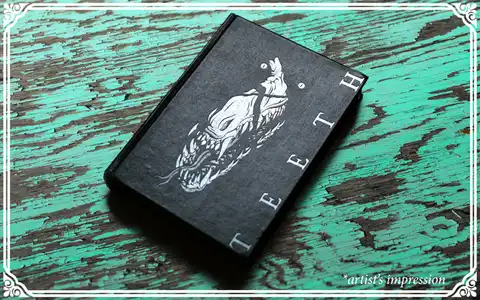
TEETH is a comic-horror Forged in the Dark TTRPG about Crown-backed hunters, occult crime, and monster work in a cursed corner of 1780 northern England. It is best for groups that want mission pressure, grotesque historical horror, and campaign fallout rather than generic fantasy hunting.
Choose by the job at the table. For social intrigue TTRPGs, compare faction tracking, social stakes, mystery density, whether conflict is formal or messy, and how much the GM must maintain a web of agendas. If that sounds too abstract, ask what the game makes players decide in the first hour.
Use the top picks as contrasts. Cloak and Dagger, Court of Blades, and Vampire: The Masquerade are useful side by side because they show different social-intrigue scales: fast caper pressure, campaign court politics, and predatory city horror.
Match scope before rules. Some social intrigue games are best as one-shots, some need a short arc, and some only reveal their strengths through campaign play. Decide that scope first, then choose the rules weight your group will actually tolerate.