Top pick
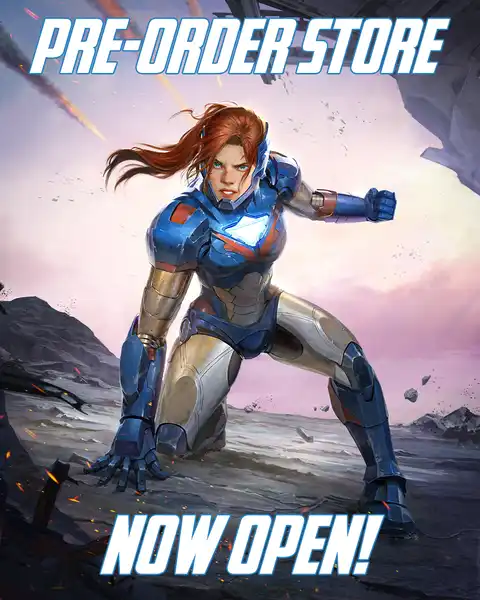
Outgunned
Best pure action-movie pick for groups that want the rules to create chases, stunts, escalating set pieces, stylish teamwork, and heroes who remain dangerous while badly outnumbered.
Cinematic TTRPGs aim for pacing, big turns, clear scenes, and memorable reversals rather than simulation of every detail. Start with Blade Runner, 13th Age, and Outgunned as comparison points, then move down the list based on the kind of theme your group actually wants.
When comparing cinematic games, look at scene framing, spotlight handling, how failure escalates, whether rules encourage cuts and reveals, and how much director-style authority players share. Those details matter more than the tag itself, because two games can share a category while asking completely different things from the GM and players.
Use the top picks as anchors rather than treating the page like a simple popularity ranking. The goal is to answer the practical table question: which game will produce the kind of first session, campaign rhythm, and player buy-in your group is likely to enjoy?
A cinematic game can frustrate players who want granular tactics or slow procedural exploration.
Quick starting points if you want the clearest expressions of what Cinematic games do well.
Best pure action-movie pick for groups that want the rules to create chases, stunts, escalating set pieces, stylish teamwork, and heroes who remain dangerous while badly outnumbered.
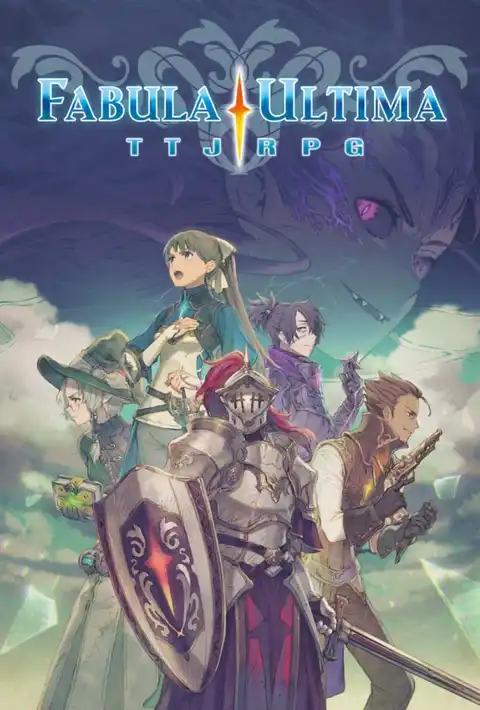
Best for campaign-length JRPG spectacle, with ensemble character arcs, recurring villains, dramatic powers, and party relationships that turn major confrontations into emotional set pieces.
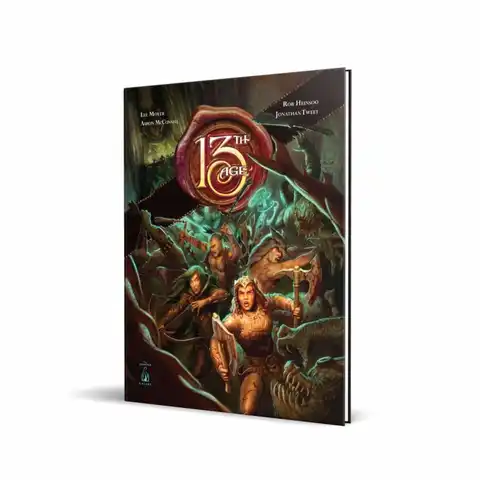
13th Age is a heroic-fantasy d20 TTRPG that keeps classes, levels, and satisfying fights, then adds Icons, One Unique Thing, and the Escalation Die to make campaigns move faster and feel more story-shaped.
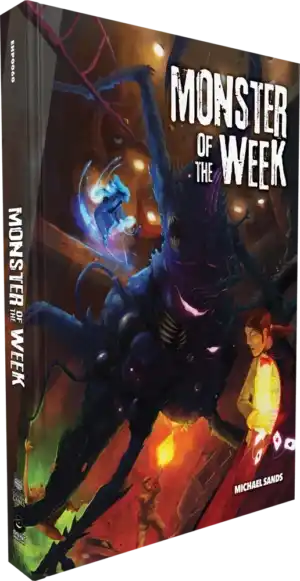
Monster of the Week is Michael Sands' modern supernatural mystery-horror TTRPG, built for Buffy-, Supernatural-, and X-Files-style campaigns. Hunters investigate strange cases, identify the monster's weakness, and confront it in fast, consequence-driven Powered by the Apocalypse play.
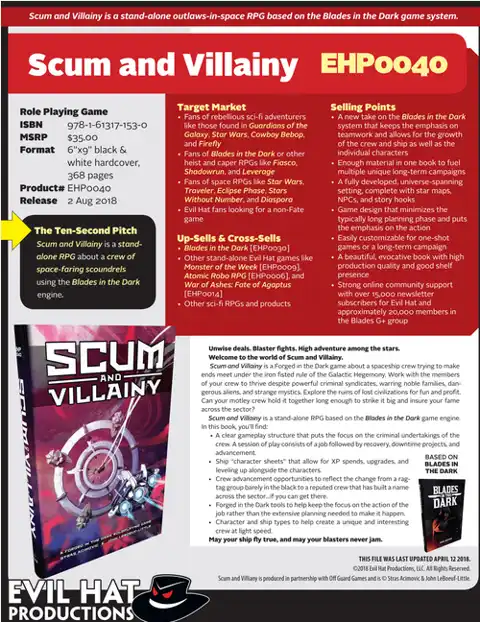
Scum and Villainy is a Forged in the Dark space-western about a crew of criminals, rebels, or bounty hunters taking risky jobs while their ship, debts, and reputation all hang in the balance. It is best for groups that want cinematic capers and crew-level campaign pressure rather than tactical ship simulation.
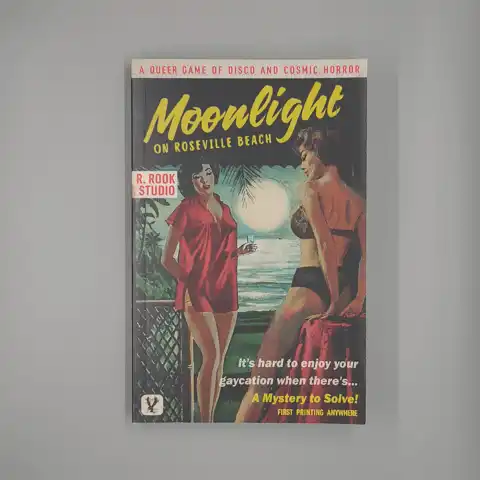
A queer 1979 beach-town mystery TTRPG where amateur sleuths protect Roseville Beach from phantasms, occult trouble, old gods, and social pressure.

Fight With Spirit earns this tag through big match moments, rival reveals, emotional speeches, opening-credits-style setup, and sports-anime scenes designed to feel staged and heightened.
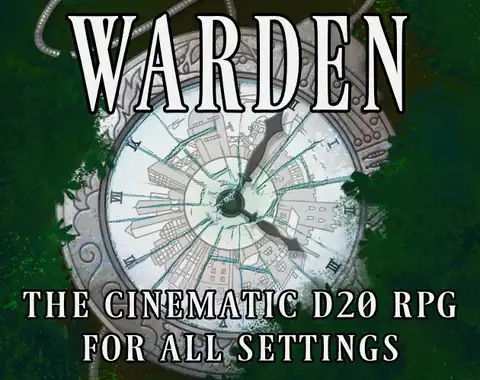
WARDEN fits Cinematic play by using flexible d20 action, genre dials, Threads, Moments, and Campaign Map pressure to support dramatic scenes across fantasy, sci-fi, historical, and modern frames.
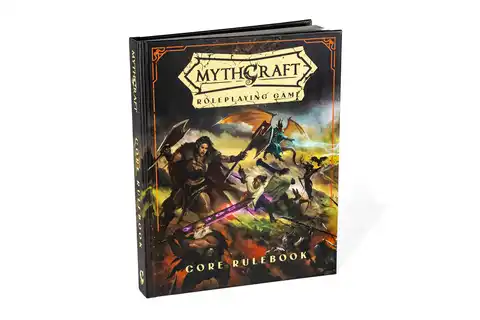
MythCraft fits Cinematic play when the table wants heroic fantasy turns to feel active and dramatic: AP spending, reactions, big spells, class abilities, and varied builds make spotlight moments easy to frame.
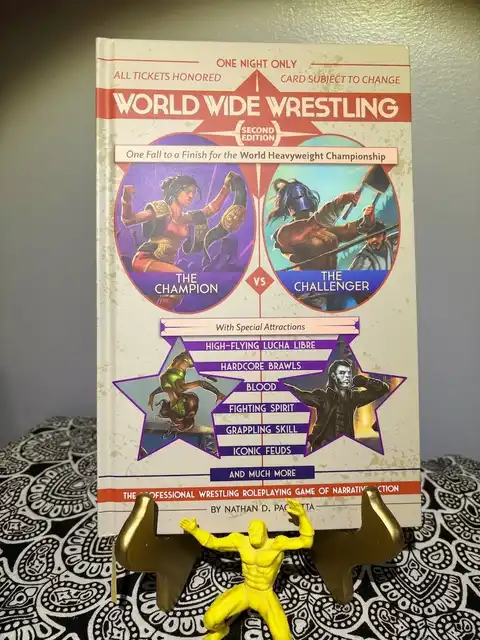
World Wide Wrestling fits Cinematic because play is built from booked segments, promos, run-ins, dramatic reversals, match finishes, and big spectacle moments that feel like televised wrestling.
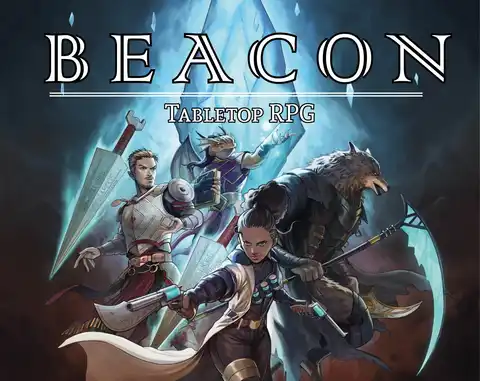
BEACON's Limit Breaks, crystal fantasy premise, named heroic Beacons, recurring Scourge, and Final Fantasy influences make its tactical scenes feel explicitly cinematic.
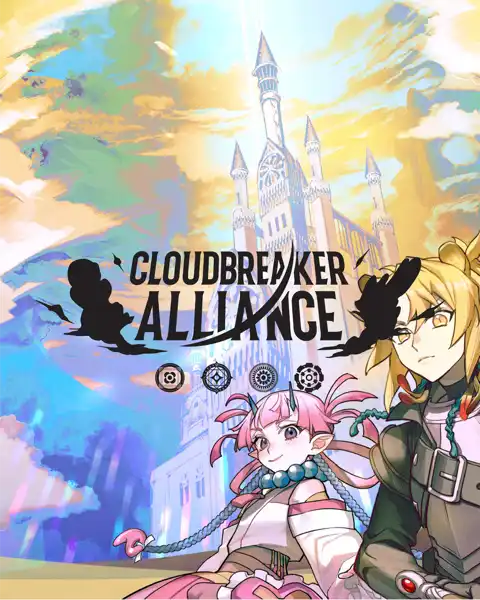
Cloudbreaker Alliance is cinematic in tone, leaning into anime-fantasy visuals, dramatic powers, monster set pieces, and hopeful rebuilding arcs that feel larger than a typical local dungeon job.
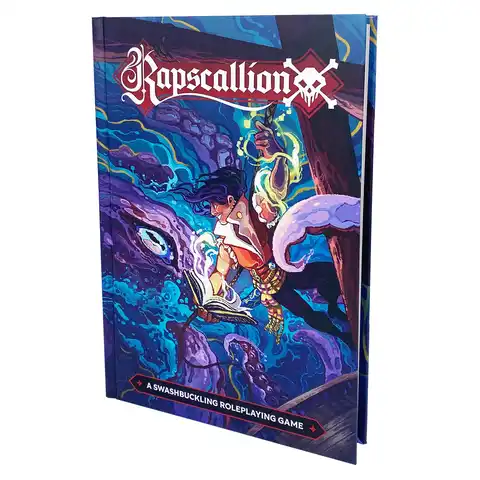
Rapscallion fits Cinematic play through duels, ship chases, stormy voyages, supernatural bargains, dramatic betrayals, and high-seas reversals staged as bold scenes rather than granular simulation.
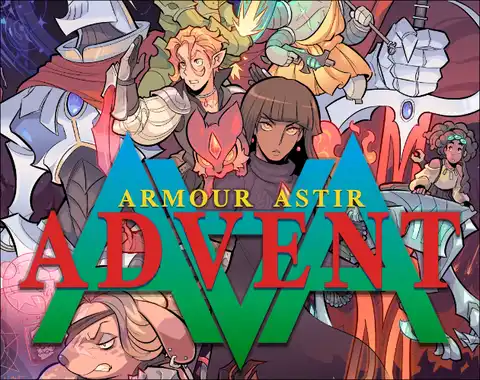
Armour Astir: Advent is a high-fantasy PbtA mecha TTRPG about rebel pilots, support crew, diplomats, spies, and magical Astirs fighting an oppressive authority.
Fabula Ultima brings JRPG cinematics to the table through ensemble heroes, escalating villains, elemental powers, Limit-like breakthroughs, emotional Bonds, and shared authority over dramatic world details.
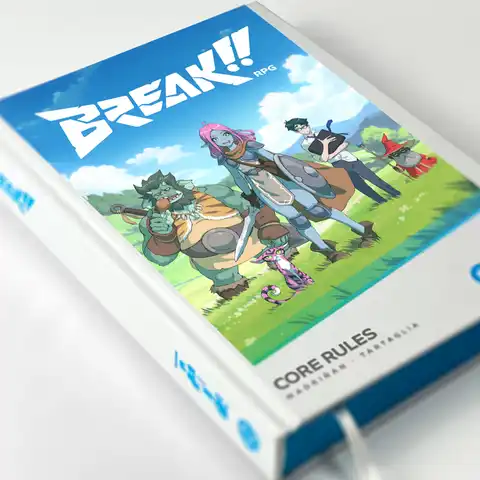
An anime- and JRPG-inspired fantasy TTRPG about party travel, structured overland exploration, and teamwork in a strange post-apocalyptic world.
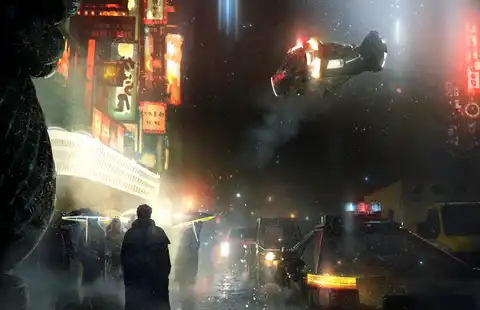
Blade Runner is Free League's official cyberpunk noir TTRPG: human or replicant investigators in 2037 Los Angeles solving cases under corporate pressure, moral ambiguity, and a Year Zero Engine built for evidence-led play.

An urban fantasy noir mystery TTRPG about ordinary people carrying mythic identities, solving supernatural cases, and balancing personal lives against legendary power.
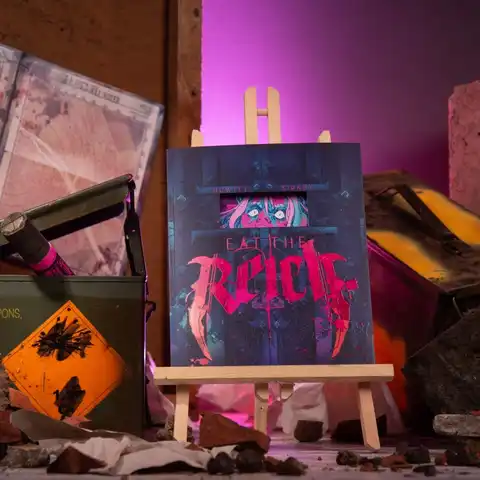
A hyper-violent WWII vampire-commando TTRPG built for one to three sessions of anti-fascist carnage, blood magic, and mission-driven escalation in occupied Paris.
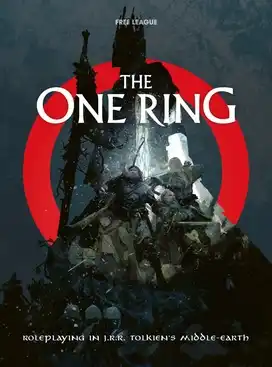
Enter the Survival Horror is a rules‑lite, Forged in the Dark survival‑horror game about dark corridors, dwindling resources, and mounting dread. Classless and low‑prep, it frames tense exploration and tactical fights around a Doom Clock and clever inventory gambits. Ideal for one‑shots and short, nerve‑wracking campaigns.
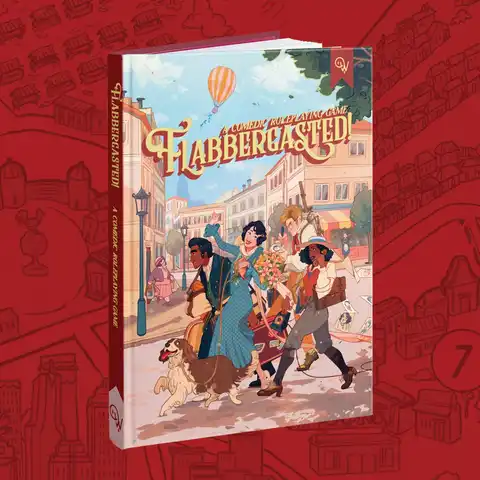
Flabbergasted! is a rules-lite comedy TTRPG about Roaring '20s social clubs, scandals, rivalries, reputation, and high-society misadventures.

LUMEN is a fast power-fantasy action RPG chassis built for flashy abilities, aggressive momentum, and missions that resolve with minimal downtime.

Marvel Heroic Roleplaying is a fast ensemble superhero RPG built to feel like a big crossover comic event rather than a slow character-build exercise.
Marvel Super Heroes is the classic FASERIP superhero RPG, built for colorful powers, recognizable comics action, and a fast-moving older-school take on caped adventure.
Choose by the job at the table. For cinematic TTRPGs, compare scene framing, spotlight handling, how failure escalates, whether rules encourage cuts and reveals, and how much director-style authority players share. If that sounds too abstract, ask what the game makes players decide in the first hour.
Use the top picks as contrasts. Blade Runner and 13th Age are useful side-by-side because they show different ways this category can work. Outgunned adds another angle.
Match scope before rules. Some cinematic games are best as one-shots, some need a short arc, and some only reveal their strengths through campaign play. Decide that scope first, then choose the rules weight your group will actually tolerate.