Monster of the Week
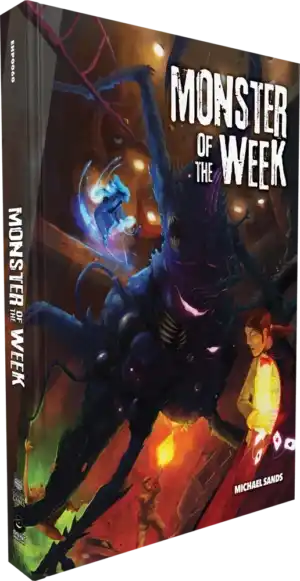
Monster of the Week belongs here when the mystery is about identifying the creature, learning its weakness, and surviving long enough to turn scattered weird events into a plan.
Investigation games make discovery the center of play: clues, theories, hidden motives, procedural pressure, or strange evidence drive the session forward. Some make mystery-solving reliable and structured; others use investigation to create dread, paranoia, or character drama.
Monster of the Week belongs here when the mystery is about identifying the creature, learning its weakness, and surviving long enough to turn scattered weird events into a plan.
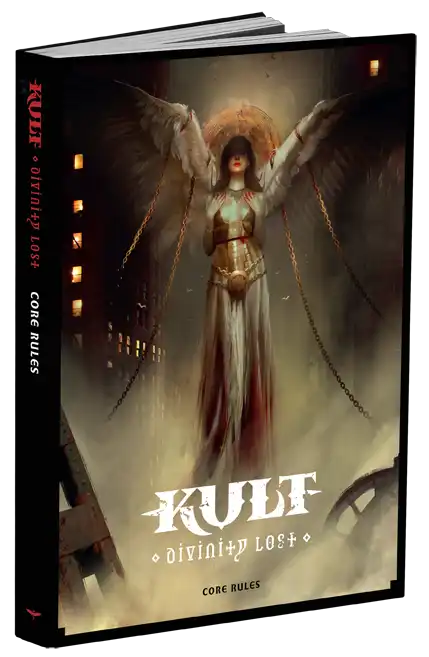
Kult: Divinity Lost uses investigation to peel away ordinary reality, with missing people, cults, trauma, and occult clues revealing the machinery behind the world.
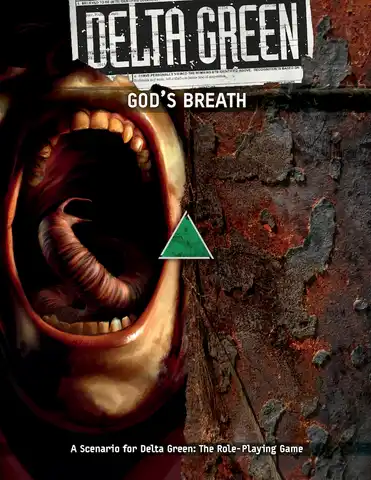
Delta Green fits investigation because the casework is the trap: agents follow leads, interview witnesses, and assemble evidence while the truth damages their lives and sanity.
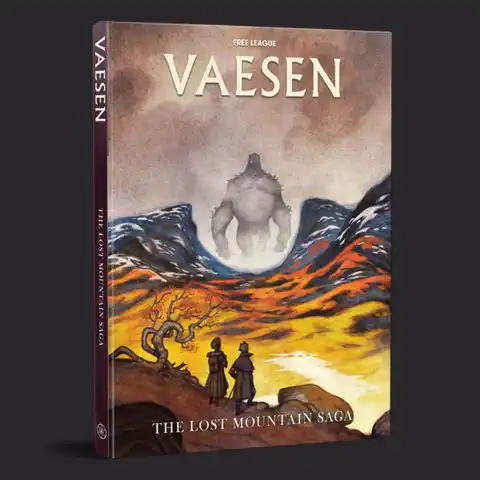
Vaesen makes investigation folkloric and social: characters read omens, question locals, uncover old wrongs, and learn why the supernatural problem cannot simply be fought.
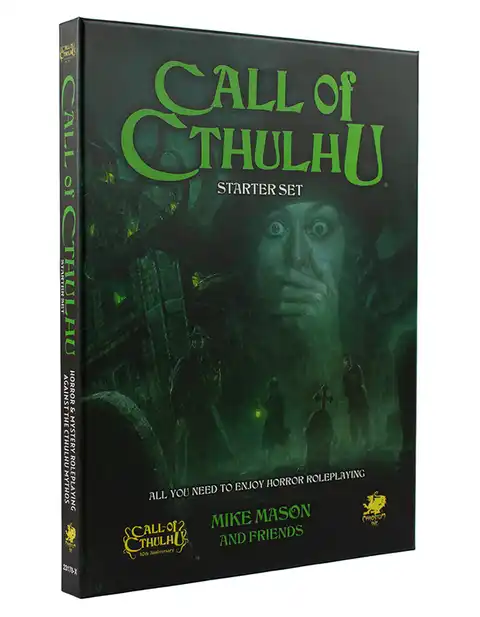
Call of Cthulhu remains a classic investigation game because documents, interviews, crime scenes, and occult traces slowly point toward truths the characters are rarely equipped to survive.
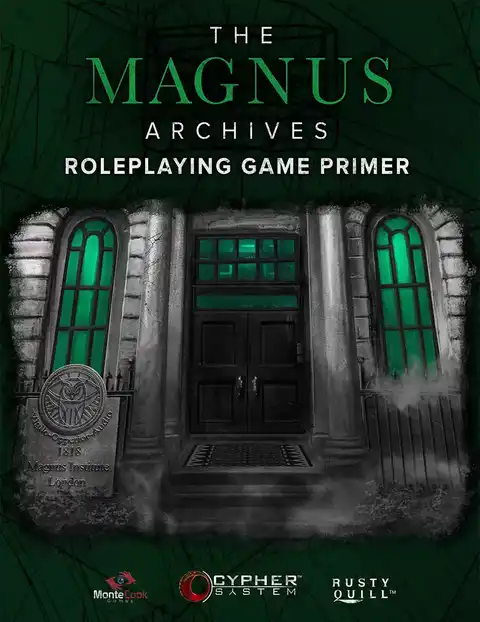
The Magnus Archives belongs in investigation when the pleasure is connecting statements, recurring entities, and personal dread into a pattern that becomes more dangerous as it clarifies.
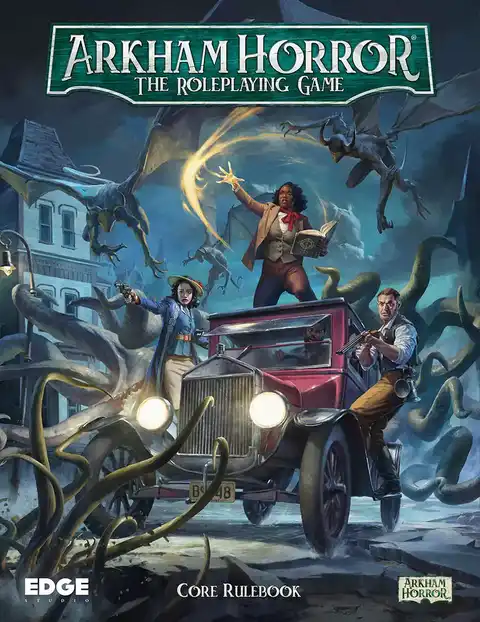
Arkham Horror fits investigation when you want pulp occult casework: strange locations, scattered clues, dangerous artifacts, and a mystery that points toward something larger than one scene.
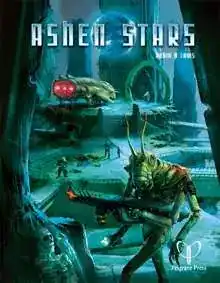
Ashen Stars is investigation-forward space opera, using GUMSHOE to keep leads moving while starship contracts reveal crimes, politics, alien cultures, and weird science.
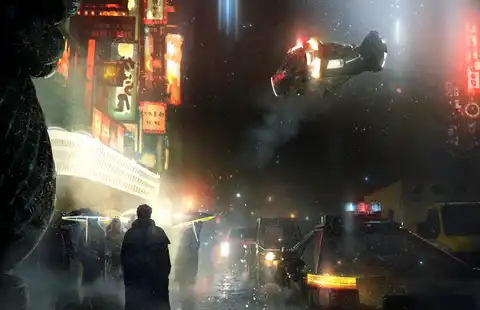
Blade Runner works best when the investigation is moral as much as procedural, asking characters to weigh evidence, empathy, institutional pressure, and what it means to be human.
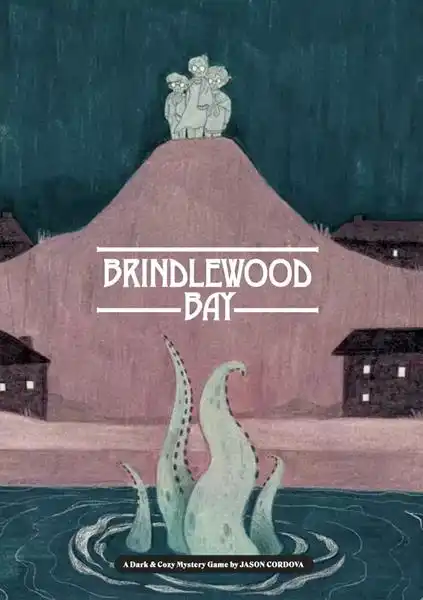
Brindlewood Bay is one of the clearest investigation picks because clues are guaranteed to matter, but the final answer emerges from a theory built at the table instead of a prewritten solution.
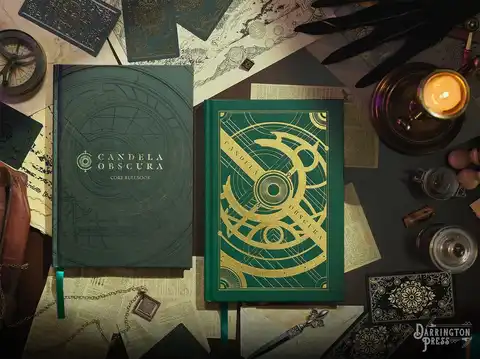
Candela Obscura fits investigation when the case structure, occult evidence, and character scars all matter, turning each assignment into both a mystery and a personal risk.
City of Mist fits investigation when clue-gathering is tied to identity, symbolism, and noir pressure, with each case pulling characters deeper into the myths behind the city.
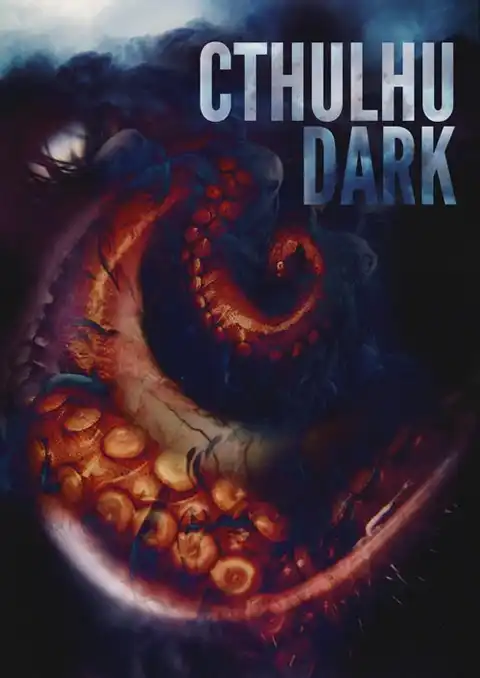
Cthulhu Dark keeps investigation stark and focused: characters can find the truth, but each revelation increases the sense that understanding will not make them safe.
The Cthulhu Hack fits investigation when you want fast, pressure-heavy clue chasing, with dwindling resources and consequences pushing the case toward horror instead of procedure.
Dead of Night belongs here when the fun is figuring out the shape of a horror-movie threat quickly enough to survive the night, not building a long procedural campaign.
iHunt works for investigation because the job usually starts with tracking a threat, understanding who is being exploited, and finding leverage before anyone can solve it with violence.
Liminal Horror is a strong fit for modern weird investigations where ordinary places become threatening, clues are sparse, and understanding the anomaly rarely means controlling it.
Mage: The Awakening turns investigation into occult problem-solving, where mysteries, hidden causes, and symbolic patterns matter as much as any spell or confrontation.
Technoir shines at conspiracy investigation because contacts, favors, tags, and liabilities create a plot web that grows from player choices instead of a fixed trail of clues.
The Dresden Files RPG fits investigation through urban fantasy casework: suspects, favors, supernatural politics, and hidden motives matter before the wizardry starts flying.
TimeWatch belongs here because the central question is often what changed in history, who changed it, and how to repair the timeline without making the damage worse.
Trail of Cthulhu is built for investigation-first horror: GUMSHOE keeps essential clues moving while the real tension comes from what those clues uncover.
Triangle Agency makes investigation bureaucratic and surreal, sending agents to classify anomalies, follow impossible evidence, and decide how much of the official story to trust.