Top pick
Dream Askew
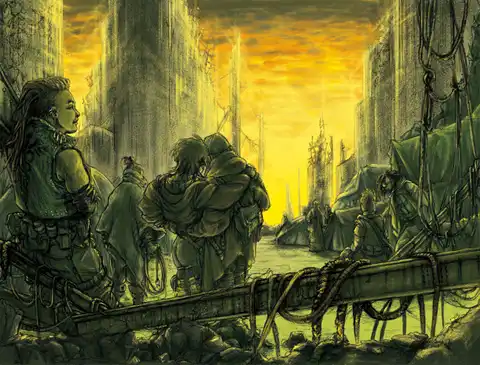
Choose Dream Askew when rotating setting elements and token moves distribute authority across a queer post-apocalyptic enclave.
GM-less and cooperative TTRPGs replace a single facilitator with procedures that distribute framing, surprise, and consequence across the table. Start with Dream Askew, Mythic, and Ten Candles as comparison points, then move down the list based on the kind of mechanical focus your group actually wants.
When comparing gm-less / cooperative games, look at how scenes are prompted, who introduces trouble, how disputes resolve, whether the game supports solo or co-op play, and how much structure replaces GM judgment. Those details matter more than the tag itself, because two games can share a category while asking completely different things from the GM and players.
Use the top picks as anchors rather than treating the page like a simple popularity ranking. The goal is to answer the practical table question: which game will produce the kind of first session, campaign rhythm, and player buy-in your group is likely to enjoy?
A GM-less game still needs facilitation habits; someone may need to watch pacing, rules questions, and spotlight even without owning the story.
Quick starting points if you want the clearest expressions of what GMless games do well.
Choose Dream Askew when rotating setting elements and token moves distribute authority across a queer post-apocalyptic enclave.
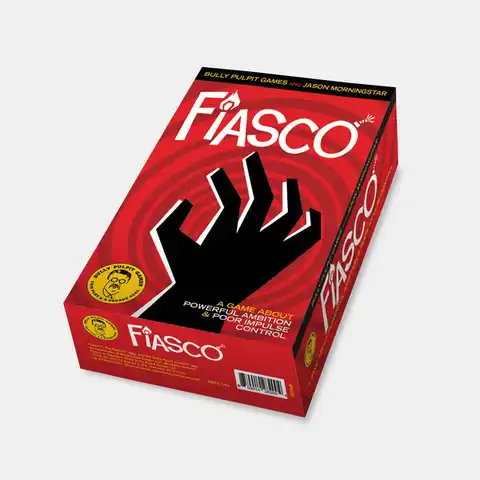
Choose Fiasco when playsets, relationships, needs, a Tilt, and Aftermath structure a complete disastrous one-shot without a GM.
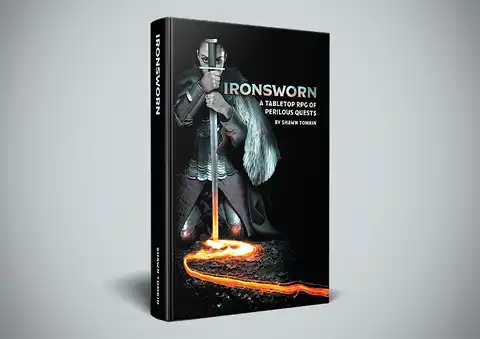
Choose Ironsworn when oracles, vows, progress tracks, and moves support solo or cooperative campaigns without prepared plots.
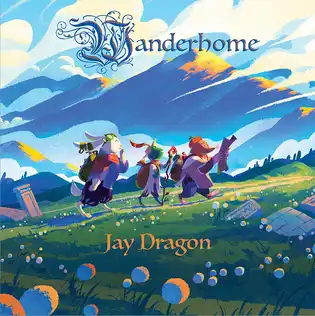
Choose Wanderhome when players share places and supporting characters in a gentle journey with no required facilitator.
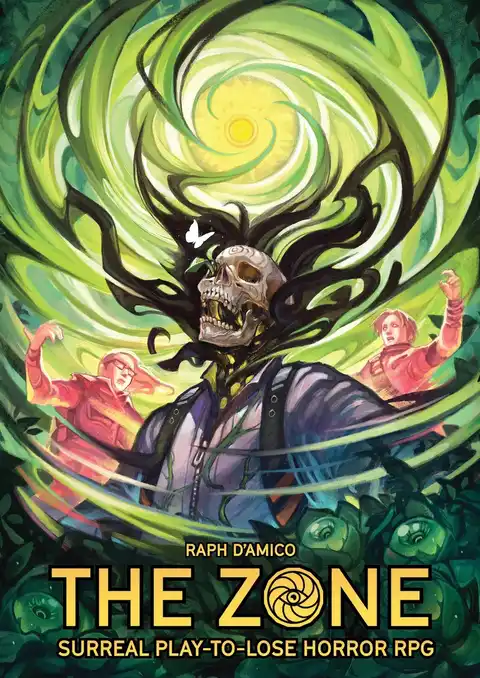
The Zone is a strong GMless fit because its cards, manuals, and guided digital version distribute facilitation instead of asking one person to prepare or adjudicate a hidden horror scenario.
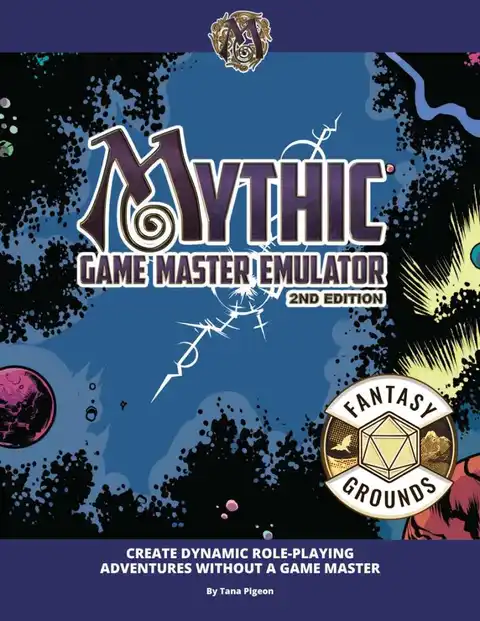
Ironsworn belongs here because oracles, vows, progress tracks, and moves support solo or cooperative campaigns without prepared plots.
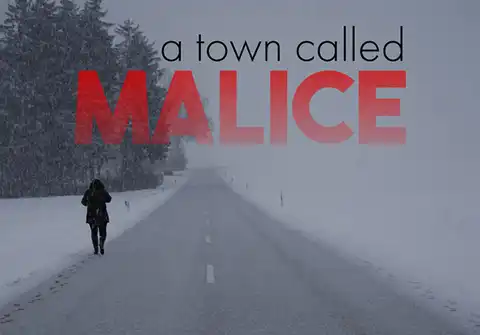
A Town Called Malice fits GM-less play because its Story Pillar System distributes authority across the table. Pick it when everyone wants to build the town, frame scenes, and own the consequences together.
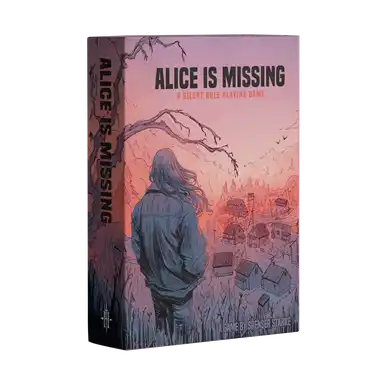
Alice Is Missing belongs in GM-less / Cooperative because there is no formal GM controlling the mystery from behind the screen. One player facilitates procedure, but the session's emotional shape and revelations are shared through the group's texts.
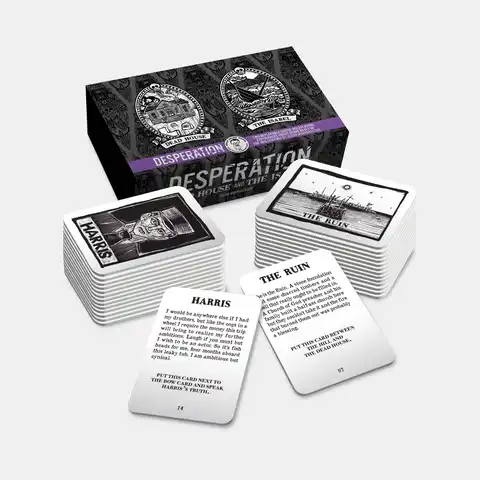
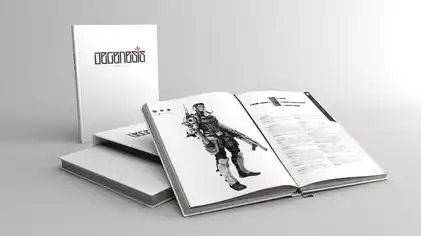
Desperation is a rules-lite survival horror RPG containing two complete games: Dead House (blizzard-stranded Kansas town, 1888) and The Isabel (doomed fishing vessel in the Gulf of Alaska). Using the Desperation Engine, players decide who speaks rather than what happens—building a web of relationships then watching them collapse under pressure. Card-driven, GM-less, and playable in 1-2 hours.
Dream Askew belongs here because rotating setting elements and token moves distribute authority across a queer post-apocalyptic enclave.
Fiasco belongs here because playsets, relationships, needs, a Tilt, and Aftermath structure a complete disastrous one-shot without a GM.
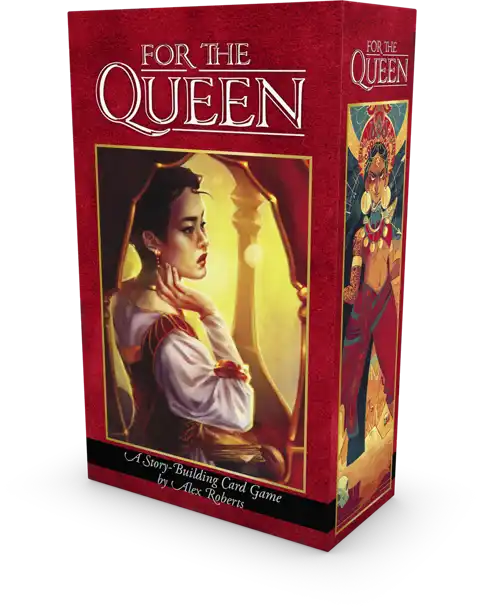
Alex Roberts' For the Queen is a GM-less prompt-driven story game about a Queen's retinue on a dangerous journey. It uses a question deck to turn love, doubt, and devotion into a low-prep one-shot with a built-in emotional climax.
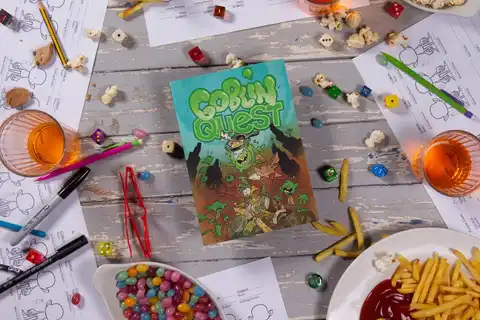
Goblin Quest is a comedic disaster RPG where players burn through bands of tiny goblins pursuing grand plans they are almost guaranteed to ruin.
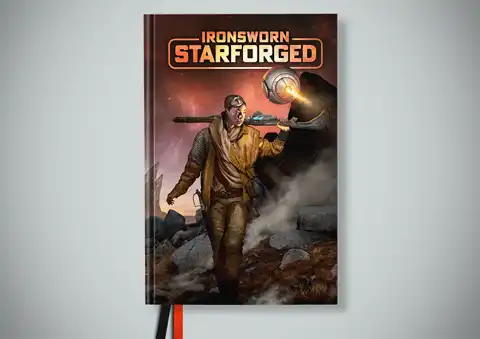
Ironsworn: Starforged is a standalone science-fiction campaign game for solo, co-op, or guided play, using vows, moves, progress tracks, and oracles to turn frontier quests into an emergent story engine.
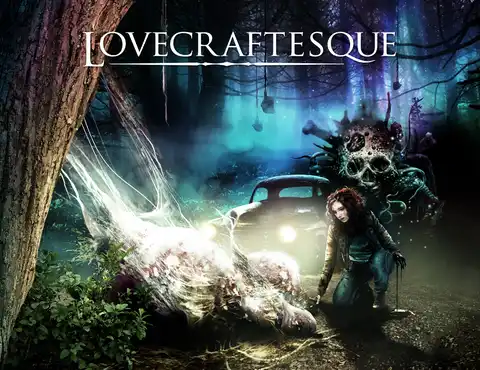
Lovecraftesque needs no permanent GM because players rotate the Witness, Narrator, and Whisperer responsibilities while the cards keep authority and story phases legible.

Microscope invites players to collaboratively construct and explore a vast history across time and space, weaving intricate narratives that span centuries or even millennia. With its unique non-linear storytelling mechanics, players create timelines filled with events, eras, and pivotal moments, all while shaping the world's context together. This innovative approach fosters a rich tapestry of interwoven stories, allowing for unexpected connections and a truly collaborative storytelling experience unlike any other.
Perseverant is a rules-lite collaborative story game about surviving a brutal wilderness. GM-less, zero-prep, and playable in a single 2-4 hour session. Players co-create the environment and face mounting challenges where traits deplete over time, forcing desperate choices. Ideal for one-shots and narrative-driven groups.
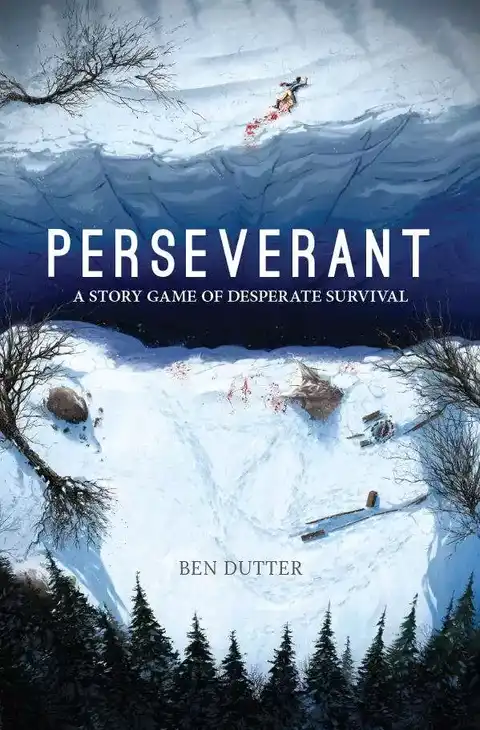
Perseverant is a rules-lite survival story game about desperate journeys through hostile wilderness. GM-less and zero-prep, it emphasizes collaborative worldbuilding, brutal resource management, and the ever-present threat of betrayal among travelers. Ideal for one-shots and players who enjoy narrative drama over tactical combat.
Push SRD is a rules‑lite, narrative engine built around a single d6 push‑your‑luck roll. Classless and GM‑optional, it emphasizes quick, cooperative scenes and emergent complications over crunch. Ideal for one‑shots, pick‑up sessions, and fast design sprints across any genre.
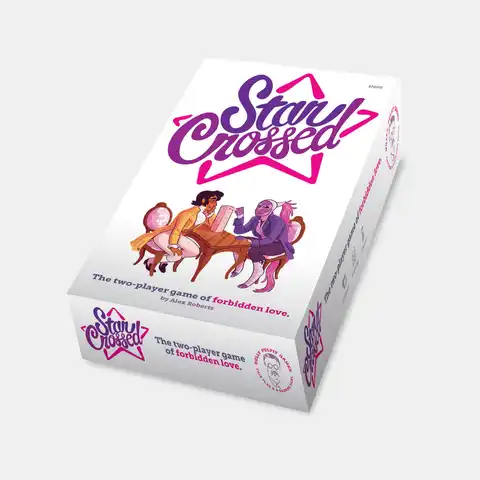
Star Crossed is an emotionally charged tabletop roleplaying game that navigates the complexities of romantic tension in a world where characters are irresistibly drawn to each other yet face insurmountable obstacles. Utilizing a unique dice mechanic that builds suspense and a rich narrative framework, players craft intimate stories of connection and loss, blending heart-wrenching choices with the thrill of fate. What sets Star Crossed apart is its focus on the fragility of relationships, inviting players to explore the bittersweet nature of love against a backdrop of dramatic stakes and personal conflict.
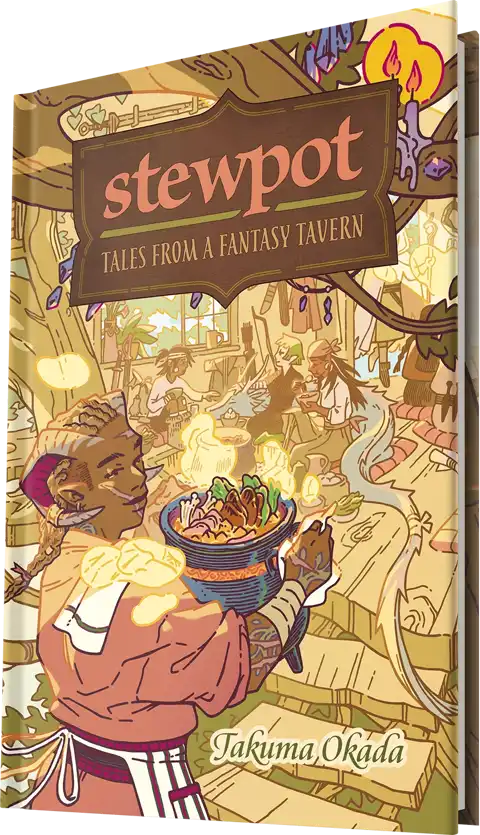
Stewpot is a strong GM-less / Cooperative pick because scene choice, prompts, and mini-games distribute authority across the table instead of relying on hidden GM prep.

A re-imagining of The Quiet Year that centers on monstrosity and decolonization. Players collectively map a community of monsters rebuilding after driving off human occupiers. The game delivers poignant storytelling about healing and self-discovery
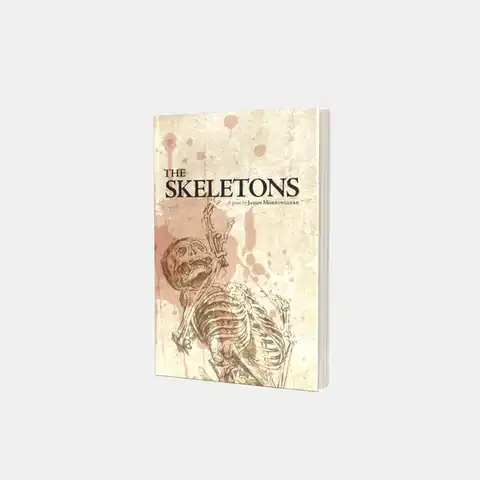
The Skeletons is a rules‑lite, GM‑less fantasy story game about cursed tomb guardians. Minimal mechanics and timed silences drive reflection as skeletons recall their pasts. Low‑prep, quick sessions highlight mood and memory over combat—ideal for one‑shots and thoughtful groups.
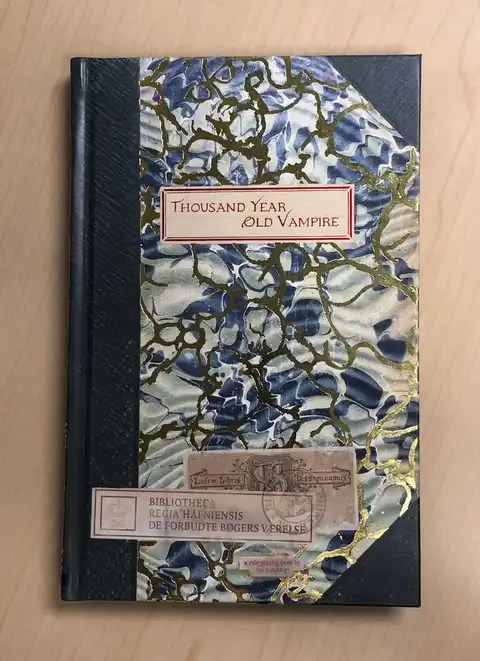
Thousand Year Old Vampire is a solo journaling TTRPG about memory, predation, and the slow loss of self across centuries. It is best for players who want intimate gothic horror and structured prompts, not tactical combat or party play.
Wanderhome belongs here because players share places and supporting characters in a gentle journey with no required facilitator.
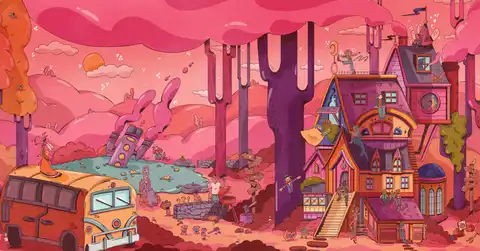
Yazeba's Bed & Breakfast fits GM-less and cooperative browsing because it does not rely on a traditional GM building scenarios; the chapter text, Concierge role, premade cast, and shared book state carry most of the structure.
Choose by the job at the table. For gm-less / cooperative TTRPGs, compare how scenes are prompted, who introduces trouble, how disputes resolve, whether the game supports solo or co-op play, and how much structure replaces GM judgment. If that sounds too abstract, ask what the game makes players decide in the first hour.
Use the top picks as contrasts. Dream Askew and Mythic are useful side-by-side because they show very different ways this category can work. Ten Candles helps test whether your table wants a darker one-shot built around shared ritual and inevitable loss.
Match scope before rules. Some gm-less / cooperative games are best as one-shots, some need a short arc, and some only reveal their strengths through campaign play. Decide that scope first, then choose the rules weight your group will actually tolerate.