Top pick
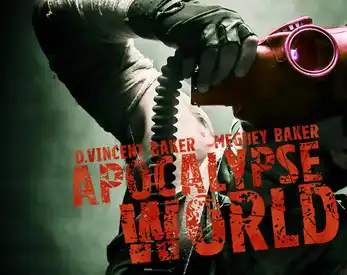
Apocalypse World
Best starting point for understanding the original PbtA promise: moves, MC agendas, scarcity, relationships, and hard consequences all pointed at volatile post-apocalyptic drama.
Powered by the Apocalypse, usually shortened to PbtA, is a family of fiction-first TTRPGs inspired by Apocalypse World. The label does not guarantee one exact rules engine, but many PbtA games use playbooks, fiction-triggered moves, partial successes, GM agendas, and consequences that keep the story moving.
Use this page to choose the PbtA game that fits your table, not just to learn the acronym. Monster of the Week is the easiest pitch for episodic supernatural cases, Masks is the standout for emotional superhero drama, Apocalypse World shows the original design at its sharpest, and Dungeon World gives fantasy groups a familiar bridge into move-driven play.
The best Powered by the Apocalypse games do more than resolve actions. They teach the table what the genre cares about, tell the GM what pressure to apply, and turn misses or mixed hits into consequences that make the next choice harder. If this is your first time with the family, start with our PbtA beginner guide; for a shorter ranked shortlist, see the best PbtA games guide.
Quick starting points if you want the clearest expressions of what Powered by the Apocalypse (PbtA) games do well.
Best starting point for understanding the original PbtA promise: moves, MC agendas, scarcity, relationships, and hard consequences all pointed at volatile post-apocalyptic drama.
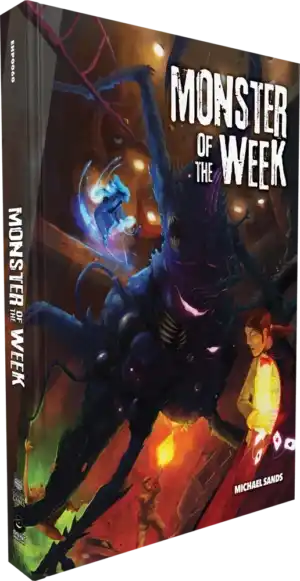
Best early PbtA recommendation when a group wants a familiar monster-case rhythm instead of abstract genre emulation; the moves and Keeper agenda are easy to teach through play.
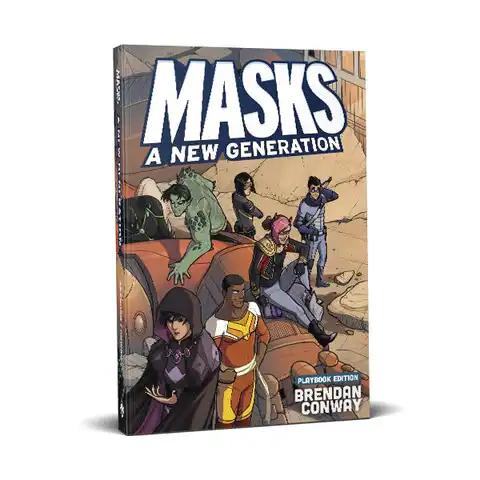
Best example of PbtA design built around emotional pressure. Labels, influence, and playbooks make teenage superhero identity the real engine of play.
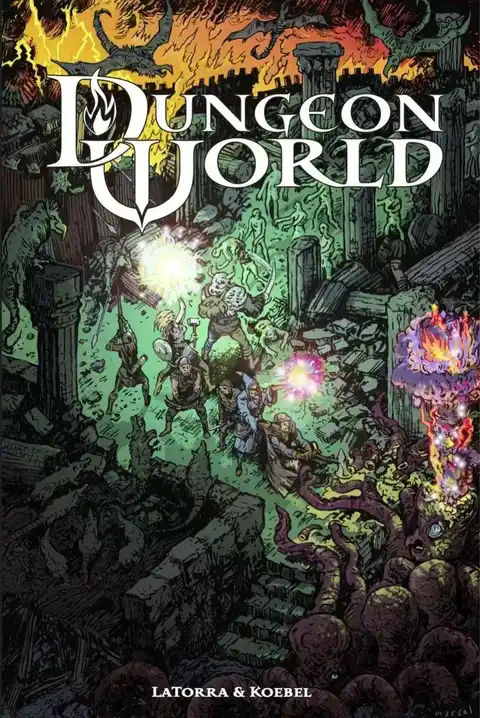
Best fantasy bridge for players coming from D&D-style adventure who want familiar quests and danger with lighter, fiction-first move procedures.
Monster of the Week is the approachable case-based PbtA pick: hunters investigate clues, trigger moves with clear genre intent, and confront a monster in a structure most tables immediately understand.
Apocalypse World is the reference point for PbtA play. Start here when you want to understand where moves, playbooks, MC principles, and consequence-driven fiction came from.
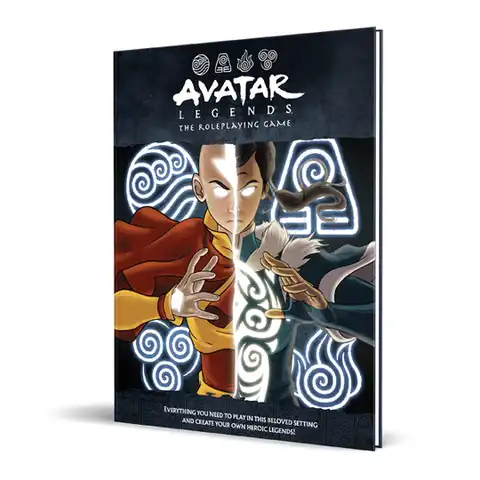
Avatar Legends is a strong PbtA fit for groups who want fiction-first moves, clear playbooks, and GM principles, but with a more formal combat layer and stronger moral-balance focus than many lighter descendants.
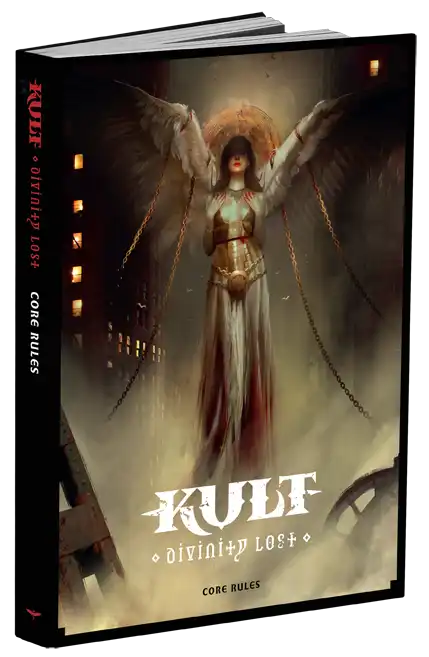
Kult: Divinity Lost belongs here as an Apocalypse-derived horror game whose moves, GM procedures, and fiction-first consequences drive play toward revelation and personal pressure instead of skill-by-skill procedure.
Bluebeard's Bride uses Powered by the Apocalypse for fiction-first moves, mixed outcomes, and facilitator pressure, but twists that chassis toward helplessness and revelation instead of broad character competence.
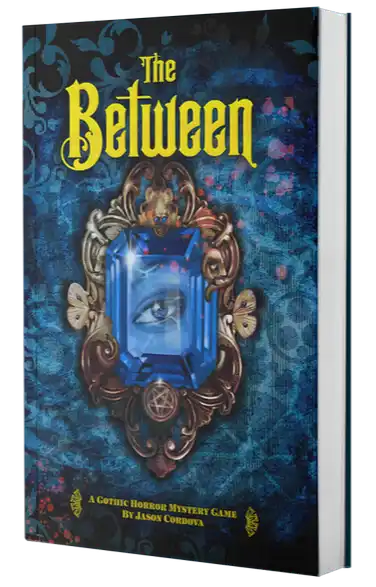
The Between earns the PbtA tag through Carved from Brindlewood procedures: broad 2d6 moves, Keeper-facing consequences, playbook identity, and mystery answers built from table interpretation.
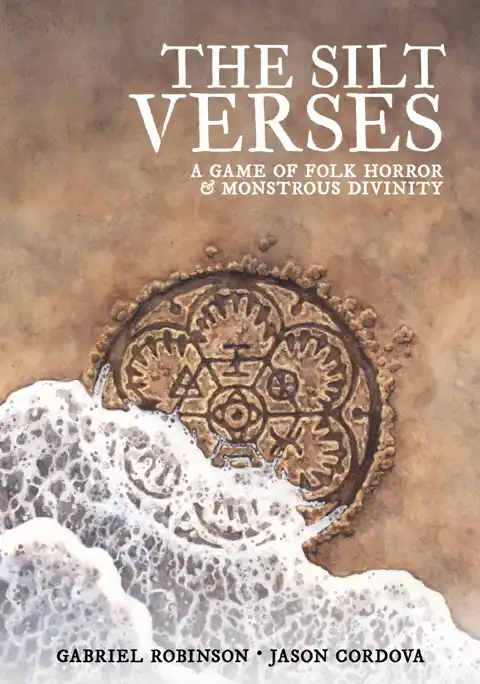
The Silt Verses belongs in Powered by the Apocalypse (PbtA) because its fiction-first moves and outcomes build from Apocalypse World while Carved from Brindlewood procedures focus play on mystery interpretation.
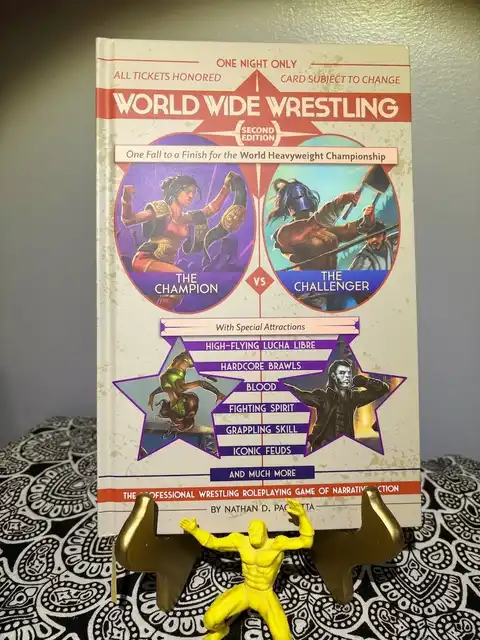
World Wide Wrestling is a clear PbtA pick: Gimmicks, 2d6 moves, Creative-facing pressure, partial successes, and consequence-driven narration all serve pro-wrestling drama.
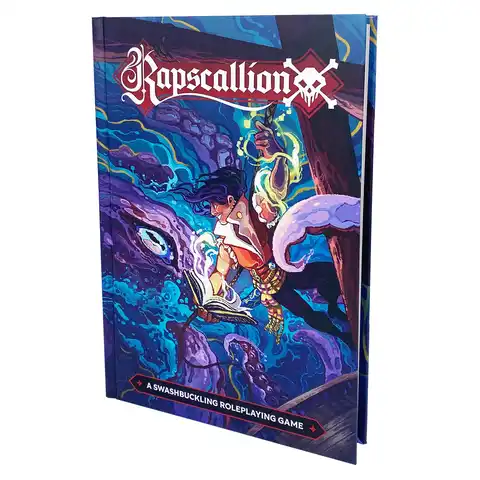
Rapscallion is a clear PbtA fit: playbooks, fiction-triggered moves, mixed outcomes, Fates moves, and consequence-driven scenes adapt Apocalypse World procedures to magical pirate adventure.
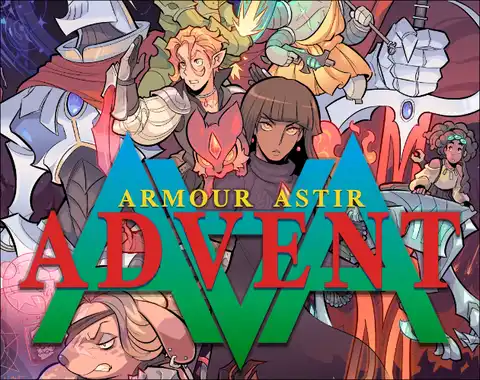
Armour Astir: Advent is a high-fantasy PbtA mecha TTRPG about rebel pilots, support crew, diplomats, spies, and magical Astirs fighting an oppressive authority.
Dungeon World is the easiest fantasy bridge into PbtA: classes, danger, dungeons, and travel remain familiar, but moves keep attention on fictional consequences.
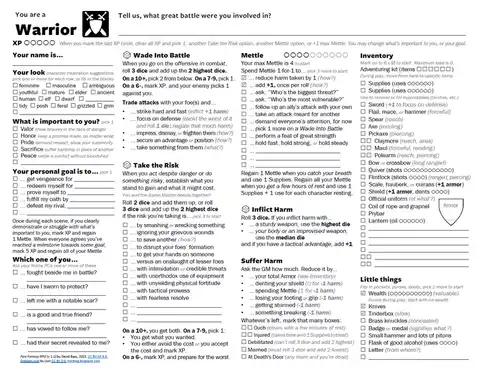
Fast Fantasy belongs here because it openly treats itself as a Dungeon World hack: playbooks, move-based fantasy action, and a catch-all Take the Risk move drive consequences faster than tactical procedure.
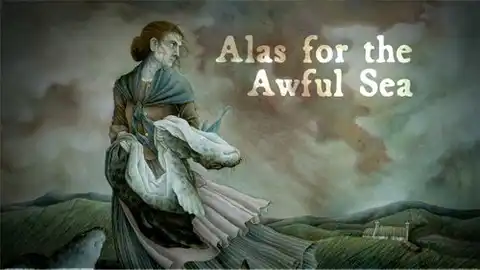
Alas for the Awful Sea fits powered by the apocalypse (pbta) because it uses PbtA-style moves, playbooks, and consequences to keep the fiction moving. A melancholy Powered by the Apocalypse game about fishing towns, old grief, and the pull of the supernatural sea.
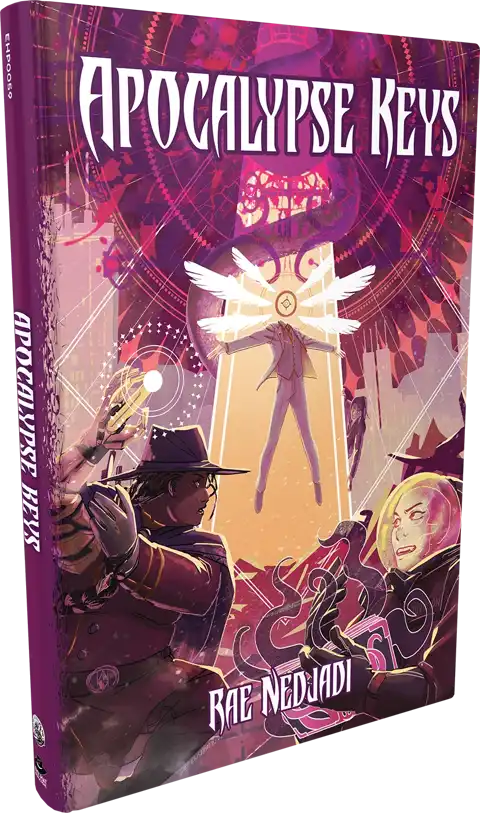
Apocalypse Keys is a distinctive PbtA choice: it keeps fiction-first moves and playbooks, then adds mystery maps, apocalyptic clocks, and emotionally volatile monster-agent play.
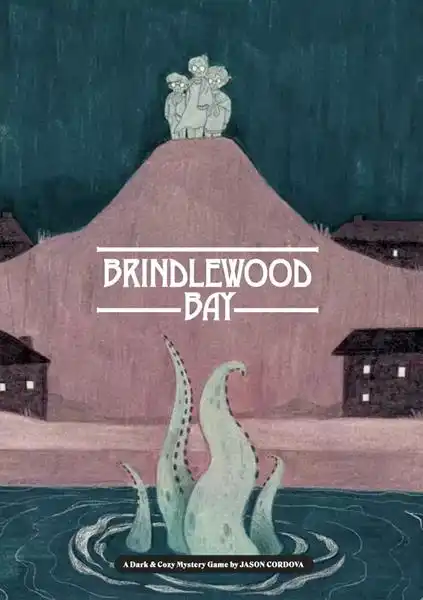
Brindlewood Bay earns this tag by making PbtA procedures matter during play. A mystery-horror tabletop RPG about elderly amateur sleuths solving strange crimes in a cozy New England town while a darker occult conspiracy closes in around them.
Choose City of Judas for powered by the apocalypse (pbta) play when you want fiction-first move-based play. An indie RPG with an urban, spiritually charged frame that leans into pressure, loyalty, and character fallout.
City of Mist belongs here because its Mist Engine keeps the PbtA fiction-first cadence: 2d6 consequences, an MC role built around pressure and fallout, and character themes that matter more than fixed combat options. It is broader and more tag-driven than a classic move-list PbtA game, but the lineage is visible in play.

Epyllion earns this tag by making PbtA procedures matter during play. A Powered by the Apocalypse game about young dragons protecting their world, their friendships, and the magic that holds their age together.
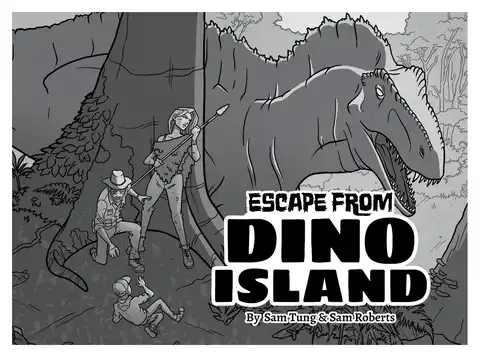
Choose Escape from Dino Island for powered by the apocalypse (pbta) play when you want fiction-first move-based play. A rules-lite survival adventure using Powered by the Apocalypse mechanics.

Fellowship belongs here when the table wants fiction-first move-based play, not just the label on the cover. A Powered by the Apocalypse fantasy RPG about a diverse party uniting against an overwhelming threat while sharing authority over the world they defend.

Legacy: Life Among the Ruins fits powered by the apocalypse (pbta) because it uses PbtA-style moves, playbooks, and consequences to keep the fiction moving. A post-apocalyptic generational RPG about communities, bloodlines, and the long consequences of what survivors build after collapse.
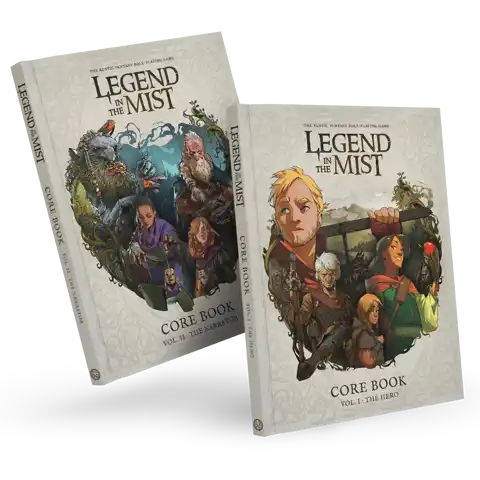
Legend in the Mist uses PbtA-style 2d6 consequence bands and fiction-first pressure, but replaces fixed moves with Mist Engine tags, statuses, and Power built from the scene.
Masks shows how PbtA can make emotional stakes mechanical. It is less about tactical superhero builds and more about identity, influence, adults, and messy team drama.
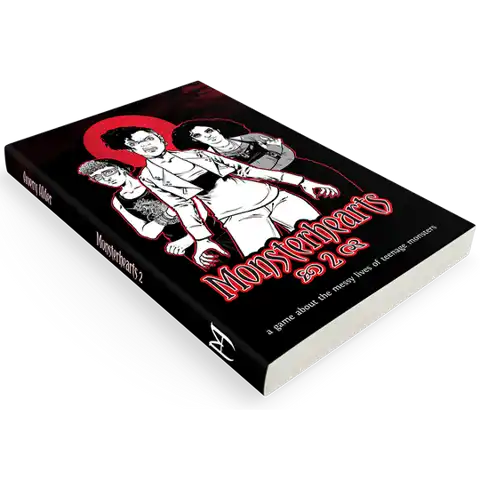
Monsterhearts is one of the clearest examples of PbtA moves driving social volatility instead of tactical procedure. If your table wants fiction-first consequences where every miss or partial success deepens relationships, it earns the label honestly.
Choose by the kind of pressure you want the rules to create. PbtA is a broad design family, so the most useful comparison is not which game is most typical, but which game turns your preferred genre into the strongest moves, playbooks, and GM procedures.
| If your table wants... | Start with | Why it fits | Also compare |
|---|---|---|---|
| The original PbtA design language | Apocalypse World | The clearest route into moves, MC principles, scarcity, hard choices, and fiction-first consequences. | post-apocalyptic games, narrative-driven games |
| Episodic supernatural cases | Monster of the Week | A familiar investigation-and-showdown loop makes it easier for new PbtA groups to understand what moves do. | horror games, investigation games |
| Teen superhero identity drama | Masks: A New Generation | Influence, labels, and playbooks make character identity and relationships the main action. | superhero games, social-intrigue games |
| Fantasy adventure with PbtA procedures | Dungeon World | It keeps familiar fantasy roles and dangerous quests while replacing tactical turn structure with fiction-triggered moves. | fantasy games, rules-lite games |
| Faction politics and reputation | Root: The RPG | Reputation, factions, travel, and woodland politics make consequences social as well as physical. | social intrigue, exploration-driven games |
| Romance, vulnerability, and dramatic confrontation | Thirsty Sword Lesbians | Emotional beats, attraction, and messy relationships are central to the adventure instead of side color. | romance games, narrative-driven games |
| Nearby category | Difference | Use it when... |
|---|---|---|
| Rules-lite | Rules-lite means low procedure load; PbtA means genre procedures that trigger from the fiction. | Your main concern is teaching speed or table load. |
| Narrative-driven | Narrative-driven is broader. PbtA is one influential way to structure narrative pressure. | You want story-first play but not necessarily moves and playbooks. |
| Forged in the Dark | FitD grew from similar fiction-first priorities but emphasizes position, effect, stress, clocks, and crew pressure. | You want scores, flashbacks, faction clocks, and crew advancement. Read the full PbtA vs. Forged in the Dark comparison. |
| NSR | NSR tends to emphasize problem solving, rulings, and modern old-school procedure rather than move-triggered genre beats. | You want emergent adventure and player ingenuity with lighter modern rules. |