Top pick
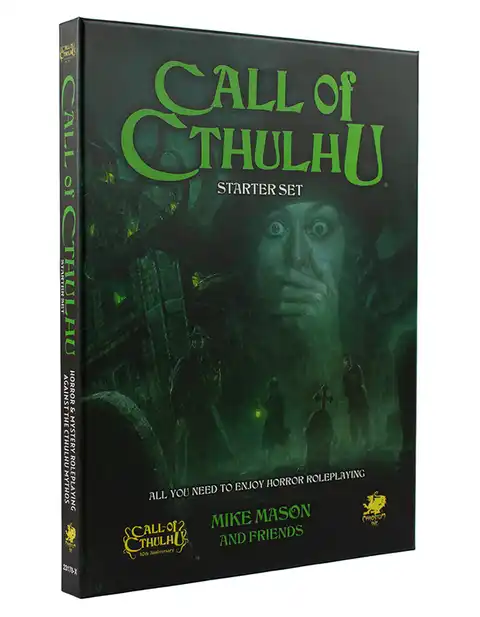
Call of Cthulhu
Best first stop for classic cosmic investigation: fragile investigators, clues, sanity pressure, occult danger, and campaigns where knowledge has a cost.
Cosmic-horror TTRPGs make knowledge dangerous, humanity small, and victory partial or costly. Start with Call of Cthulhu, Cthulhu Dark, Delta Green, and Trail of Cthulhu as comparison points, then move down the list based on the kind of genre your group actually wants.
When comparing cosmic horror games, look at investigation structure, sanity or corruption pressure, lethality, how unknowable the threat stays, and whether campaigns can sustain dread. Those details matter more than the tag itself, because two games can share a category while asking completely different things from the GM and players.
Use the top picks as anchors rather than treating the page like a simple popularity ranking. The goal is to answer the practical table question: which game will produce the kind of first session, campaign rhythm, and player buy-in your group is likely to enjoy?
Cosmic horror works best when players want uncertainty and consequence, not a monster they can simply stat-check.
Quick starting points if you want the clearest expressions of what Cosmic Horror games do well.
Best first stop for classic cosmic investigation: fragile investigators, clues, sanity pressure, occult danger, and campaigns where knowledge has a cost.
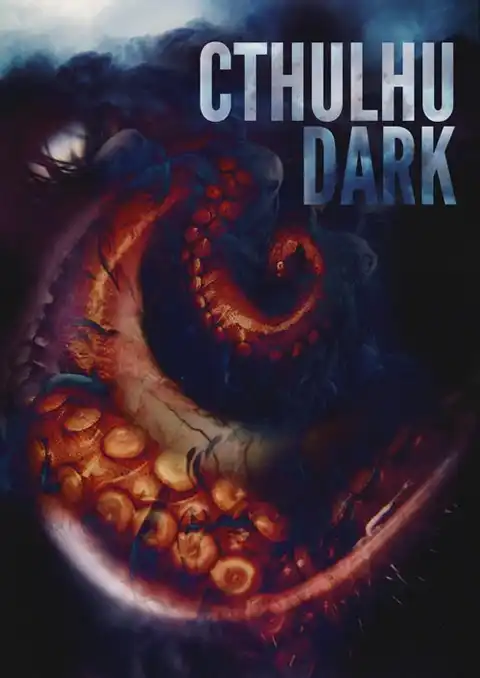
Best rules-light cosmic horror pick when the table wants doomed investigation, minimal mechanics, and no illusion that monsters can be beaten head-on.
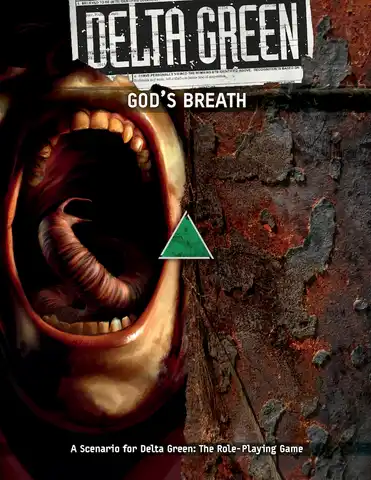
Best for modern cosmic horror where agencies, cover-ups, and personal collapse matter as much as the entity behind the case.
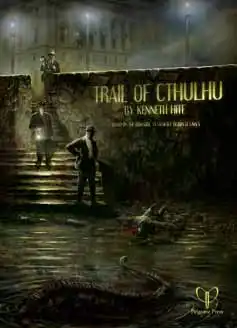
Best when your group wants Lovecraftian investigation with clue-focused procedures and a clear choice between purist dread and pulp danger.
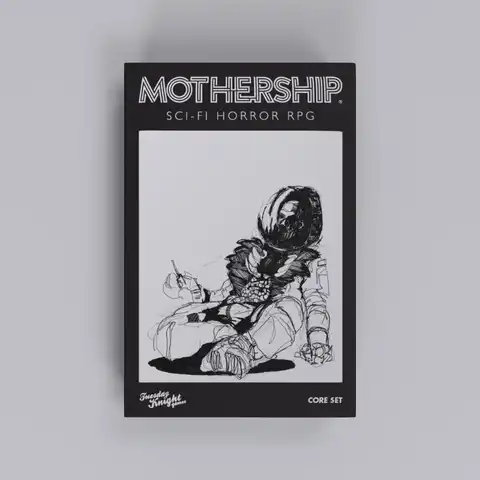
Use Mothership when your table wants cosmic horror play to shape real choices. It is most worth comparing for investigation structure, sanity or corruption pressure, lethality, how unknowable the threat stays, and whether campaigns can sustain dread. Step aboard the desolate, dark confines of space in Mothership, a sci-fi horror RPG where players navigate...
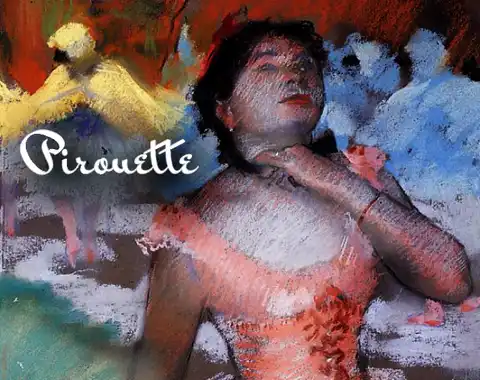
Pirouette fits Cosmic Horror through its amorphous eldritch Audience and the feeling that the dancer is performing before something inhuman, incomprehensible, and impossible to satisfy.
Delta Green fits Cosmic Horror because the threat is not just a monster or cult but the realization that reality, institutions, and language all fail against something fundamentally alien. It keeps that scale personal by making every successful cover-up another compromise.
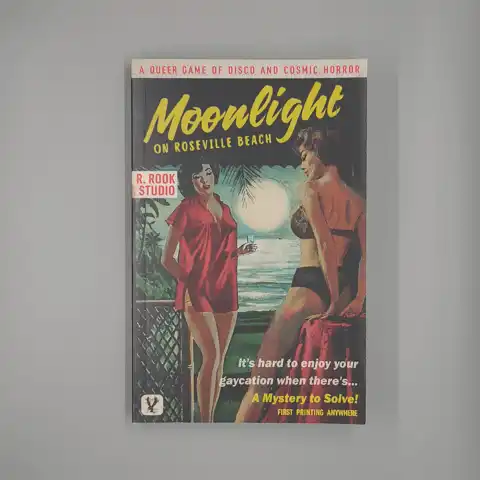
Moonlight on Roseville Beach fits Cosmic Horror when the table wants old gods, phantasms, strange monoliths, and impossible island secrets to threaten a community the characters actually care about.
Use Call of Cthulhu when your table wants cosmic horror play to shape real choices. It is most worth comparing for investigation structure, sanity or corruption pressure, lethality, how unknowable the threat stays, and whether campaigns can sustain dread. Call of Cthulhu plunges players into the eerie world of H.P.
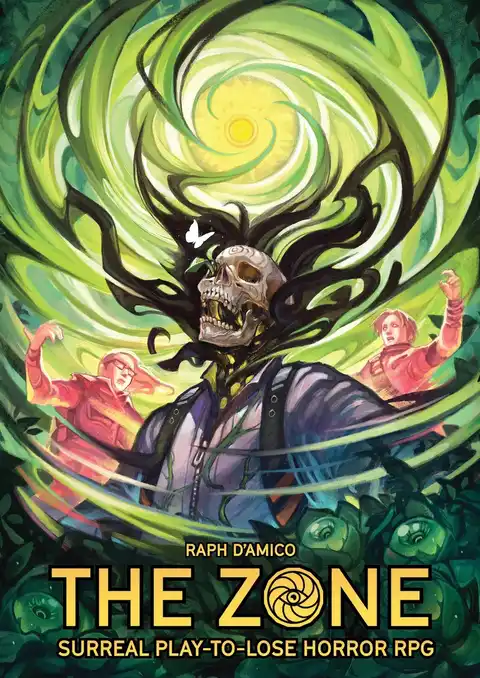
The Zone fits Cosmic Horror through its unknowable alien place, impossible center, distorted reality, and characters whose wishes, fears, and bodies are transformed by forces they cannot fully understand.
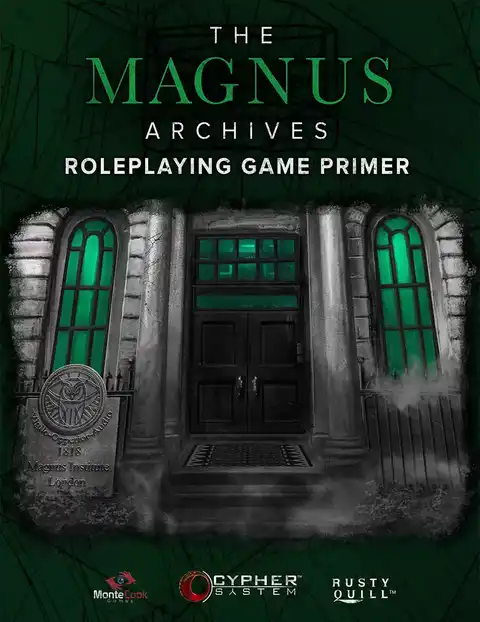
The Magnus Archives belongs in cosmic horror when your table wants that label to shape actual play. The Magnus Archives Roleplaying Game adapts the horror podcast into a story-focused investigative game about witness statements, fear, and supernatural cases using a tailored Cypher-based framework.
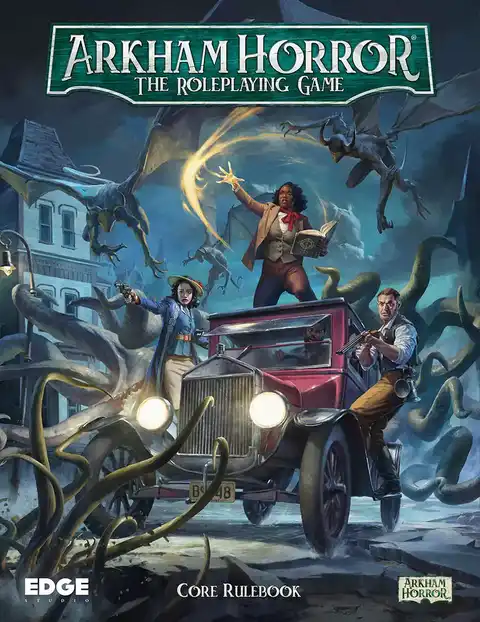
Use Arkham Horror when your table wants cosmic horror play to shape real choices. It is most worth comparing for investigation structure, sanity or corruption pressure, lethality, how unknowable the threat stays, and whether campaigns can sustain dread. Arkham Horror immerses players in a Lovecraftian world of cosmic horror, as they take on the roles of...
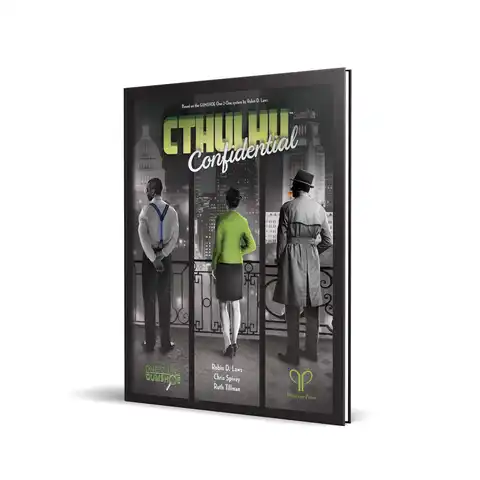
Use Cthulhu Confidential when your table wants cosmic horror play to shape real choices. It is most worth comparing for investigation structure, sanity or corruption pressure, lethality, how unknowable the threat stays, and whether campaigns can sustain dread. Cthulhu Confidential immerses players in a noir-infused world where they step into the shoes of...
Use Cthulhu Dark when your table wants cosmic horror play to shape real choices. It is most worth comparing for investigation structure, sanity or corruption pressure, lethality, how unknowable the threat stays, and whether campaigns can sustain dread. Cthulhu Dark is a rules‑lite horror game by Graham Walmsley that pushes dread and discovery to the...
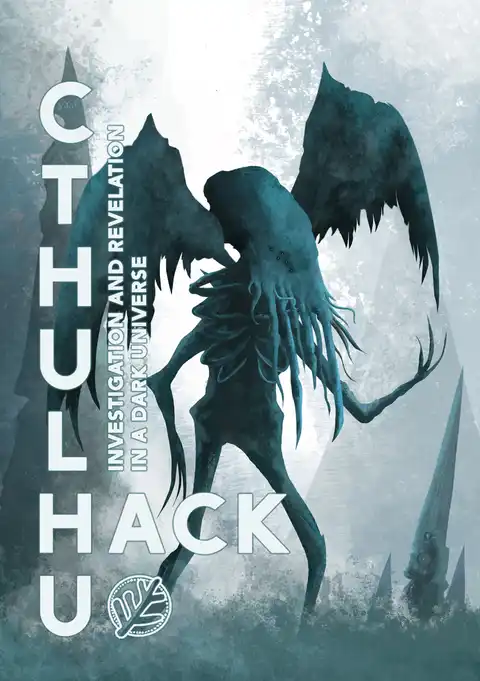
Cthulhu Hack fits cosmic horror because every investigation treats forbidden knowledge as corrosive, not empowering: the closer the investigators get to the truth, the more their sanity, supplies, and margin for error start to fail them.
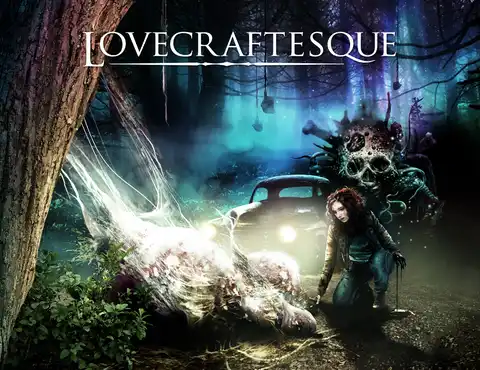
Lovecraftesque makes cosmic horror unknowable even to its authors: the table begins without a true answer, lets clues accumulate around one vulnerable Witness, and only commits to the horror when the story reaches its revelation.
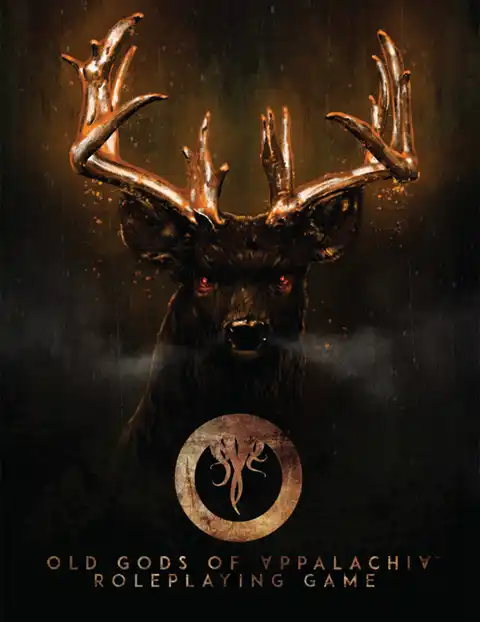
Old Gods of Appalachia fits Cosmic Horror when the table wants ancient powers, impossible bargains, and human communities dwarfed by forces older than the towns built above them.

Our Brilliant Ruin fits Cosmic Horror because the Ruin is not just another monster faction; it is a corrupting, world-ending force that makes denial, legacy, and social survival feel fragile. Choose it when you want horror to press on class and identity as much as investigation.
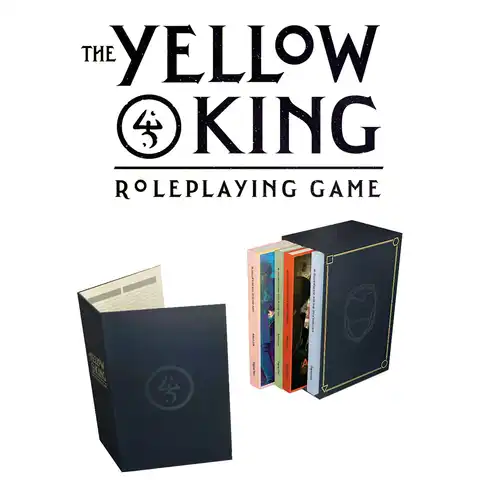
The Yellow King RPG belongs in Cosmic Horror because Carcosa and the Yellow Sign treat reality itself as unstable, with human investigators facing an alien influence that rewrites history, art, memory, and political order.
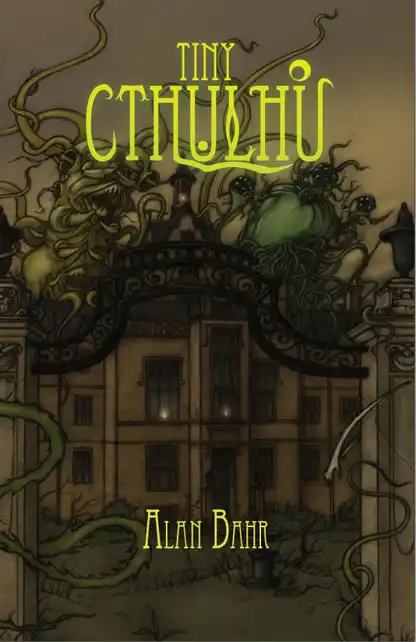
Use Tiny Cthulhu when your table wants cosmic horror play to shape real choices. It is most worth comparing for investigation structure, sanity or corruption pressure, lethality, how unknowable the threat stays, and whether campaigns can sustain dread. Tiny Cthulhu is a rules-lite Lovecraftian horror game using the minimalist TinyD6 engine.
Use Trail of Cthulhu when your table wants cosmic horror play to shape real choices. It is most worth comparing for investigation structure, sanity or corruption pressure, lethality, how unknowable the threat stays, and whether campaigns can sustain dread. Trail of Cthulhu is an investigative cosmic horror RPG built on GUMSHOE, designed so clue-finding...
Cosmic horror works best when the system matches the kind of dread you want. Classic Cthulhu investigation, modern conspiracy, clue-forward mystery, and rules-light doom all point toward different games.
| If your table wants... | Start with | Why it fits | Also compare |
|---|---|---|---|
| Classic investigators, clues, sanity, tomes, cults, and occult danger | Call of Cthulhu | It is the baseline for Lovecraftian tabletop horror: investigation, fragile people, escalating danger, and knowledge that changes the characters. | Horror for the broader category. |
| Modern conspiracy, agencies, coverups, and the cost of containment | Delta Green | It moves cosmic horror into institutions, operations, and secrecy, where the mission corrodes the people trying to keep reality intact. | Mystery for clue-driven play. |
| Investigation procedures that keep clues moving | Trail of Cthulhu | Its GUMSHOE foundation is built around investigation, letting the game focus on what clues mean and what they cost. | Cthulhu Confidential for one-to-one investigation. |
| Rules-light doomed investigation | Cthulhu Dark | It strips cosmic horror down to investigation, insight, and the understanding that fighting the thing directly is usually a mistake. | Rules Lite. |
| Cosmic horror in space or industrial sci-fi settings | Mothership | It translates insignificance and body horror into ships, stations, stress, panic, hostile environments, and blue-collar survival. | Science Fiction and Survival. |
| Modern supernatural archives, cases, and creeping revelations | The Magnus Archives | It fits groups that want case files, statements, entities, and a contemporary horror frame where patterns slowly become unbearable. | Supernatural. |
Some cosmic horror campaigns are about delaying the inevitable. Others are about solving mysteries, containing outbreaks, or choosing what truth to bury. Pick a game whose procedures support the kind of agency your table wants.
Call of Cthulhu is the classic anchor, but cosmic horror can also be modern, bureaucratic, science-fictional, rules-light, or supernatural. The common thread is revelation: the characters learn something the world was not built to survive.