Tone and themes

Best Mature Themes TTRPGs

Mature TTRPGs ask for emotional buy-in, boundary setting, and a clear reason to put heavy material on the table. Start with Blood Borg, DIE: The Roleplaying Game, Cain RPG, and Kult: Divinity Lost as comparison points, then move down the list based on the kind of theme your group actually wants.

When comparing mature games, look at content intensity, safety tools, whether mature themes are central or optional, and how the game turns pressure into meaningful choices. Those details matter more than the tag itself, because two games can share a category while asking completely different things from the GM and players.

Use the top picks as anchors rather than treating the page like a simple popularity ranking. The goal is to answer the practical table question: which game will produce the kind of first session, campaign rhythm, and player buy-in your group is likely to enjoy?

Do not use mature themes as seasoning. Choose these games only when the group wants the responsibility that comes with the subject matter.

Top picks

Best games in this category

Quick starting points if you want the clearest expressions of what Mature Themes games do well.

Blood Borg
Top pick

Blood Borg

Start with Blood Borg when you want a mature option that makes the category visible in play, not just in premise. Compare it on content intensity, safety tools, whether mature themes are central or optional, and how the game turns pressure into meaningful choices. It is especially strong for groups that want punk vampire energy rather than aristocratic intrigue and tables comfortable with hunger, mess, and...

DIE: The Roleplaying Game
Top pick

DIE: The Roleplaying Game

Start with DIE: The Roleplaying Game when you want a mature option that makes the category visible in play, not just in premise. Compare it on content intensity, safety tools, whether mature themes are central or optional, and how the game turns pressure into meaningful choices. It is especially strong for players who want emotionally charged fantasy and groups comfortable with character baggage and hard choices.

CAIN
Top pick

CAIN

Start with Cain RPG when you want a mature option that makes the category visible in play, not just in premise. Compare it on content intensity, safety tools, whether mature themes are central or optional, and how the game turns pressure into meaningful choices. It is especially strong for groups that want occult investigations to build toward violent, dramatic confrontations and tables drawn to anime-horror,...

Kult: Divinity Lost
Top pick

Kult: Divinity Lost

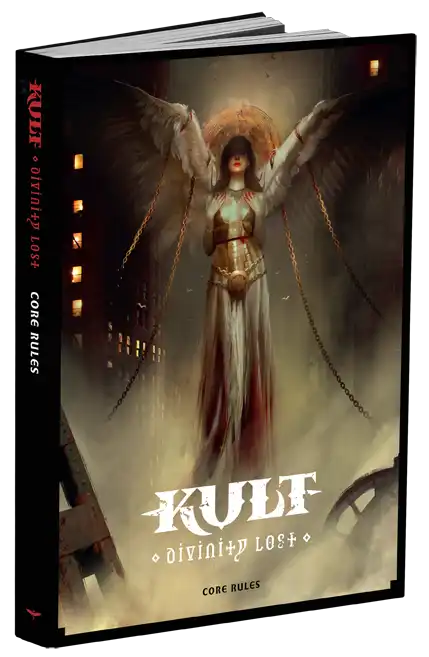
Kult: Divinity Lost is one of the clearest mature-category examples because the adult material is structural rather than decorative. Compare it on content intensity, consent expectations, and whether your table wants horror to work through temptation, shame, and psychological exposure.

More to compare

More Mature Themes TTRPGs to compare

SPINE

SPINE

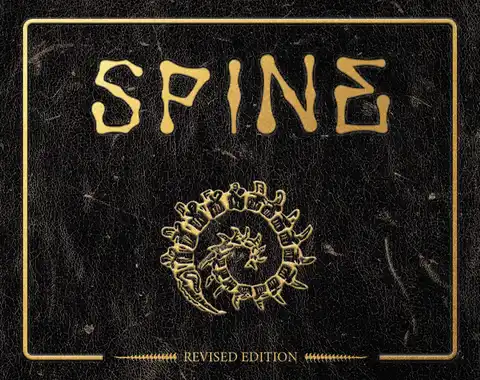
SPINE belongs in Mature Themes because its official warnings include possession, loss of bodily control, and verbal/manipulative child abuse, and its premise asks players to engage with harmful compulsion.

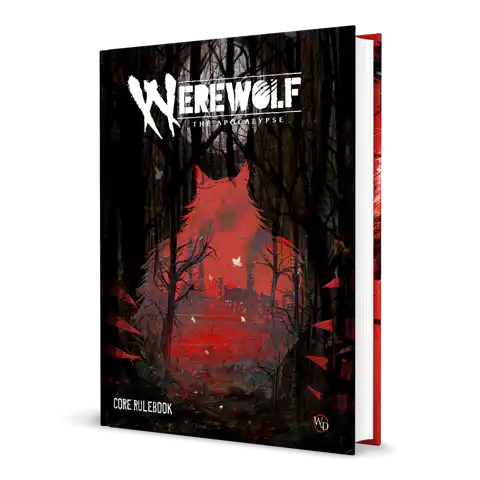
Werewolf: The Apocalypse

Werewolf: The Apocalypse

Werewolf: The Apocalypse fits Mature because its published line explicitly warns for violence, sexual themes, and strong language, and the actual play material leans into ecocide, Rage, spiritual despair, and morally ugly choices.

Hollows

Hollows

Hollows fits Mature tables because its horror leans on trauma, body horror, violence, corruption, toxic power, and the emotional weight of entering other people's personal hells.

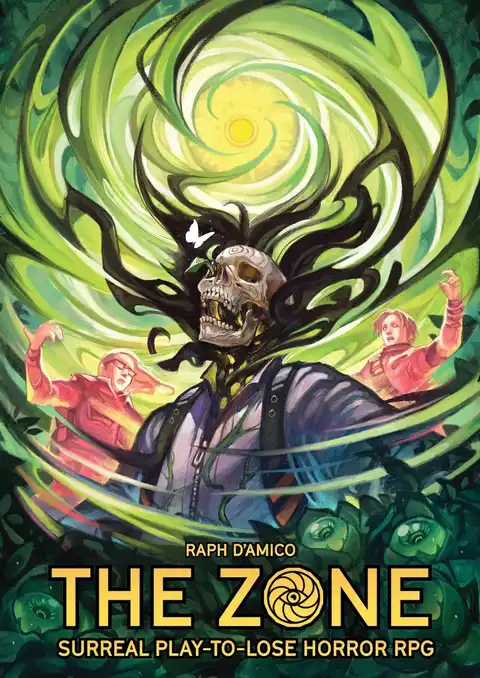
The Zone

The Zone

The Zone is Raph D'Amico's GMless, card-driven TTRPG of surreal play-to-lose horror, sending 1-6 doomed characters into an alien place that manifests their phobias and obsessions until mutation, death, and one final wish define the expedition.

CAIN

CAIN

Use Cain RPG when your table wants mature play to shape real choices. It is most worth comparing for content intensity, safety tools, whether mature themes are central or optional, and how the game turns pressure into meaningful choices. Cain is an occult action-horror TTRPG by Tom Bloom about psychic exorcists working for a shadow organization that hunts...

Changeling: The Lost

Changeling: The Lost

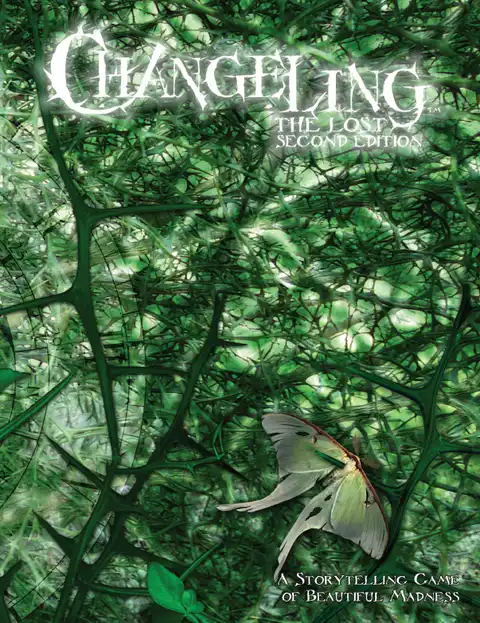
Changeling: The Lost centrally engages abduction, captivity, abuse and recovery, and its core book addresses those themes directly with Storyteller guidance on limits, the X-card and debriefing after sessions.

Chronicles of Darkness

Chronicles of Darkness

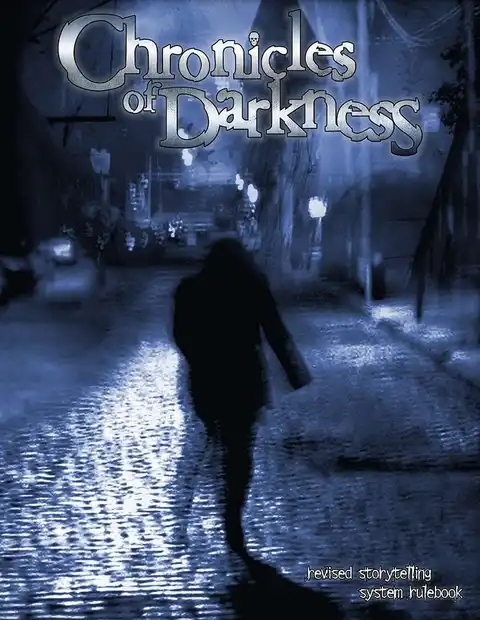
Chronicles of Darkness fits Mature Themes because it deals with trauma, abuse of power, addiction, madness and violence that leaves scars, and asks players to roll breaking points when their characters see or do terrible things.

Dark Heresy

Dark Heresy

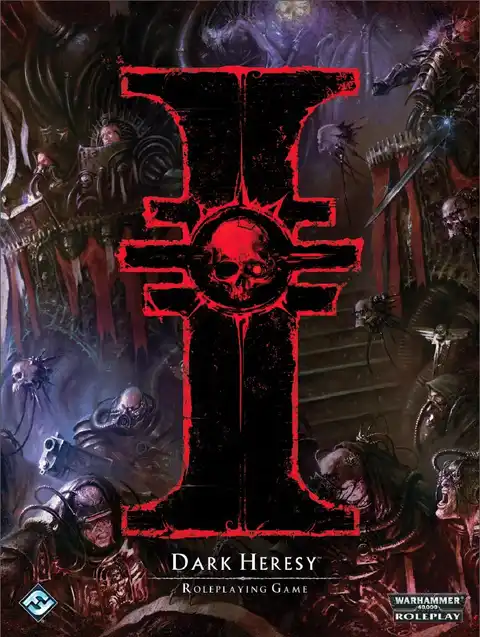
Published play includes graphic injury, interrogation and torture, religious persecution, mutation and body horror, and an Imperium whose default politics are xenophobic and authoritarian.

DIE: The Roleplaying Game

DIE: The Roleplaying Game

Use DIE: The Roleplaying Game when your table wants mature play to shape real choices. It is most worth comparing for content intensity, safety tools, whether mature themes are central or optional, and how the game turns pressure into meaningful choices. DIE: The Roleplaying Game is a dark fantasy portal RPG about flawed adults dragged into a world shaped...

Exalted

Exalted

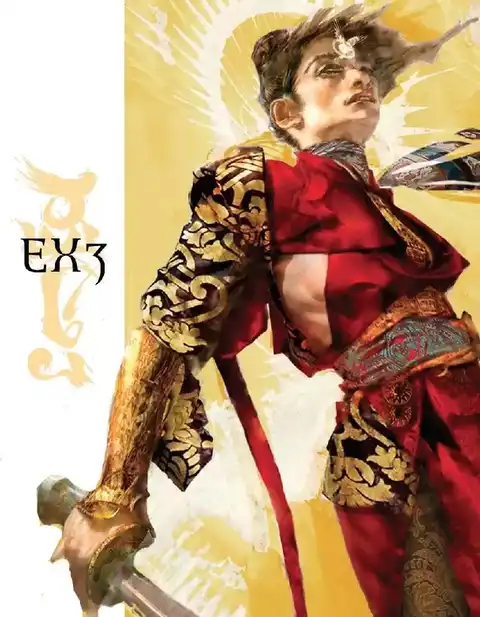
Onyx Path's mythic high-fantasy TTRPG of demigod heroes in Creation. This page leads with Exalted Third Edition (Solars, Initiative combat, deep Charm lists) and covers Exalted: Essence as the lighter core that puts all ten Exalt types in one book.

Hard City

Hard City

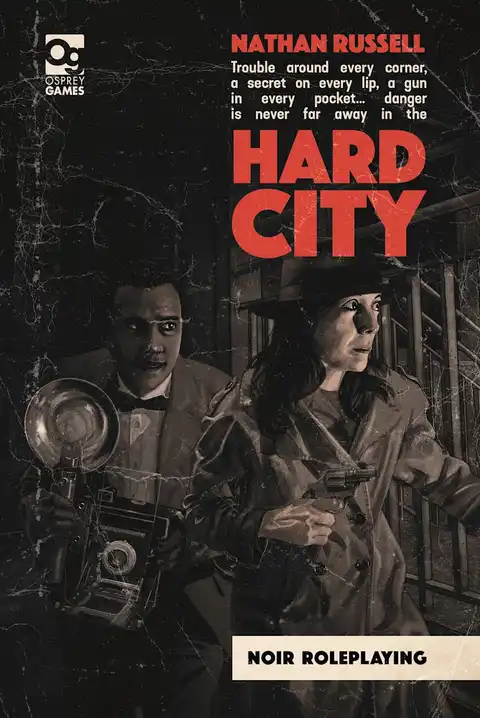
Hard City includes crime, violence, addiction, coercion, and damaged relationships. Review the example cases and dated gender tropes with the group before choosing which material to bring into play.

Hunter: The Reckoning

Hunter: The Reckoning

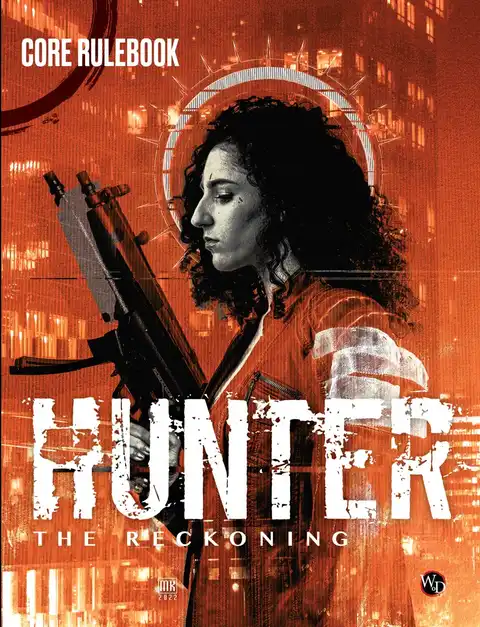
Hunter: The Reckoning fits Mature Themes because Renegade labels the line for violence, sexual themes and strong language, and its threats include murder, body horror and victims among migrants and the poor. The core book backs this with an Advice for Considerate Play appendix on safety tools and calibration.

Compare

How to choose the right Mature Themes TTRPG

Choose by the job at the table. For mature TTRPGs, compare content intensity, safety tools, whether mature themes are central or optional, and how the game turns pressure into meaningful choices. If that sounds too abstract, ask what the game makes players decide in the first hour.

Use the top picks as contrasts. Blood Borg and DIE: The Roleplaying Game are useful side-by-side because they show different ways this category can work. Cain RPG adds another angle, while Kult: Divinity Lost helps test whether your table wants a different commitment level.

  • Blood Borg: Start with Blood Borg when you want a mature option that makes the category visible in play, not just in premise.
  • DIE: The Roleplaying Game: Start with DIE: The Roleplaying Game when you want a mature option that makes the category visible in play, not just in premise.
  • Cain RPG: Start with Cain RPG when you want a mature option that makes the category visible in play, not just in premise.
  • Kult: Divinity Lost: Start with Kult: Divinity Lost when you want a mature option that makes the category visible in play, not just in premise.

Match scope before rules. Some mature games are best as one-shots, some need a short arc, and some only reveal their strengths through campaign play. Decide that scope first, then choose the rules weight your group will actually tolerate.

FAQ

Questions players ask

Which mature TTRPG should my table try first?
Start with Blood Borg if you want the clearest first comparison point, then compare DIE: The Roleplaying Game, Cain RPG, and Kult: Divinity Lost based on content intensity, safety tools, whether mature themes are central or optional, and how the game turns pressure into meaningful choices. The right first pick is the one that makes your next session easiest to imagine and run.
How do I choose between mature games?
Compare content intensity, safety tools, whether mature themes are central or optional, and how the game turns pressure into meaningful choices. Pay special attention to what the game asks players to do repeatedly: solve tactical problems, improvise drama, manage scarce resources, investigate, build characters, or share authorship.
Are mature TTRPGs better for one-shots or campaigns?
That depends on the procedures. For one-shots, favor fast setup, immediate pressure, and a clear ending. For campaigns, look for advancement, changing relationships, faction or location pressure, downtime, and enough variety to keep the core activity interesting.
What should I check before pitching a mature TTRPG to my group?
Do not use mature themes as seasoning. Choose these games only when the group wants the responsibility that comes with the subject matter. Also check rules weight, safety expectations, prep load, and whether the players are excited by the actual scenes the game creates rather than only the premise.