Top pick
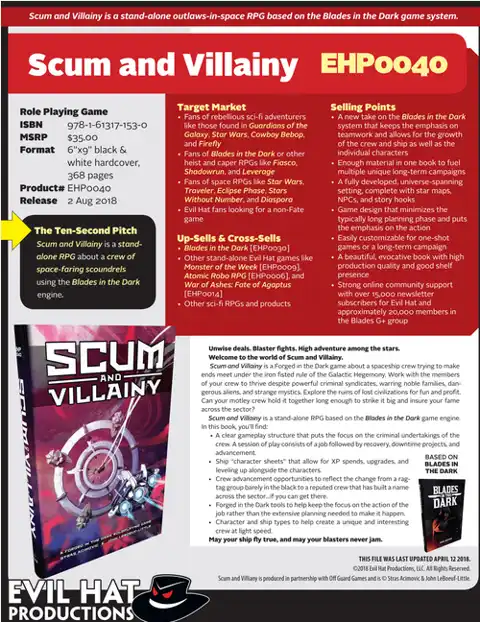
Scum and Villainy
Best for crews of smugglers, rebels, bounty hunters, and scoundrels who want space opera through jobs, heat, factions, and pressure.
Space-opera TTRPGs want sweeping stakes: crews, empires, strange worlds, big emotions, starship action, and moral choices at scale. Start with Scum and Villainy, Starfinder, Star Trek Adventures, and Star Wars as comparison points, then move down the list based on the kind of genre your group actually wants.
When comparing space opera games, look at campaign scope, ship rules, faction conflict, character drama, alien cultures, and whether the game leans pulpy, political, or mythic. Those details matter more than the tag itself, because two games can share a category while asking completely different things from the GM and players.
Use the top picks as anchors rather than treating the page like a simple popularity ranking. The goal is to answer the practical table question: which game will produce the kind of first session, campaign rhythm, and player buy-in your group is likely to enjoy?
A big setting needs playable focus. Choose the game that tells the table what they actually do each session.
Quick starting points if you want the clearest expressions of what Space Opera games do well.
Best for crews of smugglers, rebels, bounty hunters, and scoundrels who want space opera through jobs, heat, factions, and pressure.
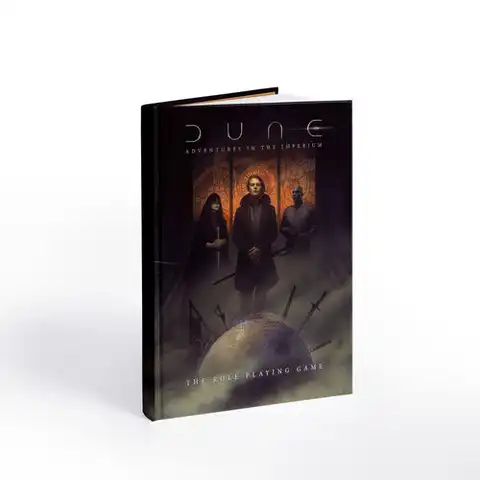
Best for tables that want space opera at the scale of rival houses, prophetic plans, imperial pressure, and political consequences rather than a free-roaming ship-crew sandbox.
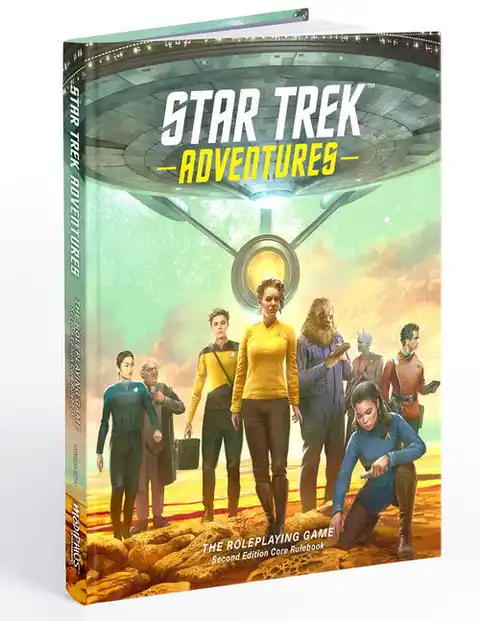
Start with Star Trek Adventures if your table wants space opera built around an organized crew, diplomatic crises, and exploratory missions instead of smuggling, grim survival, or dogfight-first heroics. It is one of the clearest optimistic campaign picks in this category.
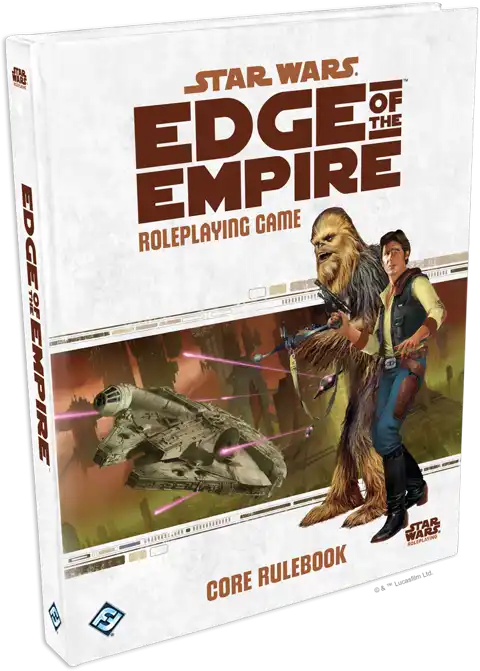
Use Star Wars when your table wants space opera play to shape real choices. It is most worth comparing for campaign scope, ship rules, faction conflict, character drama, alien cultures, and whether the game leans pulpy, political, or mythic. Star Wars RPG immerses players in the expansive Star Wars universe, allowing them to create their own stories...
Use Scum and Villainy when your table wants space opera play to shape real choices. It is most worth comparing for campaign scope, ship rules, faction conflict, character drama, alien cultures, and whether the game leans pulpy, political, or mythic. Set in a universe inspired by classic sci-fi franchises like Star Wars and Firefly, Scum and Villainy is a...
Choose Star Trek Adventures for space opera built around an organized crew, diplomatic crises, and exploratory missions rather than outlaw swagger or dogfight-heavy pulp. It belongs here when you want big-galaxy stakes filtered through Starfleet teamwork and duty.
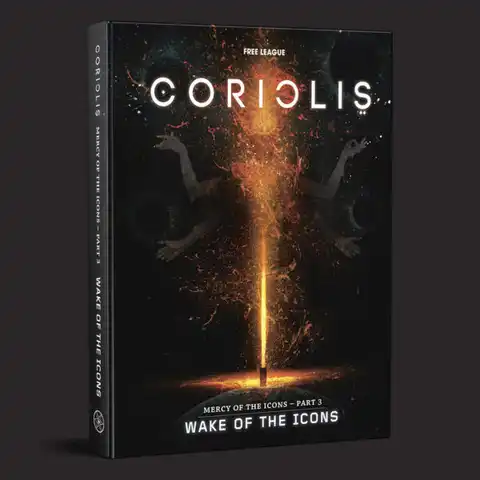
Use Coriolis when your table wants space opera play to shape real choices. It is most worth comparing for campaign scope, ship rules, faction conflict, character drama, alien cultures, and whether the game leans pulpy, political, or mythic. Embark on a spacefaring adventure in Coriolis, a sci-fi tabletop RPG set in a universe of ancient mysteries and...
Dune fits space opera through dynastic conflict, planetary fiefs, prophetic stakes, and a universe-scale struggle over spice and empire. It leans more aristocratic and conspiratorial than crew-of-scoundrels space opera, but the scale and melodrama are absolutely there.
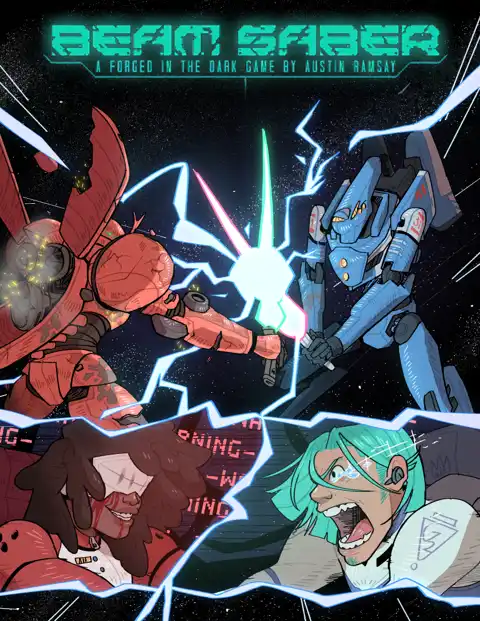
Beam Saber sits on the war-drama edge of Space Opera: large factions, dramatic pilots, known-space conflict, and operatic stakes, but filtered through squad missions instead of ship-crew wandering.
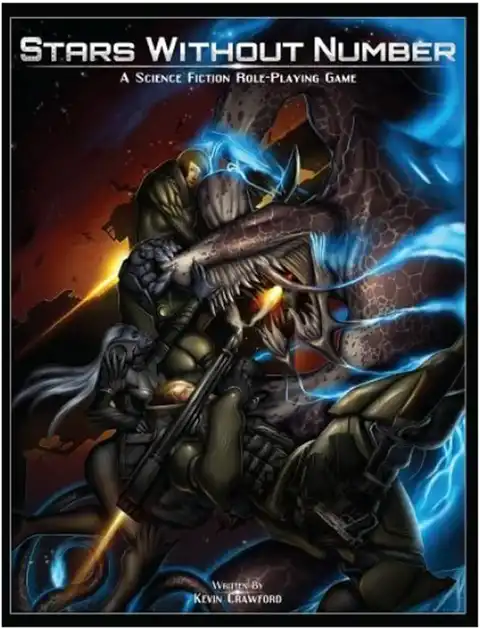
Use Stars Without Number RPG when your table wants space opera play to shape real choices. It is most worth comparing for campaign scope, ship rules, faction conflict, character drama, alien cultures, and whether the game leans pulpy, political, or mythic. Stars Without Number is a sandbox science-fiction RPG built for sector exploration, faction play,...
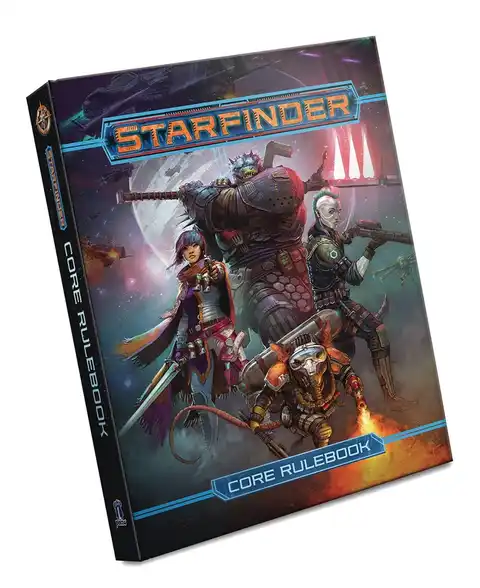
Use Starfinder when your table wants a colorful crew-based space opera with missions, starships, rival powers, and big set-piece threats. It belongs here because the line is built for fast movement between worlds, factions, and adventure-scale problems rather than for one enclosed setting.
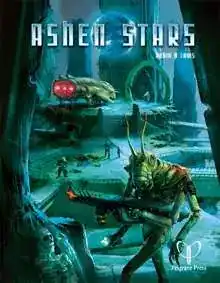
Use Ashen Stars when your table wants space opera play to shape real choices. It is most worth comparing for campaign scope, ship rules, faction conflict, character drama, alien cultures, and whether the game leans pulpy, political, or mythic. Ashen Stars plunges players into a vibrant, galaxy-spanning universe as they assume the roles of elite agents...
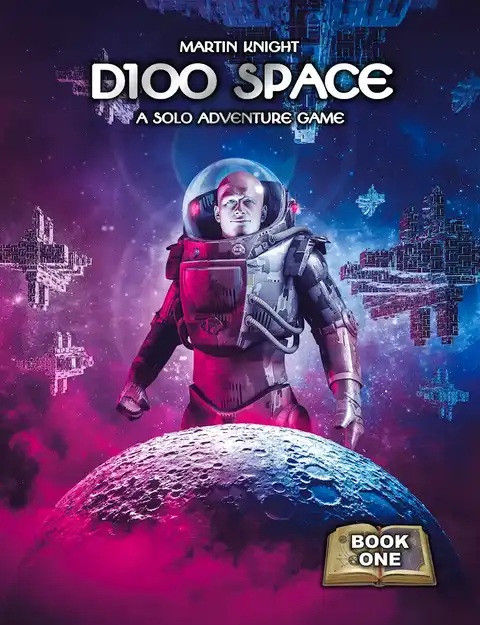
Use D100 Space when your table wants space opera play to shape real choices. It is most worth comparing for campaign scope, ship rules, faction conflict, character drama, alien cultures, and whether the game leans pulpy, political, or mythic. D100 Space is a thrilling solo tabletop RPG set in a vast, uncharted galaxy teeming with alien civilizations,...
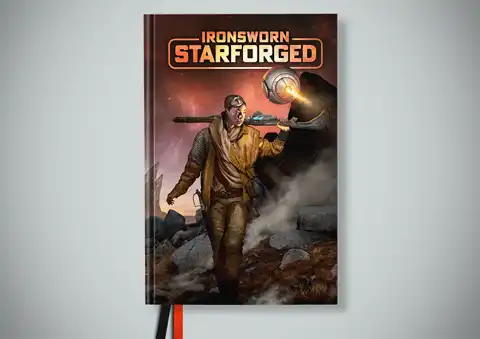
Starforged fits space opera when your table wants personal vows, frontier travel, ship identity, and wide-screen adventure to matter more than military simulation or hard-science detail.
Use Lady Blackbird when your table wants space opera play to shape real choices. It is most worth comparing for campaign scope, ship rules, faction conflict, character drama, alien cultures, and whether the game leans pulpy, political, or mythic. Lady Blackbird invites players to embark on a steampunk-inspired adventure aboard a luxurious skyship with a...
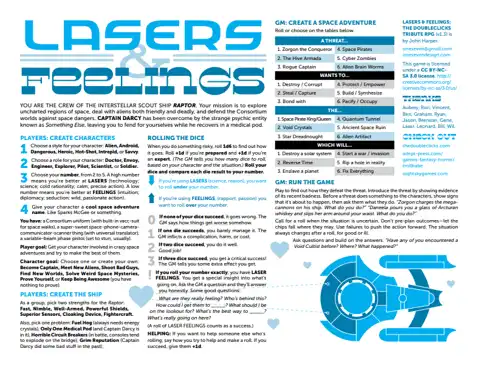
Use Lasers & Feelings when your table wants space opera play to shape real choices. It is most worth comparing for campaign scope, ship rules, faction conflict, character drama, alien cultures, and whether the game leans pulpy, political, or mythic. A one‑page, rules‑lite sci‑fi game by John Harper.
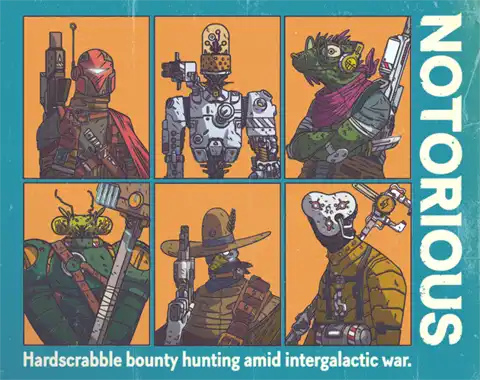
Notorious is a solo science-fiction TTRPG about Nomads, feared bounty hunters taking dangerous contracts amid intergalactic war. It uses two six-sided dice, tables, profiles, and Arcade or Story Mode to turn one-player bounty jobs into fast episodes or linked anthology play.
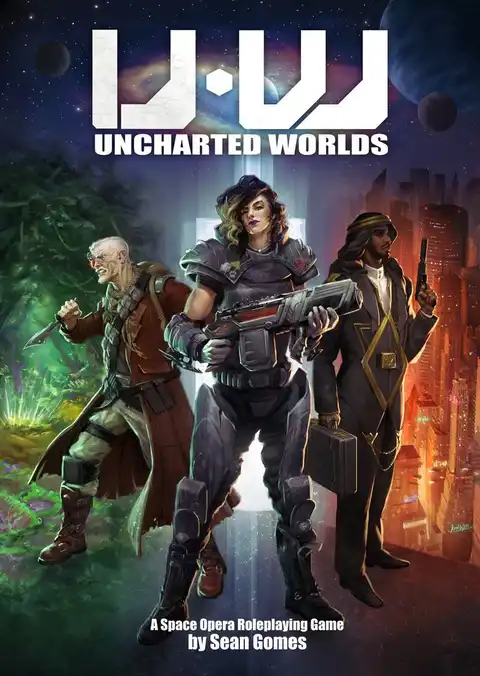
Use Uncharted Worlds when your table wants space opera play to shape real choices. It is most worth comparing for campaign scope, ship rules, faction conflict, character drama, alien cultures, and whether the game leans pulpy, political, or mythic. Uncharted Worlds is a space-opera PbtA game about crews, ships, jobs, and the trouble that follows people...
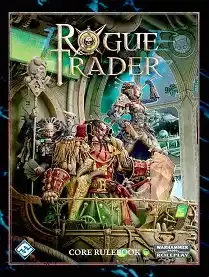
Use Warhammer 40,000 Roleplay: Rogue Trader when your table wants space opera play to shape real choices. It is most worth comparing for campaign scope, ship rules, faction conflict, character drama, alien cultures, and whether the game leans pulpy, political, or mythic. Rogue Trader is a Warhammer 40k RPG about command, voidships, profit, imperial...
Space opera is not one play style. A Starfleet mission, a rebel adventure, a scoundrel crew job, and a d20 science-fantasy campaign all need different tools.
| If your table wants... | Start with | Why it fits | Also compare |
|---|---|---|---|
| Hopeful exploration, diplomacy, crews, and starship missions | Star Trek Adventures | It centers values, roles, missions, the ship, and the crew's choices when exploration creates moral pressure. | Science Fiction. |
| Cinematic rebellion, iconic villains, mystic powers, and fast adventure | Star Wars | It gives groups an immediately recognizable space-opera language for heroes, smugglers, empires, starfighter action, and destiny. | Narrative-Driven. |
| Smugglers, bounty hunters, rebels, faction heat, and risky jobs | Scum and Villainy | It turns space opera into a crew game about pressure, jobs, downtime, complications, and faction relationships. | Forged in the Dark. |
| d20 science-fantasy with tactical fights and campaign advancement | Starfinder | It fits tables that want classes, builds, tactical encounters, aliens, starships, magic-adjacent technology, and long campaign structure. | Rules-Medium. |
| Grim imperial scale, trade, danger, and command authority | Warhammer 40,000 Roleplay: Rogue Trader | It makes space opera darker and grander, with dynasties, voidships, profit, faith, horror, and imperial politics. | Horror when the scale should feel threatening. |
| Short, romantic, prebuilt pulp adventure | Lady Blackbird | It is compact, character-forward, and ready to play when the table wants space-opera romance, escape, danger, and momentum. | One-Shot Friendly. |
Space opera usually works because the group understands who the crew is: officers, rebels, smugglers, explorers, soldiers, nobles, fugitives, or found family. Pick the game that supports that crew fantasy before worrying about the details of faster-than-light travel.
Space opera can include tactical combat, mystery, politics, romance, horror, or exploration, but the common thread is scale. The characters' choices should feel connected to ships, worlds, factions, empires, or legends larger than themselves.