Top pick
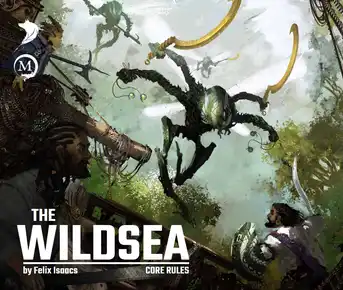
The Wildsea
Best for adventurous ecology: a crew crosses a living treetop ocean where weather, salvage, routes, and adaptation make the transformed environment part of every practical decision.
Environmental TTRPGs put landscape, scarcity, ecology, climate, or human impact into the loop of play. Start with Blue Planet: Recontact, Mouse Guard, The Wildsea, and Werewolf: The Apocalypse as comparison points, then move down the list based on the kind of theme your group actually wants.
When comparing environmental games, look at survival pressure, exploration, community stakes, whether nature is threat or relationship, and how consequences accumulate over time. Those details matter more than the tag itself, because two games can share a category while asking completely different things from the GM and players.
Use the top picks as anchors rather than treating the page like a simple popularity ranking. The goal is to answer the practical table question: which game will produce the kind of first session, campaign rhythm, and player buy-in your group is likely to enjoy?
The theme needs procedures that make the environment push back; otherwise it fades into scenery.
Quick starting points if you want the clearest expressions of what Environmental games do well.
Best for adventurous ecology: a crew crosses a living treetop ocean where weather, salvage, routes, and adaptation make the transformed environment part of every practical decision.
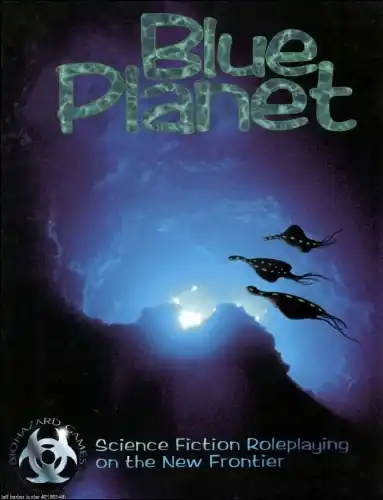
Best hard-science ecological campaign for tables that want an alien ocean world, frontier survival, colonial pressure, and environmental consequence treated with sustained depth.
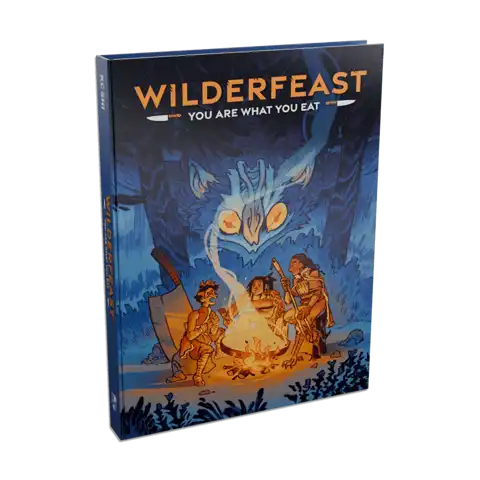
Best for groups that want ecology expressed through the main play loop: track frenzied monsters, understand their place in the land, cook them, and change through what you consume.
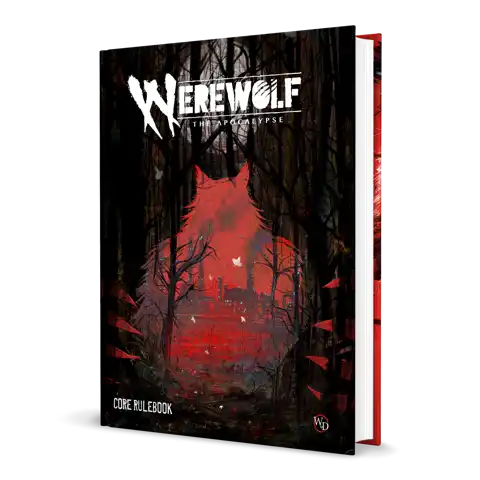
Best for environmental activism through spiritual horror, where packs defend threatened land against ecological collapse, corruption, and institutions that turn destruction into power.
Werewolf: The Apocalypse is one of the clearest Environmental TTRPGs on the site: ecological collapse, spiritual corruption, and the defense of threatened places are the premise, not just backdrop flavor.
Blue Planet: Recontact belongs in environmental when your table wants that label to matter in play instead of only in browsing. Blue Planet: Recontact is an ecologically focused hard-science-fiction game about frontier survival, colonial pressure, and the dangerous beauty of Poseidon, a distant ocean world.
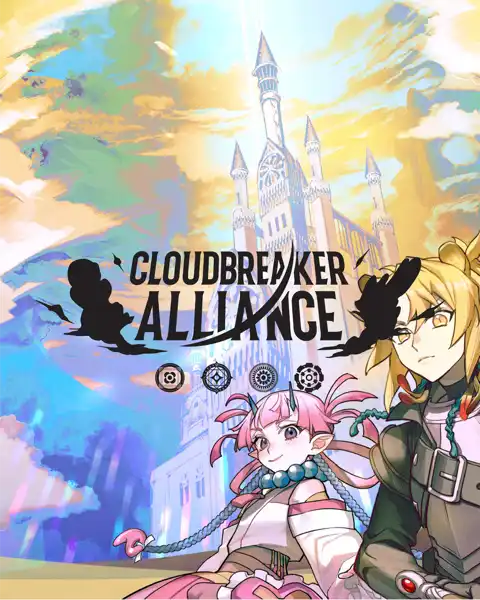
Cloudbreaker Alliance fits Environmental themes because Cloudfall, fractured lands, monsters, and rebuilding communities make ecological recovery and coexistence part of the adventure frame.
Wilderfeast belongs in environmental because the game treats ecology, frenzy, feeding, and human-monster balance as core play questions rather than setting wallpaper.
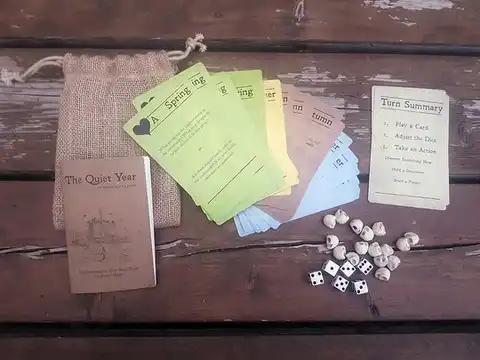
Use A Quiet Year when your table wants environmental play to shape real choices. It is most worth comparing for survival pressure, exploration, community stakes, whether nature is threat or relationship, and how consequences accumulate over time. A Quiet Year is a thought-provoking tabletop RPG where players collaboratively create a post-apocalyptic...

Use Cast Away when your table wants environmental play to shape real choices. It is most worth comparing for survival pressure, exploration, community stakes, whether nature is threat or relationship, and how consequences accumulate over time. Cast Away is a rules-lite survival RPG using Diminishing Dice mechanics to model deteriorating conditions after...
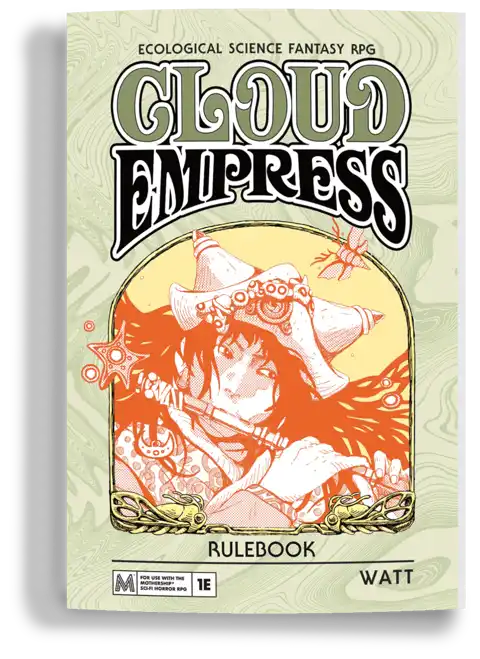
Cloud Empress is one of the clearest environmental picks because ecology is not background color. Giant magical cicadas, living patterns, war-scarred lands, damaged communities, and the question of how a world heals all shape play.
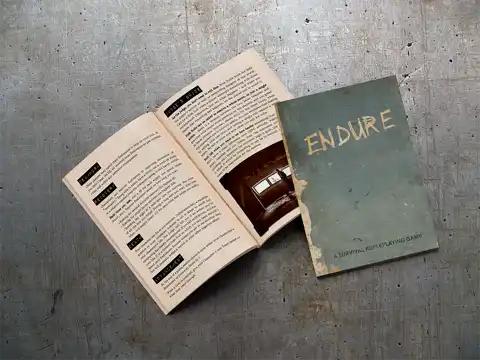
Use Endure when your table wants environmental play to shape real choices. It is most worth comparing for survival pressure, exploration, community stakes, whether nature is threat or relationship, and how consequences accumulate over time. Endure is a rules-lite survival RPG using a 2d6 Risk Roll system.
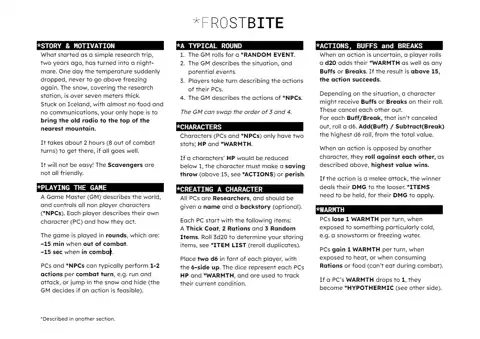
Use FROSTBITE when your table wants environmental play to shape real choices. It is most worth comparing for survival pressure, exploration, community stakes, whether nature is threat or relationship, and how consequences accumulate over time. FROSTBITE is a rules-lite arctic survival RPG using d20, d4, and d6 dice.
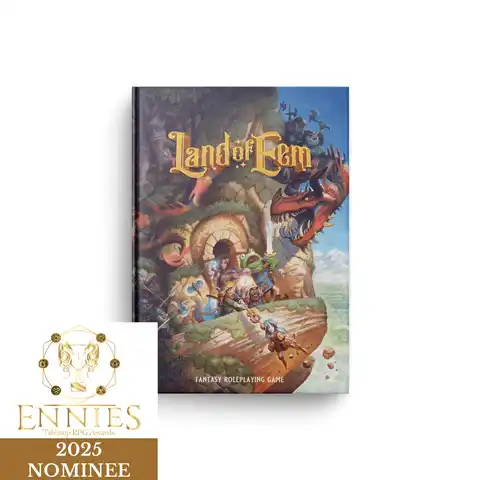
Land of Eem fits Environmental because travel, regions, ruins, components, creatures, and the post-collapse landscape are not background color; the world itself gives the party problems, tools, and discoveries.
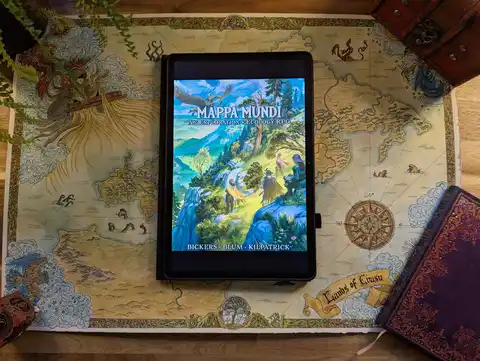
Ecology is not backdrop in Mappa Mundi: the game is about recovering environments, non-human agency, creature behavior, and how Chroniclers intervene without doing harm.

Mouse Guard fits environmental play because weather, terrain, rivers, seasons, and the sheer scale of the natural world create the problems instead of merely decorating them.
The Wildsea is one of the clearest Environmental fits on the site: the Verdancy, living weather, salvage ecology, and the consequences of surviving on a transformed world are not backdrop but the substance of play. Use it when you want ecology and adaptation to shape both tone and practical table decisions.
Choose by the job at the table. For environmental TTRPGs, compare survival pressure, exploration, community stakes, whether nature is threat or relationship, and how consequences accumulate over time. If that sounds too abstract, ask what the game makes players decide in the first hour.
Use the top picks as contrasts. Blue Planet: Recontact and The Wildsea are useful side-by-side because they show different ways this category can work. Mouse Guard adds another angle, while Werewolf: The Apocalypse helps test whether your table wants a different commitment level.
Match scope before rules. Some environmental games are best as one-shots, some need a short arc, and some only reveal their strengths through campaign play. Decide that scope first, then choose the rules weight your group will actually tolerate.