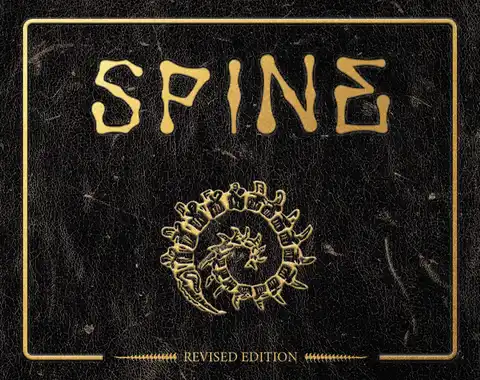
SPINE
SPINE fits Mystery because play is built around tracing endnotes, interpreting fragments, and piecing together the occult story of Siderius Plug before the book overtakes the reader.
Investigation TTRPGs need to keep clues, interpretation, danger, and momentum in balance. Start with Call of Cthulhu, Delta Green, Kult: Divinity Lost, and Monster of the Week as comparison points, then move down the list based on the kind of mechanical focus your group actually wants.
When comparing investigation games, look at clue guarantees, information flow, whether failure blocks progress, how mysteries escalate, and whether the game favors deduction, procedures, or character drama. Those details matter more than the tag itself, because two games can share a category while asking completely different things from the GM and players.
Use the top picks as anchors rather than treating the page like a simple popularity ranking. The goal is to answer the practical table question: which game will produce the kind of first session, campaign rhythm, and player buy-in your group is likely to enjoy?
Avoid games where a missed roll can stop the case cold unless the GM has strong fallback tools.
Choose by the job at the table. For investigation TTRPGs, compare clue guarantees, information flow, whether failure blocks progress, how mysteries escalate, and whether the game favors deduction, procedures, or character drama. If that sounds too abstract, ask what the game makes players decide in the first hour.
Use the top picks as contrasts. Call of Cthulhu and Delta Green are useful side-by-side because they show different ways this category can work. Kult: Divinity Lost adds another angle, while Monster of the Week helps test whether your table wants a different commitment level.
Match scope before rules. Some investigation games are best as one-shots, some need a short arc, and some only reveal their strengths through campaign play. Decide that scope first, then choose the rules weight your group will actually tolerate.
SPINE fits Mystery because play is built around tracing endnotes, interpreting fragments, and piecing together the occult story of Siderius Plug before the book overtakes the reader.
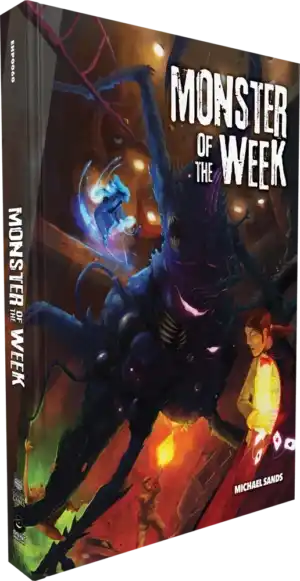
Monster of the Week is Michael Sands' modern supernatural mystery-horror TTRPG, built for Buffy-, Supernatural-, and X-Files-style campaigns. Hunters investigate strange cases, identify the monster's weakness, and confront it in fast, consequence-driven Powered by the Apocalypse play.
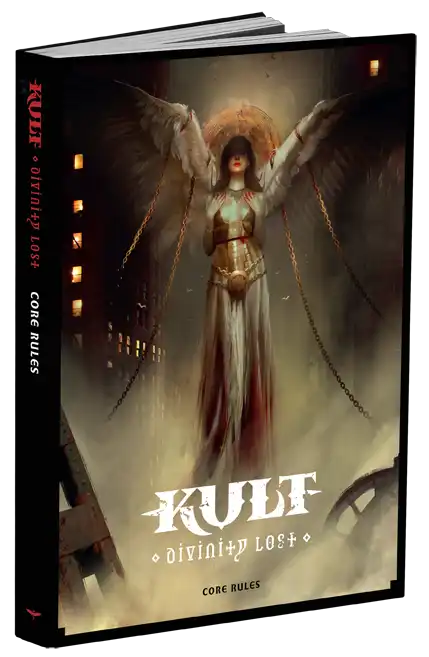
Kult: Divinity Lost is Helmgast's fourth-edition modern horror TTRPG: a move-driven occult nightmare where reality is a prison, revelation is corrosive, and the strongest campaigns turn shame, temptation, and hidden truths into the real monsters.
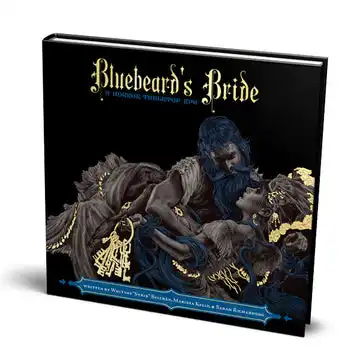
Bluebeard's Bride is Magpie Games' gothic horror PbtA one-shot about multiple players sharing one Bride as she explores her husband's mansion room by room. It is one of the sharpest choices for tables that want feminist horror, symbolic revelation, and a memorable single session, but it is a poor fit for low-intensity groups or campaign-minded players who want empowerment and tactical problem-solving.
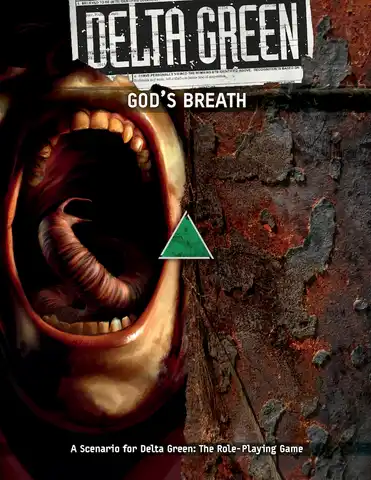
Delta Green is modern conspiracy horror about agents investigating the unnatural, burying the evidence, and watching the mission damage their sanity, relationships, and careers.
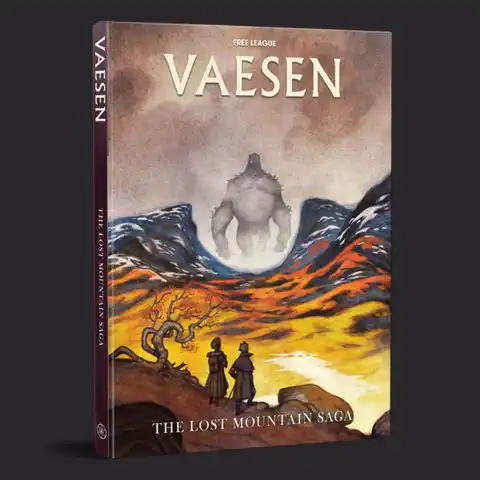
Vaesen is a Gothic folkloric horror TTRPG about investigators with the Sight solving supernatural cases in a mythic nineteenth-century Scandinavia. It is strongest when a group wants mysteries, moral pressure, and recurring Society play rather than combat-first monster hunting.
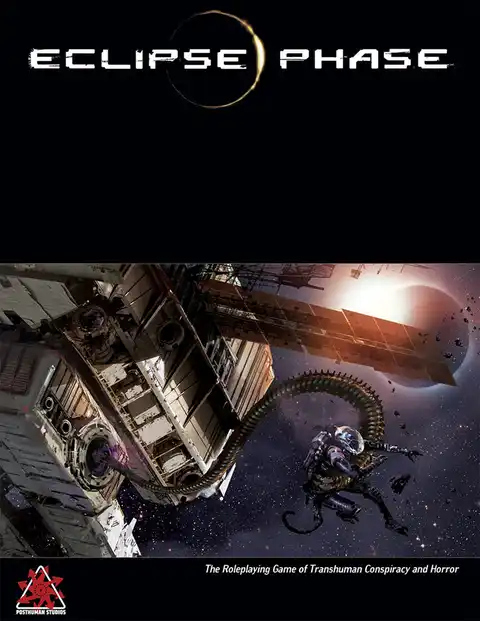
Eclipse Phase is a dense transhuman science-fiction TTRPG about Firewall missions, resleeving, politics, and existential horror, best for groups that want ideas and consequences to matter as much as action.
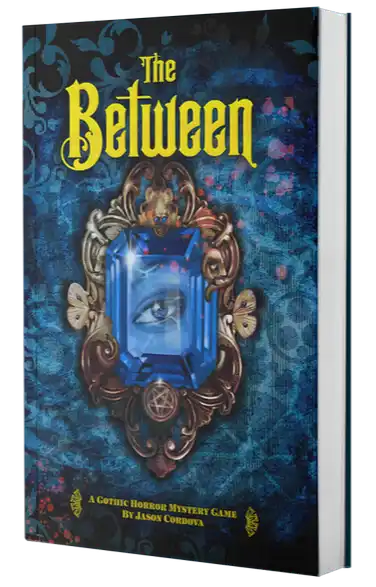
A gothic supernatural investigation TTRPG about mysterious hunters at Hargrave House confronting monstrous threats in Victorian London through Carved from Brindlewood mystery play.
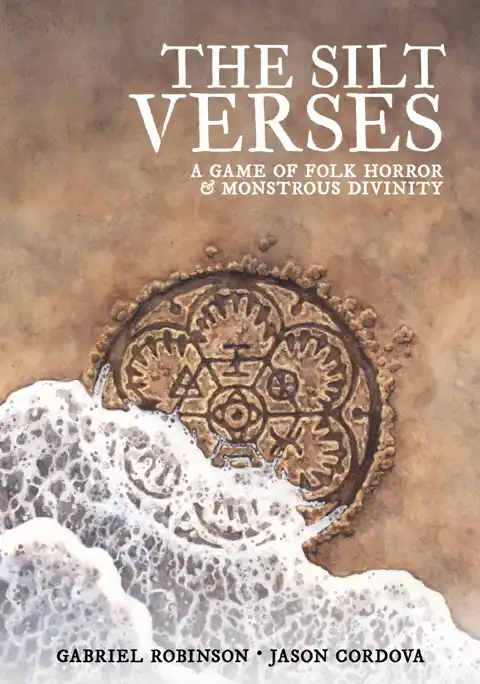
A folk-horror investigation TTRPG of stray gods, indebted Custodians, and monstrous divinity, using Carved from Brindlewood mystery play inside the world of The Silt Verses audio drama.
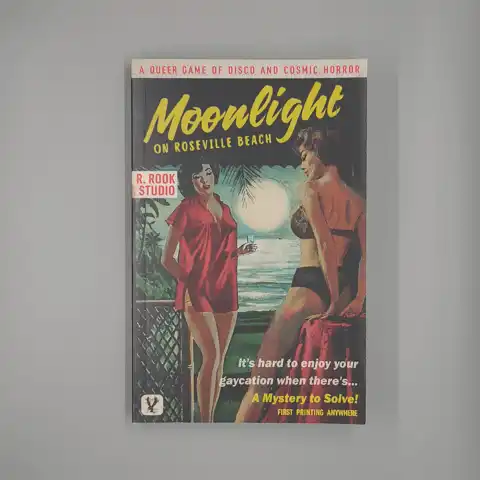
A queer 1979 beach-town mystery TTRPG where amateur sleuths protect Roseville Beach from phantasms, occult trouble, old gods, and social pressure.
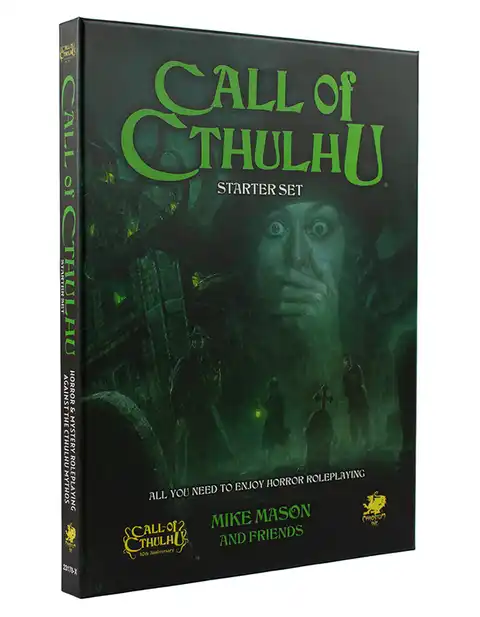
Call of Cthulhu is Chaosium's flagship investigative-horror TTRPG: percentile skills, Sanity pressure, and clue-driven scenarios about fragile investigators confronting the Mythos.
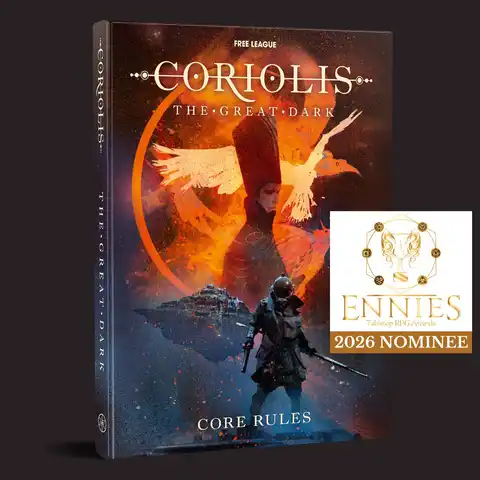
Coriolis: The Great Dark uses mystery as campaign fuel: Explorers follow Blight, uncover Builder ruins, decode artifacts, and turn each expedition's discoveries into new questions about the Lost Horizon.
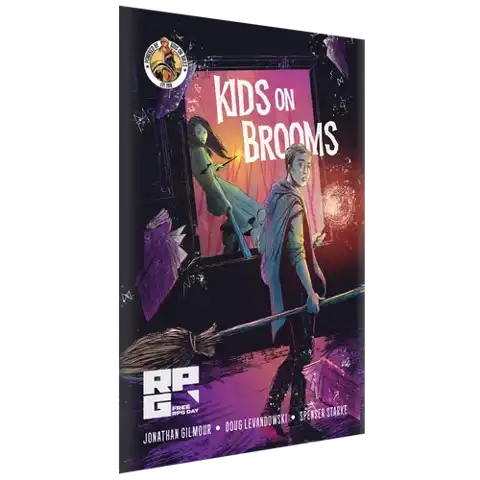
Kids on Brooms is a rules-light magical-school TTRPG about young witches and wizards building their own school, uncovering secrets, casting flexible spells, and handling mystery, danger, homework, friendships, and magical trouble through the Kids on Bikes framework.
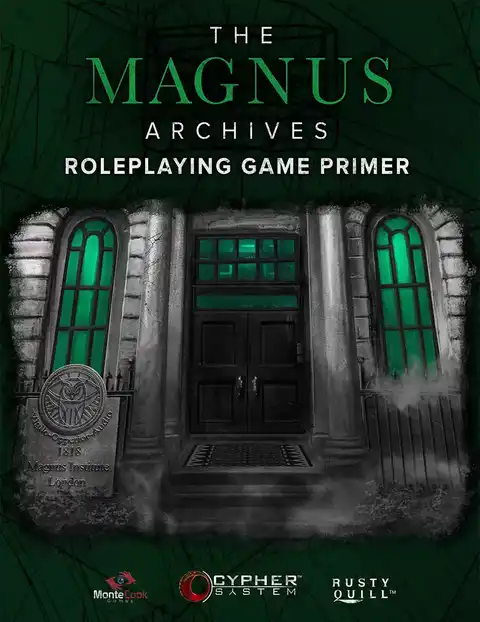
The Magnus Archives Roleplaying Game adapts the horror podcast into a story-focused investigative game about witness statements, fear, and supernatural cases using a tailored Cypher-based framework.
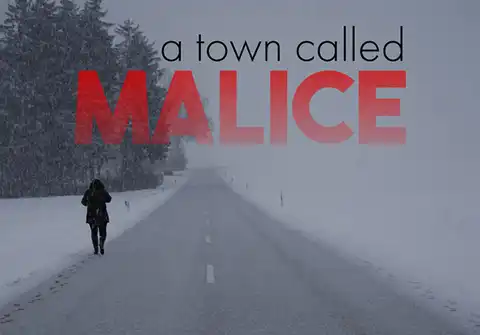
A GM-less Nordic horror story game about an isolated town, a discovered body, tangled relationships, and a darkness threatening the community's last chance to survive.
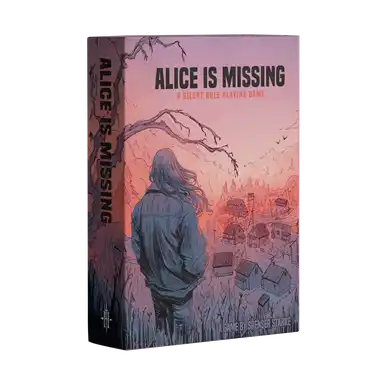
Alice Is Missing is Spenser Starke's silent mystery TTRPG about a missing high-school student, played entirely through text messages over a single emotionally intense session.
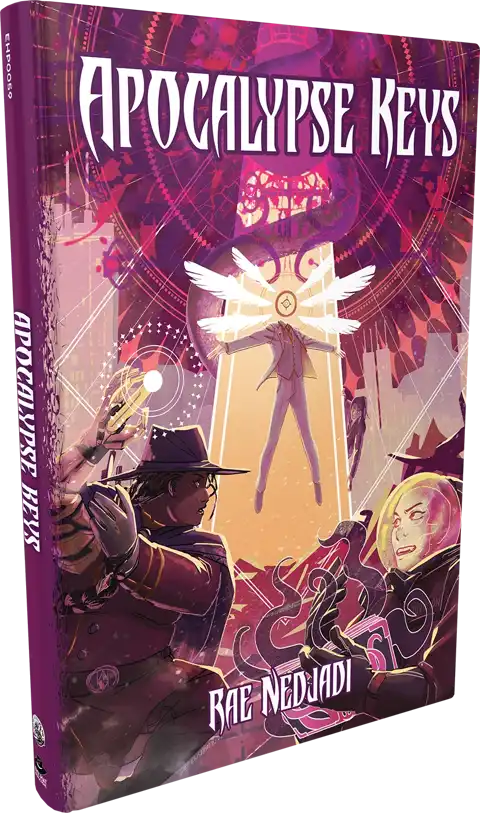
Apocalypse Keys is Rae Nedjadi's modern supernatural PbtA TTRPG about Omen-class monster agents working for DIVISION to solve mysteries, stop Harbingers, and hold back the apocalypse through bonds, power, and dangerous emotions.
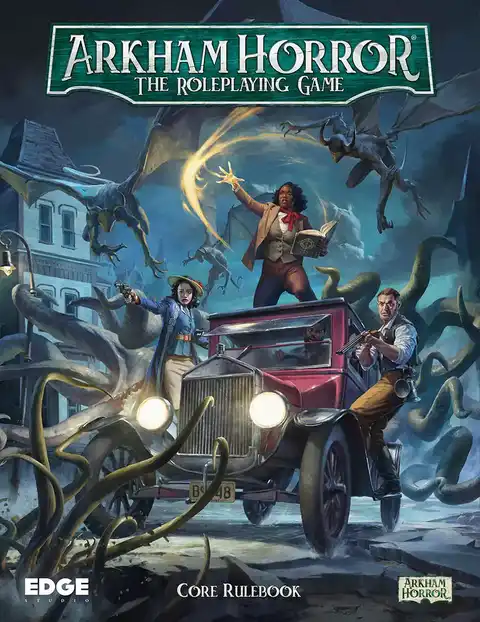
Arkham Horror immerses players in a Lovecraftian world of cosmic horror, as they take on the roles of investigators striving to prevent the awakening of ancient deities. This cooperative game combines strategic gameplay with an intricate narrative filled with mystery, madness, and supernatural encounters, requiring players to manage their resources and face challenging scenarios together. What sets Arkham Horror apart is its atmospheric blend of storytelling and suspense, where every decision can lead to triumph or doom in the ever-encroaching darkness.
Ashen Stars plunges players into a vibrant, galaxy-spanning universe as they assume the roles of elite agents battling crime and intrigue among the stars. Utilizing a versatile rules system inspired by the popular GUMSHOE mechanics, the game empowers players to solve mysteries and engage in thrilling spacefaring adventures while minimizing downtime. What sets Ashen Stars apart is its seamless blend of investigative storytelling and dynamic space combat, allowing players to weave personal narratives into a richly interactive cosmos filled with alien cultures and cosmic dangers.
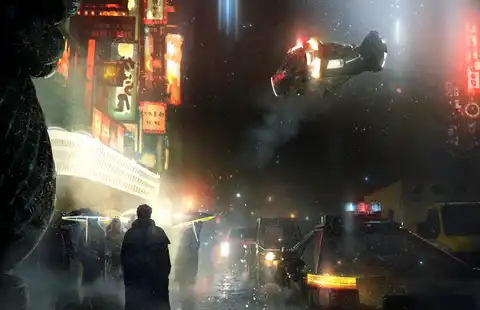
Blade Runner is Free League's official cyberpunk noir TTRPG: human or replicant investigators in 2037 Los Angeles solving cases under corporate pressure, moral ambiguity, and a Year Zero Engine built for evidence-led play.
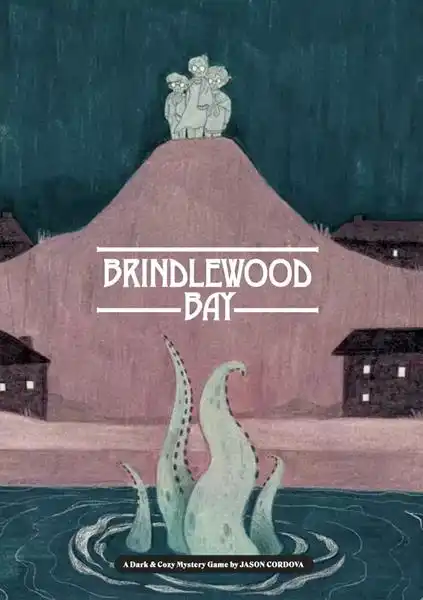
A cozy occult mystery TTRPG where elderly Murder Mavens solve cases in a New England town while a darker conspiracy emerges through table-built theories.
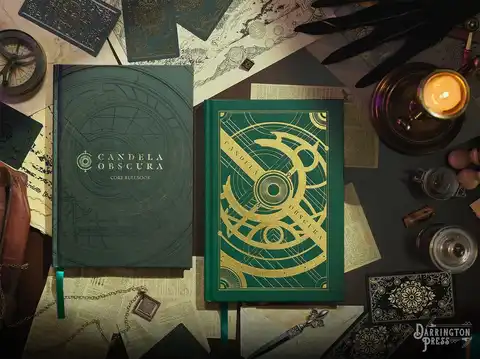
Candela Obscura is Darrington Press's gothic investigative-horror TTRPG about circles of investigators containing Bleed, uncovering occult conspiracies, and surviving the scars left by forbidden magick in the Fairelands.
An urban fantasy noir mystery TTRPG about ordinary people carrying mythic identities, solving supernatural cases, and balancing personal lives against legendary power.
Cloak and Dagger is a lightweight intrigue RPG built for secrets, reversals, and fast-moving capers with minimal overhead.
Browse Narrative-Driven if Investigation is close but you want a different table emphasis within the same broad browsing lane.
Browse Horror if you want a genre-first route into nearby games before deciding on mechanics.
Browse Dark if your real constraint is table setup, commitment, or player fit rather than the investigation label.
Browse Cosmic Horror if you want a genre-first route into nearby games before deciding on mechanics.