Top pick
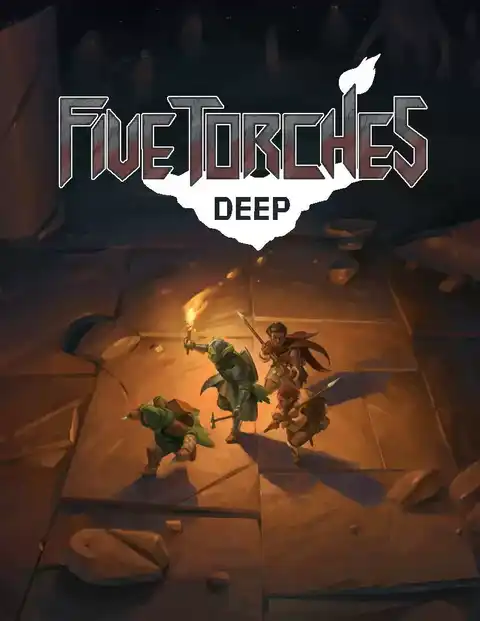
Five Torches Deep
Pick Five Torches Deep when your table wants 5e to feel more dangerous, resource-driven, and old-school while keeping enough familiar structure to make the switch easy.
5e-compatible TTRPGs keep the D&D 5e rules base, assumptions, or conversion path close enough that an existing 5e table can carry over its habits. Use this guide when you want a game that still feels legible to 5e players, not just a broader fantasy game with a twenty-sided die.
Start with the three strongest anchors currently in the directory. Five Torches Deep is the 5e-to-OSR bridge for dangerous dungeon play, Brancalonia uses the 5e base for low-magic spaghetti fantasy and capers, and Carbon 2185 moves familiar d20 expectations into cyberpunk jobs, augmentations, guns, and corporate pressure.
If your group is leaving 5e because it wants different math, different GM procedures, or old-school rulings rather than compatibility, the related d20 and OSR categories will be more useful. This list is for games where 5e familiarity is genuinely part of the pitch.
Quick starting points if you want the clearest expressions of what 5e-Compatible games do well.
Pick Five Torches Deep when your table wants 5e to feel more dangerous, resource-driven, and old-school while keeping enough familiar structure to make the switch easy.
Choose Brancalonia if your table wants 5e compatibility but a new cultural and tonal frame: lowborn trouble, Italian-inspired folklore, rough comedy, and comic danger.
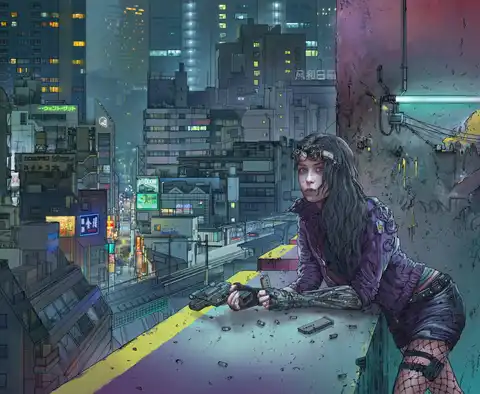
Use Carbon 2185 when players want to keep a 5e-like rules foundation but move the actual campaign into chrome, firearms, hacking, and corporate cyberpunk pressure.
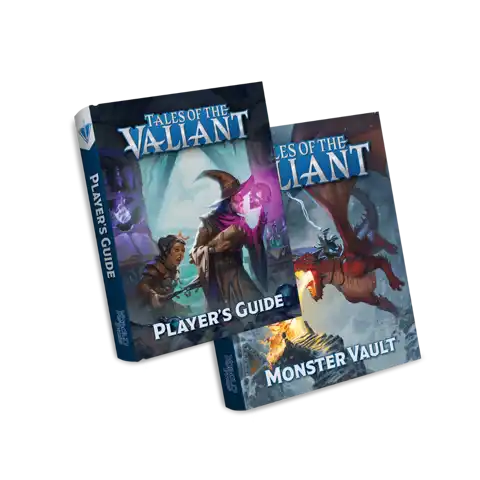
Best direct 5e alternative for groups that want familiar heroic fantasy, robust Kobold Press support, and a maintained core line without asking the table to relearn its basic d20 habits.
Brancalonia uses the 5e base for low-magic spaghetti fantasy, capers, brawls, folklore, and scrappy knaves. It is strongest when your group wants compatibility plus a campaign tone that feels meaningfully different.
Carbon 2185 is the genre swing: cyberpunk jobs, augmentations, guns, hacking, and corporate dystopia built on a d20 foundation 5e players can recognize.
Five Torches Deep is the clearest bridge from 5e to OSR play. It keeps familiar fantasy language but pushes light, supplies, exploration, and risk much closer to old-school dungeon pressure.
Tales of the Valiant is one of the clearest 5E-compatible picks because the whole Black Flag line is built for groups that want D&D-like fantasy habits, Kobold Press support, and a supported alternate core rather than a total system break.
Start by deciding what your table wants to keep from 5e. If the answer is familiar character builds and encounter rhythm, choose Five Torches Deep for a lighter dungeon crawl or Brancalonia for a distinctive fantasy campaign that still speaks 5e. If the table wants 5e-shaped procedures in a different genre, Carbon 2185 is the clearer fit.
If your group mainly wants a break from 5e assumptions, browse nearby d20 and OSR categories instead. Those games can be excellent recommendations for 5e players, but they solve a different problem than direct 5e compatibility.