Top pick
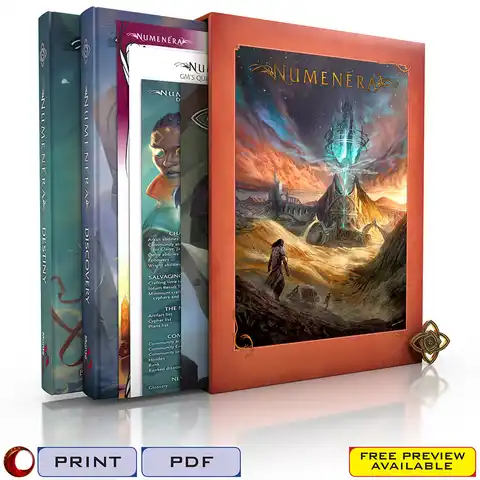
Numenera
Choose Numenera when far-future technology is experienced as wonder, danger, and treasure in a world that reads like fantasy.
Best Science-Fantasy TTRPGs collect games where science-fictional technology and overt fantasy, magic, or mythic forces are inseparable parts of the premise. The label is useful only when it predicts what the table repeatedly does, not when it describes a passing scene, optional supplement, or superficial aesthetic.
Science fantasy is more than soft science fiction: characters routinely engage both technological and supernatural assumptions as real parts of play. The reviewed launch set contains 14 current games, and membership is intentionally narrower than every title that could imitate the idea with enough facilitator work.
Compare how each game balances wonder with explanation, and whether its main loop is exploration, tactical combat, space adventure, or surreal discovery. Use the featured choices below as contrasting starting points, then compare rules weight, facilitator role, session length, campaign support, and content guidance on each game profile.
Quick starting points if you want the clearest expressions of what Science Fantasy games do well.
Choose Numenera when far-future technology is experienced as wonder, danger, and treasure in a world that reads like fantasy.
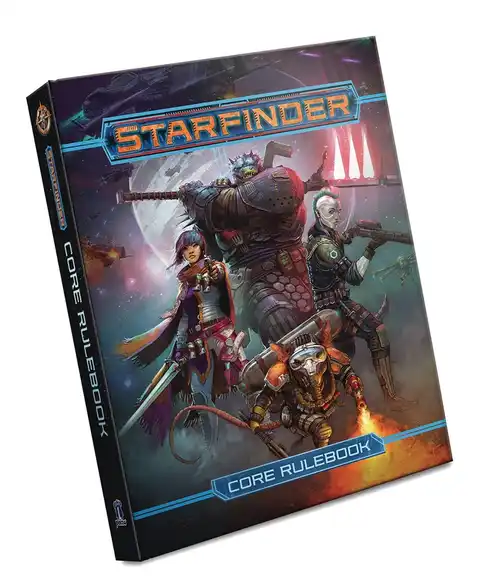
Choose Starfinder when magic, starships, ancestries, gear, and tactical d20 combat share one expansive spacefaring campaign frame.
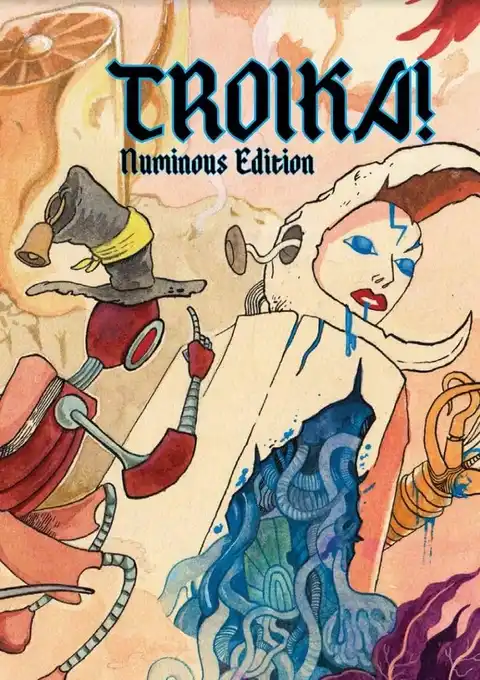
Choose Troika! when surreal backgrounds and intersphere travel make science, sorcery, and dream logic impossible to separate.
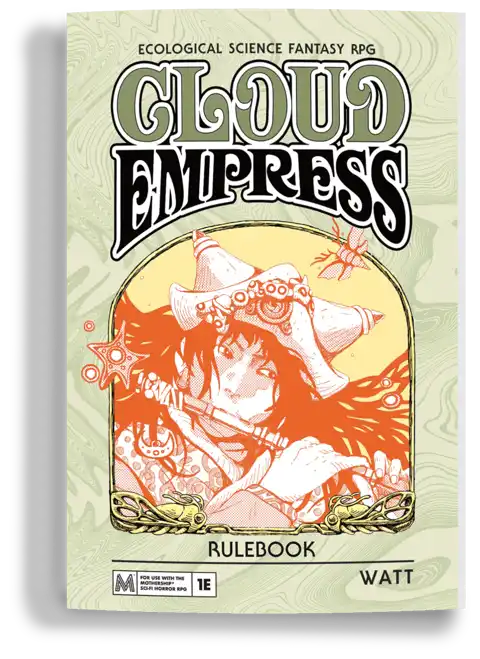
Choose Cloud Empress when ecological science fantasy uses strange technology, colossal creatures, and human communities to drive expeditions.
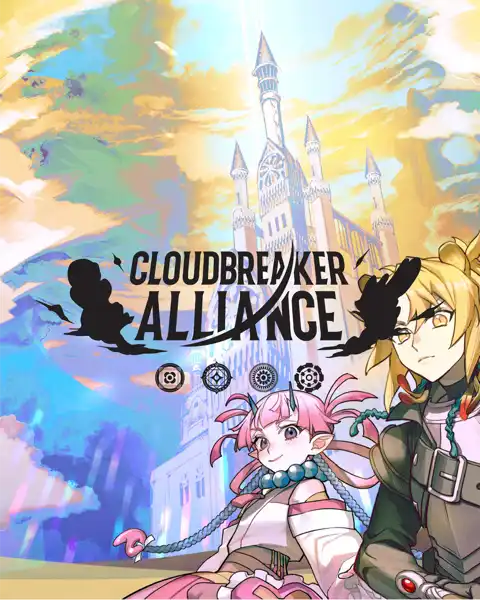
Cloudbreaker Alliance is CJ Leung's counter-apocalyptic 2d6 science-fantasy TTRPG about anime-inspired heroes exploring the Cloudbroken Lands, researching monsters, exposing Weak Points, and rebuilding connections between isolated communities.
Starfinder belongs in this category because magic, starships, ancestries, gear, and tactical d20 combat share one expansive spacefaring campaign frame.
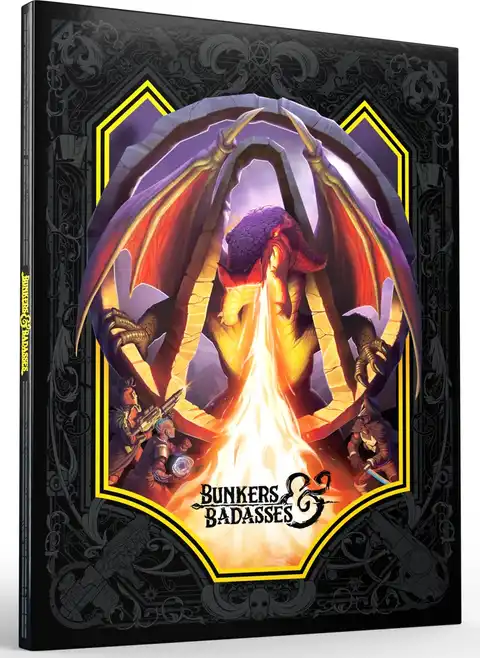
Bunkers & Badasses puts Borderlands guns, shields and robots in a fantasy world of wizards, skeletons and dragons, the way Tiny Tina's Assault on Dragon Keep did. Elemental shotguns and magic share every fight, so neither half can be pulled out.
Cloud Empress belongs in this category because ecological science fantasy uses strange technology, colossal creatures, and human communities to drive expeditions.
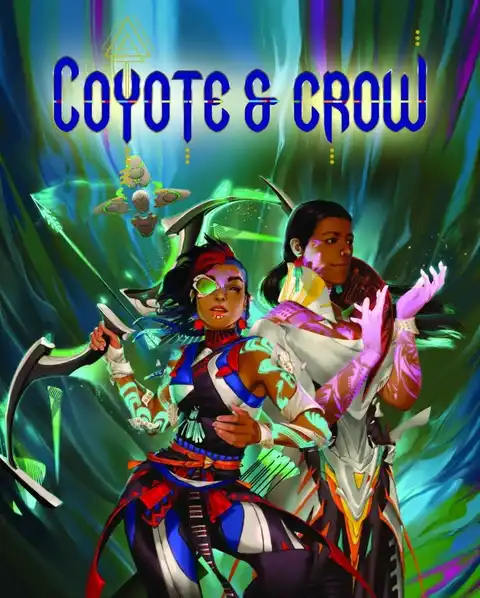
Coyote & Crow is an Indigenous-futurist science-fantasy TTRPG about community, responsibility, and adventure in an alternate future where European colonization of the Americas never happened.
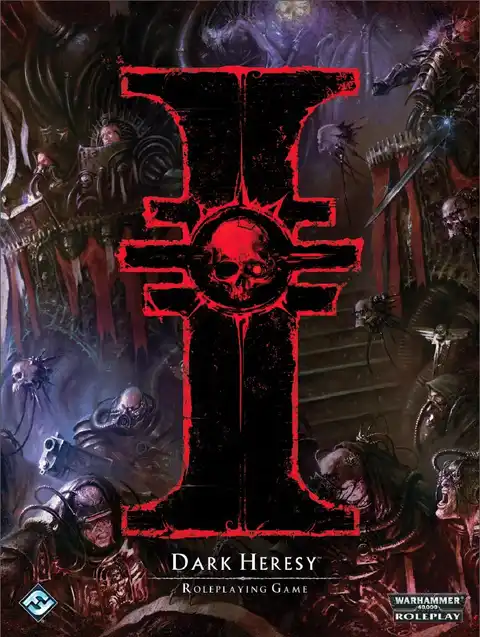
Dark Heresy is set in Warhammer 40,000's 41st millennium, where gothic cathedrals, lasguns, voidships, and warp sorcery sit in the same investigation. Faith, machine-spirits, and psychic power are as real as the hive cities the acolytes search.
Official copy mixes science fiction, fantasy, mechs, and the post-apocalypse on Evera Prime, including ghostly nanograms and leftover Old World wonders.
Gamma World mixes mutant powers, talking animals and intelligent plants with lasers and robots, so its post-apocalypse plays like science fantasy.

Lady Blackbird is a free steampunk space-opera TTRPG by John Harper built around pregenerated outlaws, Keys-driven drama, and fast dice-pool resolution. It excels at one-shots and short arcs where the group wants immediate momentum, romance, intrigue, and swashbuckling choices without heavy prep.
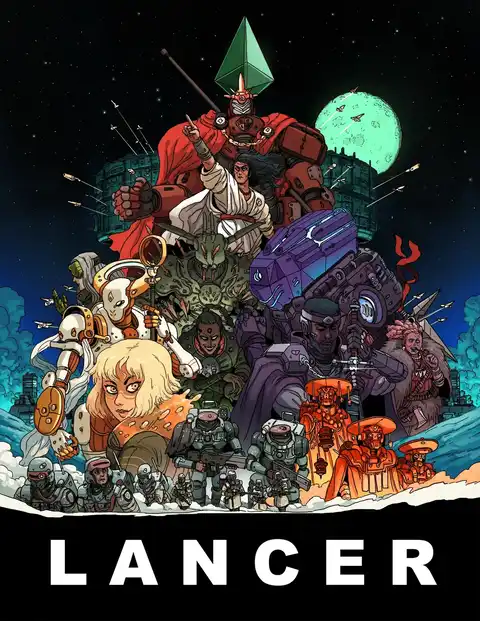
Lancer is a science-fiction mech TTRPG that pairs lighter pilot-side narrative play with dense, objective-driven mech combat, making it a standout pick for groups that want squad tactics, buildcraft, and political campaign stakes.
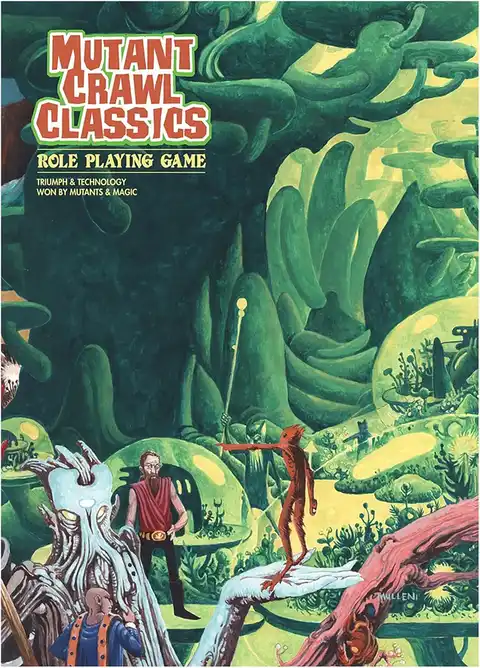
Mutant Crawl Classics is a post-apocalyptic, OSR-inspired game of deadly expeditions into ancient ruins. Class-based and swingy, it uses d20-style saves and character funnels to forge resilient survivors. Low prep and exploration-driven, it emphasizes scavenging, resource management, and hard choices in a lethal wasteland.
Numenera belongs in this category because far-future technology is experienced as wonder, danger, and treasure in a world that reads like fantasy.
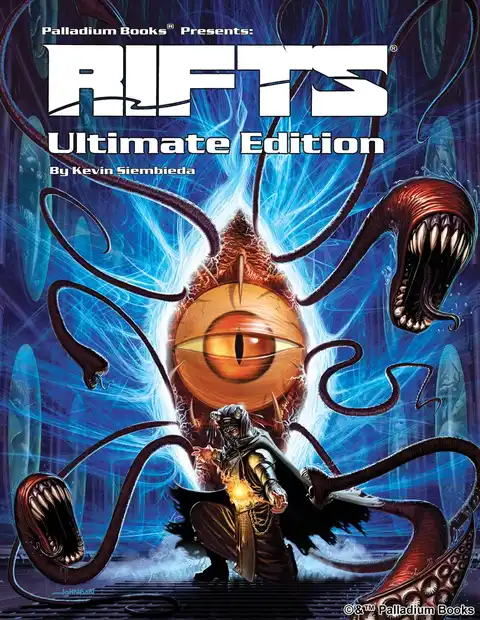
Rifts fits Science Fantasy because magic and super-technology sit side by side at every level: Ley Line Walkers and Techno-Wizards beside Glitter Boy power armor, cyborgs and laser rifles, with dragons, psychics and dimensional beings in the same party.
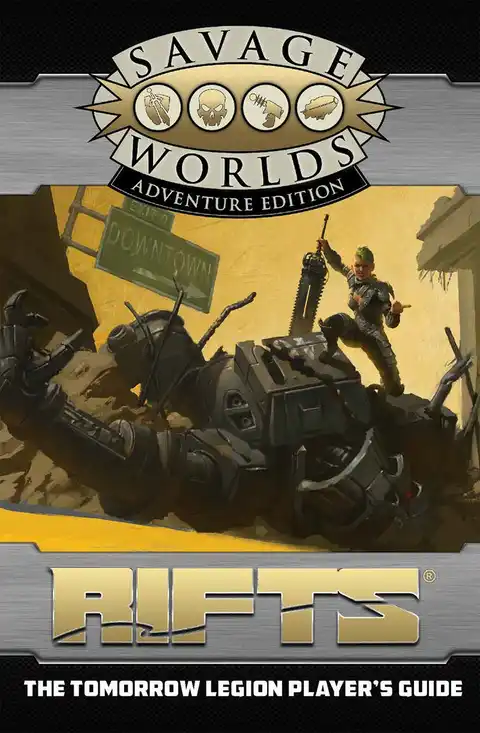
Rifts for Savage Worlds is kitchen-sink science fantasy: Glitter Boys in laser-proof power armor fight beside Ley Line Walkers, Mind Melters and dragons, Techno-Wizards run gear on magical energy, and lasers and spells share the same battlefield on Savage Worlds rules.
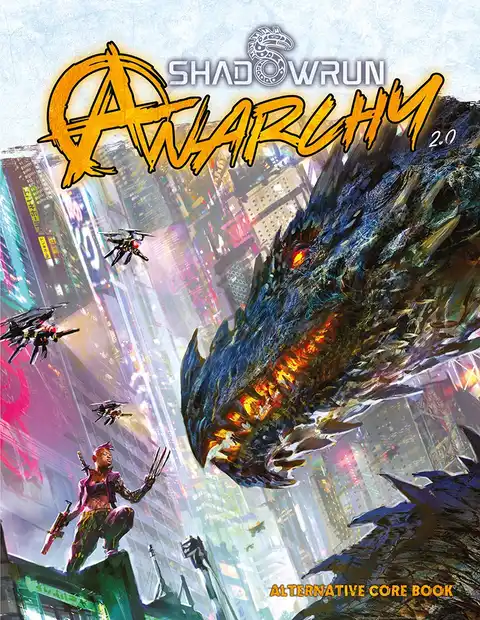
Cyberdecks, drones and cyberware sit beside mages, spirits and dragons; Anarchy 2.0 resolves spellcasting, hacking and rigging with the same risk-driven dice pool.
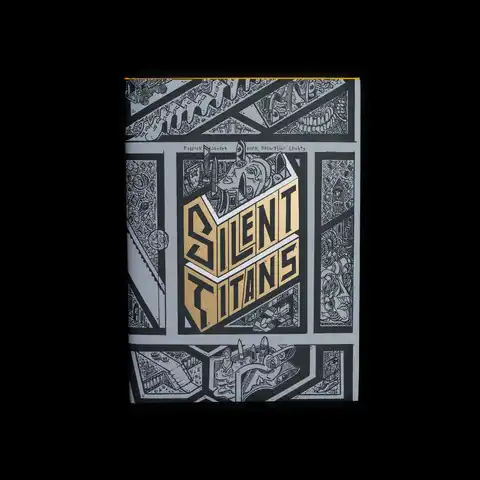
Silent Titans mixes a medieval frontier with drones, submachine guns and post-singularity dream-imagery, on a land built from sleeping Titans.
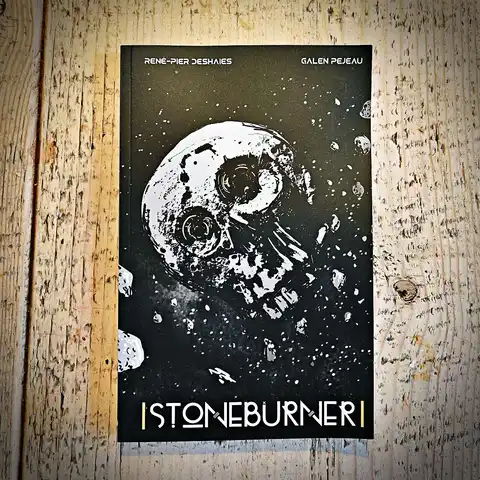
Stoneburner mixes hard sci-fi and fantasy: space dwarves mine asteroids haunted by fire-spitting demons from the underworld.

Tenra Bansho Zero fits Science Fantasy because its far-future colony world runs on both: Armour mecha, cybernetic Kijin and artificial Kugutsu share the battlefield with onmyouji talismans, enlightened monks and heart engines powered by Oni hearts.
Troika! belongs in this category because surreal backgrounds and intersphere travel make science, sorcery, and dream logic impossible to separate.
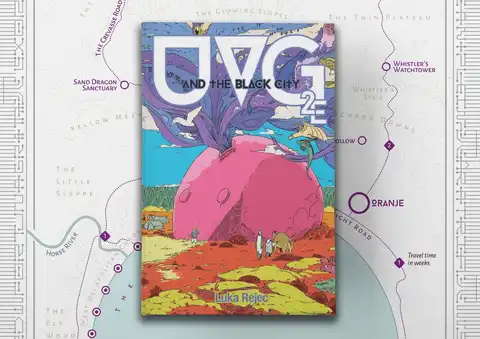
Ultraviolet Grasslands fits Science Fantasy because its caravan journey crosses a far-future landscape of ancient technology, strange magic and psychedelic ruins.

Vaults of Vaarn mixes sword fights and ancient spaceships, nanomachines and Mystic Gifts, in a Dying Earth-style world inspired by Dune and Moebius.
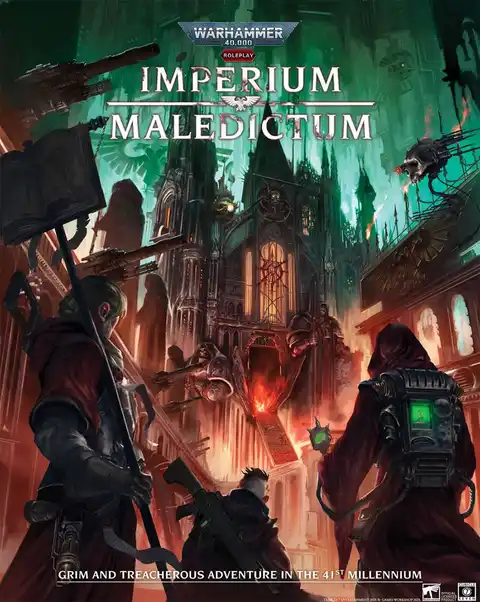
Imperium Maledictum is set in Warhammer 40,000's Macharian Sector, where lasguns, voidships, tech-priests, and warp-touched psykers sit alongside hive-city crime and Imperial bureaucracy. Play stays at street level, so the science fantasy comes through faith, machines, and corruption more than through starship battles.
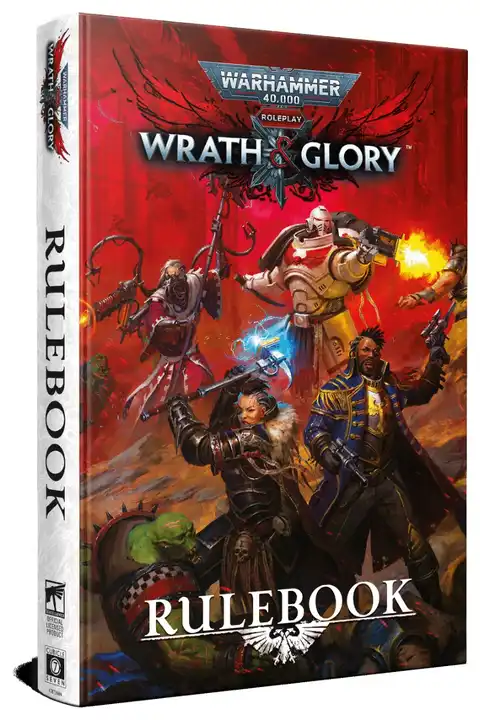
Wrath & Glory fuses starships and power armor with daemons, the Warp and psychic sorcery. Psykers gamble extra Wrath Dice against the Perils of the Warp and Corruption can mutate anyone, so magic and technology are inseparable in every mission.

Worlds Without Number's default setting is the Latter Earth, a worn far-future world of lost empires and the Legacy, and the rules are fully compatible with Stars Without Number.
Start with the table experience, not the label. These four picks show different ways the category can work.
Check the practical fit. A shared category does not guarantee the same learning curve, preparation load, group size, emotional intensity, or campaign length. Read the individual profiles before committing a group.