Top pick
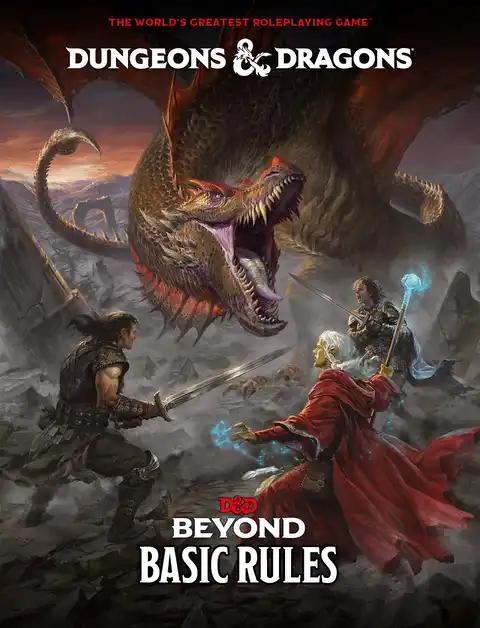
Dungeons & Dragons
Best all-purpose high-fantasy starting point for groups that want familiar heroic roles, abundant magic, escalating threats, and the hobby's largest library of campaign support.
High-fantasy TTRPGs make magic, myth, heroic stakes, wondrous places, and larger-than-life conflicts central. Start with Pathfinder 2e, 13th Age, Dungeons & Dragons, and Old-School Essentials as comparison points, then move down the list based on the kind of genre your group actually wants.
When comparing high-fantasy games, look at power scale, magic frequency, setting scope, tactical depth, character destiny, and whether the campaign feels heroic, mythic, or political. Those details matter more than the tag itself, because two games can share a category while asking completely different things from the GM and players.
Use the top picks as anchors rather than treating the page like a simple popularity ranking. The goal is to answer the practical table question: which game will produce the kind of first session, campaign rhythm, and player buy-in your group is likely to enjoy?
High fantasy can still vary from cozy heroism to epic war; agree on scale before choosing.
Quick starting points if you want the clearest expressions of what High Fantasy games do well.
Best all-purpose high-fantasy starting point for groups that want familiar heroic roles, abundant magic, escalating threats, and the hobby's largest library of campaign support.
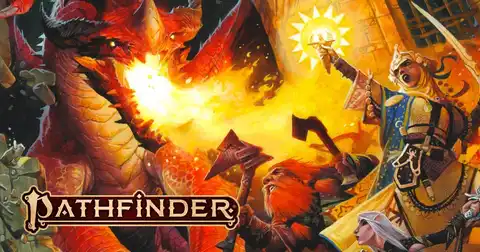
Best for groups that want high fantasy with deep character building, dependable encounter math, and tactical teamwork that remains meaningful as powers and stakes grow.
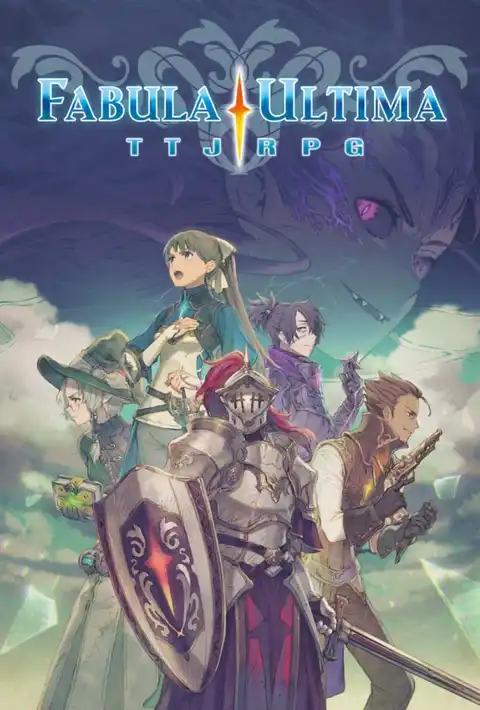
Best for tables that want colorful high fantasy, modular heroes, party bonds, and dramatic villains in a campaign that feels like an ensemble console RPG rather than a dungeon crawl.
Best for groups that want a fiction-first epic about a diverse fellowship resisting one great threat, with players sharing authority over the peoples and places they fight to save.
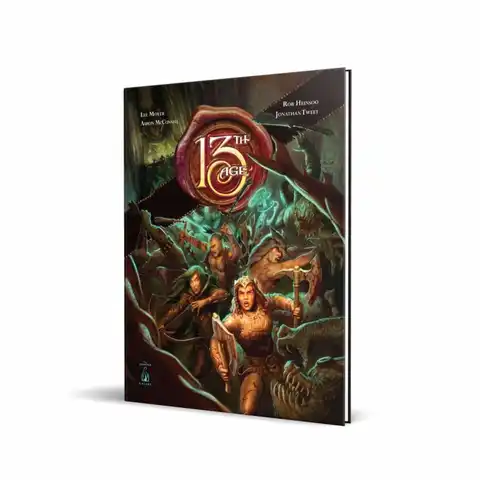
13th Age is a heroic-fantasy d20 TTRPG that keeps classes, levels, and satisfying fights, then adds Icons, One Unique Thing, and the Escalation Die to make campaigns move faster and feel more story-shaped.
Pathfinder 2e turns high fantasy into a precisely supported tactical game through magical ancestries, spell traditions, class feats, extraordinary equipment, and reliable rules for increasingly spectacular encounters.
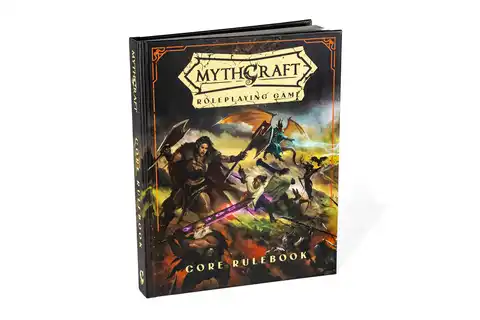
MythCraft fits High Fantasy because it centers heroic adventurers, many lineages, five sources of magic, class paths, big creature threats, and an expansive setting premise rather than low-magic survival.
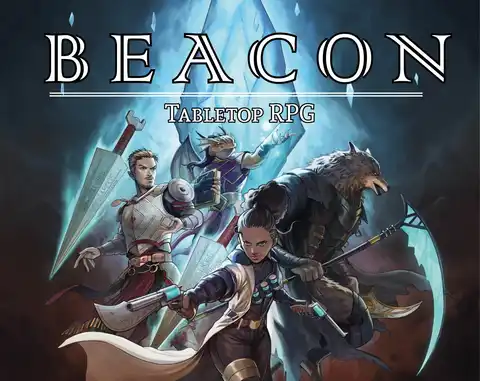
BEACON's Source, Reflections, crystals, magitech ruins, heroic Beacons, and recurring Scourge give it an overt high-fantasy frame, with tactical battles supporting sweeping quest arcs.
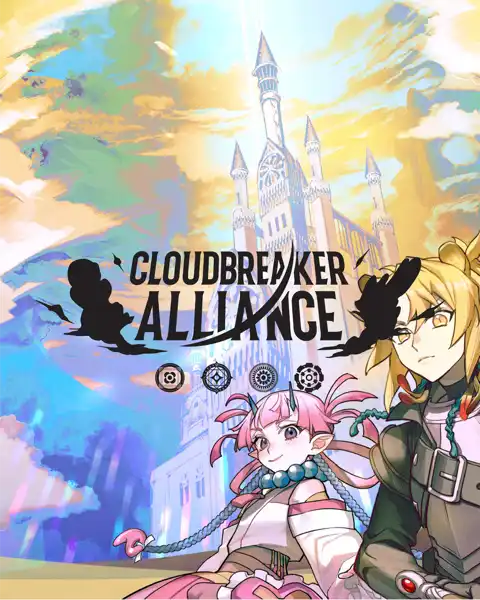
Cloudbreaker Alliance is a high-fantasy fit for groups that want bright anime-scale heroes, magic, impossible landscapes, ancient catastrophe, and world-changing stakes without defaulting to grim attrition.
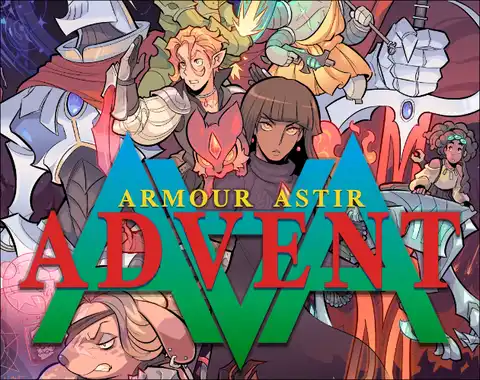
Armour Astir: Advent is a high-fantasy PbtA mecha TTRPG about rebel pilots, support crew, diplomats, spies, and magical Astirs fighting an oppressive authority.
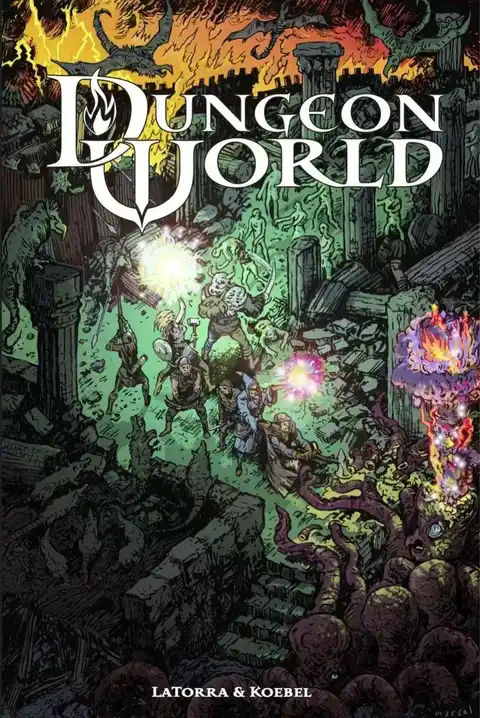
Dungeon World is a class-based fantasy adventure TTRPG that uses Powered by the Apocalypse moves, GM principles, and fail-forward consequences to turn familiar dungeon-crawl play into fiction-first momentum.
Dungeons & Dragons supplies the modern high-fantasy baseline: magic-rich worlds, heroic classes, legendary monsters, planar threats, powerful spells, and advancement from local adventurers to world-shaping figures.
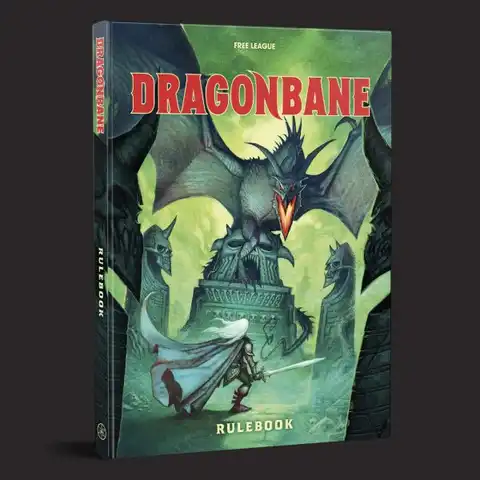
Dragonbane is Free League's fast fantasy TTRPG: roll-under d20 skills, brisk tactical combat, low-prep adventures, and a classic Misty Vale campaign frame with room for humor and real danger.
Fabula Ultima frames high fantasy as a collaborative JRPG world of wondrous locations, elemental powers, intertwined heroes, recurring villains, and crises that reveal what the party is willing to protect.
Epyllion is a Powered by the Apocalypse game about young dragons protecting their world, their friendships, and the magic that holds their age together.
Fellowship makes epic fantasy collaborative: each hero defines their people and culture while the group travels, builds bonds, gathers allies, and confronts an Overlord who threatens the shared world.
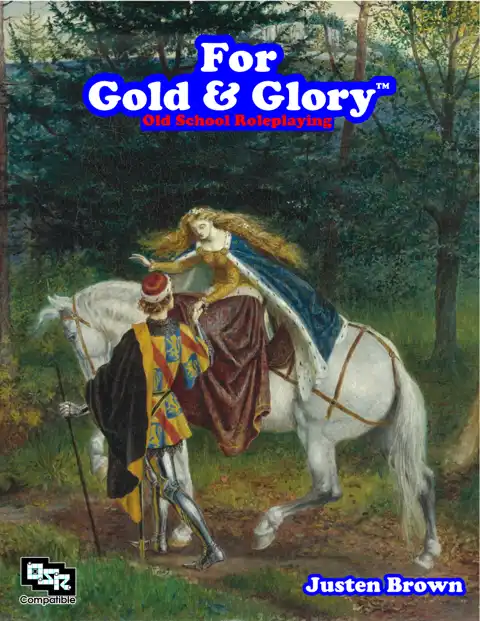
For Gold & Glory is a faithful retroclone of AD&D 2nd Edition, consolidating the Player's Handbook, DMG treasure sections, and Monster Manual into a single comprehensive tome. It preserves the classic THAC0 system, percentile skills, and race-class combinations while cleaning up ambiguities through decades of community playtesting. Perfect for those seeking authentic 2e nostalgia without tracking down vintage books.
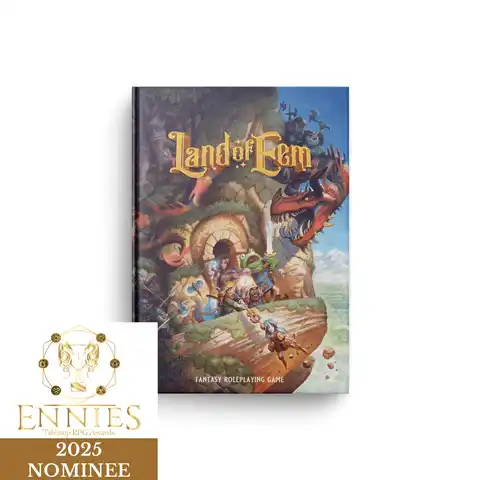
Land of Eem is Ben Costa and James Parks's lighthearted fantasy TTRPG of d12-driven exploration, creative problem-solving, crafting, parley, and colorful hex-crawl adventure in a strange post-collapse world.
Nobilis immerses players in a surreal world where they embody the embodiment of divine concepts, each wielding incredible power as an avatar of an aspect of reality. The game excels in its focus on personal narrative and moral dilemmas, encouraging players to navigate complex relationships and the implications of their decisions as they shape existence itself. With a unique blend of poetic storytelling and innovative mechanics that prioritize player agency, Nobilis invites exploration of the essence of existence and the weight of divinity.
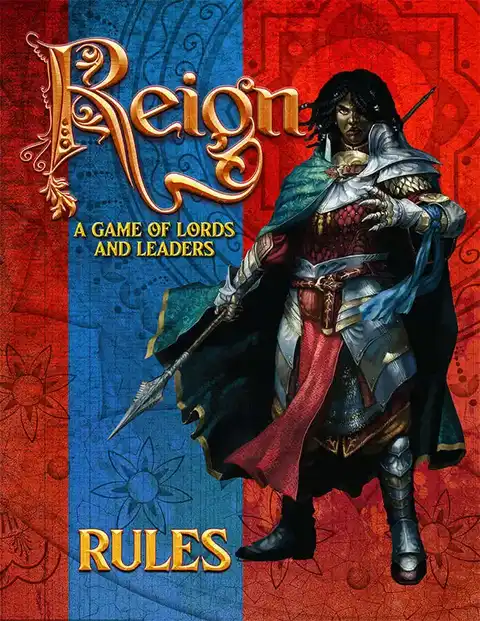
Reign is a classless political-fantasy TTRPG where missions at the character scale feed the fortunes of the house, cult, army, guild, or realm the party represents. Its One Roll Engine core and Company rules make leadership, leverage, and resource pressure part of actual play instead of background fiction.
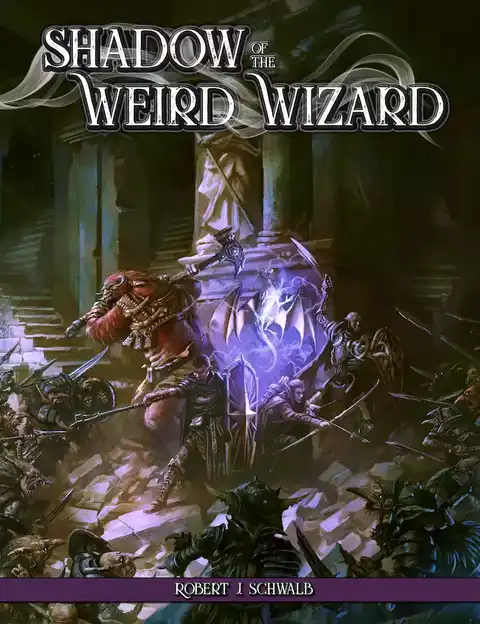
Heroic borderlands fantasy by Robert J. Schwalb and Schwalb Entertainment, using d20 rolls, boons and banes, and three-path character growth for quest-driven campaigns.
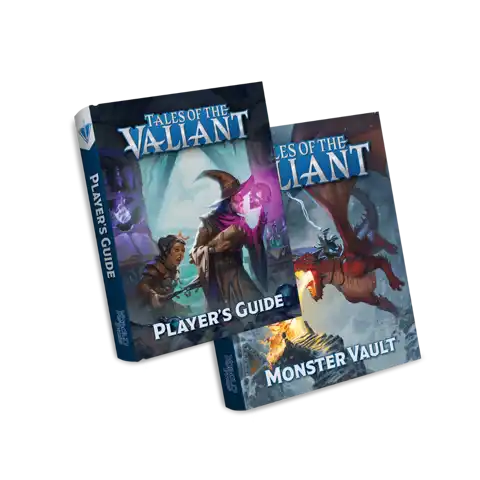
Tales of the Valiant is Kobold Press's Black Flag Roleplaying fantasy TTRPG: a streamlined, 5E-compatible two-book core built around heroic classes, lineages, talents, luck, Doom, and a large Monster Vault for campaign play.
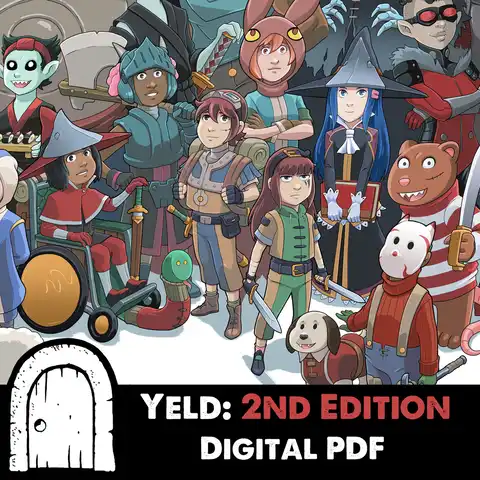
Yeld fits High Fantasy through its magical portal world, heroic Jobs, powerful monsters, world-spanning villains, special treasures, and mythic quest to reopen the door home.
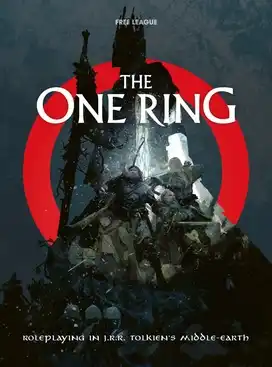
The One Ring (Second Edition) is Free League's official Tolkien fantasy TTRPG, built for low-magic journeys, Fellowship phases, Shadow pressure, and campaign play in Middle-earth between The Hobbit and The Lord of the Rings.
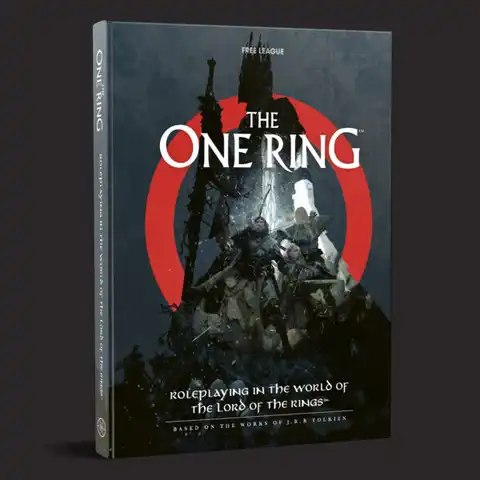
The One Ring is Free League's official Middle-earth TTRPG, built around journeys, councils, shadow, and costly hope rather than loot-first fantasy power escalation. It shines in campaign play where travel, sanctuary, and moral wear matter as much as combat.
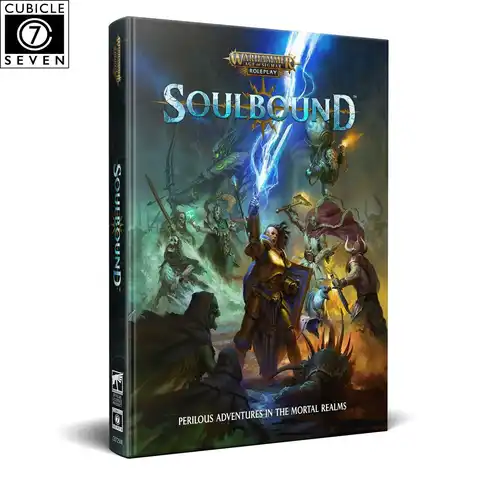
Warhammer Age of Sigmar: Soulbound is Cubicle 7's heroic fantasy RPG for the Mortal Realms, built around bonded champions taking on Chaos, Death, and Destruction with fast dice-pool action, shared Soulfire, rising Doom, and campaign-scale consequences.
Choose by the job at the table. For high-fantasy TTRPGs, compare power scale, magic frequency, setting scope, tactical depth, character destiny, and whether the campaign feels heroic, mythic, or political. If that sounds too abstract, ask what the game makes players decide in the first hour.
Use the top picks as contrasts. Pathfinder 2e and 13th Age are useful side-by-side because they show different ways this category can work. Dungeons & Dragons adds another angle, while Old-School Essentials helps test whether your table wants a different commitment level.
Match scope before rules. Some high-fantasy games are best as one-shots, some need a short arc, and some only reveal their strengths through campaign play. Decide that scope first, then choose the rules weight your group will actually tolerate.