Top pick
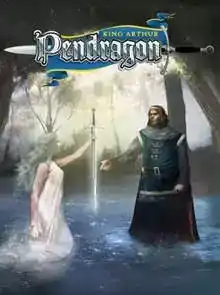
King Arthur Pendragon
Choose King Arthur Pendragon when Arthurian virtues, passions, family, and seasonal history make inherited legend the campaign structure.
Mythology and folklore TTRPGs work best when myth shapes what characters owe, fear, inherit, or defy. Start with Alas for the Awful Sea, Epyllion, Mythic, and Legend in the Mist as comparison points, then move down the list based on the kind of genre your group actually wants.
When comparing mythology and folklore games, look at which tradition the game draws from, whether gods and spirits are present forces, how fate or obligation functions, and how much historical specificity the table wants. Those details matter more than the tag itself, because two games can share a category while asking completely different things from the GM and players.
Use the top picks as anchors rather than treating the page like a simple popularity ranking. The goal is to answer the practical table question: which game will produce the kind of first session, campaign rhythm, and player buy-in your group is likely to enjoy?
A mythic skin over generic fantasy is rarely enough; look for procedures that make legend, taboo, ritual, or lineage matter.
Quick starting points if you want the clearest expressions of what Mythology and Folklore games do well.
Choose King Arthur Pendragon when Arthurian virtues, passions, family, and seasonal history make inherited legend the campaign structure.
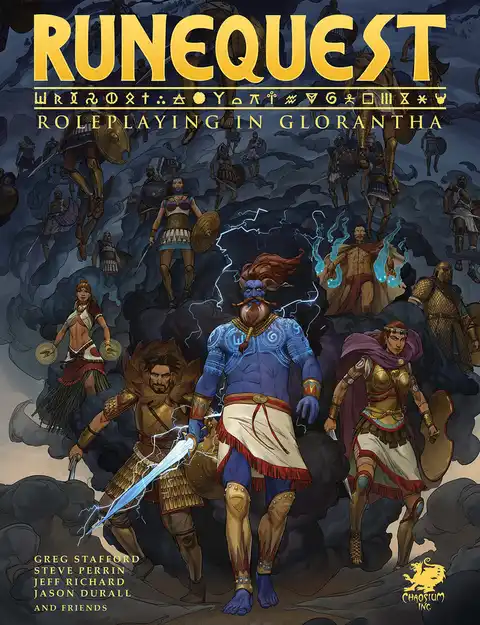
Choose RuneQuest: Roleplaying in Glorantha when cults, runes, gods, ritual, and community embed myth directly in characters and play.
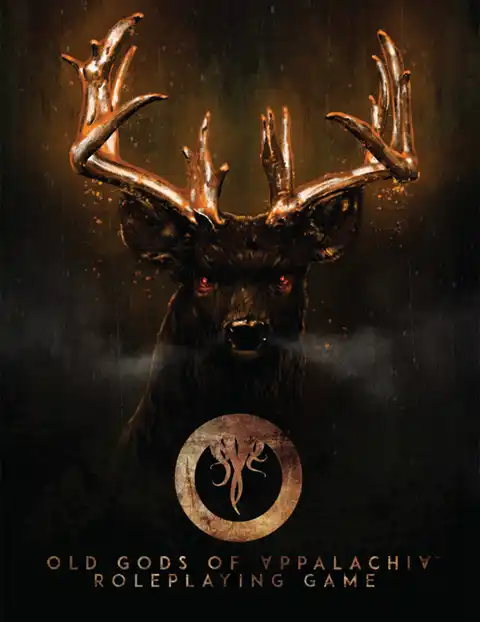
Choose Old Gods of Appalachia Roleplaying Game when regional folklore and old powers shape families, towns, institutions, and supernatural danger.

Choose Legend of the Five Rings when clan duties, spirits, honor, and a specific mythic setting repeatedly constrain character choices.
Choose by the job at the table. For mythology and folklore TTRPGs, compare which tradition the game draws from, whether gods and spirits are present forces, how fate or obligation functions, and how much historical specificity the table wants. If that sounds too abstract, ask what the game makes players decide in the first hour.
Use the top picks as contrasts. Alas for the Awful Sea and Epyllion are useful side-by-side because they show different ways this category can work. Mythic adds another angle, while Legend in the Mist helps test whether your table wants a different commitment level.
Match scope before rules. Some mythology and folklore games are best as one-shots, some need a short arc, and some only reveal their strengths through campaign play. Decide that scope first, then choose the rules weight your group will actually tolerate.
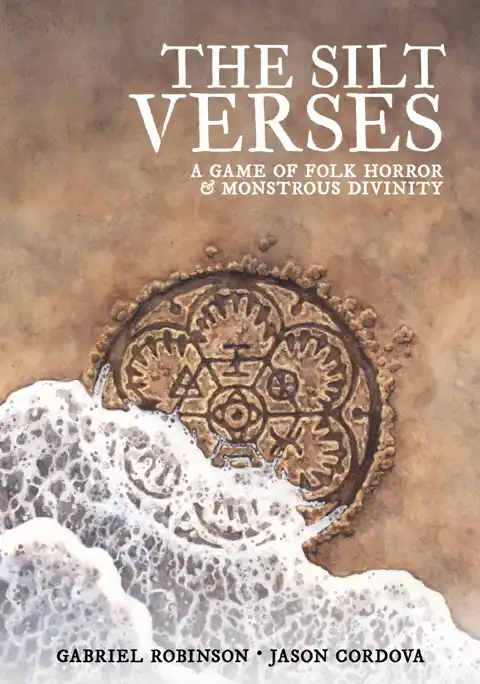
The Silt Verses fits Mythology and Folklore because gods are not distant lore; they are local, hungry, embodied forces tied to worship, community need, and transformation. The game uses invented folk religion to drive practical choices at the table.
RuneQuest: Roleplaying in Glorantha belongs here because cults, runes, gods, ritual, and community embed myth directly in characters and play.
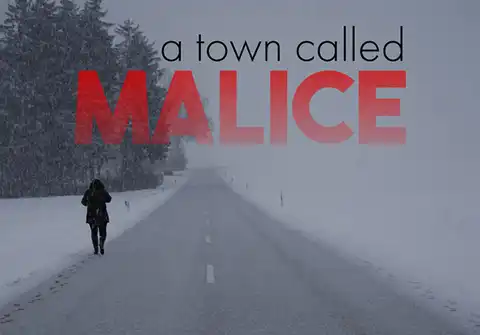
A Town Called Malice belongs in Mythology at the folklore edge: its Nordic-noir horror leans on local darkness, isolated-place dread, and mythic community pressure rather than a bestiary of named gods or monsters.
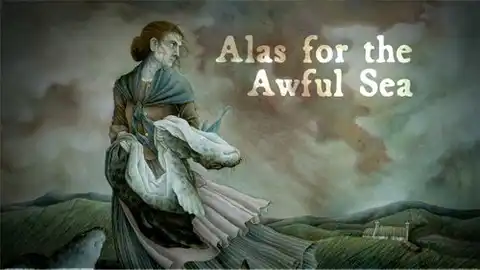
Use Alas for the Awful Sea when your table wants mythology and folklore play to shape real choices. It is most worth comparing for which tradition the game draws from, whether gods and spirits are present forces, how fate or obligation functions, and how much historical specificity the table wants. Alas for the Awful Sea is a melancholy Powered by the...

Use Epyllion when your table wants mythology and folklore play to shape real choices. It is most worth comparing for which tradition the game draws from, whether gods and spirits are present forces, how fate or obligation functions, and how much historical specificity the table wants. Epyllion is a Powered by the Apocalypse game about young dragons...
King Arthur Pendragon belongs here because Arthurian virtues, passions, family, and seasonal history make inherited legend the campaign structure.
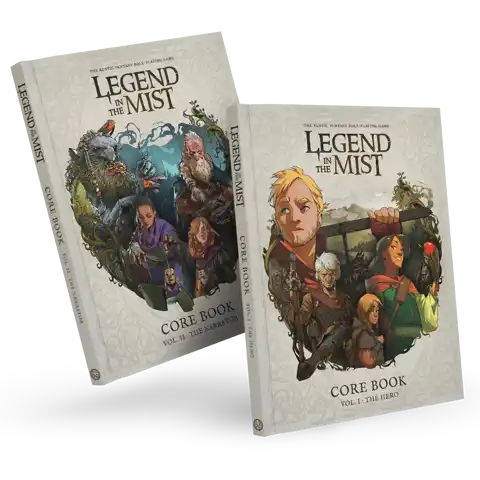
Legend in the Mist belongs in mythology and folklore because local legends, Creatures of Twilight, folk magic, taboos, and village traditions are the logic that adventures grow from.
Legend of the Five Rings belongs here because clan duties, spirits, honor, and a specific mythic setting repeatedly constrain character choices.
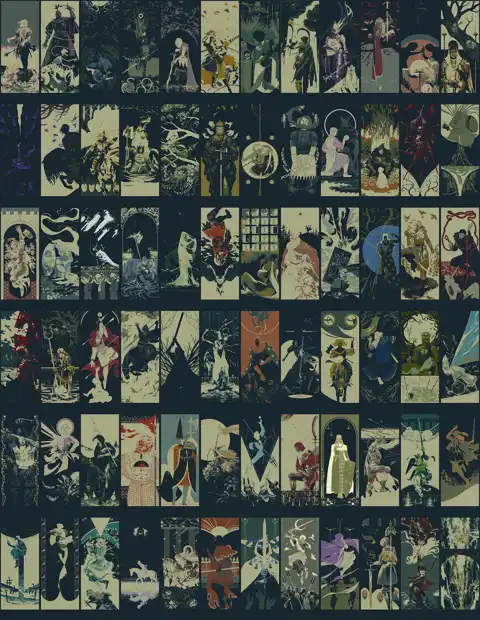
Mythic Bastionland fits mythology because living Myths, Arthurian legend, and British folklore actively shape what the knights hunt, fear, and become.
Old Gods of Appalachia Roleplaying Game belongs here because regional folklore and old powers shape families, towns, institutions, and supernatural danger.
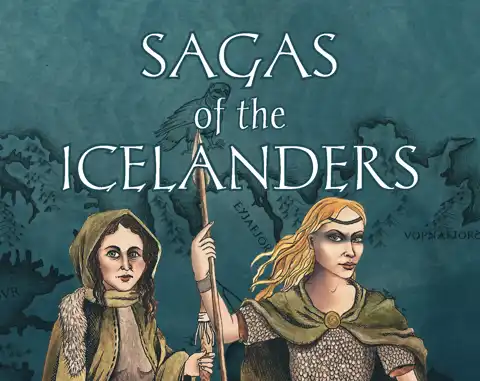
Use Sagas of the Icelanders when your table wants mythology and folklore play to shape real choices. It is most worth comparing for which tradition the game draws from, whether gods and spirits are present forces, how fate or obligation functions, and how much historical specificity the table wants. Sagas of the Icelanders is a historical PbtA game about...
Browse Fantasy if Mythology and Folklore is close but you want a different table emphasis within the same broad browsing lane.
Browse Historical if Mythology and Folklore is close but you want a different table emphasis within the same broad browsing lane.
Browse Narrative-Driven if you want to compare the underlying play procedure behind this mythology and folklore selection.
Browse Powered by the Apocalypse (PbtA) if rules lineage or compatibility matters more than the mythology and folklore label.