Top pick
Call of Cthulhu
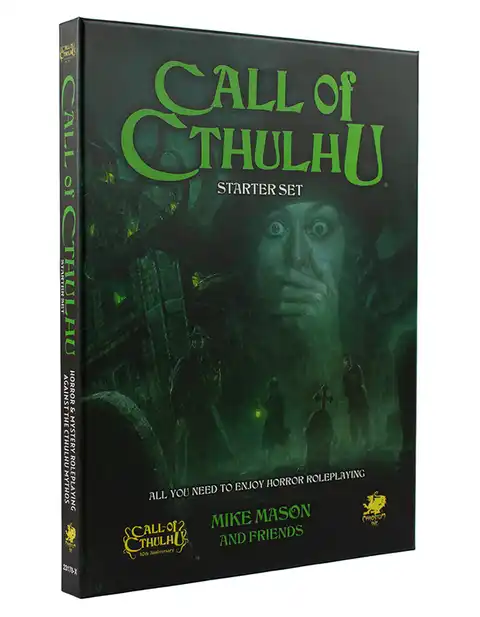
Best for skill-driven investigation where ordinary expertise, clue work, and risky pushed rolls matter more than classes or combat power, and learning the truth carries a lasting cost.
Skill-based TTRPGs put character competence into flexible abilities instead of fixed classes. Start with Call of Cthulhu, Cosmere RPG, Cyberpunk 2020, and Traveller as comparison points, then move down the list based on the kind of mechanical focus your group actually wants.
When comparing skill-based games, look at how broad skills are, how advancement works, whether specialists overshadow generalists, and whether the rules reward planning, investigation, or improvisation. Those details matter more than the tag itself, because two games can share a category while asking completely different things from the GM and players.
Use the top picks as anchors rather than treating the page like a simple popularity ranking. The goal is to answer the practical table question: which game will produce the kind of first session, campaign rhythm, and player buy-in your group is likely to enjoy?
Make sure players like building from capabilities and situations rather than picking a class fantasy first.
Quick starting points if you want the clearest expressions of what Skill-Based games do well.
Best for skill-driven investigation where ordinary expertise, clue work, and risky pushed rolls matter more than classes or combat power, and learning the truth carries a lasting cost.
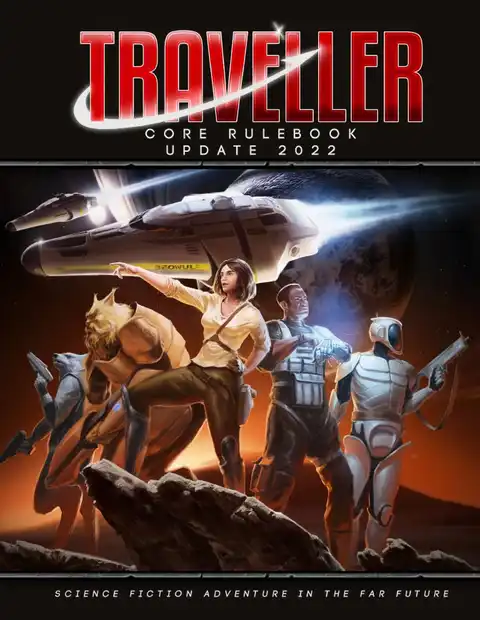
Best for grounded science-fiction campaigns where characters arrive with histories and practical specialties, then solve open-ended problems through crew expertise rather than escalating class powers.
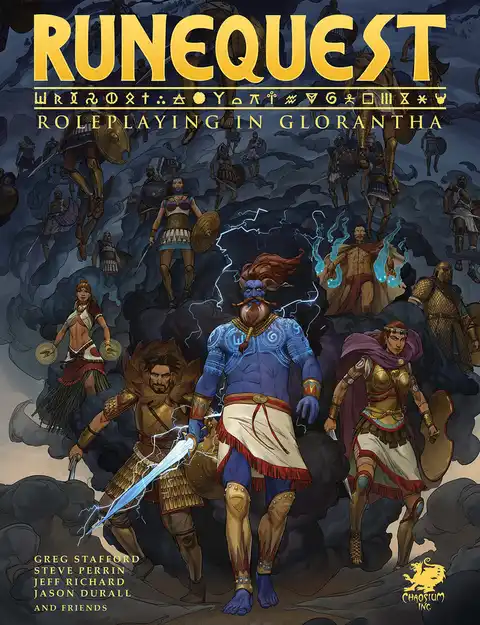
Best mythic-fantasy skill system for groups that want dangerous combat, broad percentile competence, and advancement shaped by use, cult obligations, kinship, and the gods of Glorantha.
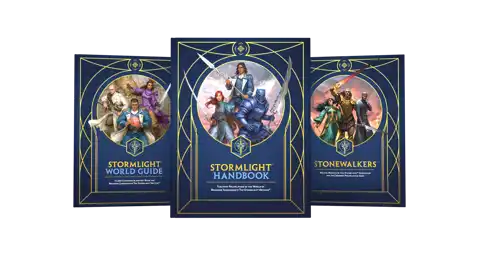
Cosmere RPG is Brotherwise and Dragonsteel's heroic fantasy TTRPG for Brandon Sanderson's shared universe, built on a d20 chassis with talent-tree advancement, skill-based Invested Arts, and Plot Die twists. The current line centers on Stormlight's Roshar, with Mistborn books expanding the same framework in Fall 2026.
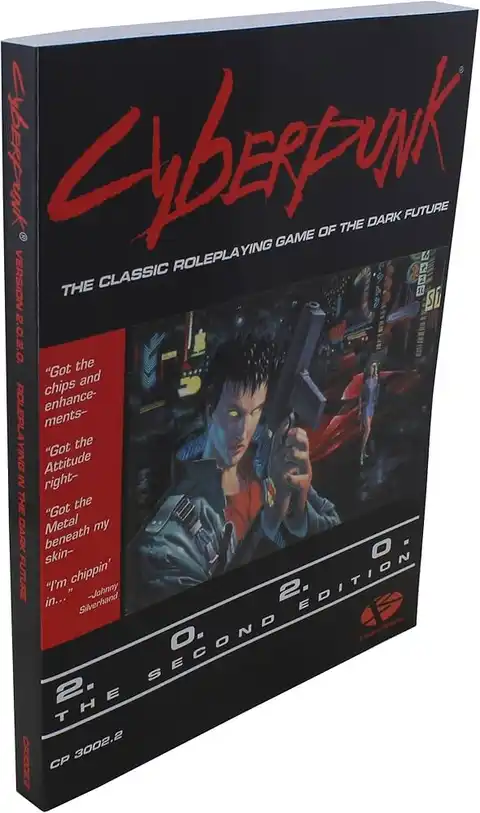
Cyberpunk 2020 is Mike Pondsmith and R. Talsorian Games' classic Night City TTRPG: lethal Interlock combat, Lifepath-driven characters, cyberware, netrunning, and street-level jobs under corporate power.
Traveller builds competence through lifepath careers, training, contacts, and a broad 2d6 skill list, so a crew's accumulated expertise determines how it handles travel, trade, technology, diplomacy, and danger.
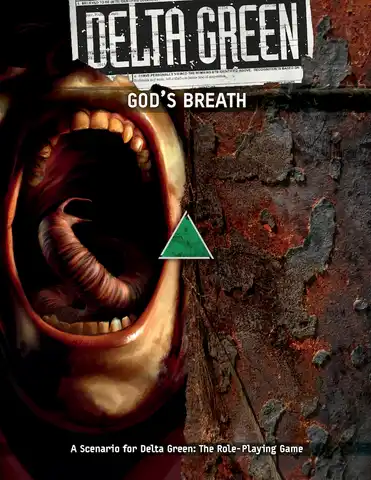
Delta Green is modern conspiracy horror about agents investigating the unnatural, burying the evidence, and watching the mission damage their sanity, relationships, and careers.
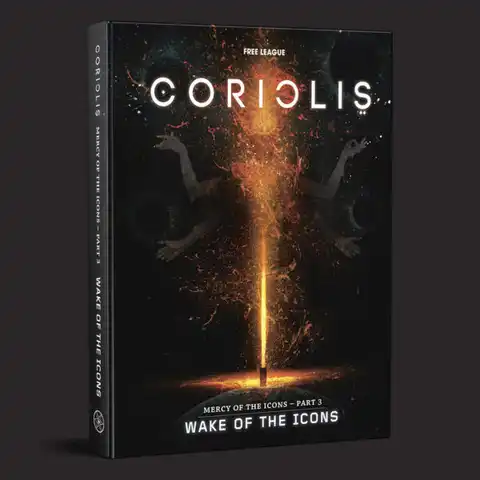
Coriolis is a crew-based science-fiction TTRPG about ship travel, faction politics, faith, old ruins, and cosmic mystery in the Third Horizon, using the Year Zero Engine for medium-crunch campaigns with real consequences.
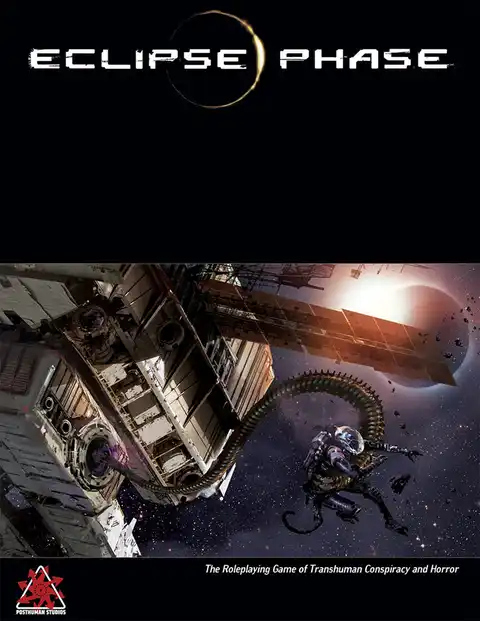
Eclipse Phase is a dense transhuman science-fiction TTRPG about Firewall missions, resleeving, politics, and existential horror, best for groups that want ideas and consequences to matter as much as action.
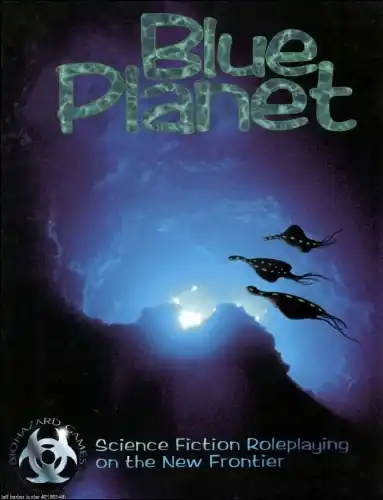
Blue Planet: Recontact is a hard-science-fiction TTRPG about life and conflict on Poseidon, an ocean colony where ecology, extraction, and alien mystery all push back on human ambition.
Call of Cthulhu defines investigators through percentile skills tied to occupations and personal history, then makes research, interviews, observation, and pushed rolls the practical tools for confronting mysteries that combat cannot safely solve.
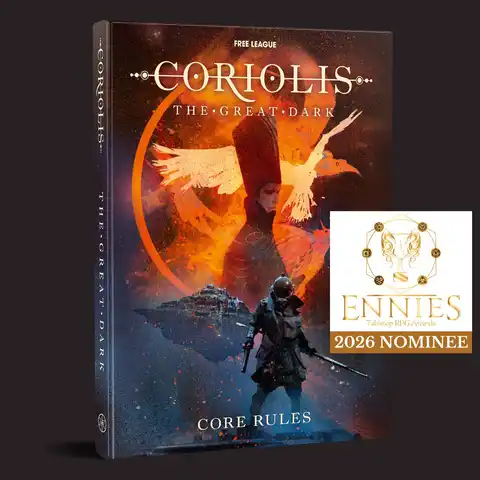
Coriolis: The Great Dark uses Free League's skill-and-die-pool structure rather than class trees, so character capability shows up through what Explorers can do under pressure.
Crown & Skull is Runehammer's no-stats, no-HP fantasy TTRPG, built around point-buy characters, player-facing d20 rolls, skill-and-gear attrition, and emergent exploration in the North Holds.
WARDEN fits Skill-based play because one of its core paths is Skill and because character competence is built from proficiencies, abilities, feats, and gear rather than ability-score math.
MythCraft belongs in Skill-based because backgrounds, occupations, professions, ranks, subskills, and attribute-plus-skill d20 tests give non-combat competence visible mechanical weight.
BEACON's narrative side uses player-authored background skills and titles, making character expertise broad and descriptive outside combat.
Dragonbane is Free League's fast fantasy TTRPG: roll-under d20 skills, brisk tactical combat, low-prep adventures, and a classic Misty Vale campaign frame with room for humor and real danger.
RuneQuest represents adventurers through percentile skills, passions, runes, cult ties, and experience checks, grounding practical competence and magical growth in a specific community and mythic world.

Neon City Overdrive is a fast cyberpunk action game with a simple player-facing d6 pool, built for jobs, desperation, and stylish near-future trouble without a giant rulebook.
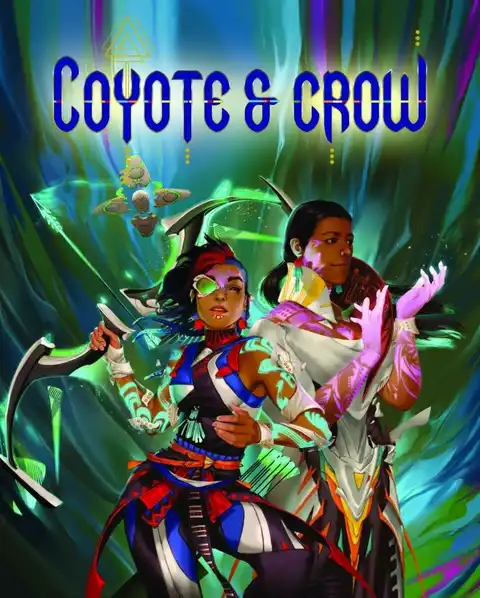
Coyote & Crow is an Indigenous-futurist science-fantasy TTRPG about community, responsibility, and adventure in an alternate future where European colonization of the Americas never happened.
Cyberpunk RED is the current 2045 edition of Mike Pondsmith's Dark Future TTRPG: role-differentiated edgerunner crews, real-time Netrunning, lethal firefights, and campaign pressure built from money, reputation, and survival.
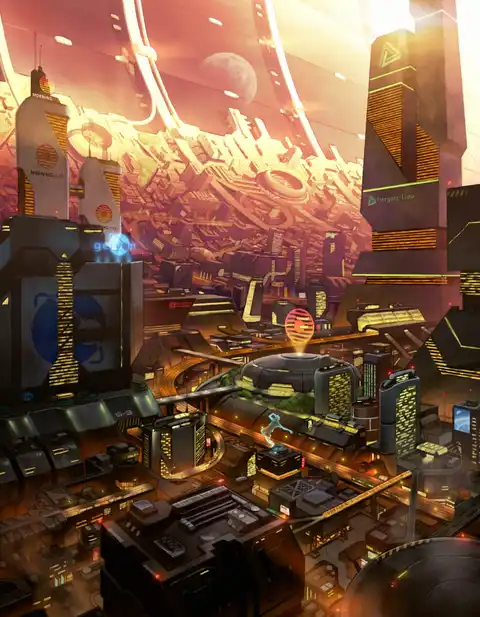
A retrofuture cyberpunk TTRPG about ordinary residents of an orbital colony pushing back against corporate power through community, stealth, hacking, and hard choices about debt and survival.
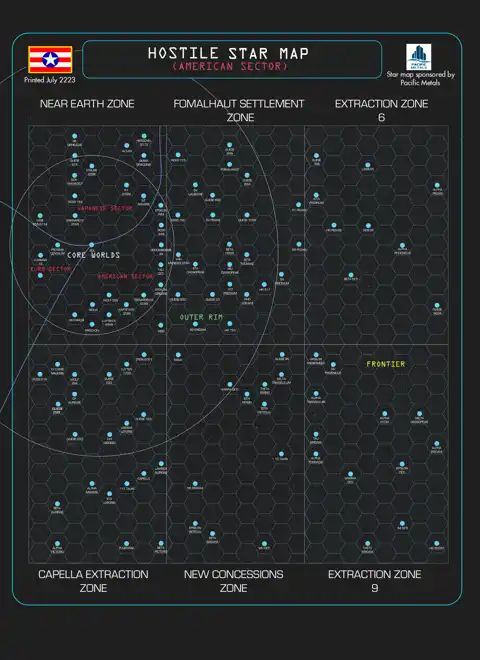
HOSTILE is a blue-collar science-fiction horror TTRPG about crews working dangerous jobs on a corporate frontier. Using a Cepheus-based 2d6 chassis, it is strongest for linked missions and longer campaigns where hazards, scarcity, and pressure from employers matter as much as firefights.
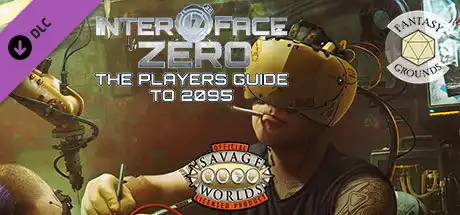
Interface Zero 3.0 is David Jarvis and Gun Metal Games' SWADE cyberpunk toolkit for 2095: classless skill-based operators, revised hacking, heavy augmentation choices, and enough city-scale scaffolding to power long campaigns if your group is willing to curate subsystems.
King Arthur Pendragon is a focused Arthurian campaign RPG about knightly ideals, family legacy, seasonal consequences, and the way Traits and Passions turn personal virtue and failure into core mechanics.
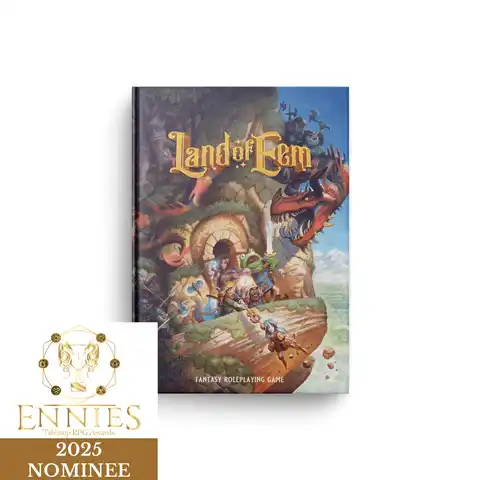
Land of Eem is Ben Costa and James Parks's lighthearted fantasy TTRPG of d12-driven exploration, creative problem-solving, crafting, parley, and colorful hex-crawl adventure in a strange post-collapse world.
Choose by the job at the table. For skill-based TTRPGs, compare how broad skills are, how advancement works, whether specialists overshadow generalists, and whether the rules reward planning, investigation, or improvisation. If that sounds too abstract, ask what the game makes players decide in the first hour.
Use the top picks as contrasts. Call of Cthulhu and Traveller are useful side-by-side because they show different ways this category can work. Cosmere RPG adds another angle, while Cyberpunk 2020 helps test whether your table wants a different commitment level.
Match scope before rules. Some skill-based games are best as one-shots, some need a short arc, and some only reveal their strengths through campaign play. Decide that scope first, then choose the rules weight your group will actually tolerate.