Top pick
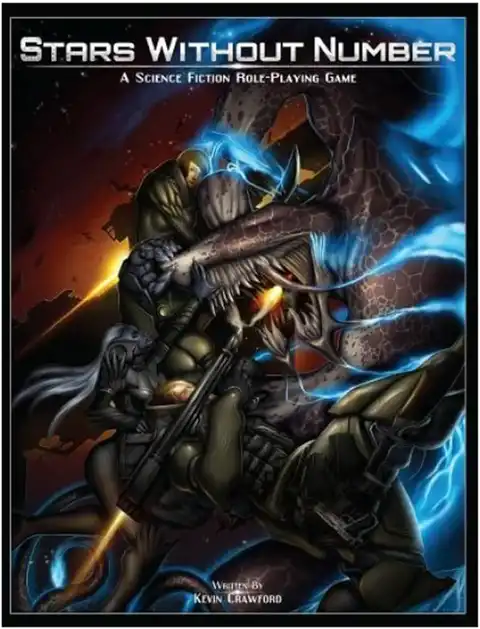
Stars Without Number
Best all-purpose science-fiction sandbox for groups that want player-chosen jobs and travel, plus strong sector, world, and faction tools that help the referee keep consequences moving.
Sandbox TTRPGs give players room to choose goals, routes, allies, enemies, and consequences instead of following a fixed plot. Start with Mutant Crawl Classics, Old-School Essentials, Twilight: 2000, and Worlds Without Number as comparison points, then move down the list based on the kind of mechanical focus your group actually wants.
When comparing sandbox games, look at GM tools for locations and factions, player-facing goals, travel procedures, rumor flow, and how the world changes without the characters. Those details matter more than the tag itself, because two games can share a category while asking completely different things from the GM and players.
Use the top picks as anchors rather than treating the page like a simple popularity ranking. The goal is to answer the practical table question: which game will produce the kind of first session, campaign rhythm, and player buy-in your group is likely to enjoy?
A sandbox needs more structure than a blank map. Look for procedures that keep choices legible.
Quick starting points if you want the clearest expressions of what Sandbox games do well.
Best all-purpose science-fiction sandbox for groups that want player-chosen jobs and travel, plus strong sector, world, and faction tools that help the referee keep consequences moving.
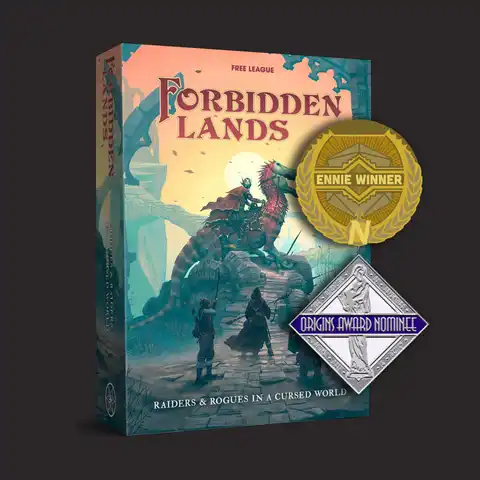
Best for dark-fantasy hexcrawling where the group follows rumors, manages travel risk, explores in any direction, and eventually turns survival into a persistent stronghold.
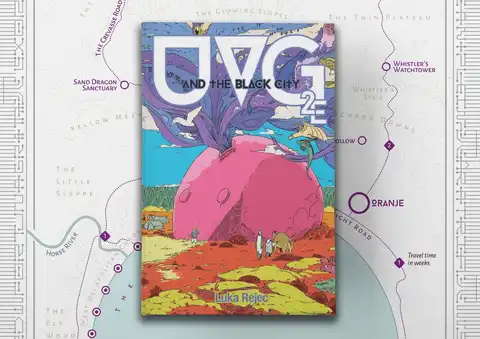
Best for groups that want a visually strange, rules-light caravan sandbox where route choice, trade, resource pressure, and discovery matter more than clearing a conventional hex map.
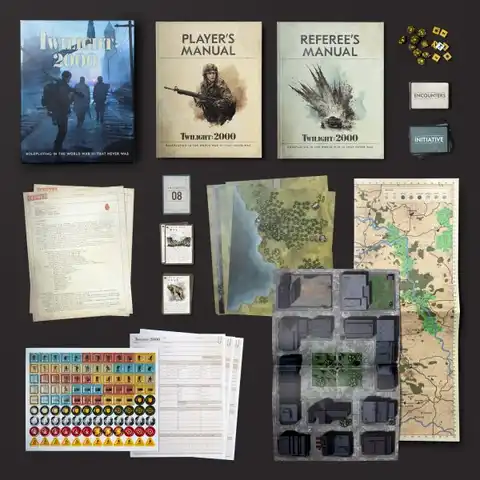
Best grounded open-world survival pick for tables that want the map, scarce transport, local alliances, and emergent encounters to determine the campaign after military order collapses.
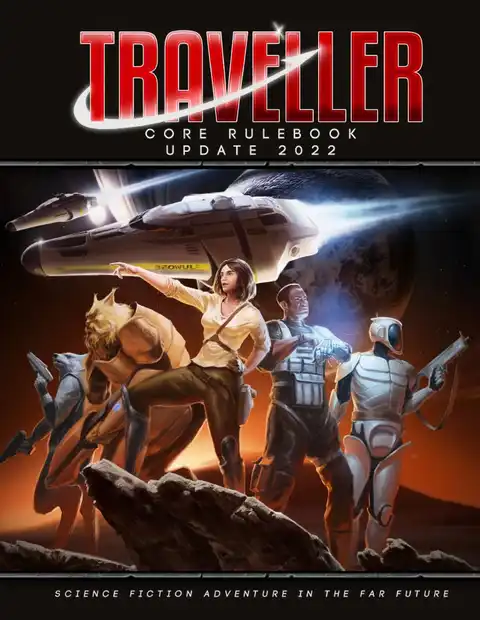
Traveller is a classic science-fiction TTRPG about lifepath crews, starships, trade, patrons, exploration, politics, and practical risk across a grounded interstellar sandbox.
A free classless fantasy TTRPG by Yochai Gal and Cairn Press, built for dangerous woodland exploration, slot-based inventory pressure, fiction-first growth, and fast OSR/NSR play.
Crown & Skull belongs in Sandbox because the North Holds are built for hex-driven discovery, random inhabitants, world events, loot rolls, and GM improvisation rather than a single scripted path.
WARDEN belongs in Sandbox because its Campaign Map procedures, setting alterations, locations, secrets, threats, and clocks are built for open-ended campaign discovery.
Stars Without Number builds science-fiction sandboxes from sector generation, world tags, patron jobs, travel, faction turns, and referee tools that keep distant places and competing powers active without requiring a scripted campaign.
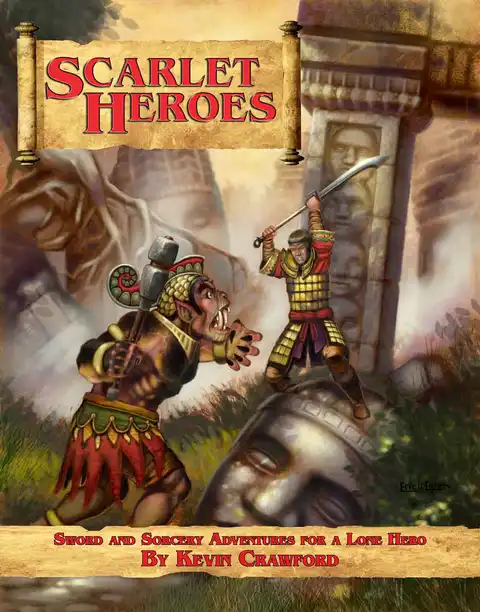
A solo-friendly sword-and-sorcery OSR game that lets one hero or a tiny party tackle classic adventures without rewriting every encounter.
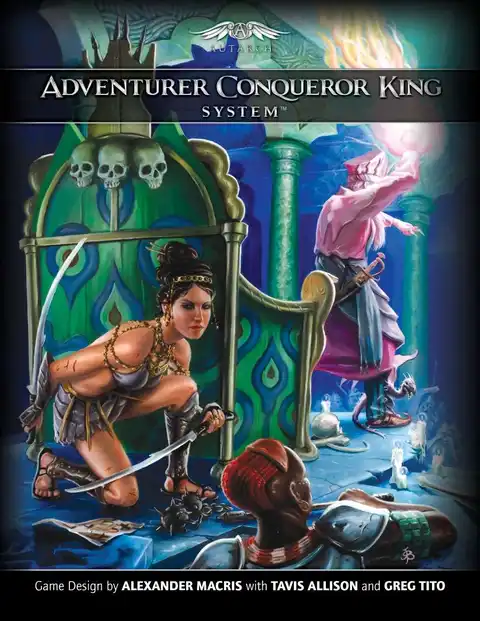
ACKS is a sandbox engine: wilderness, settlement and encounter systems let the Judge react as players choose where to delve, trade and conquer.

Against the Wind fits Sandbox because its random tables drive open wilderness and dungeon exploration chosen by the players.
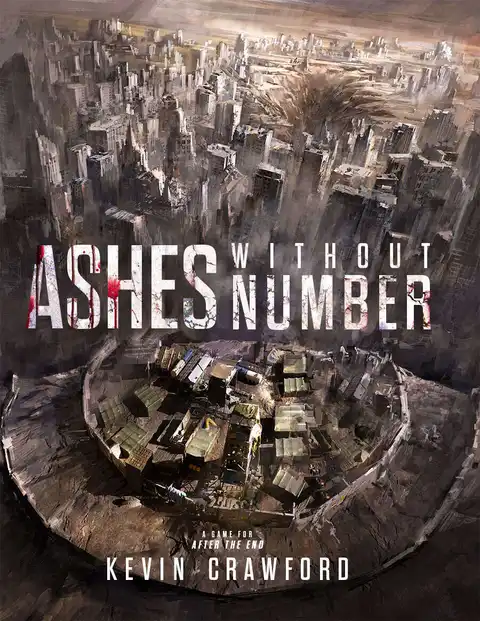
Ashes Without Number is a sandbox toolkit first: the GM builds a region of enclaves, crises and ruins from random tables, the players choose their goals, and the world responds through enclave turns rather than a set plot.
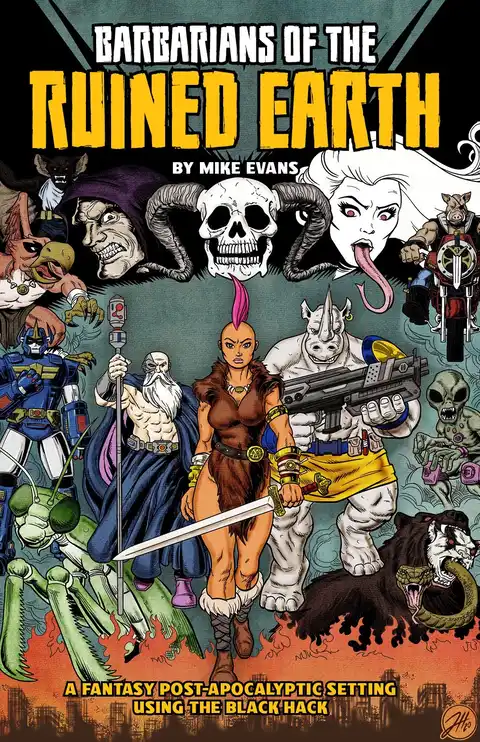
A point crawl through 13 locations in ruined Los Angeles, plus GM tables for villages, religions, and adventures.

Broken Shores fits Sandbox because players choose where to sail across a randomly generated ocean of derelicts and newly risen islands.
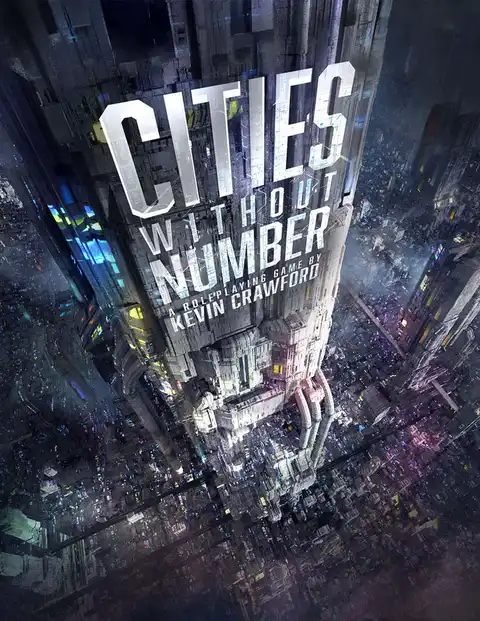
A cyberpunk sandbox TTRPG by Kevin Crawford and Sine Nomine Publishing, built for custom city campaigns, jobs, heat, hacking, cyberware, corps, gangs, and practical GM-facing worldbuilding tools.
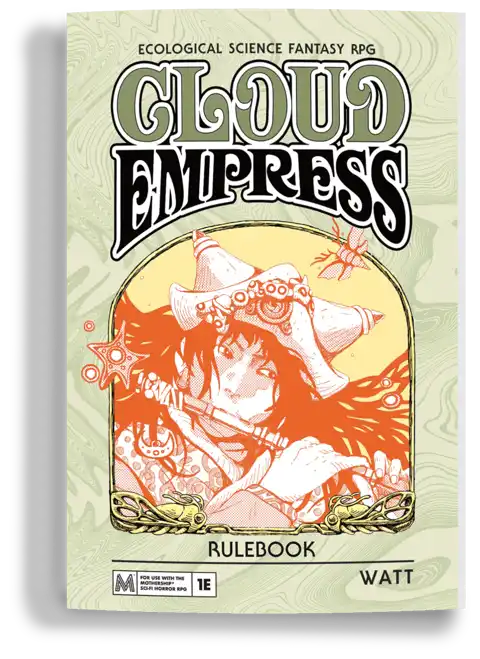
Cloud Empress is a standalone ecological science-fantasy TTRPG by watt that evolves Mothership-style panic, wounds, and fragile travelers into a war-scarred world of giant magical cicadas, strange relics, hexcrawl exploration, and pastoral danger.
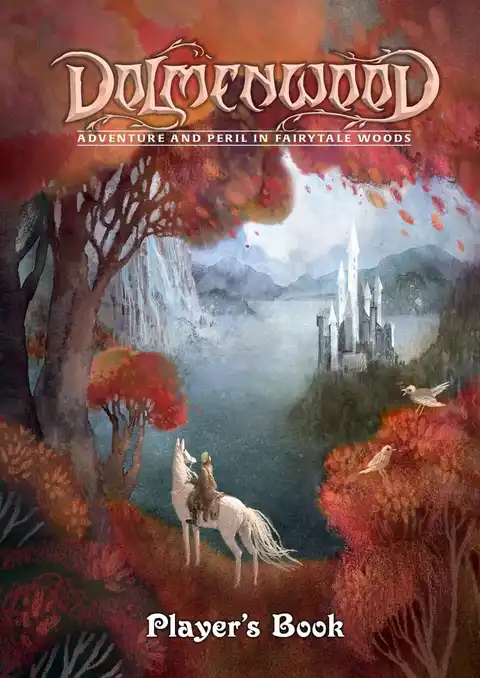
Dolmenwood is Necrotic Gnome's standalone old-school fantasy game, built on the B/X chassis, set in a dark fairy-tale forest inspired by British folklore. Play breggles, grimalkin, mosslings and more across nine classes and four kinds of magic, and explore a 200-hex sandbox of factions, fairy roads and rumours. Winner of three 2026 ENNIE Awards, with a free Quick-Start.
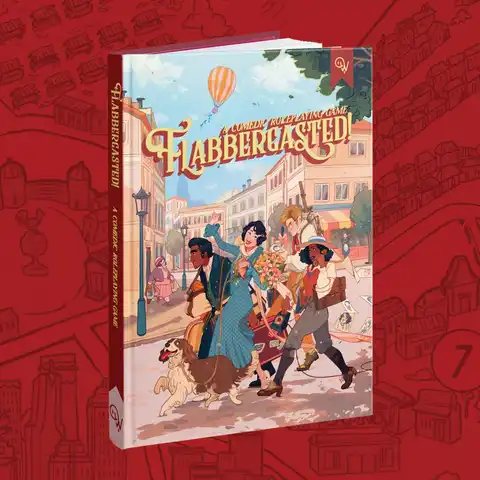
Flabbergasted! earns Sandbox coverage through Brabble Manor, Peccadillo, social clubs, rivals, and hooks that let the Director build repeated comedy situations without following only a fixed plot.
Forbidden Lands makes an open fantasy map playable through hex travel, weather, supplies, random encounters, rumors, dangerous sites, push-your-luck rolls, and strongholds that change the party's relationship to the Ravenlands.

Frontier Scum is a rules-lite acid western TTRPG by Karl Druid about wanted outlaws scraping by on the surreal Lost Frontier. Classless, fast to run and low-prep, it uses four abilities, auto-hit gunfights, scarce ammo and hats as armor to push hard choices. Now published by Free League; 2023 Silver ENnie for layout.
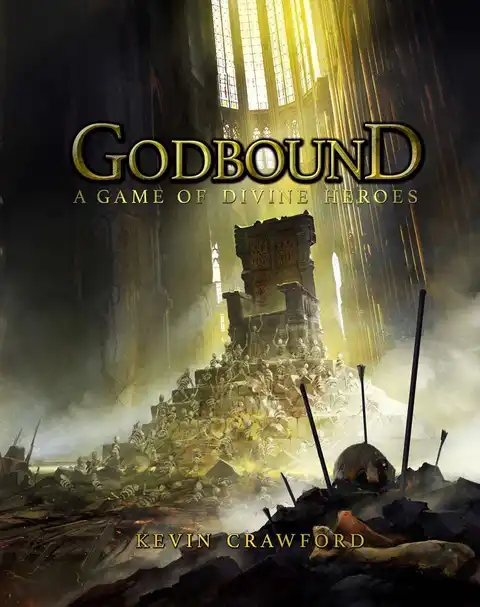
Godbound gives the GM courts, ruins, calamities, and a world that changes when players spend Influence or Dominion, so the table chooses goals and routes rather than following a single prepared path.
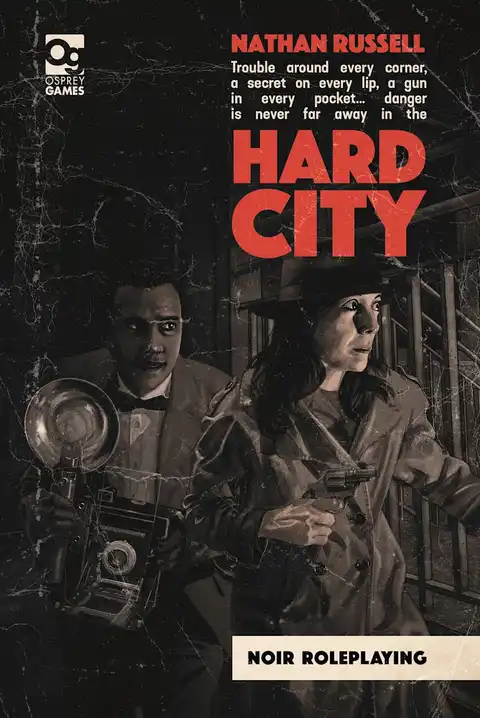
Hard City supplies an unnamed city with districts, personalities, and case hooks. Its broad setting supports choosing contacts and routes through trouble, while individual mysteries still need GM preparation.

Into the Dungeon: Revived supports open play with random tables for monsters, NPCs and magic items, optional travel rules by land, water and air, and domains for characters who settle the world.
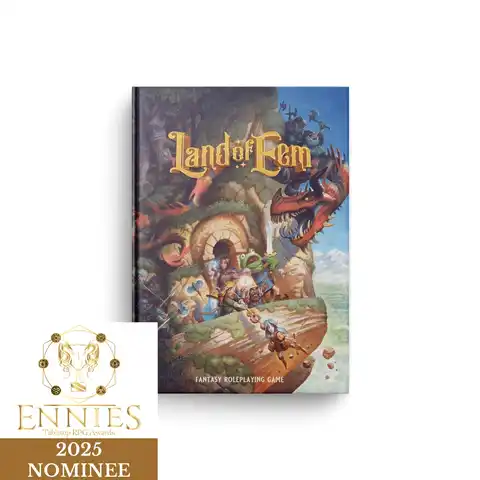
Land of Eem is a sandbox pick when the table wants a bright hex-crawl world full of locations, rumors, encounters, quests, and expansions that invite player-led wandering.

Low Fantasy Gaming fits Sandbox because it is designed for sandbox play with low hit points, a level cap of 12 and rare, dangerous magic.
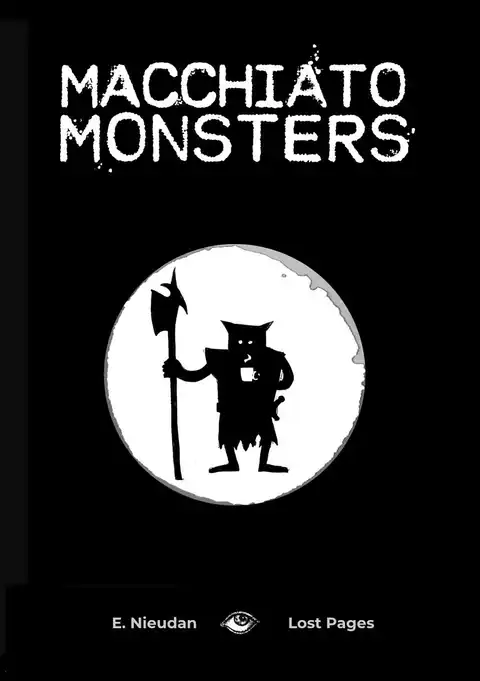
Macchiato Monsters ends with tables for townsfolk, plots, factions, locations, creatures and treasure, plus Risk dice for domains and regional stability, for growing a sandbox around the players.
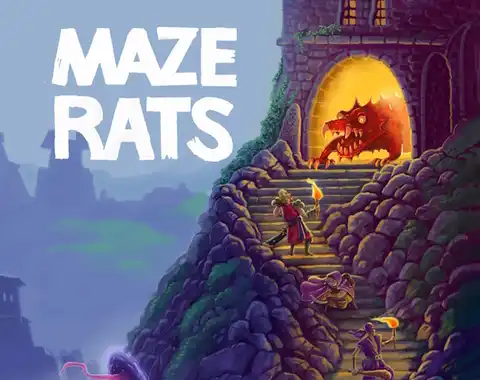
Maze Rats is a sandbox toolkit first: eight pages of 36-item tables for cities, wilds, dungeons, NPCs and treasure, plus advice on running open-world OSR games.
Choose by the job at the table. For sandbox TTRPGs, compare GM tools for locations and factions, player-facing goals, travel procedures, rumor flow, and how the world changes without the characters. If that sounds too abstract, ask what the game makes players decide in the first hour.
Use the top picks as contrasts. Mutant Crawl Classics and Old-School Essentials are useful side-by-side because they show different ways this category can work. Twilight: 2000 adds another angle, while Worlds Without Number helps test whether your table wants a different commitment level.
Match scope before rules. Some sandbox games are best as one-shots, some need a short arc, and some only reveal their strengths through campaign play. Decide that scope first, then choose the rules weight your group will actually tolerate.