Top pick
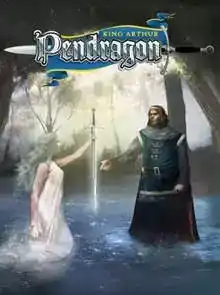
King Arthur Pendragon
Best for long Arthurian sagas where honor, family legacy, seasonal duties, and moral failure matter as much as combat, with rules that carry consequences across generations.
Historical TTRPGs need to turn period detail into playable constraints, opportunities, and conflicts. Start with Alas for the Awful Sea, Ars Magica, City of Judas, and Legend of the Five Rings as comparison points, then move down the list based on the kind of genre your group actually wants.
When comparing historical games, look at research load, historical sensitivity, how much alternate history is allowed, social constraints, and whether the rules support the era's main pressures. Those details matter more than the tag itself, because two games can share a category while asking completely different things from the GM and players.
Use the top picks as anchors rather than treating the page like a simple popularity ranking. The goal is to answer the practical table question: which game will produce the kind of first session, campaign rhythm, and player buy-in your group is likely to enjoy?
A historical label should not force homework on every player; choose the game whose period detail helps rather than blocks play.
Quick starting points if you want the clearest expressions of what Historical games do well.
Best for long Arthurian sagas where honor, family legacy, seasonal duties, and moral failure matter as much as combat, with rules that carry consequences across generations.
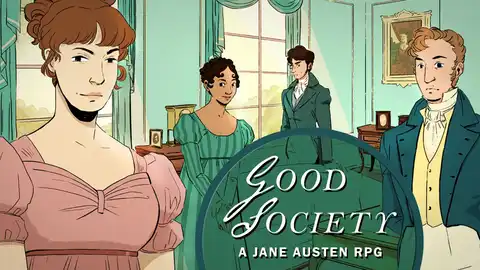
Best for groups that want a short historical campaign about romance, reputation, class pressure, and intertwined families, with collaborative scenes shaped like a Regency novel.

Best grounded wartime pick for tables that want mission danger and interpersonal endurance to reinforce each other, with historical gender pressure present rather than abstracted away.
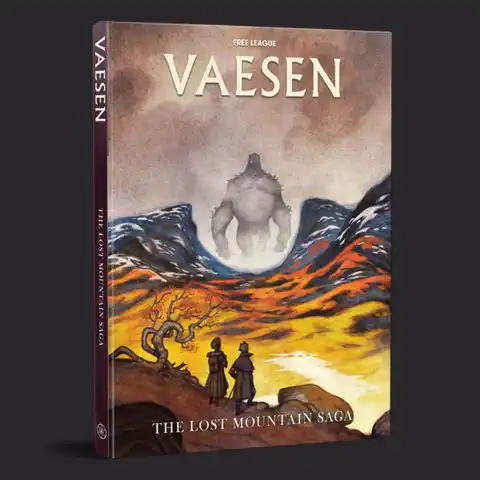
Best for atmospheric historical investigation where understanding a creature's grievance and its relationship to a changing society matters more than winning a conventional monster fight.
Choose by the job at the table. For historical TTRPGs, compare research load, historical sensitivity, how much alternate history is allowed, social constraints, and whether the rules support the era's main pressures. If that sounds too abstract, ask what the game makes players decide in the first hour.
Use the top picks as contrasts. Alas for the Awful Sea and Ars Magica are useful side-by-side because they show different ways this category can work. City of Judas adds another angle, while Legend of the Five Rings helps test whether your table wants a different commitment level.
Match scope before rules. Some historical games are best as one-shots, some need a short arc, and some only reveal their strengths through campaign play. Decide that scope first, then choose the rules weight your group will actually tolerate.
Vaesen filters nineteenth-century Scandinavia through folkloric horror, using industrial change, rural belief, social institutions, and recurring Society investigations to make its historical setting active in every mystery.
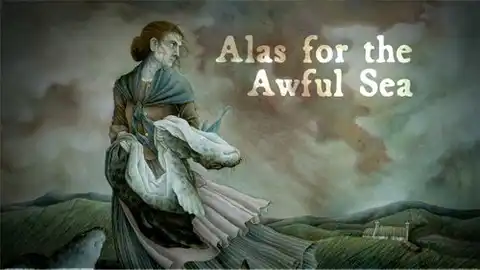
Alas for the Awful Sea is a melancholy Powered by the Apocalypse game about fishing towns, old grief, and the pull of the supernatural sea.
Ars Magica is a troupe-style fantasy TTRPG about wizard covenants in Mythic Europe, built for long sagas where magical research, politics, and seasonal planning matter as much as adventure scenes.

City of Judas is an indie RPG with an urban, spiritually charged frame that leans into pressure, loyalty, and character fallout.

Desperation is a rules-lite survival horror RPG containing two complete games: Dead House (blizzard-stranded Kansas town, 1888) and The Isabel (doomed fishing vessel in the Gulf of Alaska). Using the Desperation Engine, players decide who speaks rather than what happens—building a web of relationships then watching them collapse under pressure. Card-driven, GM-less, and playable in 1-2 hours.

Flabbergasted! fits Historical for tables that want a playful Jazz Age frame rather than strict simulation. Its 1920s clubs, manners, slang, fashion, and social pressure are there to support comedy and status play.
Good Society turns Regency social history into play through family expectations, reputation, letters, rumors, courtship, and obligation, making manners and scandal more consequential than physical conflict.
King Arthur Pendragon uses a legendary medieval Britain to make chivalry, lineage, estates, feasts, warfare, and the passing years concrete. Traits, Passions, Glory, and heirs turn history into a multigenerational campaign.

Legend of the Five Rings is a samurai fantasy RPG of duty, honor, courtly pressure, and violence in a mythic version of Rokugan.
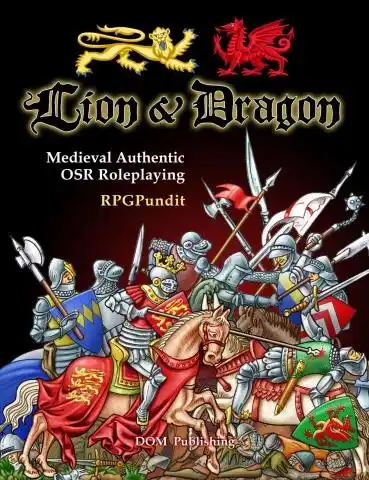
A Medieval Authentic OSR RPG that strips away anachronisms for historically grounded fantasy. Features a rigid feudal social system, gritty combat, and magic based on real historical grimoires rather than high fantasy tropes.
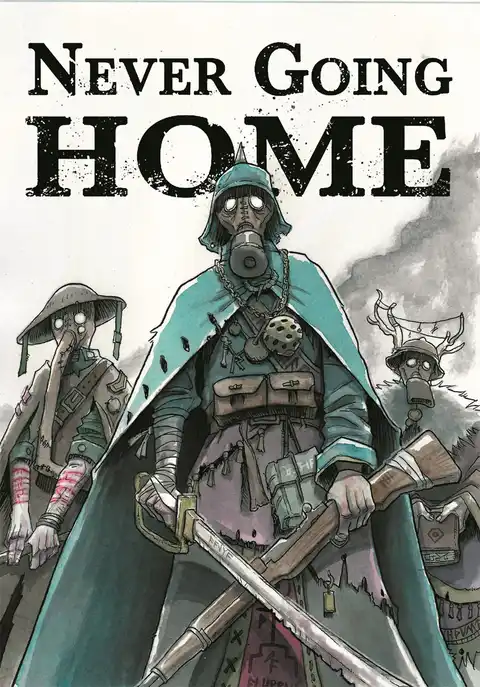
Never Going Home is a rules-lite WWI survival-horror game using straightforward tests plus card-hand pressure. Classless and low-prep, it follows a front-line Unit through lethal missions, dwindling supplies, and the corrupting Whispers. Ideal for short campaigns and players who enjoy grim stakes and tough choices.
Night Witches centers the women of the Soviet 588th Night Bomber Regiment, alternating dangerous Second World War bombing missions with daytime exhaustion, sexism, relationships, and pressure inside the unit.

Old Gods of Appalachia fits Historical play through its alternate 1920s and 1930s Appalachian frame, where mines, railroads, churches, family histories, and isolated towns shape the horror.
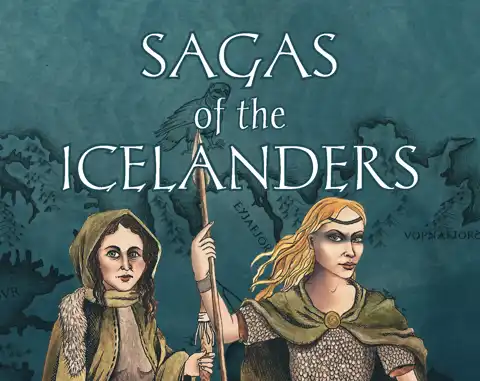
Sagas of the Icelanders is a historical PbtA game about honor, household pressure, gendered roles, and social survival in medieval Iceland.

Spirit of 77 fits Historical because play is anchored in an alternate 1977, using the decade's media, politics, cars, music, crime stories, and pop-cultural memory as the main setting frame.

TEETH is a comic-horror Forged in the Dark TTRPG about Crown-backed hunters, occult crime, and monster work in a cursed corner of 1780 northern England. It is best for groups that want mission pressure, grotesque historical horror, and campaign fallout rather than generic fantasy hunting.

The Yellow King RPG fits Historical because its Paris and The Wars frames make period detail, alternate history, and the consequences of specific eras central to investigation rather than background color.

TimeWatch RPG is a time-travel adventure game about protecting the timeline, handling paradoxes, and turning history into a playground for competent agents.
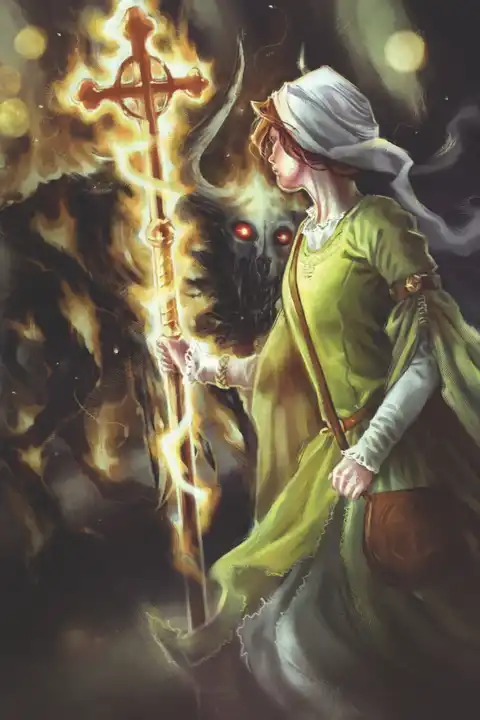
Wolves of God is Kevin Crawford's old-school historical fantasy TTRPG about English heroes in 710 AD, with Warriors, Saints, Galdormen, miracles, sorcery, raids, ruins, and glory-driven sandbox play.
Browse Narrative-Driven if you want to compare the underlying play procedure behind this historical selection.
Browse Survival if you want to compare the underlying play procedure behind this historical selection.
Browse Fantasy if Historical is close but you want a different table emphasis within the same broad browsing lane.
Browse Mythology and Folklore if Historical is close but you want a different table emphasis within the same broad browsing lane.