SPINE
SPINE fits Innovative Mechanics because the physical book is not just a rulebook or prop; endnotes, page handling, defacement, and replay scars are core procedures.
Innovative-mechanics TTRPGs are worth browsing when you want rules that change how the table thinks, talks, or makes decisions. Start with A Quiet Year, Draw Steel, Dread, and Index Card RPG as comparison points, then move down the list based on the kind of mechanical focus your group actually wants.
When comparing innovative mechanics games, look at what behavior the mechanic changes, how easy it is to teach, whether novelty supports the premise, and whether the table wants experimentation. Those details matter more than the tag itself, because two games can share a category while asking completely different things from the GM and players.
Use the top picks as anchors rather than treating the page like a simple popularity ranking. The goal is to answer the practical table question: which game will produce the kind of first session, campaign rhythm, and player buy-in your group is likely to enjoy?
Novelty is only valuable when it produces better play for your group, not just a clever rules paragraph.
SPINE fits Innovative Mechanics because the physical book is not just a rulebook or prop; endnotes, page handling, defacement, and replay scars are core procedures.
Dread is a host-led horror TTRPG that swaps dice for a tumbling-block tower, turning every risky action into visible table tension. It is one of the strongest choices for one-shot horror, slasher, and survival scenarios, but it is a poor fit for campaign-minded groups or players who hate dexterity pressure.
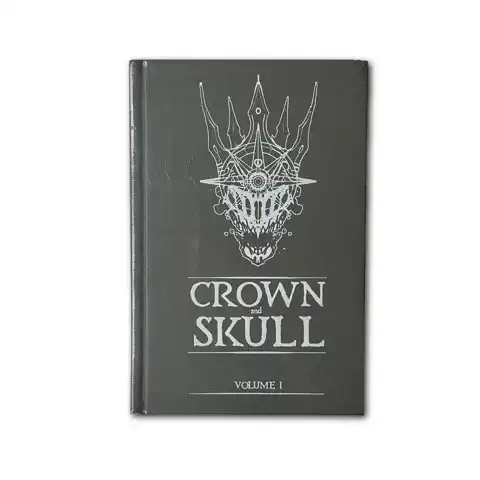
Crown & Skull is Runehammer's no-stats, no-HP fantasy TTRPG, built around point-buy characters, player-facing d20 rolls, skill-and-gear attrition, and emergent exploration in the North Holds.
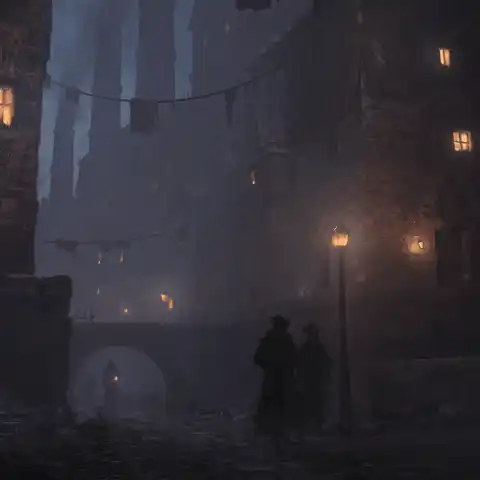
Hollows is Rowan, Rook and Decard's dark fantasy TTRPG of tactical many-vs-one boss fights, where Hunters enter rotten personal hells, wield Weapons built from humanity's worst instincts, and survive by coordinating every move.
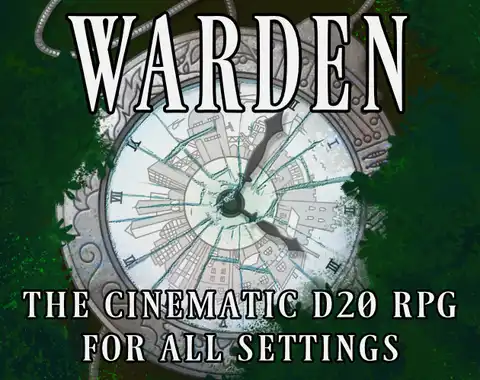
WARDEN earns Innovative Mechanics through its classless/attributeless d20 structure, six proficiencies, ability-feat branching, tech levels, setting alterations, and Campaign Map procedures.
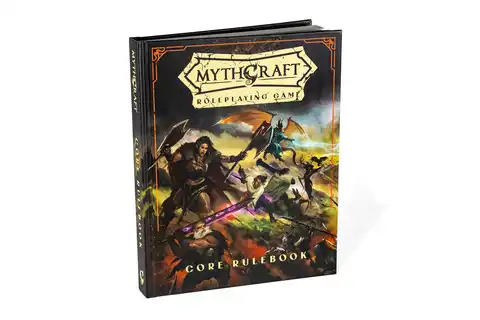
MythCraft earns Innovative Mechanics through its AP economy, reactive AP, rollover choices, BOP character identity, and talent progression layered onto otherwise familiar d20 fantasy resolution.
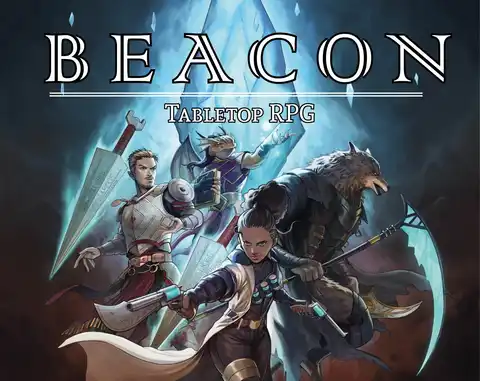
BEACON's split between PbtA-inspired narrative play and phase-based tactical combat gives it a distinct identity among fantasy TTRPGs, especially for Lancer-style groups.
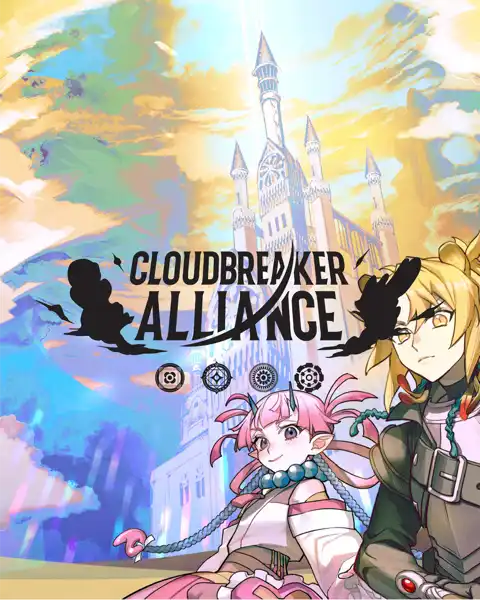
Cloudbreaker Alliance earns this tag through its Relationship track, weak-point monster play, flexible Bits/Jobs character pieces, and counter-apocalyptic emphasis on neutralizing threats rather than only killing them.
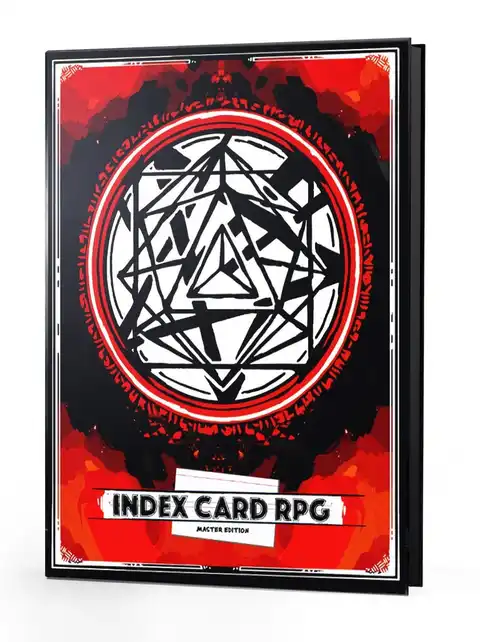
Index Card RPG: Master Edition is a fast, low-overhead d20 fantasy toolkit built around scene targets, timers, hearts, effort, and loot-driven character growth. It is strongest for GMs who want immediate table tools, quick onboarding, and a game they can bend across genres without losing momentum.

Successes decide who wins, but the pool that rolls the single highest die decides the cost: control, exhaustion, a fight-or-flight response, or Despair for the GM.

Mazes was the first polymorph game. Your role is your roll, each die size suits different moves, and the game won the 2020 IGDN Indie Groundbreaker Award for Best Rules.
Neoclassical Geek Revival offers Schrödinger's Character, pie-slice classes, Luck Points that soak every kind of damage, Awesomeness and an elected session MVP, and the Known Rule, which penalises looking up rules mid-game.
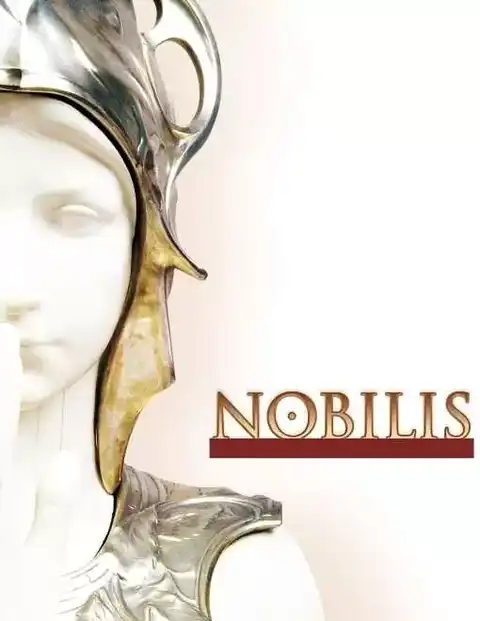
Bonds and Afflictions are rules of a character's nature that refund Miracle Points when they cause trouble.
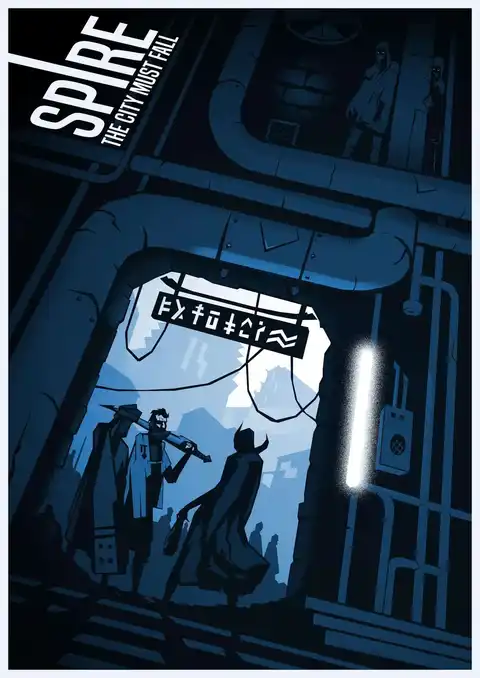
Dark fantasy resistance TTRPG about drow revolutionaries fighting an occupying high-elf regime inside a surreal vertical city. Spire is strongest when your group wants faction politics, costly victories, and vivid class identity more than balanced tactical combat.
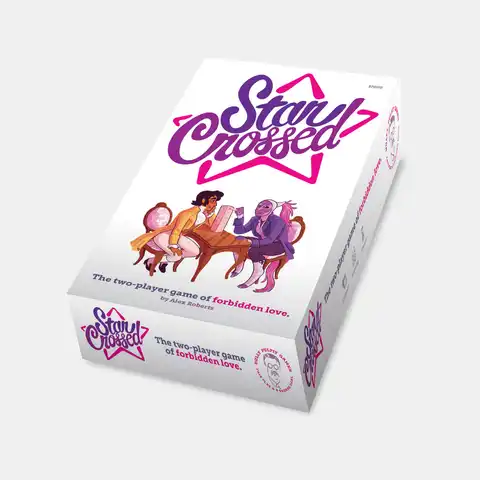
Star Crossed takes Dread's tumbling block tower and points it at desire instead of death: every move that raises attraction means pulling a brick, and if the tower falls the characters act on their feelings.

A three-ring Midnight Clock tracks mental energy, sanity strain, and the slide into power and ruin, adding distress dice as it turns.
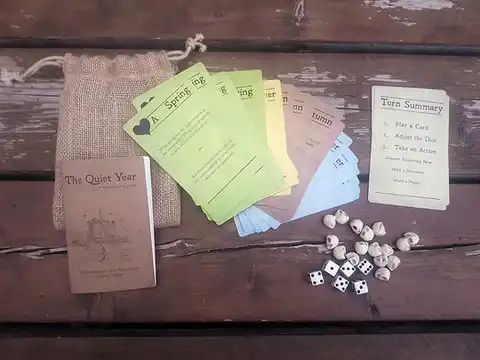
The Quiet Year is Avery Alder's GM-less map game for 2-4 players. Over 52 card-driven weeks, players draw a post-collapse community onto a shared map, discover new things, start projects and hold tightly structured discussions, while Contempt Tokens show discord, until the Frost Shepherds arrive. Winner of Most Innovative Game at the 2013 Indie RPG Awards.
Thieves of the Tome fits Innovative Mechanics because the physical books are not decorative props; they are the spell engine, scenario prompt source, and main reason each table's session becomes unique.

Wushu turns description into dice: you roll one d6 for every vivid detail in your action, up to a pool limit the Director sets to control the pace.

Yazeba's Bed & Breakfast is a cozy slice-of-life legacy TTRPG about a magical house, its residents, and 48 quick-play chapters that change the book and cast over time.
Choose by the job at the table. For innovative mechanics TTRPGs, compare what behavior the mechanic changes, how easy it is to teach, whether novelty supports the premise, and whether the table wants experimentation. If that sounds too abstract, ask what the game makes players decide in the first hour.
Use the top picks as contrasts. A Quiet Year and Draw Steel are useful side-by-side because they show different ways this category can work. Dread adds another angle, while Index Card RPG helps test whether your table wants a different commitment level.
Match scope before rules. Some innovative mechanics games are best as one-shots, some need a short arc, and some only reveal their strengths through campaign play. Decide that scope first, then choose the rules weight your group will actually tolerate.