Theme

Best Psychological TTRPGs

Psychological TTRPGs focus on perception, identity, obsession, trauma, memory, fear, and internal pressure. Start with Curseborne, Delta Green, Draw Steel, and Dread as comparison points, then move down the list based on the kind of theme your group actually wants.

When comparing psychological games, look at safety tools, how mental states are represented, whether mystery or horror drives play, and how much ambiguity players enjoy. Those details matter more than the tag itself, because two games can share a category while asking completely different things from the GM and players.

Use the top picks as anchors rather than treating the page like a simple popularity ranking. The goal is to answer the practical table question: which game will produce the kind of first session, campaign rhythm, and player buy-in your group is likely to enjoy?

These games need care; the table should know whether psychological pressure is thematic, mechanical, or deeply personal.
30 games All categories
Top picks

Best games in this category

Quick starting points if you want the clearest expressions of what Psychological games do well.

Curseborne
Top pick

Curseborne

Start with Curseborne when you want a psychological option that makes the category visible in play, not just in premise. Compare it on safety tools, how mental states are represented, whether mystery or horror drives play, and how much ambiguity players enjoy. It is especially strong for groups that want fantasy with more danger, grime, or moral pressure and groups that want place, travel, and discovery to stay...

Draw Steel
Top pick

Draw Steel

Start with Draw Steel when you want a psychological option that makes the category visible in play, not just in premise. Compare it on safety tools, how mental states are represented, whether mystery or horror drives play, and how much ambiguity players enjoy. It is especially strong for groups that want fantasy combat to be fast, tactical, and cinematic and players who enjoy class powers, team combos, and visible...

Dread
Top pick

Dread

Start with Dread when you want a psychological option that makes the category visible in play, not just in premise. Compare it on safety tools, how mental states are represented, whether mystery or horror drives play, and how much ambiguity players enjoy. It is especially strong for groups that want horror tension to be visible and physical at the table and one-shot scenarios where character choices should get...

Compare

How to choose the right Psychological TTRPG

Choose by the job at the table. For psychological TTRPGs, compare safety tools, how mental states are represented, whether mystery or horror drives play, and how much ambiguity players enjoy. If that sounds too abstract, ask what the game makes players decide in the first hour.

Use the top picks as contrasts. Curseborne and Delta Green are useful side-by-side because they show different ways this category can work. Draw Steel adds another angle, while Dread helps test whether your table wants a different commitment level.

  • Curseborne: Start with Curseborne when you want a psychological option that makes the category visible in play, not just in premise.
  • Delta Green: Start with Delta Green when you want a psychological option that makes the category visible in play, not just in premise.
  • Draw Steel: Start with Draw Steel when you want a psychological option that makes the category visible in play, not just in premise.
  • Dread: Start with Dread when you want a psychological option that makes the category visible in play, not just in premise.

Match scope before rules. Some psychological games are best as one-shots, some need a short arc, and some only reveal their strengths through campaign play. Decide that scope first, then choose the rules weight your group will actually tolerate.

FAQ

Questions players ask

Which psychological TTRPG should my table try first?
Start with Curseborne if you want the clearest first comparison point, then compare Delta Green, Draw Steel, and Dread based on safety tools, how mental states are represented, whether mystery or horror drives play, and how much ambiguity players enjoy. The right first pick is the one that makes your next session easiest to imagine and run.
How do I choose between psychological games?
Compare safety tools, how mental states are represented, whether mystery or horror drives play, and how much ambiguity players enjoy. Pay special attention to what the game asks players to do repeatedly: solve tactical problems, improvise drama, manage scarce resources, investigate, build characters, or share authorship.
Are psychological TTRPGs better for one-shots or campaigns?
That depends on the procedures. For one-shots, favor fast setup, immediate pressure, and a clear ending. For campaigns, look for advancement, changing relationships, faction or location pressure, downtime, and enough variety to keep the core activity interesting.
What should I check before pitching a psychological TTRPG to my group?
These games need care; the table should know whether psychological pressure is thematic, mechanical, or deeply personal. Also check rules weight, safety expectations, prep load, and whether the players are excited by the actual scenes the game creates rather than only the premise.
More to compare

More Psychological TTRPGs to compare

Vampire: The Masquerade

Vampire: The Masquerade

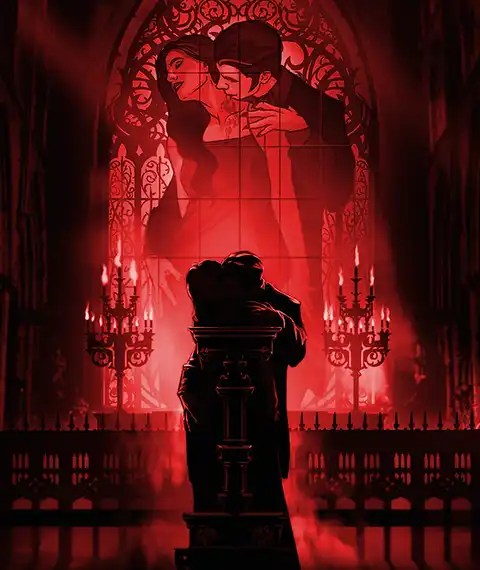
Vampire: The Masquerade belongs in psychological when your table wants that label to matter in play instead of only in browsing. Vampire: The Masquerade is a gothic-punk TTRPG of personal and political horror where vampires juggle hunger, humanity, coterie loyalty, and city power.

Dread

Dread

Use Dread when your table wants psychological play to shape real choices. It is most worth comparing for safety tools, how mental states are represented, whether mystery or horror drives play, and how much ambiguity players enjoy. Dread RPG is a unique horror tabletop game renowned for its use of a Jenga tower instead of dice to resolve in-game actions,...

Delta Green

Delta Green

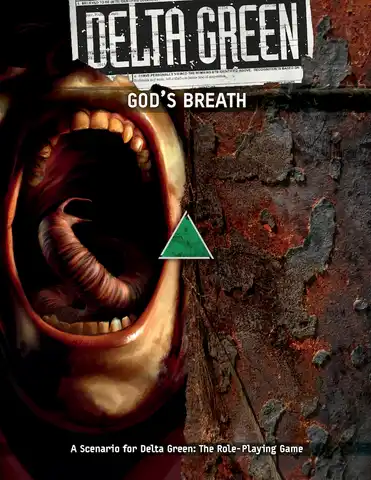
Delta Green belongs in Psychological because Bonds, Sanity, and home scenes make fear, guilt, obsession, and denial part of the ongoing game loop rather than just color text. The damage is mental and relational as often as it is physical.

Eclipse Phase

Eclipse Phase

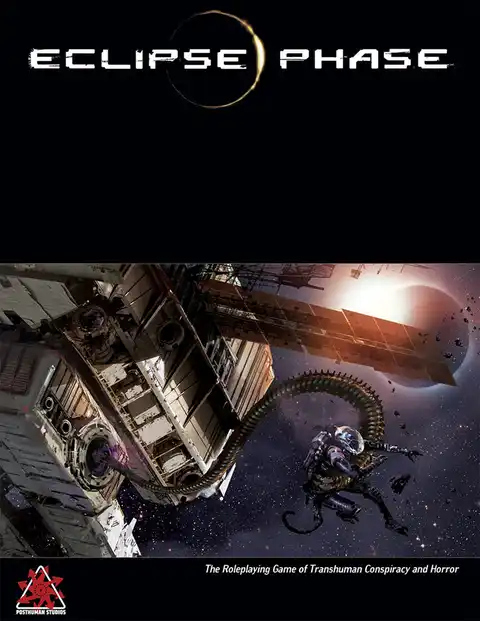
Eclipse Phase belongs in psychological when your table wants that label to matter in play instead of only in browsing. Eclipse Phase is a transhuman science-fiction TTRPG of conspiracies, body-swapping, and existential horror, built for groups that want big ideas and sharp consequences instead of uncomplicated heroics.

Call of Cthulhu

Call of Cthulhu

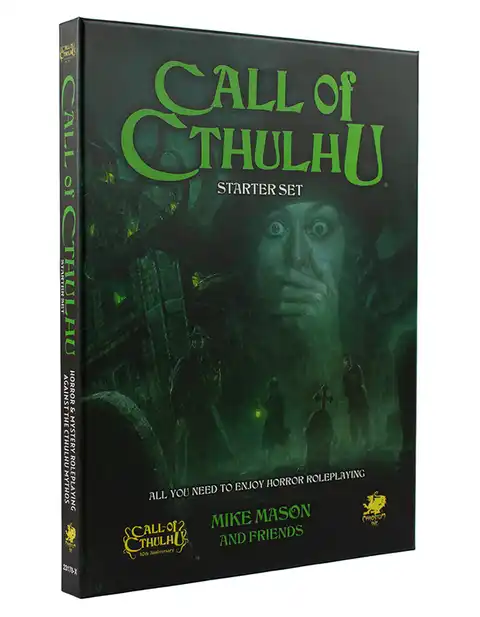
Use Call of Cthulhu when your table wants psychological play to shape real choices. It is most worth comparing for safety tools, how mental states are represented, whether mystery or horror drives play, and how much ambiguity players enjoy. Call of Cthulhu plunges players into the eerie world of H.P.

Against the Wind

Against the Wind

Use Against the Wind when your table wants psychological play to shape real choices. It is most worth comparing for safety tools, how mental states are represented, whether mystery or horror drives play, and how much ambiguity players enjoy. Against the Wind invites players into a richly woven tapestry of survival and adventure in a world perpetually...

Cain RPG

Cain RPG

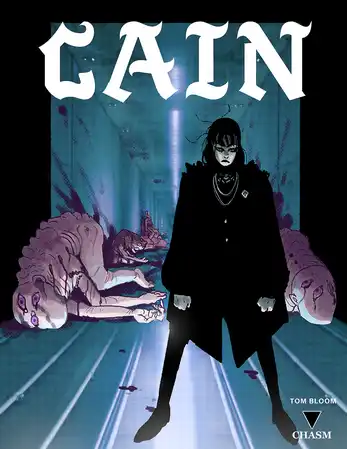
Use Cain RPG when your table wants psychological play to shape real choices. It is most worth comparing for safety tools, how mental states are represented, whether mystery or horror drives play, and how much ambiguity players enjoy. Cain is an occult action-horror TTRPG by Tom Bloom about psychic exorcists working for a shadow organization that hunts...

Cthulhu Confidential

Cthulhu Confidential

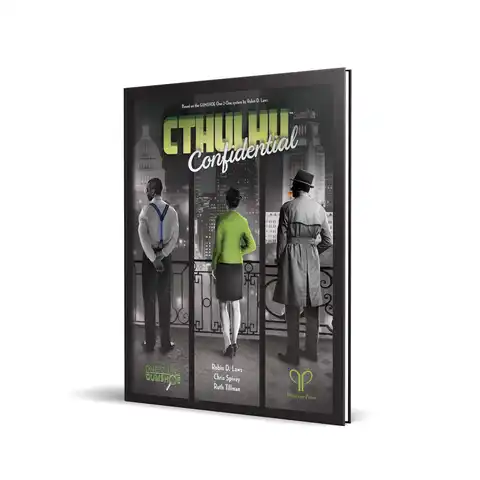
Use Cthulhu Confidential when your table wants psychological play to shape real choices. It is most worth comparing for safety tools, how mental states are represented, whether mystery or horror drives play, and how much ambiguity players enjoy. Cthulhu Confidential immerses players in a noir-infused world where they step into the shoes of hardboiled...

Curseborne

Curseborne

Use Curseborne when your table wants psychological play to shape real choices. It is most worth comparing for safety tools, how mental states are represented, whether mystery or horror drives play, and how much ambiguity players enjoy. Curseborne, Onyx Path’s 2025 urban horror RPG, explores cursed lineages in a modern world.

Dead of Night

Dead of Night

Use Dead of Night when your table wants psychological play to shape real choices. It is most worth comparing for safety tools, how mental states are represented, whether mystery or horror drives play, and how much ambiguity players enjoy. Dead of Night immerses players in a chilling modern horror setting where they take on the roles of ordinary...

Deathmatch Island

Deathmatch Island

Use Deathmatch Island when your table wants psychological play to shape real choices. It is most worth comparing for safety tools, how mental states are represented, whether mystery or horror drives play, and how much ambiguity players enjoy. Deathmatch Island is a reality-show survival RPG about contestants trapped inside a violent spectacle built on...

DIE: The Roleplaying Game

DIE: The Roleplaying Game

Use DIE: The Roleplaying Game when your table wants psychological play to shape real choices. It is most worth comparing for safety tools, how mental states are represented, whether mystery or horror drives play, and how much ambiguity players enjoy. DIE: The Roleplaying Game is a dark fantasy portal RPG about flawed adults dragged into a world shaped by...

Don't Rest Your Head

Don't Rest Your Head

Use Don't Rest Your Head when your table wants psychological play to shape real choices. It is most worth comparing for safety tools, how mental states are represented, whether mystery or horror drives play, and how much ambiguity players enjoy. Don't Rest Your Head is a rules‑lite psychological survival horror about insomniacs who awaken to the Mad City.

Draw Steel

Draw Steel

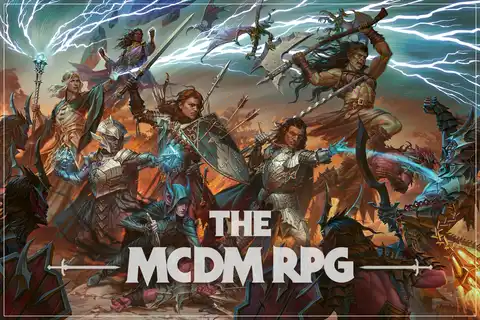
Use Draw Steel when your table wants psychological play to shape real choices. It is most worth comparing for safety tools, how mental states are represented, whether mystery or horror drives play, and how much ambiguity players enjoy. MCDM’s Draw Steel reimagines fantasy RPGs with cinematic combat and exploration.

Enter the Survival Horror

Enter the Survival Horror

Use Enter the Survival Horror when your table wants psychological play to shape real choices. It is most worth comparing for safety tools, how mental states are represented, whether mystery or horror drives play, and how much ambiguity players enjoy. Enter the Survival Horror is a rules‑lite, Forged in the Dark survival‑horror game about dark corridors,...

Everywhen

Everywhen

Use Everywhen when your table wants psychological play to shape real choices. It is most worth comparing for safety tools, how mental states are represented, whether mystery or horror drives play, and how much ambiguity players enjoy. Everywhen invites players to embark on an imaginative journey across a multiverse where timelines intertwine and the past,...

Liminal Horror

Liminal Horror

Use Liminal Horror when your table wants psychological play to shape real choices. It is most worth comparing for safety tools, how mental states are represented, whether mystery or horror drives play, and how much ambiguity players enjoy. Liminal Horror is a modern investigative horror RPG descended from Into the Odd and Cairn.

Lost Echoes

Lost Echoes

Use Lost Echoes when your table wants psychological play to shape real choices. It is most worth comparing for safety tools, how mental states are represented, whether mystery or horror drives play, and how much ambiguity players enjoy. Lost Echoes is a dark fantasy solo RPG that blends atmospheric mystery, prompt-driven play, and resource pressure into a...

Mage: The Ascension

Mage: The Ascension

Use Mage: The Ascension when your table wants psychological play to shape real choices. It is most worth comparing for safety tools, how mental states are represented, whether mystery or horror drives play, and how much ambiguity players enjoy. Mage: The Ascension invites players into a modern world steeped in mysticism, where reality is shaped by the...

Mage: The Awakening

Mage: The Awakening

Use Mage: The Awakening when your table wants psychological play to shape real choices. It is most worth comparing for safety tools, how mental states are represented, whether mystery or horror drives play, and how much ambiguity players enjoy. Mage: The Awakening is a modern occult RPG about willworkers, hidden orders, and dangerous magic that reshapes...

Keep browsing

Related categories