Top pick
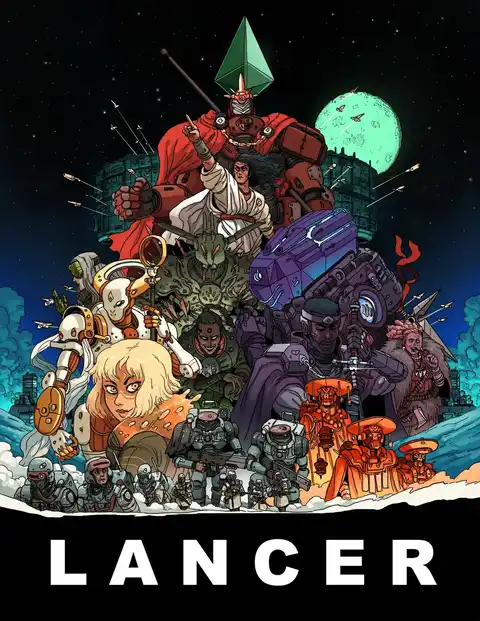
Lancer
Choose Lancer when detailed, objective-driven mech battles should be the campaign's main tactical event.
Tactical-combat TTRPGs make positioning, actions, builds, and enemy behavior part of the fun rather than a delay between story beats. Start with Daggerheart, Draw Steel, Pathfinder 2e, and Starfinder as comparison points, then move down the list based on the kind of mechanical focus your group actually wants.
When comparing tactical combat games, look at map use, encounter prep, action economy, build depth, lethality, and whether players enjoy reading the battlefield. Those details matter more than the tag itself, because two games can share a category while asking completely different things from the GM and players.
Use the top picks as anchors rather than treating the page like a simple popularity ranking. The goal is to answer the practical table question: which game will produce the kind of first session, campaign rhythm, and player buy-in your group is likely to enjoy?
Do not choose tactical combat unless the group wants fights to take meaningful table time.
Quick starting points if you want the clearest expressions of what Tactical Combat games do well.
Choose Lancer when detailed, objective-driven mech battles should be the campaign's main tactical event.
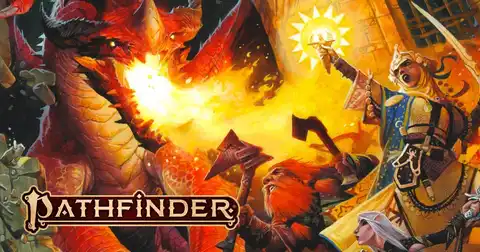
Choose Pathfinder 2e for balanced fantasy encounters where positioning, action selection, and party coordination all matter.
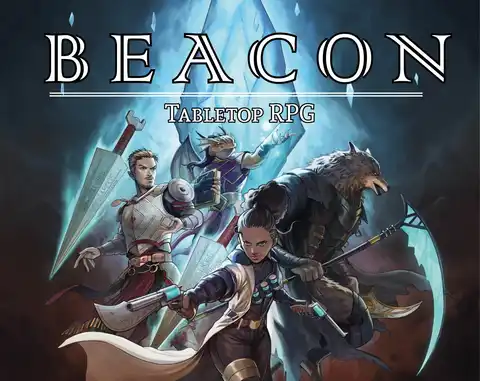
Choose BEACON for tactical fantasy missions with Lancer-like build expression in a distinct, streamlined framework.
Choose Hollows when every major fight should feel like a focused tactical puzzle against a dangerous boss.
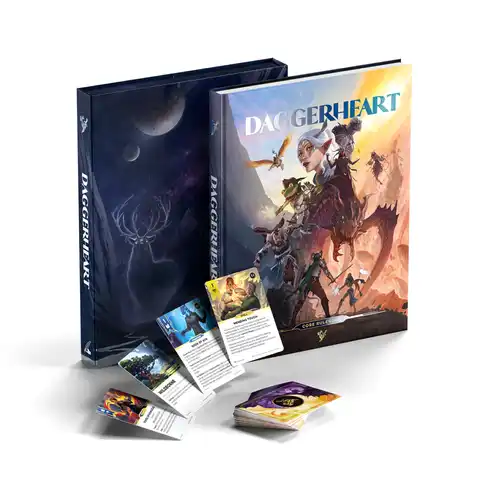
Daggerheart is Darrington Press and Critical Role's heroic fantasy campaign TTRPG, built around Duality Dice, Hope and Fear, card-based character options, and shared worldbuilding. It is strongest for groups that want emotional character arcs and cinematic fantasy adventure with more narrative momentum than traditional d20 play.
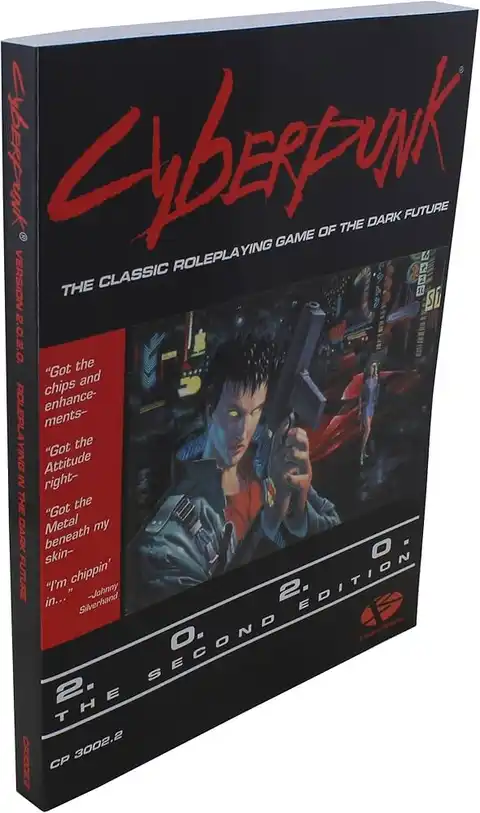
Cyberpunk 2020 is Mike Pondsmith and R. Talsorian Games' classic Night City TTRPG: lethal Interlock combat, Lifepath-driven characters, cyberware, netrunning, and street-level jobs under corporate power.
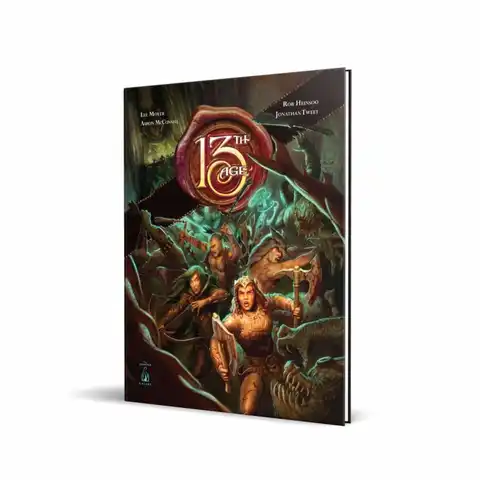
13th Age is a heroic-fantasy d20 TTRPG that keeps classes, levels, and satisfying fights, then adds Icons, One Unique Thing, and the Escalation Die to make campaigns move faster and feel more story-shaped.
Pathfinder 2e combines a three-action economy, precise conditions, encounter math, teamwork, and extensive builds into consistently tactical fantasy combat.
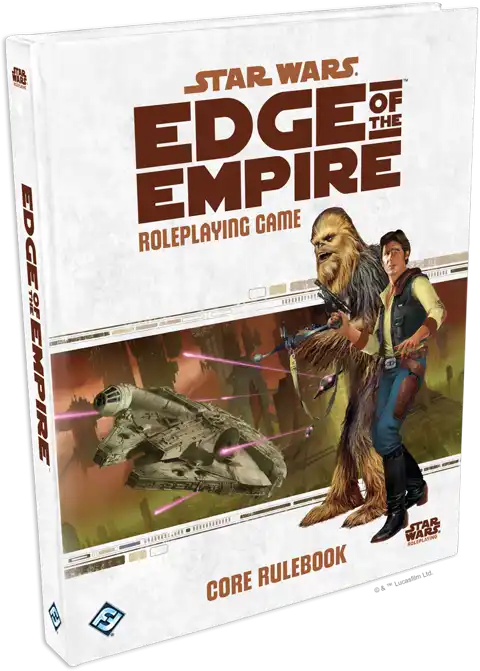
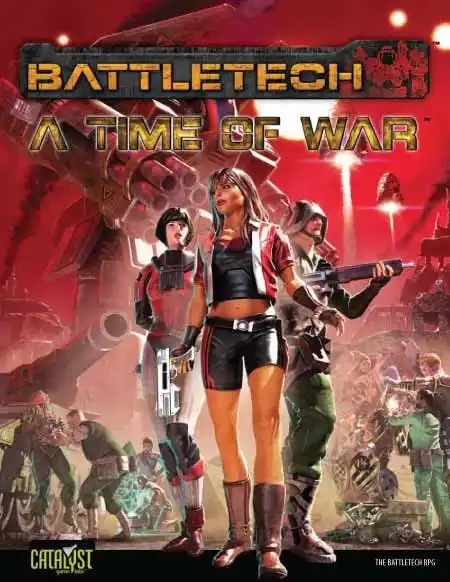
BattleTech is a military-science-fiction TTRPG line about mercenaries, house troops, spies, and support crews living inside an interstellar war machine, with a lighter narrative path in MechWarrior: Destiny and a denser campaign engine in A Time of War.
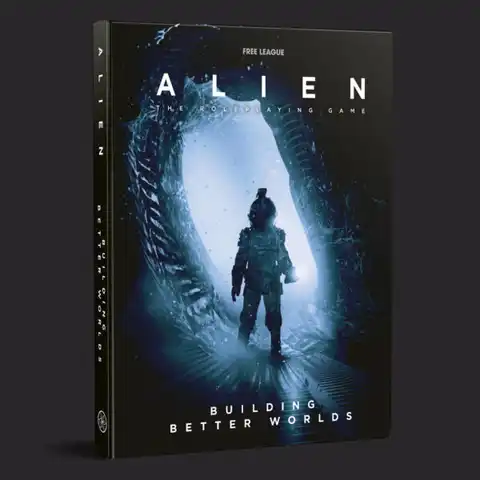
Alien is Free League's official sci-fi horror TTRPG, now centered on the Evolved Edition line: stress and panic, hidden agendas, lethal missions, and campaign books that support both cinematic one-shots and harsher frontier play.
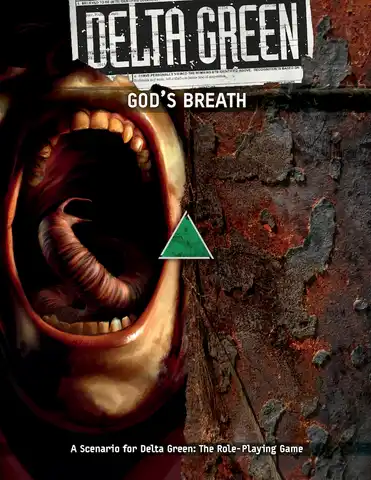
Delta Green is modern conspiracy horror about agents investigating the unnatural, burying the evidence, and watching the mission damage their sanity, relationships, and careers.
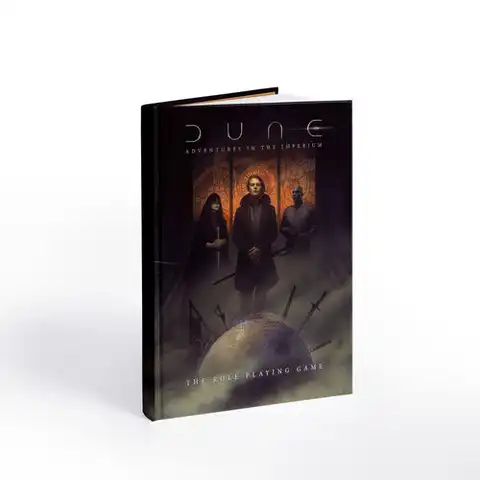
Dune: Adventures in the Imperium is a house-intrigue science-fiction TTRPG that turns Frank Herbert's setting into campaigns of leverage, espionage, duels, and political pressure rather than ship-crew sandboxing or constant firefights.
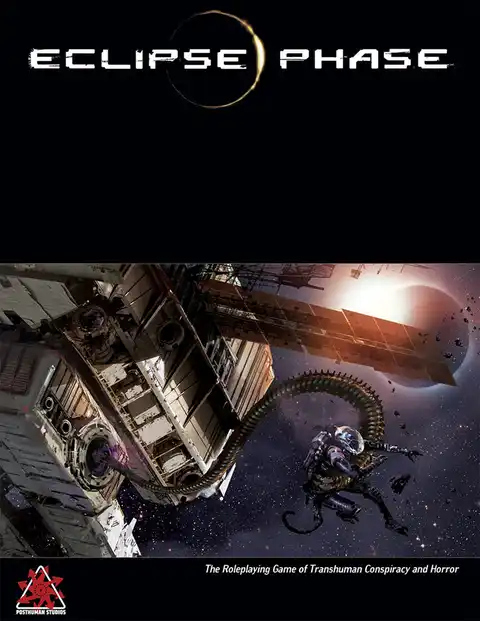
Eclipse Phase is a dense transhuman science-fiction TTRPG about Firewall missions, resleeving, politics, and existential horror, best for groups that want ideas and consequences to matter as much as action.
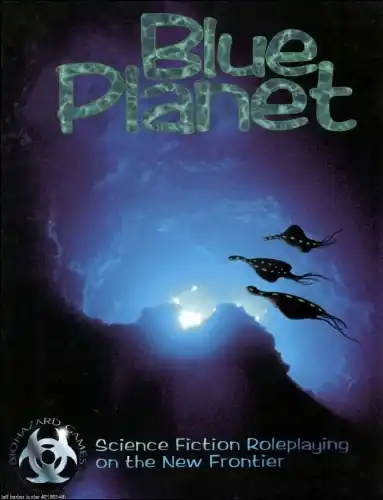
Blue Planet: Recontact is a hard-science-fiction TTRPG about life and conflict on Poseidon, an ocean colony where ecology, extraction, and alien mystery all push back on human ambition.
Hollows centers boss fights on facing, range, weapon patterns, telegraphed threats, and learning how each enemy controls the arena.
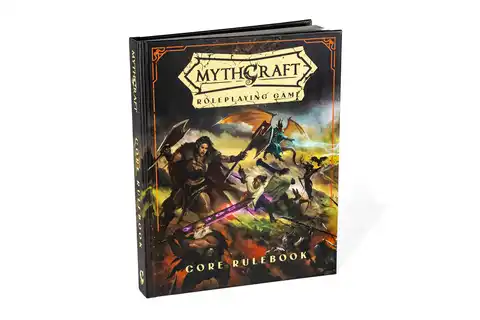
MythCraft belongs in Tactical Combat for groups that want d20 fantasy fights driven by action-point budgeting, reactive choices, spell costs, weapon AP costs, and build-specific combat options.
BEACON builds mission combat around modular characters, tempo, positioning, status effects, and combinations that reward coordinated experimentation.
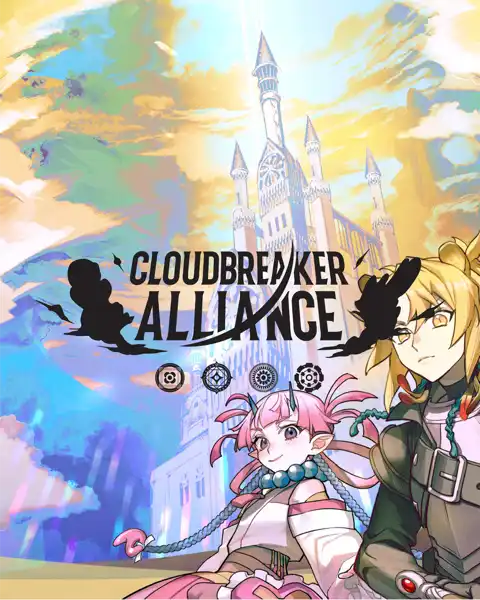
Cloudbreaker Alliance belongs in Tactical Combat because encounters are built around teamwork, monster weaknesses, class roles, and objective pressure rather than only abstract narrative positioning.
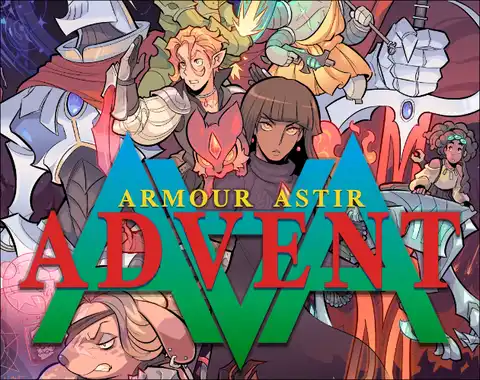
Armour Astir: Advent is a high-fantasy PbtA mecha TTRPG about rebel pilots, support crew, diplomats, spies, and magical Astirs fighting an oppressive authority.
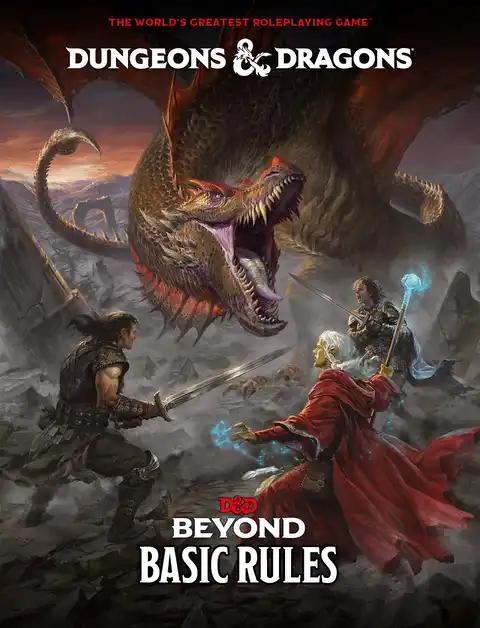
Dungeons & Dragons is the current heroic-fantasy baseline: class-and-level adventuring, d20 resolution, tactical set pieces, and the largest official and third-party support ecosystem in tabletop play.
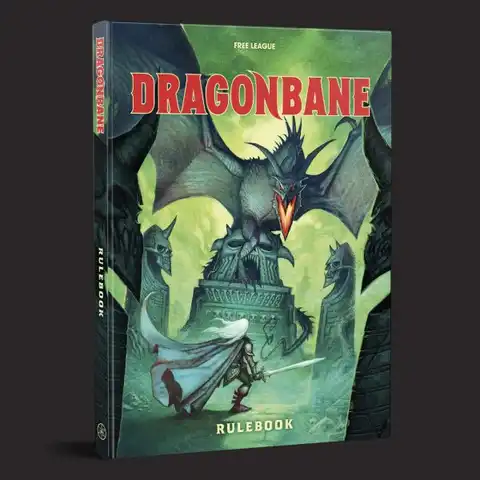
Dragonbane is Free League's fast fantasy TTRPG: roll-under d20 skills, brisk tactical combat, low-prep adventures, and a classic Misty Vale campaign frame with room for humor and real danger.
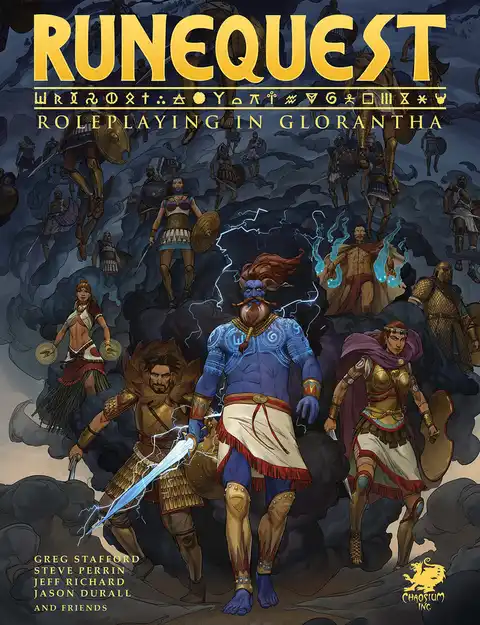
RuneQuest: Roleplaying in Glorantha is Chaosium's mythic fantasy TTRPG of cults, clans, dangerous combat, percentile skills, and adventurers whose magic and obligations are rooted in Glorantha.
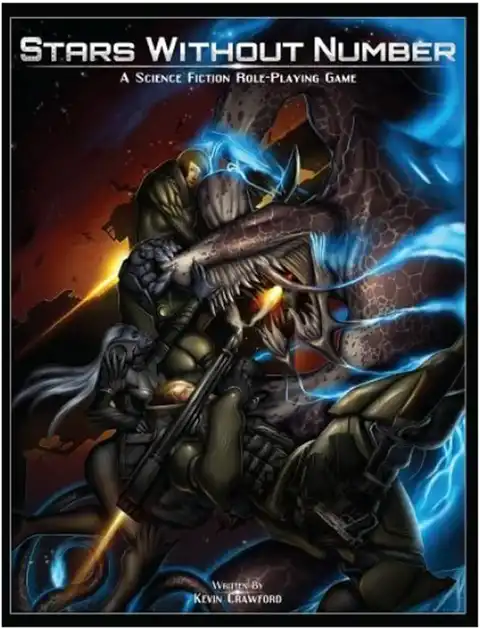
Stars Without Number is a science-fiction sandbox TTRPG built for sector exploration, faction pressure, patron jobs, and long-running crew campaigns, with some of the best GM worldbuilding tools in the genre.
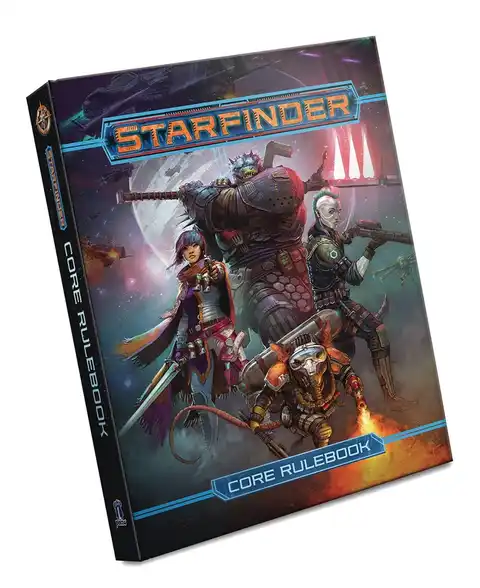
Starfinder is Paizo's science-fantasy TTRPG for crews of explorers, soldiers, mystics, and operators crossing the Pact Worlds with Pathfinder-compatible tactics, alien ancestries, and a ruleset that treats magic, firearms, hacking, and starship action as part of the same campaign.
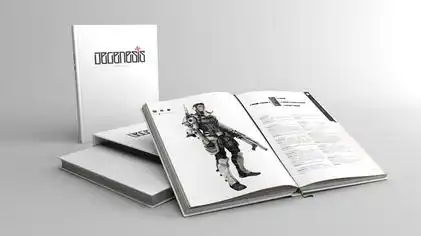
Degenesis: Rebirth is a free-to-play post-apocalyptic “Primal Punk” game of brutal cultures, cult politics, and survival in a shattered future Europe and North Africa.
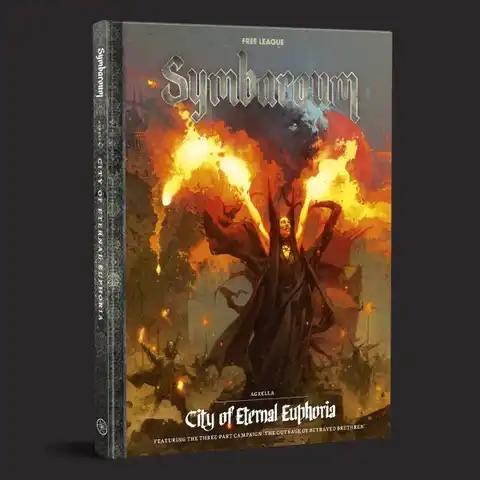
Symbaroum is a dark, player-facing fantasy game about corruption, ruin-hunting, and political pressure on the edge of the vast forest of Davokar.
Choose by the job at the table. For tactical combat TTRPGs, compare map use, encounter prep, action economy, build depth, lethality, and whether players enjoy reading the battlefield. If that sounds too abstract, ask what the game makes players decide in the first hour.
Use the top picks as contrasts. Daggerheart and Draw Steel are useful side-by-side because they show different ways this category can work. Pathfinder 2e adds the crunchy fantasy benchmark, while Starfinder helps test whether your table wants that same tactical clarity in a science-fantasy campaign.
Match scope before rules. Some tactical combat games are best as one-shots, some need a short arc, and some only reveal their strengths through campaign play. Decide that scope first, then choose the rules weight your group will actually tolerate.