
Pirouette
A solo horror ballet TTRPG where tarot prompts and a block tower turn one dancer's performance for an eldritch Audience into a ritual of exhaustion, injury, and perfection.
Card-based and diceless TTRPGs change the feel of uncertainty by replacing dice curves with hands, draws, tokens, judgment, or negotiated outcomes. Start with Alone in the Ancient City and Zombie World as comparison points, then move down the list based on the kind of mechanical focus your group actually wants.
When comparing card-based / diceless games, look at how players manage limited information, whether cards create pacing or theme, how conflicts resolve without dice, and how much tactile ritual the group wants. Those details matter more than the tag itself, because two games can share a category while asking completely different things from the GM and players.
Use this page as a focused starting point and follow the related categories when you need adjacent options. The goal is to answer the practical table question: which game will produce the kind of first session, campaign rhythm, and player buy-in your group is likely to enjoy?
These games work best when the table enjoys the altered rhythm rather than wishing the cards were just another randomizer.
A solo horror ballet TTRPG where tarot prompts and a block tower turn one dancer's performance for an eldritch Audience into a ritual of exhaustion, injury, and perfection.

Fight With Spirit uses cards as visible story procedure: traits, conditions, match prompts, and table-facing components help turn sports action into dramatic, character-driven scenes.
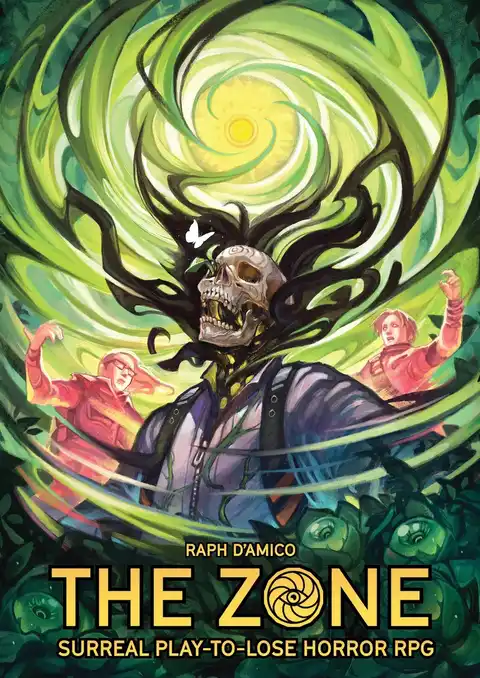
The Zone is Raph D'Amico's GMless, card-driven TTRPG of surreal play-to-lose horror, sending 1-6 doomed characters into an alien place that manifests their phobias and obsessions until mutation, death, and one final wish define the expedition.

Alice Is Missing fits Card-Based / Diceless play because relationships, suspects, locations, clues, and timed revelations are delivered through decks and prompts instead of traditional dice-heavy resolution or tactical subsystems.
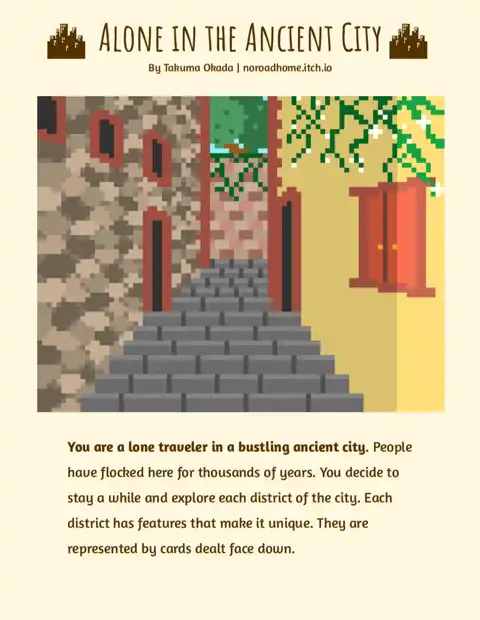
Alone in the Ancient City is a rules-lite solo journaling RPG about exploring the districts of a vast forgotten metropolis. Using a standard card deck and d6, players wander through crumbling neighborhoods, encounter strange inhabitants, and document their discoveries. Perfect for creative writing exercises and contemplative solo play sessions.
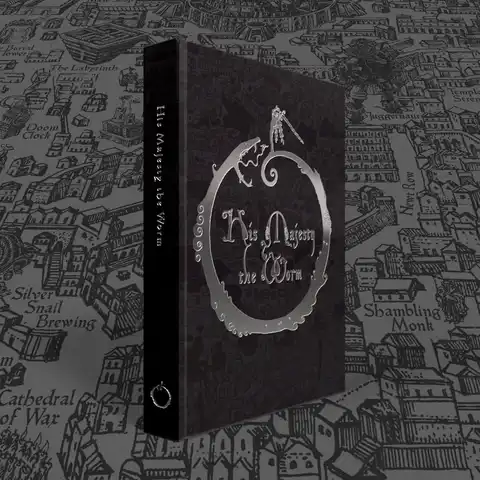
A tarot-powered megadungeon TTRPG about resource pressure, camp relationships, tactical card play, and long-term expeditions into the Underworld.
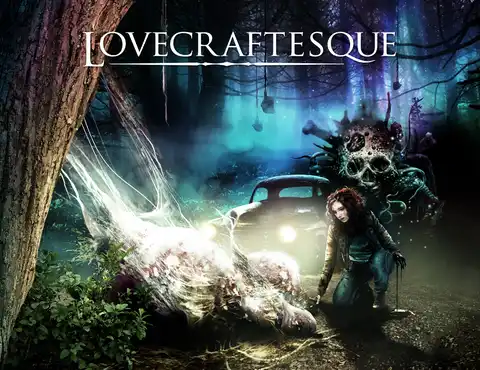
Second Edition uses cards for characters, locations, clues, roles, scenarios, and story phases, making the prompts and pacing procedures visible instead of burying them in a rulebook.
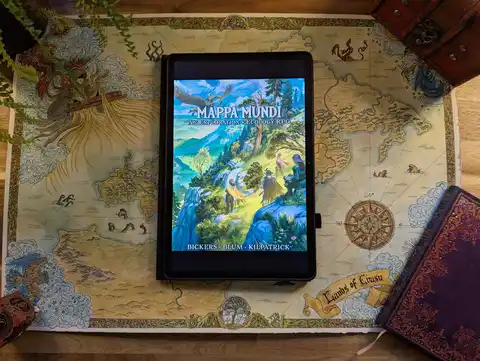
Mappa Mundi's 71-card Journey Deck materially structures travel through the Wilds, making cards part of exploration and discovery rather than just an optional reference aid.
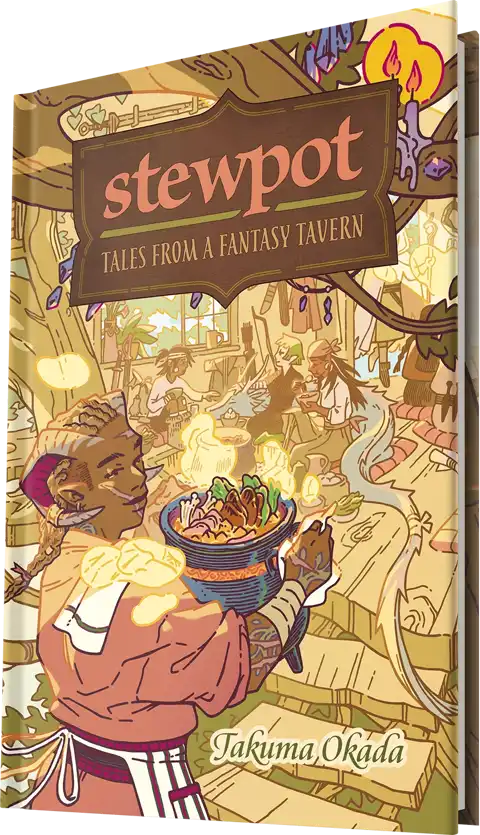
Stewpot fits Card-Based / Diceless because many scenes run on focused mini-game procedures using simple prompts, cards, dice, or other table objects instead of one tactical resolution engine.
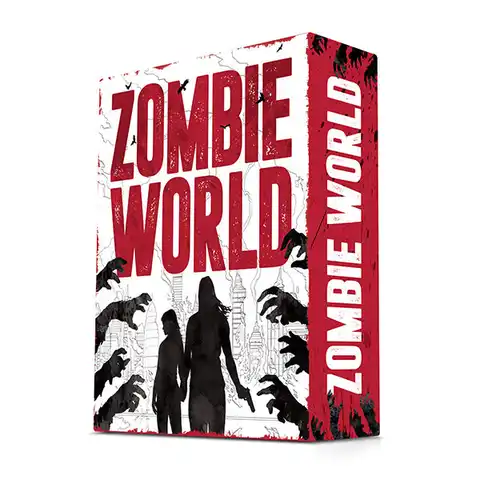
Zombie World is a card-based post-apocalyptic horror TTRPG about survivors trying to hold an enclave together while zombies, scarcity, and human conflict close in. It shines in one-shots and short campaigns that want quick setup, hard tradeoffs, and messy community drama more than tactical combat.
Choose by the job at the table. For card-based / diceless TTRPGs, compare how players manage limited information, whether cards create pacing or theme, how conflicts resolve without dice, and how much tactile ritual the group wants. If that sounds too abstract, ask what the game makes players decide in the first hour.
Use the top picks as contrasts. Alone in the Ancient City and Zombie World are useful side-by-side because they show different ways this category can work. The rest of the list adds narrower angles.
Match scope before rules. Some card-based / diceless games are best as one-shots, some need a short arc, and some only reveal their strengths through campaign play. Decide that scope first, then choose the rules weight your group will actually tolerate.