Mage: The Awakening
Best when the supernatural is about power, occult mysteries, hidden reality, and characters who can reshape the world.
Supernatural TTRPGs put ghosts, monsters, occult forces, spirits, or hidden powers into ordinary or fantastic lives. Start with Mage: The Awakening, Monster of the Week, The Dresden Files RPG, and Brindlewood Bay as comparison points, then move down the list based on the kind of genre your group actually wants.
When comparing supernatural games, look at mystery, horror intensity, player power level, faction politics, and whether supernatural forces are threats, identities, or tools. Those details matter more than the tag itself, because two games can share a category while asking completely different things from the GM and players.
The full list currently gives you 7 options, so use the top picks as anchors rather than treating the page like a simple popularity ranking. The goal is to answer the practical table question: which game will produce the kind of first session, campaign rhythm, and player buy-in your group is likely to enjoy?
Clarify whether characters investigate the supernatural, suffer from it, wield it, or become part of it.
Quick starting points if you want the clearest expressions of what Supernatural games do well.
Best when the supernatural is about power, occult mysteries, hidden reality, and characters who can reshape the world.
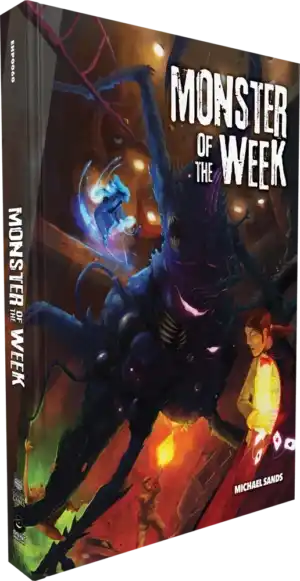
Start with Monster of the Week when you want a supernatural option that makes the category visible in play, not just in premise. Compare it on mystery, horror intensity, player power level, faction politics, and whether supernatural forces are threats, identities, or tools. It is especially strong for groups that want buffy, supernatural, x-files, or paranormal podcast-style cases and players who enjoy hunter...
Best for urban fantasy campaigns where magic, factions, supernatural politics, and a living city all matter.
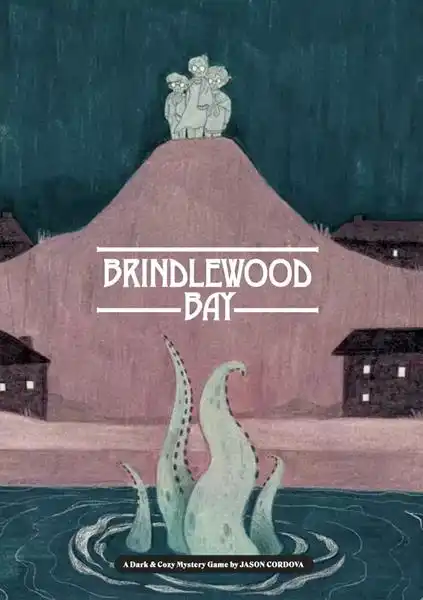
Start with Brindlewood Bay when you want a supernatural option that makes the category visible in play, not just in premise. Compare it on mystery, horror intensity, player power level, faction politics, and whether supernatural forces are threats, identities, or tools. It is especially strong for groups that want mystery play without rigid clue-chain dead ends and tables that enjoy roleplay-heavy scenes and...
Supernatural RPGs can point in very different directions. A monster-of-the-week campaign, an urban fantasy political game, a mage chronicle, and a cozy occult mystery all need different rules and different expectations.
| If your table wants... | Start with | Why it fits | Also compare |
|---|---|---|---|
| Episodic monster hunting inspired by TV cases | Monster of the Week | Playbooks, mysteries, weaknesses, and Keeper moves give the table a clear loop: investigate the threat, understand it, and face it. | PbtA and Horror. |
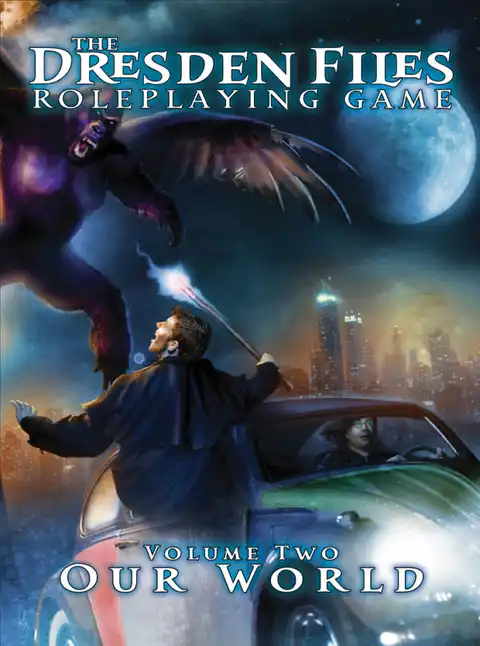
| Urban fantasy with magic, factions, and a city full of trouble | The Dresden Files RPG | It supports supernatural politics, magical characters, city-scale relationships, and cases that grow out of local tensions. | Urban Fantasy. |
| Occult power, hidden reality, and characters who can bend the world | Mage: The Awakening | It makes supernatural play about knowledge, power, mystery, magical practice, and the consequences of seeing too much. | Cosmic Horror if knowledge should feel dangerous. |
| Cozy mysteries that slowly reveal occult darkness | Brindlewood Bay | It starts with approachable murder mysteries, then lets supernatural patterns and hidden conspiracies creep into the campaign. | Mystery. |
| Gig-economy monster hunting and modern social pressure | iHunt | It frames supernatural threats through precarious work, apps, money, danger, and the cost of surviving in a strange economy. | Modern. |
| Ghosts, haunted work, and occult jobs in a darker industrial frame | Ghost Lines | It focuses supernatural pressure through dangerous work, spirits, trains, and a compact mission structure. | Narrative-Driven. |
Some supernatural games make characters hunters. Others make them spellcasters, investigators, workers, victims, or people with one foot in ordinary life and one foot in a secret society. That role changes the campaign more than the creature list does.
Supernatural games can be frightening, but they can also be investigative, political, action-forward, romantic, comedic, or cozy. Choose Horror when fear is the main pressure; choose Supernatural when hidden forces and impossible realities are the broader focus.
Use Monster of the Week when your table wants supernatural play to shape real choices. It is most worth comparing for mystery, horror intensity, player power level, faction politics, and whether supernatural forces are threats, identities, or tools. Monster of the Week is a tabletop role-playing game that empowers players to take on the roles of monster...
Use Brindlewood Bay when your table wants supernatural play to shape real choices. It is most worth comparing for mystery, horror intensity, player power level, faction politics, and whether supernatural forces are threats, identities, or tools. Brindlewood Bay is a mystery-horror tabletop RPG about elderly amateur sleuths solving strange crimes in a cozy...
Use City of Judas when your table wants supernatural play to shape real choices. It is most worth comparing for mystery, horror intensity, player power level, faction politics, and whether supernatural forces are threats, identities, or tools. City of Judas is an indie RPG with an urban, spiritually charged frame that leans into pressure, loyalty, and...
Use Ghost Lines when your table wants supernatural play to shape real choices. It is most worth comparing for mystery, horror intensity, player power level, faction politics, and whether supernatural forces are threats, identities, or tools. Ghost Lines is a lean haunted-industrial RPG about train crews, lightning barriers, and dangerous work on the...
Use iHunt when your table wants supernatural play to shape real choices. It is most worth comparing for mystery, horror intensity, player power level, faction politics, and whether supernatural forces are threats, identities, or tools. iHunt is a modern urban fantasy RPG about gig-economy monster hunting, rent pressure, and surviving a world that is happy...
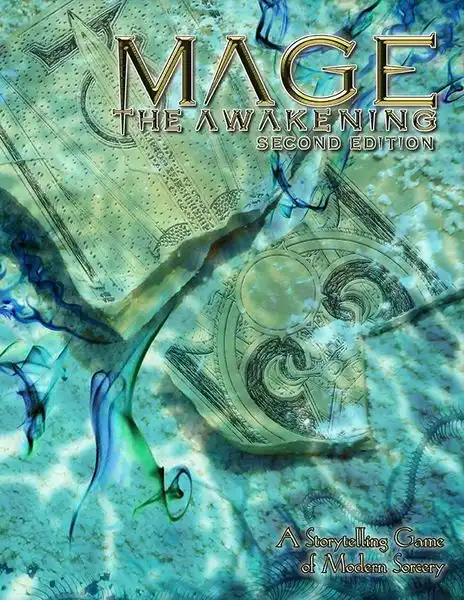
Use Mage: The Awakening when your table wants supernatural play to shape real choices. It is most worth comparing for mystery, horror intensity, player power level, faction politics, and whether supernatural forces are threats, identities, or tools. Mage: The Awakening is a modern occult RPG about willworkers, hidden orders, and dangerous magic that...
Use The Dresden Files RPG when your table wants supernatural play to shape real choices. It is most worth comparing for mystery, horror intensity, player power level, faction politics, and whether supernatural forces are threats, identities, or tools. The Dresden Files RPG immerses players in a modern urban fantasy world filled with supernatural intrigue,...
Urban fantasy focuses supernatural forces through modern cities, hidden societies, magic, factions, and everyday life.
Use horror when supernatural forces should create fear, vulnerability, dread, or survival pressure.
Many supernatural campaigns are built around strange cases, clues, hidden motives, and impossible revelations.
PbtA games such as Monster of the Week are strong when supernatural play should move through character-driven episodes and hard choices.