Top pick
Pathfinder 2e
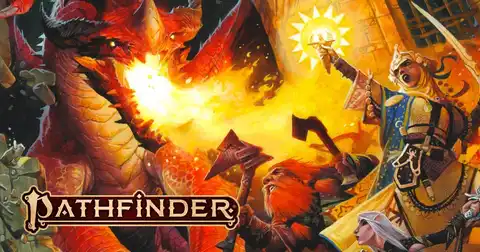
Choose Pathfinder 2e for precise fantasy combat, reliable encounter building, and deep character options supported by a clear rules framework.
Rules-heavy TTRPGs give detailed procedures, character options, and system mastery a large role at the table. They reward groups that want the rules to model difficult choices instead of resolving most situations with a small universal move.
On TTRPG Games, Rules Heavy is the default home for complexity scores 4 and 5. That can mean tactical encounters, dense character building, simulation tools, specialized subsystems, or a campaign engine with many interacting parts; it does not mean every game uses a grid or that heavier rules are automatically better.
Before choosing one, decide where your group wants detail: encounter tactics, character construction, equipment, magic, investigation, or campaign procedure. Then check whether the first-session learning load and the facilitator's reference burden match the time your table can invest.
Quick starting points if you want the clearest expressions of what Rules Heavy games do well.
Choose Pathfinder 2e for precise fantasy combat, reliable encounter building, and deep character options supported by a clear rules framework.
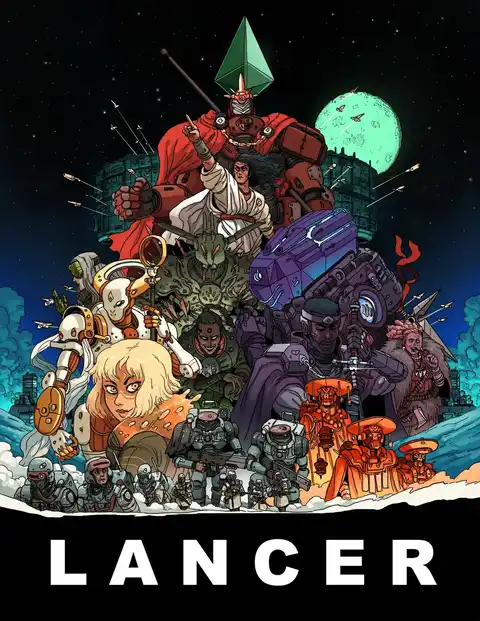
Choose Lancer when you want the rules weight concentrated in tactical mech missions while pilot scenes remain comparatively light.
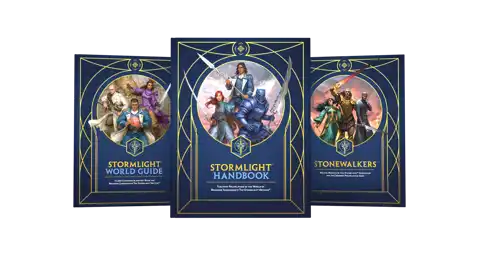
Cosmere RPG is Brotherwise and Dragonsteel's heroic fantasy TTRPG for Brandon Sanderson's shared universe, built on a d20 chassis with talent-tree advancement, skill-based Invested Arts, and Plot Die twists. The current line centers on Stormlight's Roshar, with Mistborn books expanding the same framework in Fall 2026.
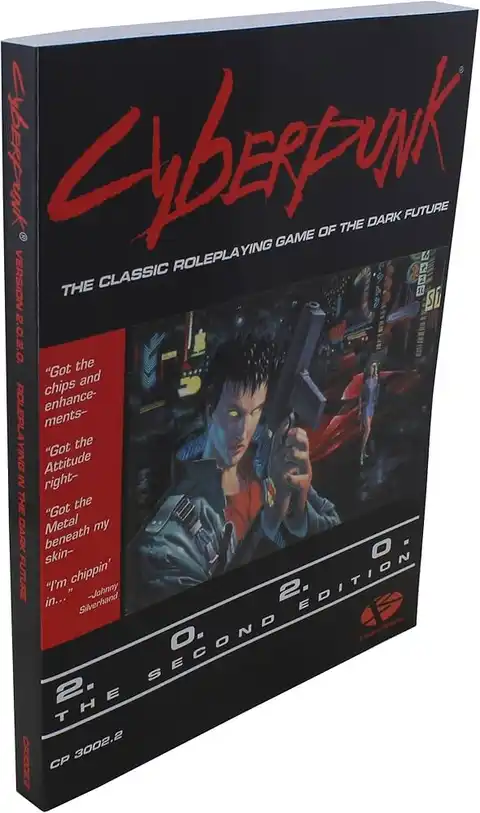
Cyberpunk 2020 is Mike Pondsmith and R. Talsorian Games' classic Night City TTRPG: lethal Interlock combat, Lifepath-driven characters, cyberware, netrunning, and street-level jobs under corporate power.
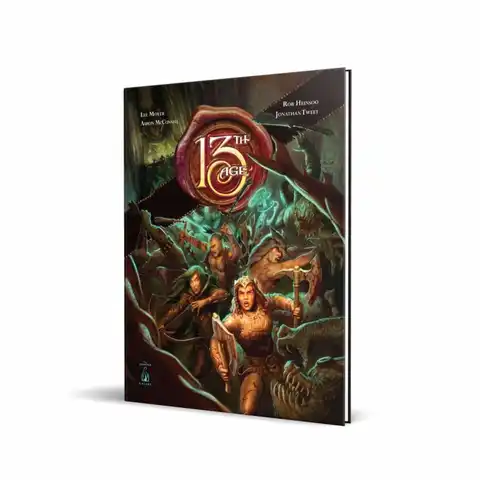
13th Age is a heroic-fantasy d20 TTRPG that keeps classes, levels, and satisfying fights, then adds Icons, One Unique Thing, and the Escalation Die to make campaigns move faster and feel more story-shaped.
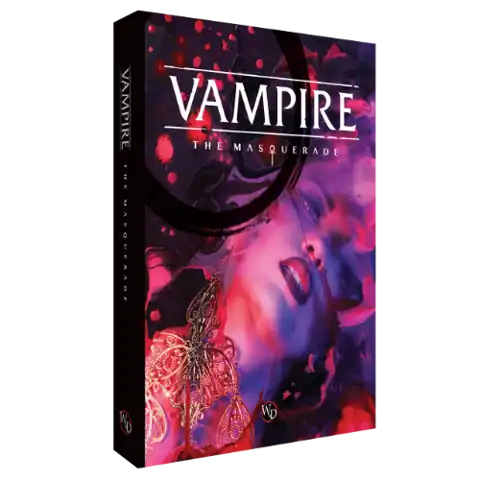
Vampire: The Masquerade is a gothic-punk TTRPG of personal and political horror where vampires juggle hunger, humanity, coterie loyalty, and city power.
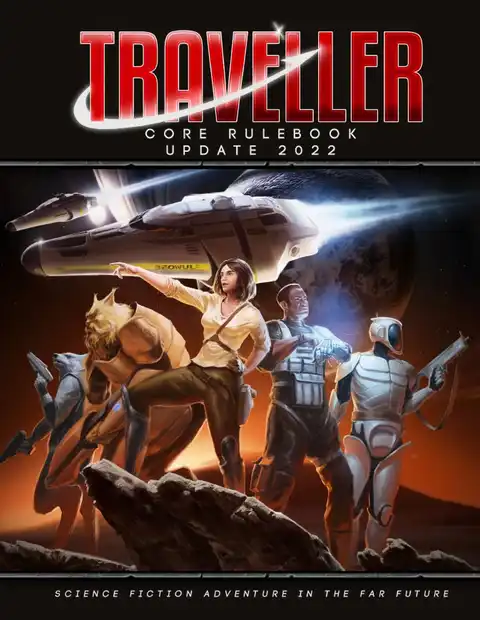
Traveller is a classic science-fiction TTRPG about lifepath crews, starships, trade, patrons, exploration, politics, and practical risk across a grounded interstellar sandbox.
Pathfinder 2e turns rules mastery into visible table choices through its three-action economy, tightly defined conditions, encounter math, and broad character-building paths.
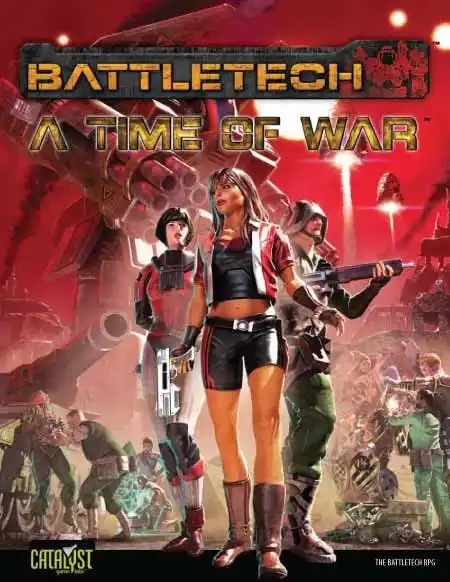
BattleTech is a military-science-fiction TTRPG line about mercenaries, house troops, spies, and support crews living inside an interstellar war machine, with a lighter narrative path in MechWarrior: Destiny and a denser campaign engine in A Time of War.
BESM (Big Eyes, Small Mouth) is Mark MacKinnon's long-running anime and manga TTRPG, now centered on Dyskami's fourth-edition line. Its Tri-Stat engine uses point-buy characters and a universal toolkit to handle school comedy, fantasy quests, mecha action, and stranger genre mashups. It shines when a GM and players want bespoke protagonists and are willing to set tone and power limits up front.
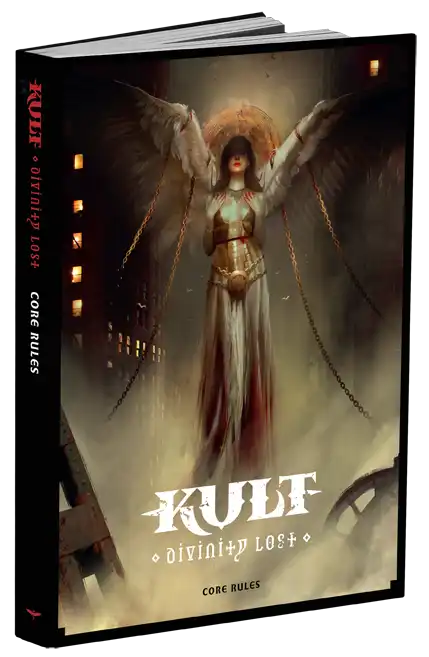
Kult: Divinity Lost is Helmgast's fourth-edition modern horror TTRPG: a move-driven occult nightmare where reality is a prison, revelation is corrosive, and the strongest campaigns turn shame, temptation, and hidden truths into the real monsters.
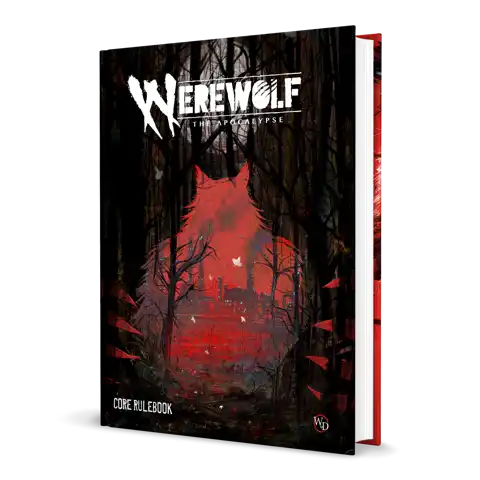
A pack-focused World of Darkness horror TTRPG about Garou fighting ecological and spiritual collapse, best for groups that want Rage, Renown, and hard moral pressure in a long-running chronicle.
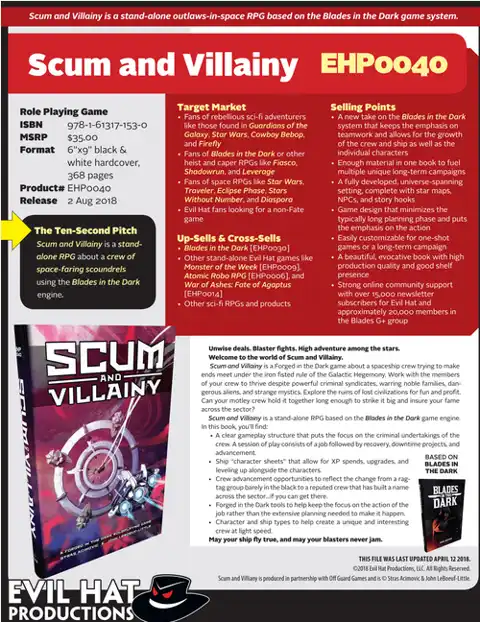
Scum and Villainy is a Forged in the Dark space-western about a crew of criminals, rebels, or bounty hunters taking risky jobs while their ship, debts, and reputation all hang in the balance. It is best for groups that want cinematic capers and crew-level campaign pressure rather than tactical ship simulation.
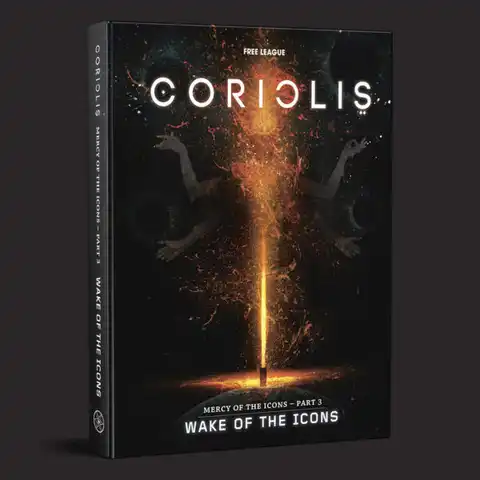
Coriolis is a crew-based science-fiction TTRPG about ship travel, faction politics, faith, old ruins, and cosmic mystery in the Third Horizon, using the Year Zero Engine for medium-crunch campaigns with real consequences.
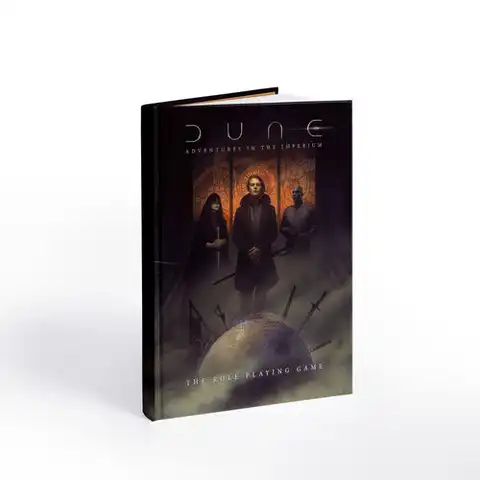
Dune: Adventures in the Imperium is a house-intrigue science-fiction TTRPG that turns Frank Herbert's setting into campaigns of leverage, espionage, duels, and political pressure rather than ship-crew sandboxing or constant firefights.
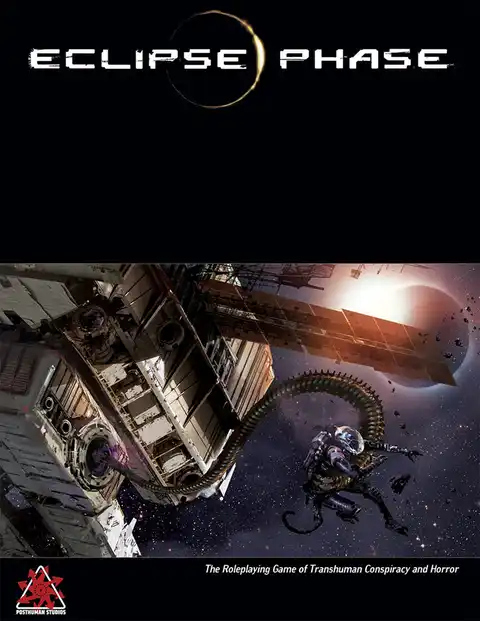
Eclipse Phase is a dense transhuman science-fiction TTRPG about Firewall missions, resleeving, politics, and existential horror, best for groups that want ideas and consequences to matter as much as action.
Blue Planet: Recontact is a hard-science-fiction TTRPG about life and conflict on Poseidon, an ocean colony where ecology, extraction, and alien mystery all push back on human ambition.
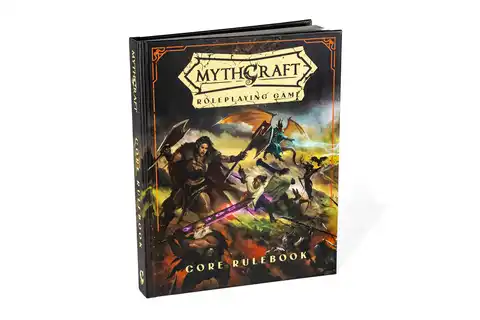
MythCraft is QuasiReal's standalone d20 fantasy TTRPG, built around medium-crunch character customization, 13 core classes, lineages, Backgrounds/Occupations/Professions, five magic sources, and action-point combat.
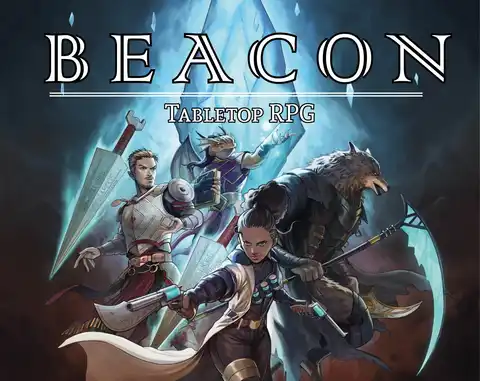
BEACON TTRPG is Tim Gonzalez's tactical high-fantasy game about heroic Beacons defending a custom Reflection from its Scourge, pairing PbtA-inspired narrative play with Lancer-like class, loot, and grid-combat buildcraft.
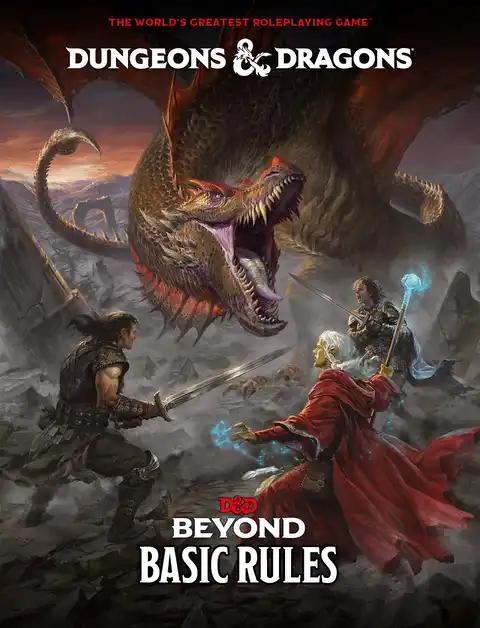
Dungeons & Dragons is the current heroic-fantasy baseline: class-and-level adventuring, d20 resolution, tactical set pieces, and the largest official and third-party support ecosystem in tabletop play.
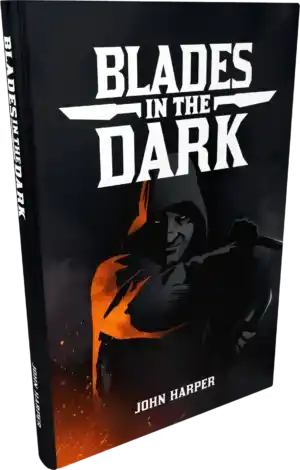
Blades in the Dark is John Harper's haunted-industrial heist TTRPG: a crew-based campaign game where flashbacks, stress, heat, and faction fallout turn every score into more trouble.
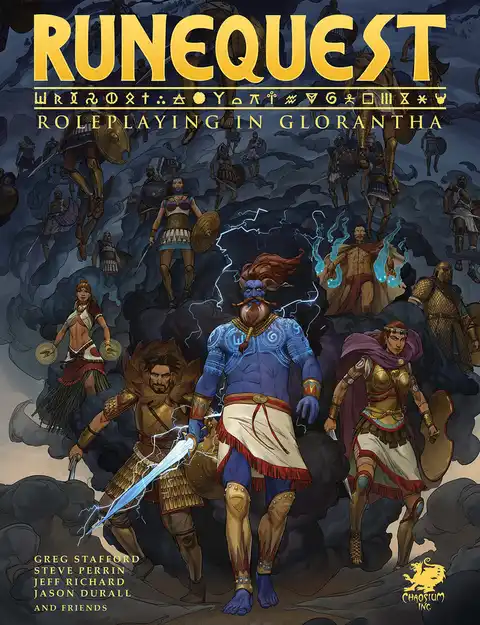
RuneQuest: Roleplaying in Glorantha is Chaosium's mythic fantasy TTRPG of cults, clans, dangerous combat, percentile skills, and adventurers whose magic and obligations are rooted in Glorantha.
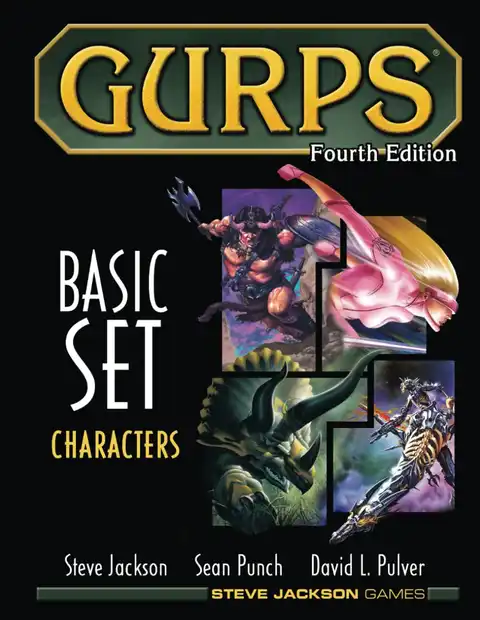
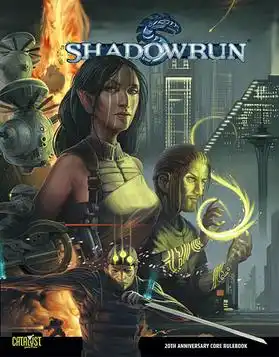
Choose the kind of complexity you want. Pathfinder 2e is the strongest all-purpose fantasy choice for balanced encounters and build depth. Lancer concentrates its weight in tactical mech missions. GURPS offers a modular toolkit for groups that want to decide what to simulate. Shadowrun combines cyberpunk operations, magic, gear, combat, and hacking in a deliberately layered campaign game.
Separate breadth from table speed. A large rulebook can run quickly once everyone knows the procedures, while a smaller game can still demand difficult improvisation. Check character creation, encounter structure, reference load, and facilitator prep separately.