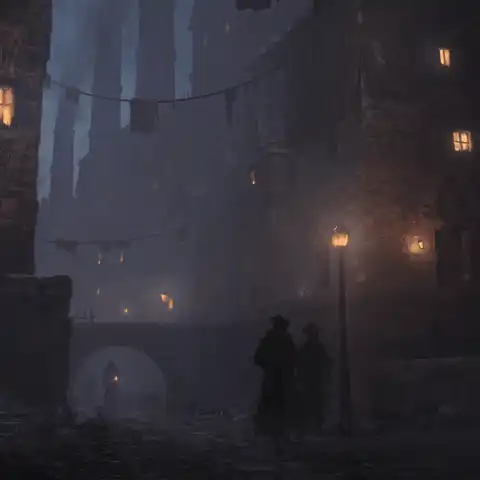
Hollows
Hollows fits Cooperative play because its boss fights are explicitly about players supporting one another, holding the line, and building tactics around the group's combined position.
Cooperative TTRPGs work best when the group wants shared problems, collective decisions, and a strong sense that characters succeed or fail together. The label can point to GM-led team play, GM-less procedures, co-op campaign modes, or games where the table shares more authorship than a traditional party structure.
When comparing cooperative games, look at whether the rules actually support shared planning, whether spotlight rotates cleanly, how conflict inside the group is handled, and whether the game gives players enough structure to collaborate without stalling.
Cooperative does not always mean gentle. Some games use cooperation to survive horror, scarcity, mystery, or political pressure. Choose based on the kind of pressure the group wants to face together.
Hollows fits Cooperative play because its boss fights are explicitly about players supporting one another, holding the line, and building tactics around the group's combined position.
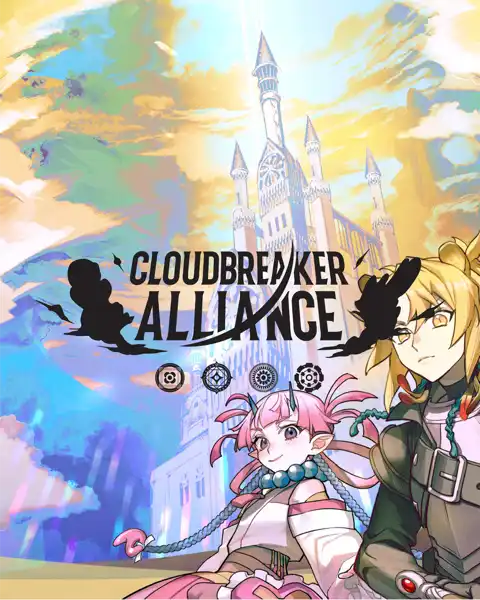
Cloudbreaker Alliance is cooperative at the premise level: characters work as an Alliance, combine class roles, and often try to understand or neutralize monsters instead of treating every creature as loot.
Agêratos is a narrative-driven, fiction-first TTRPG system where players and GM alike share authorship of the story. The system’s focus is of collective, emergent storytelling revolving around who has control of the story—called Saga Control—and the narrative impact this control can have. Minimal rules, setting-agnostic, and designed to adapt to your play style, Agêratos is about freeing your creativity and imagination—not curtailing it. Craft Sagas of any setting, any genre, any theme—truly the only limit is your imagination.
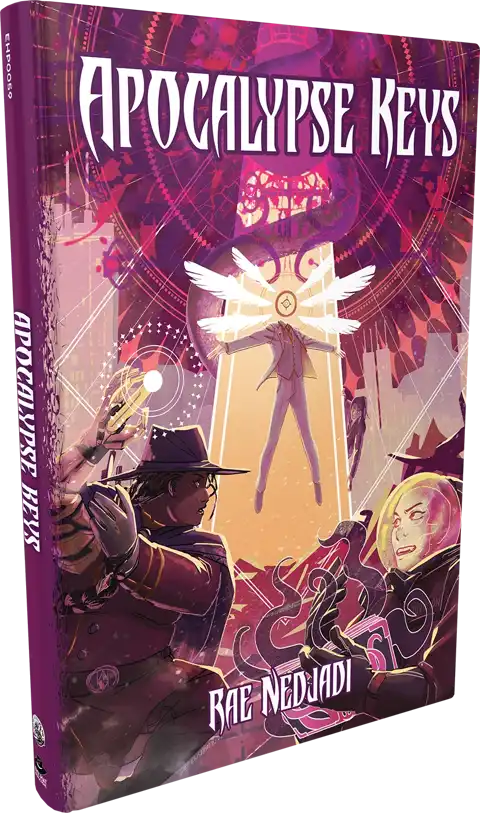
Apocalypse Keys is cooperative because the agents' bonds are not optional color: the team needs shared trust and emotional connection to hold back Doom.
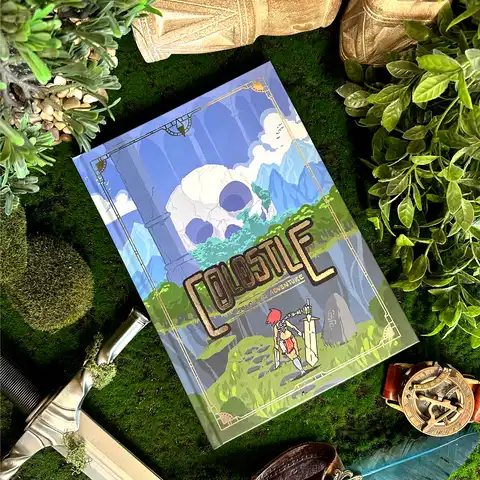
Colostle’s core includes a documented two-player cooperative variant of its solo exploration game. This assignment reflects that optional shared mode, rather than assuming every GMless game is cooperative.