Top pick
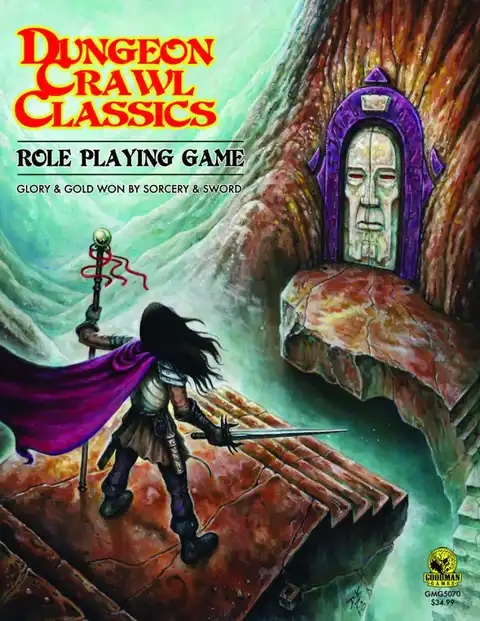
Dungeon Crawl Classics
Choose Dungeon Crawl Classics when funnels, dangerous magic, luck, and gonzo modules make each expedition unpredictable and costly.
Best Dungeon-Crawl TTRPGs collect games where exploring dangerous keyed sites while managing time, resources, risk, and discovery is a repeatable core loop. The label is useful only when it predicts what the table repeatedly does, not when it describes a passing scene, optional supplement, or superficial aesthetic.
A game does not qualify merely because it can contain a dungeon; its procedures and campaign incentives must make site exploration matter. The reviewed launch set contains 14 current games, and membership is intentionally narrower than every title that could imitate the idea with enough facilitator work.
Choose how much you want combat balance, mapping, inventory pressure, character durability, and compatibility with classic modules. Use the featured choices below as contrasting starting points, then compare rules weight, facilitator role, session length, campaign support, and content guidance on each game profile.
Quick starting points if you want the clearest expressions of what Dungeon Crawl games do well.
Choose Dungeon Crawl Classics when funnels, dangerous magic, luck, and gonzo modules make each expedition unpredictable and costly.
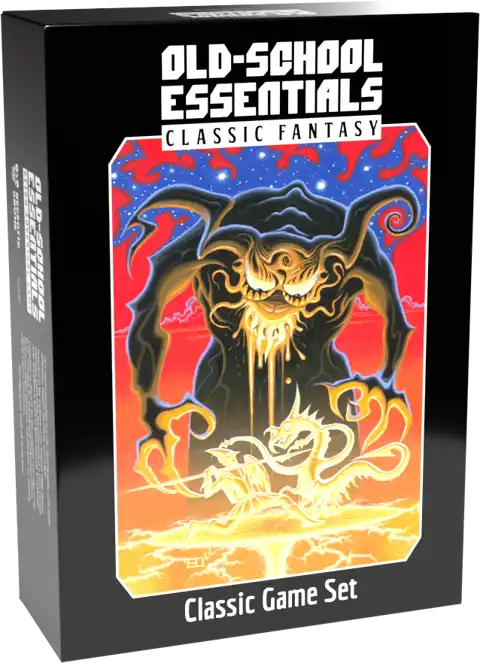
Choose Old-School Essentials when clean B/X procedures and broad module compatibility provide the clearest classic dungeon baseline.
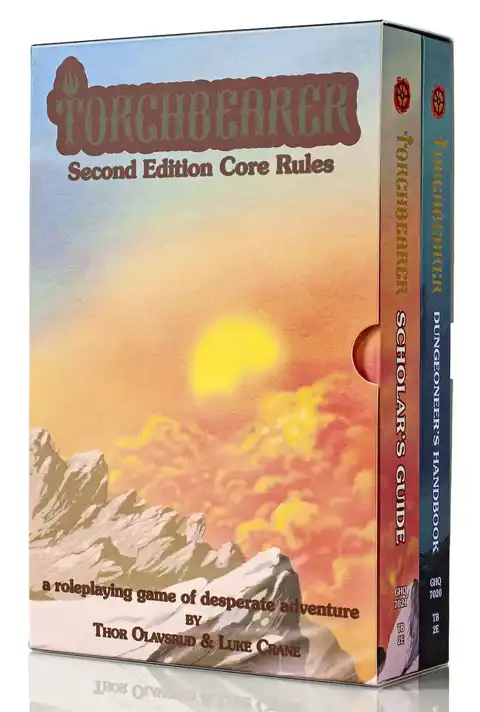
Choose Torchbearer when turns, conditions, light, inventory, and camp phases make attrition the explicit engine of every delve.

Choose Trophy when incursions and mounting ruin reshape dungeon exploration as tragic story-focused horror.
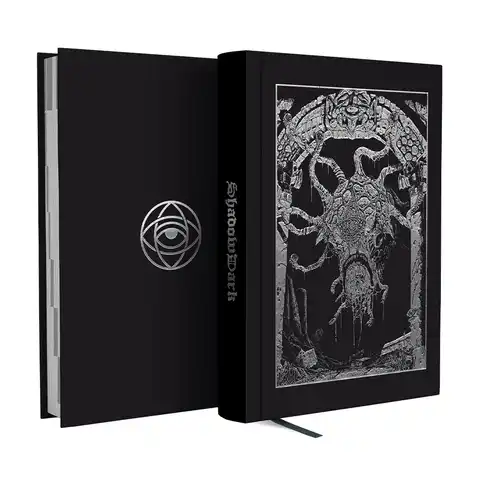
Shadowdark is a class-based dark-fantasy dungeon crawler by Kelsey Dionne and The Arcane Library. It combines old-school expedition pressure with modern usability, real-time torch timers, risky magic, and fast rulings for groups that want dangerous crawls without a huge rules burden.
Old-School Essentials belongs in this category because clean B/X procedures and broad module compatibility provide the clearest classic dungeon baseline.
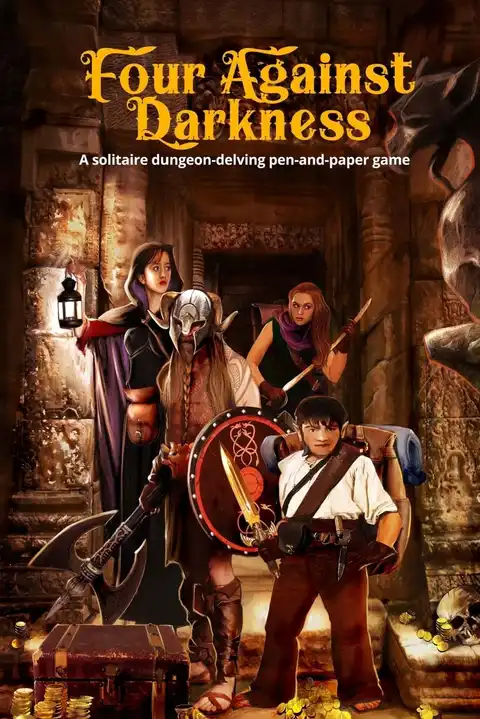
Four Against Darkness is a procedural solo dungeon-crawling game where you generate the labyrinth room by room, control a party of four, and push on until resources or luck run out.
A Torch in the Dark is a pure dungeon crawl: nine dungeons, more than 450 card prompts, optional face-card challenges for extra treasure, and a Jack-card lord to defeat at the bottom.
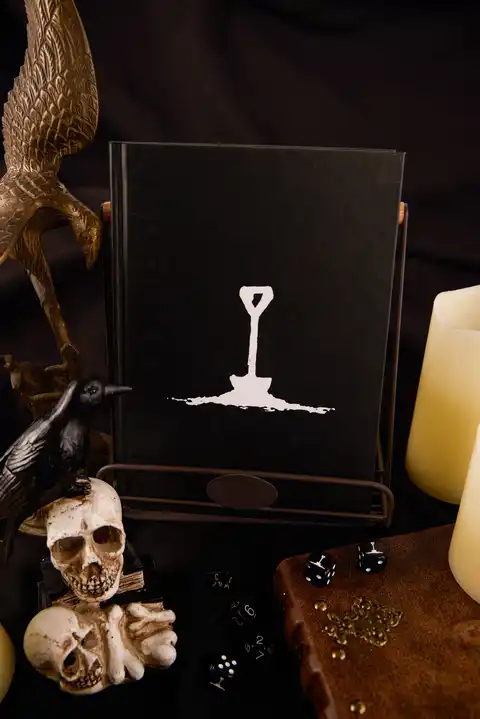
Best Left Buried is built around the Crypt: strange environments, cryptic puzzles and terrifying monsters, with strong GM advice on designing your own in the Doomsayer's Guide.
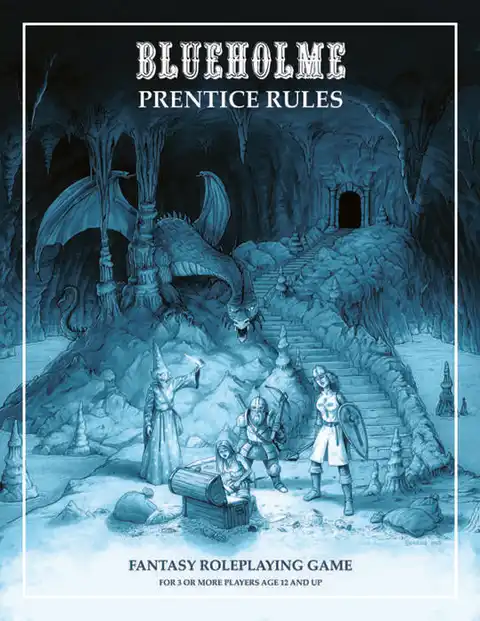
BlueHolme fits Dungeon Crawl because it restates the 1977 Holmes Basic rules, which centre play on exploring dungeon levels with torches, traps and wandering monsters.
A classless fantasy adventure game in the Into the Odd lineage, Cairn 2e pairs dangerous exploration with fast d20 saves, inventory pressure, and unusually usable Warden support.
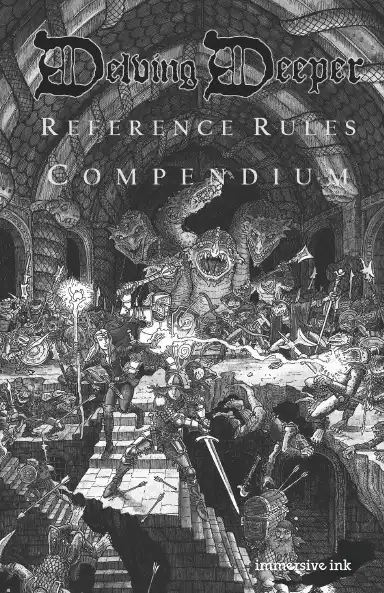
Delving Deeper's referee volume covers creating and populating a dungeon level by level, with ten-minute exploration turns, x-in-6 checks for doors and traps, and deeper levels that are deadlier and richer.
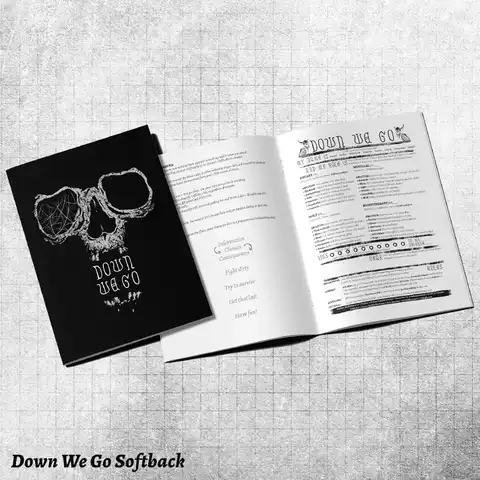
Down We Go is built around delves: go down, grab what you can and bring it back to Infinopolis.
Dungeon Crawl Classics belongs in this category because funnels, dangerous magic, luck, and gonzo modules make each expedition unpredictable and costly.
DURF tracks ten-minute turns, torches, Supply and random encounters for classic dungeon delving.
Errant runs dungeons in ten-minute exploration turns, with an event die, light that burns down, mapping, doors, lockpicking, traps, stealth and harvesting materials from monsters.
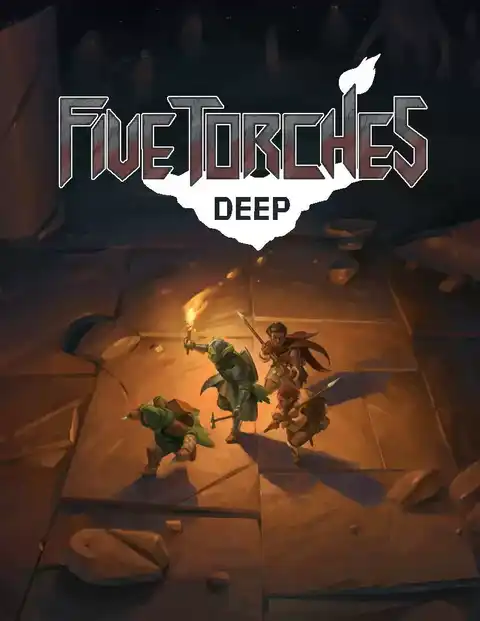
Five Torches Deep fits Dungeon Crawl because it rebuilds 5e around scarce light, heavy packs, deadly fights and classic party delves.
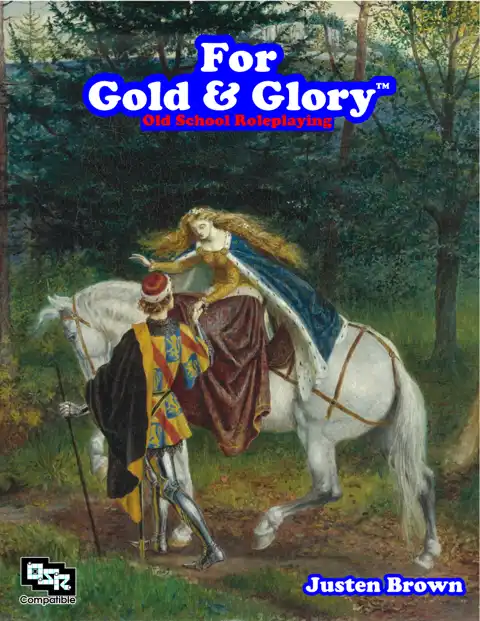
For Gold & Glory has everything for 2e-style dungeon crawling except the dungeon: THAC0 combat, thief skills, treasure hoard tables and a 60-page bestiary.

A surreal horror-delve TTRPG from Rowan, Rook and Decard where doomed delvers descend beneath Spire, chase impossible desires, and let Beats, stress, and Fallout turn every expedition into costly change.
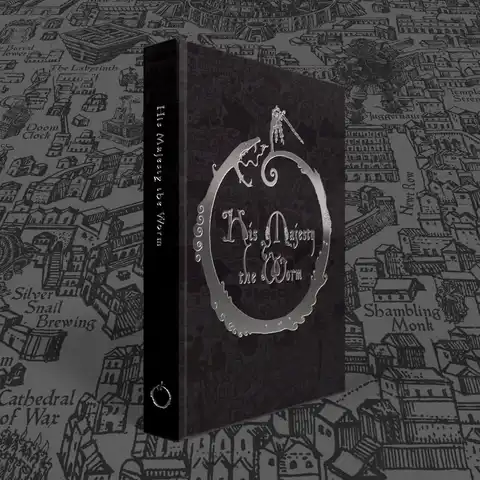
A tarot-powered megadungeon TTRPG about resource pressure, camp relationships, tactical card play, and long-term expeditions into the Underworld.

Into the Dungeon: Revived is built for delving, with example traps, obstacles and random encounters, quick lethal combat, and guidance for converting monsters from any D&D system.
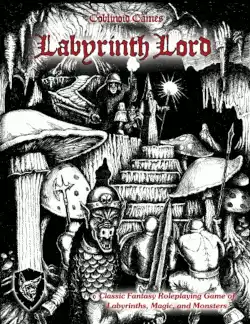
Labyrinth Lord tracks turns, light, encumbrance and wandering monsters, and awards experience for treasure brought out alive.
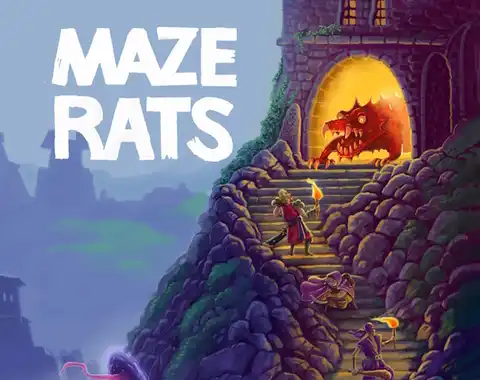
Maze Rats calls its dungeons the Maze and gives the GM tables to roll one up at the table, along with monsters built from an animal base, traits, tactics and a weakness.

Mazes is a modernised classic dungeon delve, with Darkness and Treasure economies that pace the maze, wandering monsters, hazards and OSR conversion guidance.

OSRIC is built for classic dungeon delving, with light, time, encumbrance and wandering monsters, plus decades of compatible modules.

Runecairn's core loop is the delve: push through a barrow, ruin or cave, rest at bonfires, die, return and finally beat the boss. The Wardensaga includes a random delve generator and the tutorial dungeon Beneath the Broken Sword.
Searchers of the Unknown is built to run classic dungeon modules, with monster stats that need no conversion.
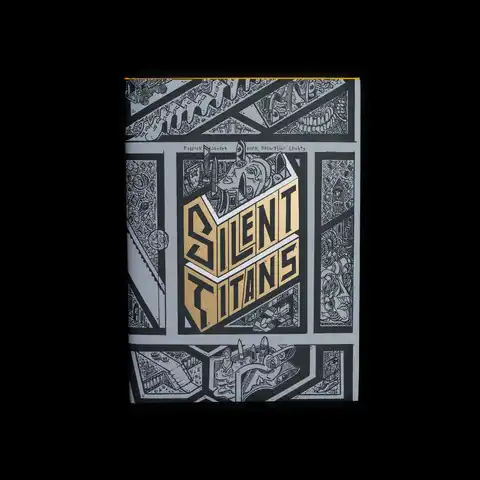
Silent Titans has five unique non-Euclidean dungeons, one inside each sleeping Titan's mind, where players must steal Golden Thoughts.
Start with the table experience, not the label. These four picks show different ways the category can work.
Check the practical fit. A shared category does not guarantee the same learning curve, preparation load, group size, emotional intensity, or campaign length. Read the individual profiles before committing a group.