Top pick
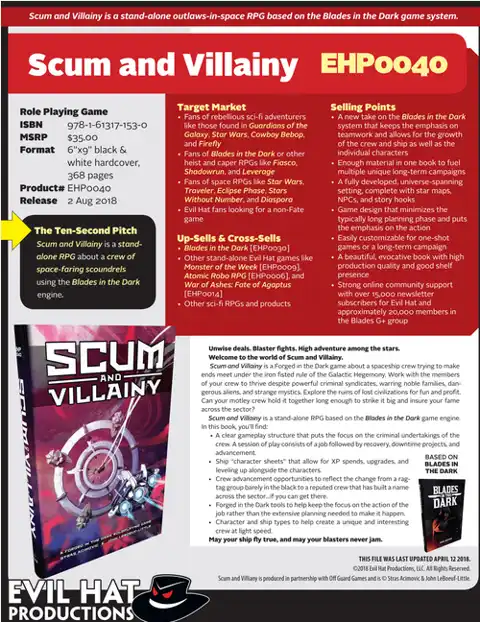
Scum and Villainy
Start here for the clearest campaign loop. Scores, downtime, faction pressure, heat, and crew advancement produce a space-western rhythm without requiring the GM to invent a new structure each session.
Space-western TTRPGs combine frontier distance, precarious settlements, outlaw crews, debt, dangerous travel, and institutions that cannot fully control the places between worlds. The useful distinction is not whether a game has blasters and dusty ports; it is what the frontier makes characters do.
Start with Scum and Villainy for structured jobs and crew advancement, Offworlders for a light sandbox, Orbital Blues for melancholy character drama, or Vast Grimm for lethal science-fantasy horror. Compare mission structure, travel procedures, settlement pressure, debt, law, and how much campaign play revolves around the crew as a shared identity.
This category is narrower than general science fiction and more grounded than broad space opera. Use it when the table specifically wants frontier communities, jobs, isolation, and the tension between freedom and survival.
Quick starting points if you want the clearest expressions of what Space Western games do well.
Start here for the clearest campaign loop. Scores, downtime, faction pressure, heat, and crew advancement produce a space-western rhythm without requiring the GM to invent a new structure each session.
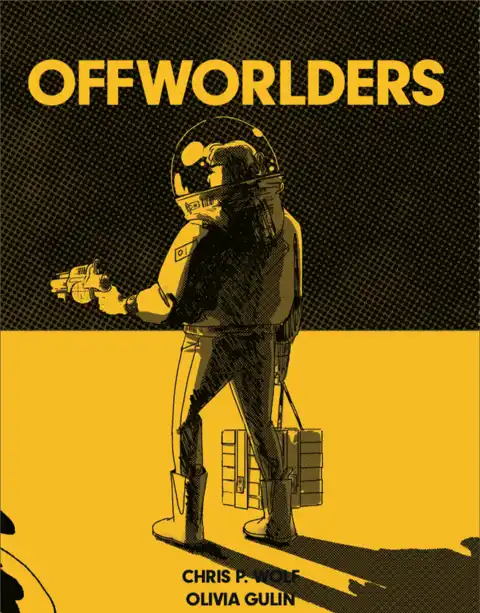
Choose Offworlders for the lightest rules load and lowest prep. It is the easiest option for a table that wants to discover the frontier through play instead of learning an extensive setting first.
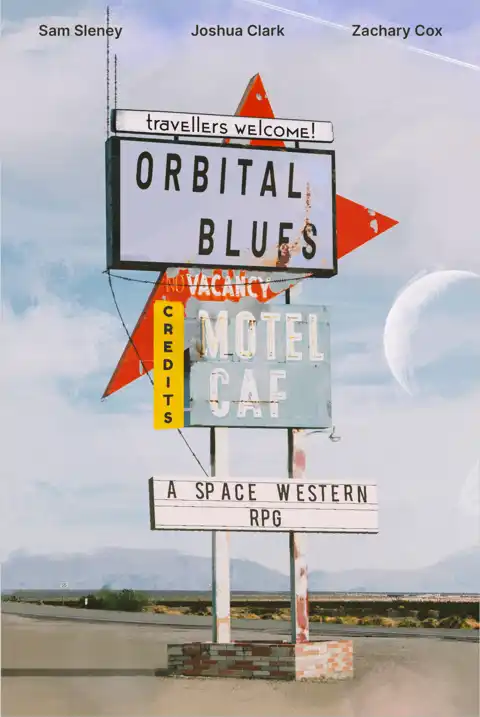
Choose Orbital Blues when the table wants sad-space-cowboy atmosphere and character drama to matter as much as jobs, guns, and getting paid.
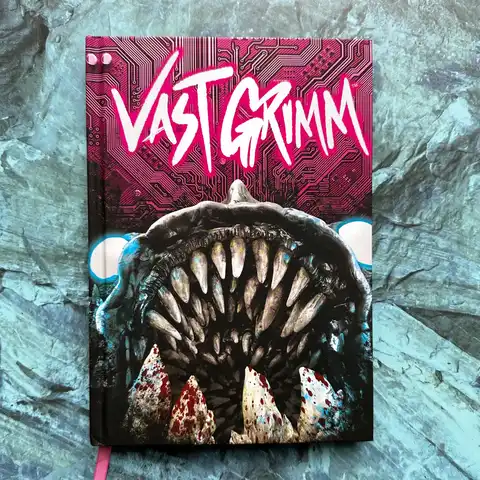
Choose Vast Grimm for the harshest and strangest version of this category: fast characters, high lethality, grotesque threats, and a frontier that feels actively hostile.
Choose by the job at the table. For space-western TTRPGs, compare crew focus, settlement pressure, travel, debt or outlaw status, whether the tone is gritty or pulpy, and how much western genre DNA remains. If that sounds too abstract, ask what the game makes players decide in the first hour.
Use the top picks as contrasts. Offworlders and Orbital Blues are useful side-by-side because they show different ways this category can work. Vast Grimm adds another angle.
Match scope before rules. Some space-western games are best as one-shots, some need a short arc, and some only reveal their strengths through campaign play. Decide that scope first, then choose the rules weight your group will actually tolerate.
Scum and Villainy makes the outlaw crew the campaign's center: jobs create heat, entanglements and faction consequences, while the ship and crew sheet turn shared reputation into advancement.
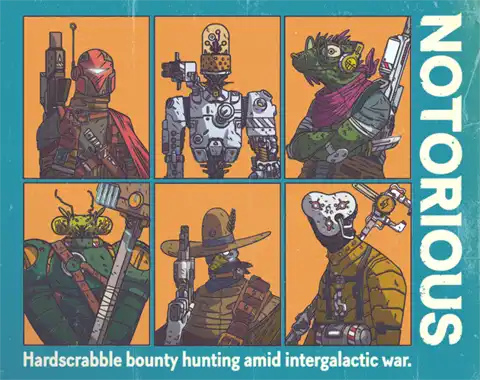
Notorious is a solo science-fiction TTRPG about Nomads, feared bounty hunters taking dangerous contracts amid intergalactic war. It uses two six-sided dice, tables, profiles, and Arcade or Story Mode to turn one-player bounty jobs into fast episodes or linked anthology play.
Offworlders offers a compact, improvisation-friendly frontier sandbox where travel, risky work, strange worlds, and crew problem-solving matter more than tactical subsystems.
Orbital Blues turns the frontier into emotional pressure: drifting outlaws take jobs while Troubles, scars, and melancholy relationships keep the human cost in view.
Vast Grimm pushes frontier survival into apocalyptic science-fantasy horror, using a light Mörk Borg-derived chassis for doomed expeditions, strange worlds, and brutal consequences.
Browse science fiction for a much wider range of technological, military, exploratory, and speculative campaign structures.
Choose space opera when you want larger factions, heroic scale, and galaxy-shaping stakes instead of a frontier-level crew.
Browse exploration-driven games when discovery and travel matter more than the western genre frame.
Use low-prep when the practical constraint is how quickly the GM can launch and sustain play.