Top pick
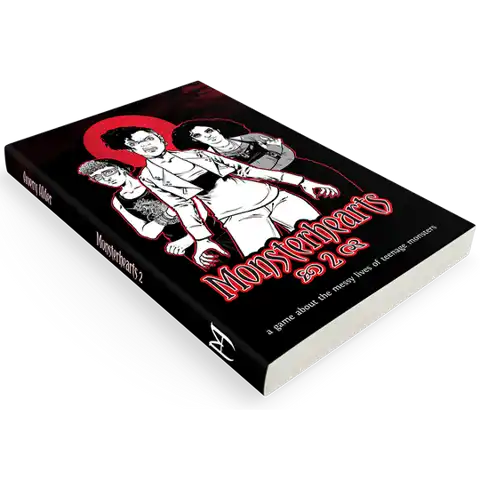
Monsterhearts
Choose Monsterhearts when teen-monster play makes queer desire, shame, attraction, and social leverage central procedures.
Queer and LGBTQ+ TTRPGs collect games where queer identity, community, relationships, or resistance is explicit in the game's premise and supported by its published text. The label is useful only when it predicts what the table repeatedly does, not when it describes a passing scene, optional supplement, or superficial aesthetic.
This is a sourced editorial collection, not a guess based on aesthetics or a claim that every queer-authored game has the same concerns. The reviewed launch set contains 9 current games, and membership is intentionally narrower than every title that could imitate the idea with enough facilitator work.
Discuss boundaries and safety tools before play, because several games pair queer experience with desire, trauma, horror, or social pressure. Use the featured choices below as contrasting starting points, then compare rules weight, facilitator role, session length, campaign support, and content guidance on each game profile.
Quick starting points if you want the clearest expressions of what Queer and LGBTQ+ games do well.
Choose Monsterhearts when teen-monster play makes queer desire, shame, attraction, and social leverage central procedures.
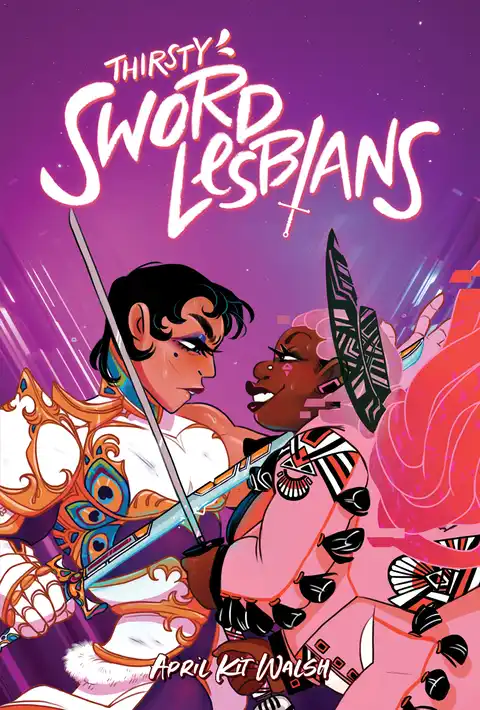
Choose Thirsty Sword Lesbians when duels, flirtation, longing, apology, and queer heroism share the same mechanical spotlight.
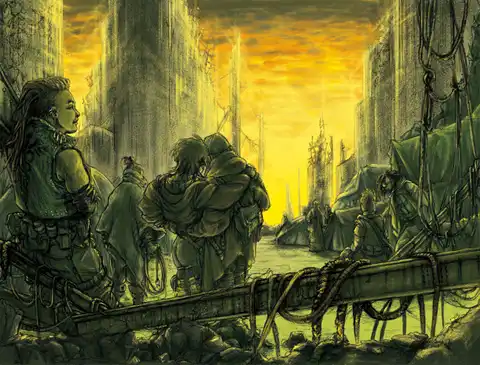
Choose Dream Askew when diceless GMless play centers a queer enclave building community through scarcity and conflict.
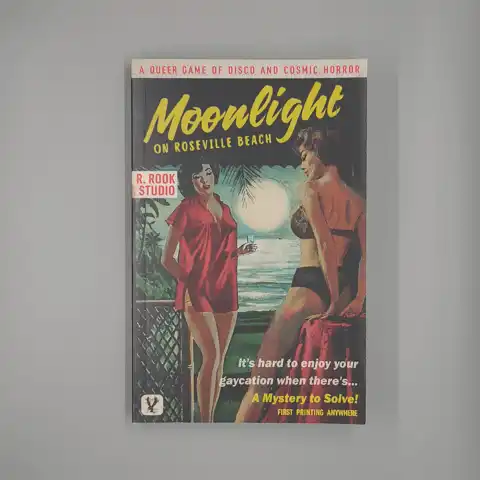
Choose Moonlight on Roseville Beach when queer community, romance, and supernatural mystery are inseparable from its 1979 beach-town premise.
Moonlight on Roseville Beach belongs in this category because queer community, romance, and supernatural mystery are inseparable from its 1979 beach-town premise.
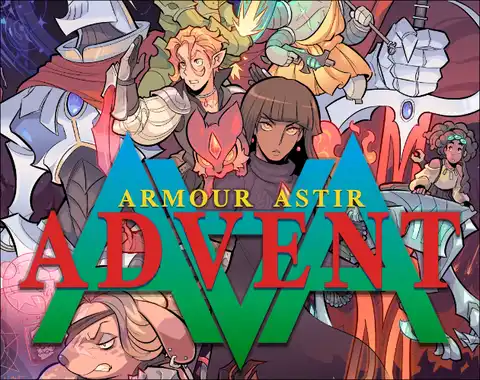
Armour Astir: Advent is a high-fantasy PbtA mecha TTRPG about rebel pilots, support crew, diplomats, spies, and magical Astirs fighting an oppressive authority.
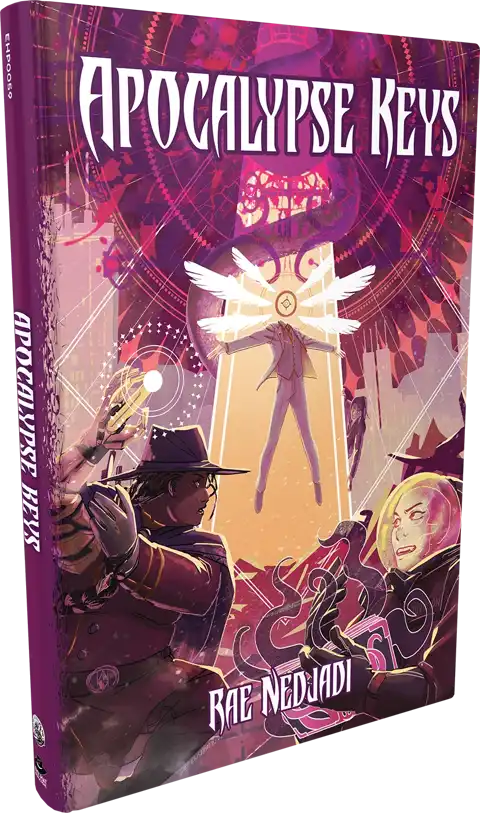
Apocalypse Keys is Rae Nedjadi's modern supernatural PbtA TTRPG about Omen-class monster agents working for DIVISION to solve mysteries, stop Harbingers, and hold back the apocalypse through bonds, power, and dangerous emotions.
Dream Askew belongs in this category because diceless GMless play centers a queer enclave building community through scarcity and conflict.
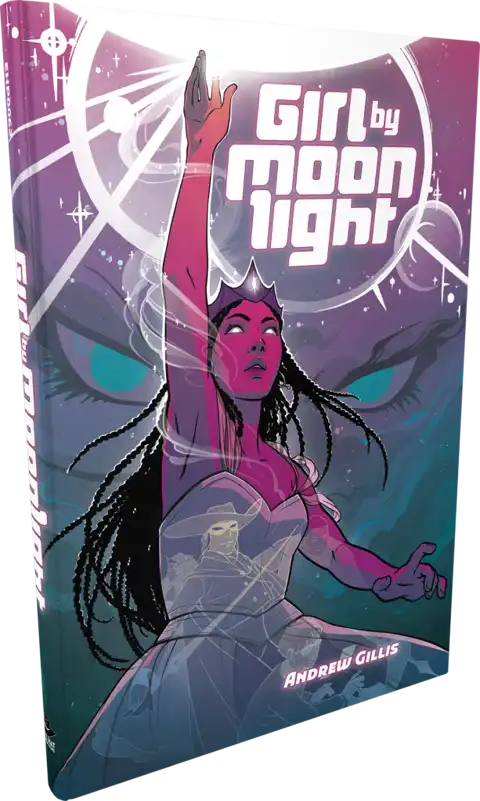
A standalone Forged in the Dark TTRPG about magical heroes resisting oppressive worlds through transformation, missions, relationships, and queer self-discovery.
Monsterhearts belongs in this category because teen-monster play makes queer desire, shame, attraction, and social leverage central procedures.
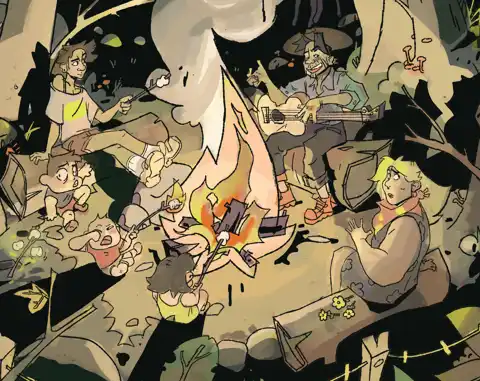
Sleepaway is a rules-lite horror RPG where camp counselors protect their wards from the shape-shifting Lindworm. Using the Belonging Outside Belonging system, it emphasizes collaborative storytelling, Weak and Strong Moves, and eerie Rituals. GMless and diceless, it blends nostalgia with existential dread for unforgettable one-shots or campaigns.
Thirsty Sword Lesbians belongs in this category because duels, flirtation, longing, apology, and queer heroism share the same mechanical spotlight.
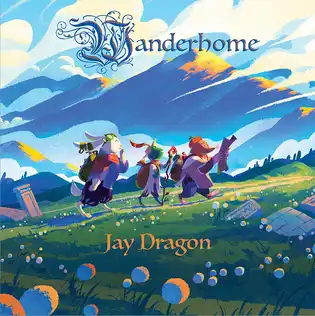
Wanderhome is Jay Dragon and Possum Creek Games' pastoral fantasy TTRPG about animal-folk travelers in Haeth, using Belonging Outside Belonging's diceless shared-authority structure to turn hospitality, grief, and small acts of care into the core of play.
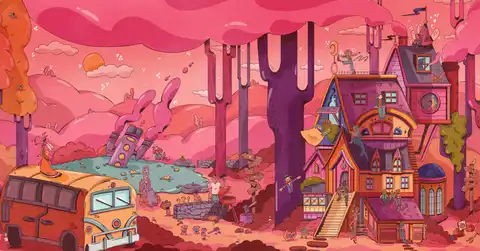
Yazeba's Bed & Breakfast is a cozy slice-of-life legacy TTRPG about a magical house, its residents, and 48 quick-play chapters that change the book and cast over time.
Start with the table experience, not the label. These four picks show different ways the category can work.
Check the practical fit. A shared category does not guarantee the same learning curve, preparation load, group size, emotional intensity, or campaign length. Read the individual profiles before committing a group.