Wolves of God: Adventures in Dark Ages England
At-a-glance: OSR lineage • d20-based • 3-5 players + GM • Class-based (Warrior, Saint, Galdorman) • Sandbox hexcrawl • Domain management • Historical setting • 2-4h sessions
Theme and Setting
Wolves of God plunges players into Dark Ages England, circa 710 AD—a world of iron and winter where Anglo-Saxon kingdoms rise from the ruins of Roman Britain. This is not the mythical Britain of Arthurian legend, but a gritty historical setting where the spears of the English have conquered the Wealh (Welsh) and carved out a fragile civilization amid wilderness and ancient ruins.
The game embraces a low-fantasy, historical perspective where God and Satan are real forces, Christian monasteries preserve knowledge alongside pagan remnants, and the gap between civilization and savagery is narrow. Players take on roles of English heroes—bold Warriors who lead shield-walls, pious Saints who work miracles through faith, and cunning Galdormen who wield the dangerous sorcery of runes and charms. The setting is meticulously researched, presenting a world of fire-lit halls, mead-hall politics, and the constant threat of raiders, beasts, and the encroaching shadow of the wild.
Core Mechanics and Rules
Wolves of God builds on the familiar OSR d20 framework while introducing distinct mechanics that reinforce its historical grimness:
Class-Based Heroes
Three core classes define player capabilities. Warriors excel at combat and leadership, commanding war-bands and standing firm in the shield-wall. Saints channel divine power through prayer and faith, working miracles that can heal, protect, or smite—yet their power depends on maintaining spiritual purity and God's favor. Galdormen practice the sorcerous arts of rune-craft and spoken charms, wielding powers that straddle the line between Christian prayer and pagan sorcery, always risking corruption.
Survival and Exploration
The game features robust hexcrawl mechanics for exploring the dangerous English wilderness. Travel is risky, requiring careful management of supplies, navigation through untamed lands, and encounters with everything from wild beasts to rival war-bands. The Wyrds system provides mechanical weight to fate and fortune, while Foci allow characters to develop specialized expertise within their class.
Domain Management
Beyond individual adventure, Wolves of God includes rules for establishing and developing strongholds. Players can build halls, gather followers, and manage the affairs of a growing domain, creating lasting impact on the campaign world.
What Makes It Unique
Several elements distinguish Wolves of God from other fantasy RPGs:
- Historical Authenticity: The game presents Dark Ages England with unflinching historical accuracy, including the harsh realities of the era—slavery, violence, and religious conflict—without glorifying or condemning them. This creates a setting that feels genuinely alien to modern sensibilities.
- Christian Mythology as Mechanics: Unlike games that treat religion as background flavor, Wolves of God makes faith mechanically meaningful. Saints work real miracles, but must maintain their spiritual standing. The religious landscape shapes society, politics, and personal morality.
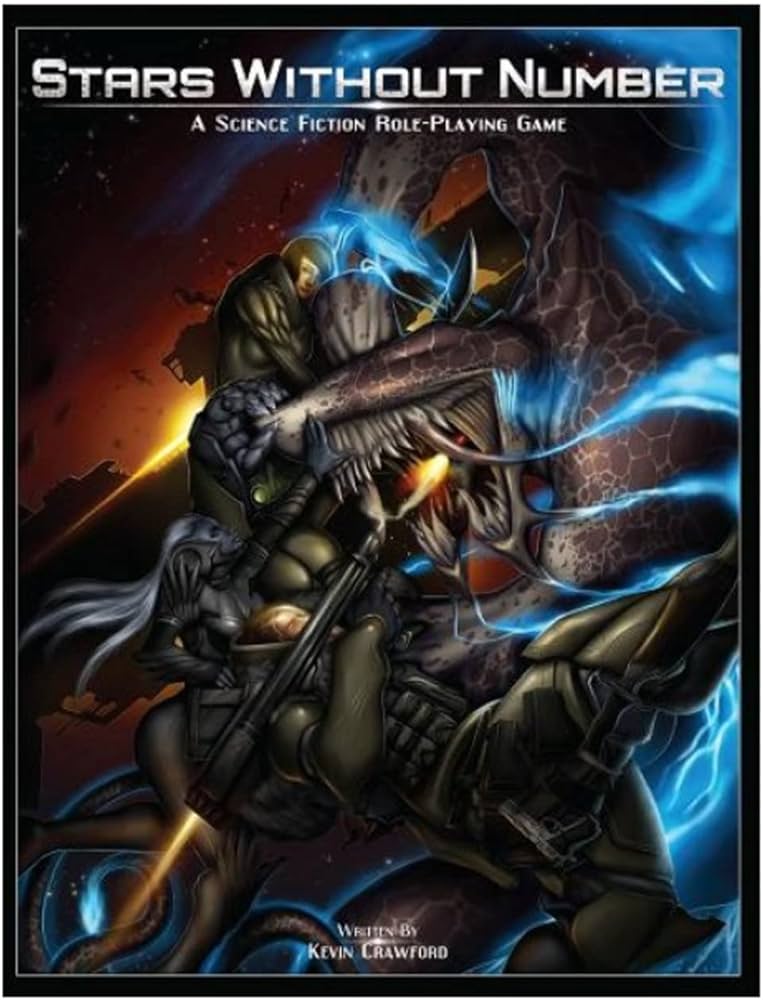
- Kevin Crawford's Sandbox Tools: Following the tradition of Stars Without Number, the book includes extensive GM tools for generating conflicts, NPCs, settlements, and adventure seeds on the fly, making it exceptionally friendly to improvisation and emergent storytelling.
- Low-Magic Grime: Magic exists but is dangerous, rare, and often morally ambiguous. Galdormen walk a fine line between legitimate knowledge and damnable sorcery. The world feels grounded—wonders are possible, but the daily struggle for survival dominates.
Target Audience and Player Experience
Wolves of God appeals to players who enjoy:
- Historical RPGs: Those seeking an authentic Dark Ages experience without the gloss of high fantasy.
- OSR Gameplay: Fans of player-driven exploration, resource management, and tactical combat where clever thinking matters more than character builds.
- Gritty Survival: Groups who appreciate the tension of wilderness travel, limited resources, and meaningful consequences for failure.
- Domain-Building: Players interested in establishing lasting institutions and watching their characters' influence grow across generations.
The player experience emphasizes emergent storytelling through sandbox exploration rather than scripted campaigns. Characters start competent but vulnerable, and survival depends on smart decisions, strong alliances, and sometimes the grace of God. The game's tools support GMs in creating a living world that responds to player actions, making every campaign unique to the table that plays it.